

The Intersection of Alcohol Consumption and the Grieving Process
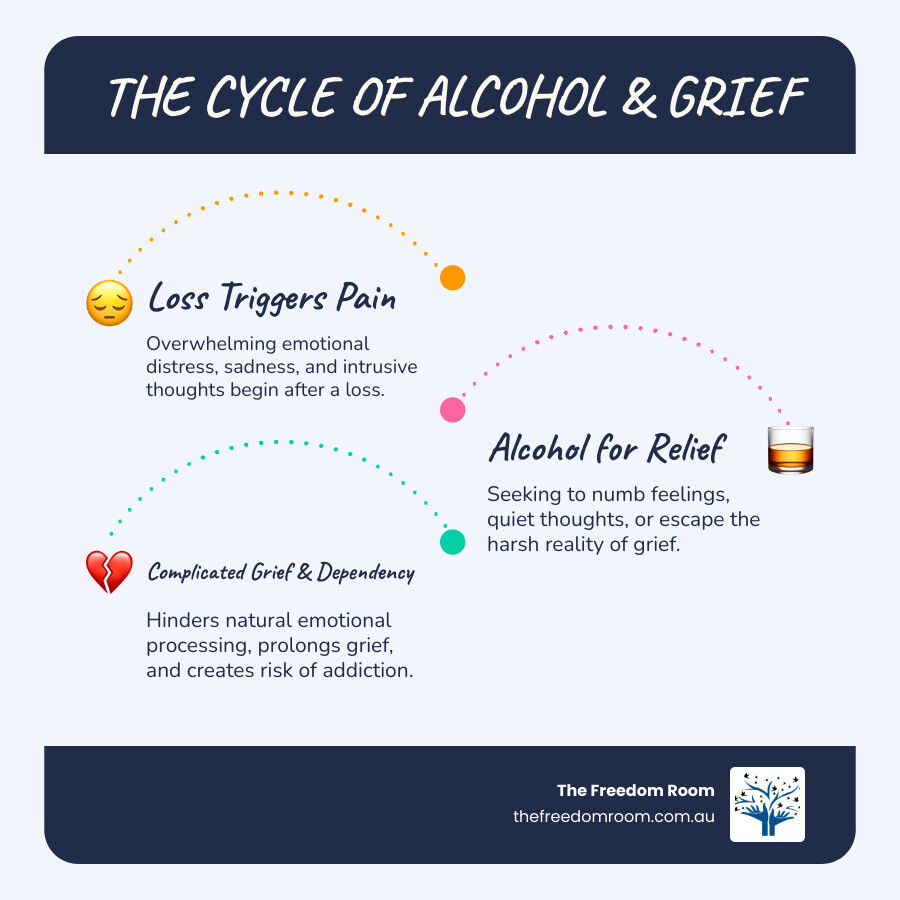
Alcohol and grief frequently intersect during periods of significant emotional distress. Following the loss of a loved one, the experience of overwhelming pain can lead individuals to seek methods of coping. In this context, alcohol is often used as a temporary means of relief.
Critical Considerations Regarding Alcohol and Grief
- Grief is a universal yet highly individualised response to loss.
- Many individuals turn to alcohol to numb emotional pain or manage overwhelming feelings.
- While alcohol may provide temporary relief, it can complicate and prolong the grieving process.
- Men bereaved for two years exhibit significantly higher rates of problematic alcohol use (29.8%) compared to non-bereaved men (12.9%).
- As a depressant, alcohol can inhibit the ability to process emotions and resolve grief naturally.
- Using alcohol as a primary coping mechanism can lead to dependency, creating additional challenges during an already difficult time.
The Complication of the Grieving Process
The relationship between alcohol and grief is both common and complex. Research indicates that the loss of a loved one is a significant risk factor for worsening drinking habits, particularly for men, and these patterns can persist for years.
During bereavement, alcohol may appear to offer respite by slowing cognitive processes or providing a brief reprieve from intense emotions. However, this temporary relief has a significant cost. Alcohol consumption hinders the brain’s capacity to process grief naturally, which can result in individuals becoming trapped in painful emotional cycles.
Fortunately, healthier methods for navigating grief are available. With appropriate support and evidence-based approaches such as Cognitive Behavioural Therapy (CBT) and Emotional Freedom Techniques (EFT), it is possible to work through loss without reliance on alcohol.
The Physiological and Psychological Effects of Alcohol During Grief
Bereavement induces significant emotional distress, often leading individuals to use alcohol as a form of self-medication to manage intrusive thoughts or the reality of the loss. The interaction between alcohol and grief is rooted in the substance’s effect on brain function.
The Brain’s Response to Grief and Alcohol
Scientific research on the brain’s response to grief indicates heightened activity in regions such as the amygdala, which processes emotions like fear and sadness. The medial prefrontal cortex, responsible for decision-making and emotional regulation, is also heavily engaged during bereavement.
Alcohol functions as a central nervous system depressant, slowing brain activity and interfering with these critical emotional processes. When consumed, it triggers a dopamine release that creates a brief, artificial sense of wellbeing. Alcohol also suppresses stress hormones like cortisol, which are integral to natural coping responses. This disruption to the brain’s neurochemistry ultimately leaves an individual more vulnerable by impeding the natural ability to process grief.
The Initial Perception of Relief
In the early stages of using alcohol to cope, the substance can provide a temporary escape from relentless sorrow, anger, or confusion. The mood elevation from dopamine release offers what feels like genuine relief, and the weight of grief may seem to lessen. For bereaved individuals experiencing sleep disturbances, alcohol may initially appear to induce a desired state of oblivion.
In social rituals involving alcohol during periods of mourning, consumption can facilitate social engagement at a time when interactions feel exhausting. This can create a false sense of control over overwhelming emotions, leading to the belief that grief is being managed effectively when the necessary emotional work is merely being postponed.
The Risks of Self-Medication
Despite any initial perception of relief, using alcohol to cope with grief carries serious risks that can compound an already difficult situation. The body quickly develops tolerance, requiring larger amounts of alcohol to achieve the same numbing effect. This escalation significantly increases the addiction risk and can lead to dependence.
Of greater concern is how alcohol actively hinders emotional processing. The grieving process requires individuals to experience and work through emotional pain. When alcohol is consistently used to avoid difficult emotions, those feelings remain unresolved, potentially trapping the individual in a prolonged state of sorrow.
Alcohol’s depressant effects often worsen depression and anxiety over time. This creates a vicious cycle where grief leads to drinking, which intensifies negative emotions and encourages further drinking. This cycle of substance use is an inadequate approach to a problem that requires foundational healing. Without genuine emotional processing, individuals risk becoming stuck in painful patterns that extend far beyond typical grief timelines. For more information on finding healthier ways to navigate these challenges, explore resources on emotional sobriety.
The Detrimental Impact of Alcohol on the Grieving Process

The consumption of alcohol during bereavement can significantly complicate the grieving process. The combination of alcohol and grief is particularly destructive because alcohol acts as an inhibitor. Rather than facilitating emotional processing, it obstructs the natural flow of feelings that must be experienced and released for healing to occur.
Intensification of Negative Emotions
The immediate effects of alcohol are often contrary to the desired outcome. Instead of dulling pain, alcohol can intensify negative emotions, making sadness feel deeper and more overwhelming. Feelings of anger may become more volatile and difficult to control, while the anxiety that often accompanies grief can become more pervasive.
Impairment of Cognitive Function
Alcohol significantly impairs decision-making abilities during a time that demands clarity. Individuals may make choices regarding relationships, finances, or health that they would not otherwise consider. These decisions can create additional problems that compound the existing grief.
Physical Health Consequences
Chronic alcohol consumption leads to physical health deterioration, occurring at a time when the body requires strength to cope with emotional stress. Consequences such as poor sleep quality, weakened immune function, and increased inflammation make it more difficult to process grief naturally. This can create a cycle of increased anxiety and irritability, leading to withdrawal from necessary support systems. The risk of developing complicated grief increases significantly when alcohol is the primary coping mechanism.
Disruption of the Natural Stages of Grief
The journey through grief typically involves moving through various emotional stages, such as denial and isolation, anger, bargaining, depression, and acceptance. While the experience of these stages is not always linear, they represent important psychological work necessary for healing.
Alcohol disrupts this natural progression. The use of alcohol to numb emotions can cause an individual to become arrested in the denial stage, unable to confront the reality of the loss. The substance can also fuel and prolong the anger stage of grief, causing a person to cycle through rage without resolution. Furthermore, the depressive aspects of grief can be significantly worsened by alcohol, which is itself a depressant.
This disruption prevents emotional resolution from occurring naturally. The individual may remain trapped in a state of unfinished grief, unable to reach the acceptance that allows for a healthier integration of the loss. A prolonged mourning process can severely impact an individual’s ability to adapt to loss.
The Link Between Pre-existing Addiction and Complicated Grief
For individuals with a pre-existing alcohol dependency, grief presents particularly complex challenges. Research reveals a concerning pattern: people with substance misuse issues are at an increased risk for developing complicated grief, especially when their drinking escalates before the loss occurs.
This relationship is bidirectional. Those in recovery may find that the immense stress of bereavement destabilises their sobriety. The coping mechanisms they have developed may feel inadequate, making relapse seem like the only option for relief.
The loss of social support networks, which can accompany both addiction and bereavement, creates additional vulnerability. Isolation can be particularly dangerous for individuals with substance use disorders, potentially leading to severe consequences, including overdose or self-harm.
Understanding this interconnection is crucial for effective treatment. A comprehensive approach that recognises how these challenges reinforce each other offers the best path forward. Research on substance misuse and complicated grief demonstrates the importance of treating both issues concurrently for optimal outcomes.
Identifying Problematic Alcohol Use During Grief

Alcohol use that begins as a coping mechanism for grief can transition into a more serious issue. This progression from coping to dependence can be gradual, making it difficult to recognise when alcohol and grief have become pathologically intertwined. What may have started as a temporary method of relief can evolve into a persistent habit that creates a separate set of problems.
This shift typically affects multiple areas of an individual’s life. Daily routines may become centred around drinking, relationships can become strained, and personal or professional responsibilities may be neglected. The substance initially used for comfort can begin to compound the original pain of the loss. Recognising when grief-related drinking has become problematic is a critical step toward protecting both emotional recovery and overall wellbeing.
Indicators of Problematic Alcohol Consumption
Identifying the warning signs of problematic drinking requires honest self-assessment. The following indicators suggest that alcohol use has progressed beyond a temporary coping strategy and into a dependency:
- Solitary or secretive drinking, including concealing the amount of alcohol consumed.
- Increased tolerance, defined as needing more alcohol to achieve the same effect.
- Inability to reduce consumption, even with an awareness that it is causing harm.
- Strong cravings or persistent urges to drink that are difficult to ignore.
- Withdrawal symptoms such as tremors, anxiety, or nausea when attempting to stop or reduce intake.
- Prioritising drinking over activities, relationships, or responsibilities that were previously important.
- Continuing use despite negative consequences, such as health issues, relationship conflicts, or problems at work.
These signs often develop gradually, which can lead to their dismissal or rationalisation. An individual might justify the behaviour as part of the grieving process or postpone addressing it.
The Role of Gender in Alcohol and Grief
The relationship between alcohol and grief manifests differently between genders, with research highlighting specific patterns. Studies indicate that men are particularly vulnerable to developing problematic drinking habits following the loss of a loved one. Men bereaved for two years demonstrate significantly higher rates of alcohol dependence symptoms and harmful use compared to their non-bereaved counterparts.
Statistics show that 29.8% of men bereaved for two years exhibit clinically at-risk alcohol consumption, compared to just 12.9% of non-bereaved men. This significant difference suggests that loss can profoundly impact how men cope with emotional pain.
These gender-based disparities may be attributed to societal conditioning regarding emotional expression. Men are often socialised to internalise difficult feelings rather than express them openly. When faced with overwhelming grief, alcohol may be perceived as a more acceptable method for managing pain than seeking emotional support or demonstrating vulnerability.
While women are not immune to grief-related drinking problems, they may exhibit different coping patterns. Women may be more likely to seek social support or express their emotions verbally, potentially reducing their reliance on alcohol as a primary coping mechanism. Understanding these patterns is important for recognising where targeted support may be most needed. For those struggling with both grief and alcohol concerns, exploring resources like navigating the grief of quitting alcohol can provide valuable guidance.
Constructive Strategies for Navigating Grief Without Alcohol

Navigating grief requires strategies that foster genuine healing. While the combination of alcohol and grief is common, recovery is facilitated by healthier approaches that allow for authentic emotional processing. The objective is not to rush through emotions but to build resilience through incremental steps. This involves allowing the full spectrum of grief-related emotions, including anger, sadness, and confusion, to be experienced rather than numbed. This process creates the space for genuine change, with an emphasis on progress over perfection.
Building a Supportive Network
Connection with others is a powerful countermeasure to the isolation that often accompanies grief. Engaging with supportive friends and family can provide comfort during difficult moments. The presence of someone who can sit with the pain without attempting to fix it can be profoundly healing.
Joining support groups, either in-person or online, offers a unique form of understanding based on the power of shared experience. Hearing others articulate their experiences of loss can validate one’s own feelings, confirming that they are a normal part of the human condition. These connections are instrumental in reducing isolation. For individuals managing both grief and alcohol-related concerns, specialised support can be found through our alcohol addiction support groups.
Professional Therapeutic Approaches
Professional support provides evidence-based tools to navigate the complexities of grief. Cognitive Behavioural Therapy (CBT) is a structured approach for understanding the interconnection of thoughts, feelings, and behaviours during grief. This therapy helps individuals change unhelpful thinking patterns, such as “I will never be happy again,” that can perpetuate cycles of despair. CBT focuses on developing coping skills and problem-solving techniques to address the practical and emotional challenges of loss.
Emotional Freedom Techniques (EFT), or tapping, offers a method for processing intense emotions. This technique involves tapping on acupressure points to process emotional trauma while focusing on specific feelings or memories. This process sends calming signals to the amygdala, the brain’s alarm system, helping to reduce the overwhelming stress response triggered by grief. EFT is valuable for its ability to help release stored grief from the body safely. It allows individuals to process the emotional charge of memories, often resulting in reduced distress when recalling painful events.
For more comprehensive information, explore our detailed guide on EFT and CBT therapy.
Healthy Self-Care Practices
Daily self-care practices create a foundation for healing and support both emotional and physical wellbeing. Adequate sleep is crucial, as grief often disrupts natural rhythms. Gentle physical activity, such as walking or stretching, helps release tension and can improve mood through endorphin release.
Mindful relaxation techniques like deep breathing or meditation can provide moments of peace. These practices help regulate the nervous system. Balanced nutrition supports energy levels, while spending time in nature can provide a sense of connection. Creative expression through art, music, or writing offers another pathway for processing emotions. Journaling, in particular, can be a transformative tool for making sense of one’s inner world. Our article on the healing power of journaling provides practical guidance.
Frequently Asked Questions Regarding Alcohol and Grief
When alcohol and grief intersect, questions often arise regarding what constitutes a normal response, what is concerning, and how to proceed. The following are common questions from individuals navigating this difficult experience.
Is it normal to drink more when grieving?
An increase in alcohol consumption following a significant loss is a common response to overwhelming emotional distress. Grief is a profound stressor, and it is understandable that many individuals turn to methods that offer temporary relief. The intense emotional pain of loss can make alcohol seem like a reasonable short-term escape.
However, it is important to distinguish between a temporary increase in consumption and a developing pattern of dependence. If drinking becomes the primary method of coping, or if an individual feels unable to face emotions without alcohol, this may indicate a need for additional support and healthier coping strategies.
How long is it ‘okay’ to use alcohol to cope with grief?
This question presupposes a defined timeframe for using alcohol as a coping mechanism. A more effective measure is to assess the pattern and impact of the drinking behaviour. The Australian Guidelines recommend no more than 10 standard drinks per week and no more than 4 standard drinks on any single day. If consumption consistently exceeds these guidelines, or if there is a feeling of dependence on alcohol for daily functioning, this indicates that the coping strategy has become a more serious concern.
The combination of alcohol and grief is challenging because alcohol is a depressant that can prolong and intensify the grieving process. The sooner healthier coping strategies are explored, the more effectively the loss can be processed.
Can I process grief while still drinking?
While temporary emotional release may be experienced during alcohol consumption, alcohol fundamentally interferes with the requirements of genuine grief processing. The process of grieving requires feeling, acknowledging, and gradually integrating the loss. Alcohol produces an opposite, numbing effect.
As a central nervous system depressant, alcohol slows the brain’s ability to engage with difficult emotions. This prevents the essential emotional work that allows for natural progression through grief. An individual may become stuck in certain stages of grief, unable to move toward acceptance and resolution.
True grief processing requires mental clarity and emotional presence. When alcohol impairs this capacity, feelings can remain unresolved, potentially trapping an individual in prolonged sorrow. For lasting healing to occur, reducing or eliminating alcohol consumption is necessary to fully engage in the emotional work of grieving. Our resources on emotional sobriety can provide additional guidance for this important step.
Seeking Professional Support for Grief and Alcohol Use
The process of navigating grief, particularly when complicated by the intersection of alcohol and grief, is a significant challenge. However, healing and recovery are achievable. Each day presents an opportunity to choose healthier methods for processing loss and building resilience.
Acknowledging the need for support is a critical step toward genuine healing. It is not a sign of weakness, but rather a recognition of the difficulty of the situation. Many individuals find themselves in this position.
Professional support services, such as The Freedom Room, recognise the complex relationship between loss and the use of alcohol as a coping mechanism. A compassionate, non-judgmental approach is central to effective treatment. We believe in meeting individuals where they are in their journey.
Treatment providers with lived experience, combined with evidence-based therapeutic approaches, can create a supportive environment where genuine healing can occur. The work of processing grief without reliance on alcohol requires patience, self-compassion, and often, professional guidance. Through personalised sessions incorporating techniques like Cognitive Behavioural Therapy (CBT) and Emotional Freedom Techniques (EFT), clients can develop healthy coping strategies that honour their loss while supporting their recovery.
Initiating contact with a support service marks the beginning of a transformative path. Professional guidance can provide the tools and understanding needed to navigate both grief and recovery. The journey toward lasting freedom from alcohol, while honouring loss in a healthy manner, can begin with a single conversation.