

The Consequences of Chronic Alcohol Consumption for the Immune System
The long term effects of alcohol on the immune system establish a detrimental cycle that renders the body susceptible to infections, diseases, and delayed healing. Chronic alcohol consumption systematically weakens the body’s natural defence mechanisms, complicating recovery from illness and elevating the risk of serious health complications.
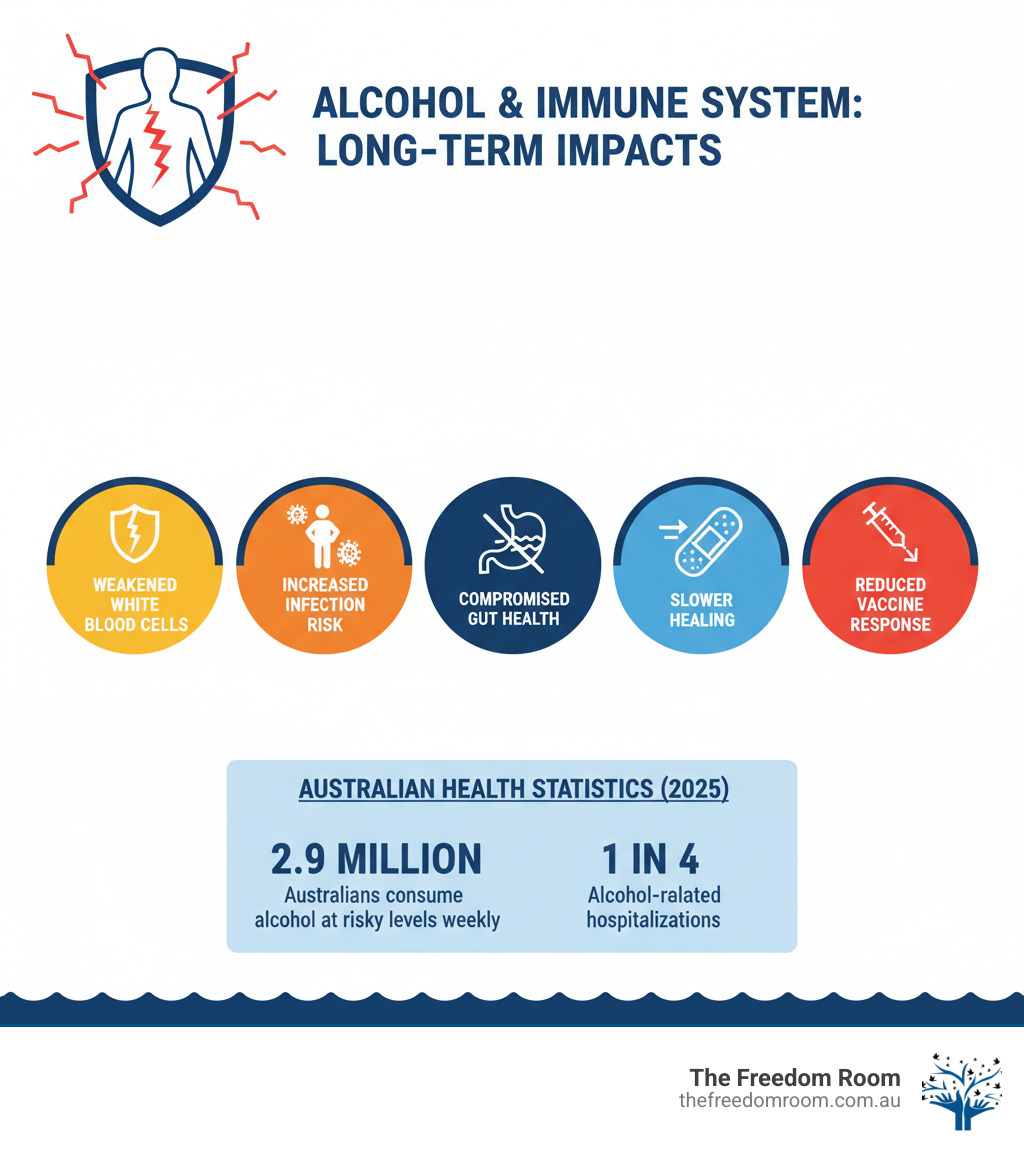
Key long-term immune system impacts from alcohol include:
- Suppressed white blood cell production and function
- Increased susceptibility to respiratory infections like pneumonia
- Slower wound healing and tissue repair
- Higher risk of developing autoimmune disorders
- Compromised gut barrier function leading to inflammation
- Reduced vaccine effectiveness
- Greater vulnerability to cancer development
Your immune system functions as the body’s complex defence network, providing constant protection against harmful bacteria, viruses, and other pathogens. With regular alcohol consumption, this protective system begins to degrade in ways that accumulate over time.
Chronic drinking does not merely cause temporary impairment during intoxication. It induces lasting alterations in the communication, reproduction, and response of immune cells. These changes can persist even during periods of sobriety. However, many immune functions have the capacity to recover with sustained abstinence.
Understanding these impacts is crucial for individuals seeking to overcome alcohol dependence. The body’s capacity for healing extends to the immune system, but rebuilding its strength requires a supportive environment and a commitment to abstinence.
Related topics for further reading:
How Alcohol Affects the Immune System
Your immune system is a complex network of cells and proteins that defends the body against infection. Alcohol consumption disrupts this defence system, increasing vulnerability to illness.
Immunity is broadly divided into two subsystems: innate immunity and adaptive immunity. Chronic alcohol use negatively affects both.
Impairment of Innate Immunity
Innate immunity constitutes the body’s immediate, non-specific defence mechanism. This includes physical barriers such as the skin and mucous membranes, along with immune cells that provide a rapid response to pathogens.
Alcohol significantly weakens these frontline defenders. For example, neutrophils, which are phagocytic white blood cells that migrate to sites of infection to destroy pathogens, exhibit reduced motility and effectiveness. Similarly, macrophages, which are responsible for phagocytosis and initiating broader immune responses, demonstrate impaired function.
This impairment means the body’s initial response to bacterial or viral entry is compromised, leading to a delayed and less effective defence.
Suppression of Adaptive Immunity
Adaptive immunity provides a targeted, specific defence that develops immunological memory of past pathogens. This system relies on specialised lymphocytes known as T-cells and B-cells, which are responsible for cell-mediated immunity and antibody production, respectively.
Chronic alcohol consumption suppresses the production and function of these critical cells. The body produces fewer lymphocytes, and their operational capacity is diminished. This leads to several negative outcomes, including reduced vaccine efficacy, increased reinfection rates, and an impaired ability to respond to new pathogens.
The long term effects of alcohol on the immune system are particularly pronounced in this context, as the body’s ability to build and maintain sophisticated, long-term defences is compromised.
Disruption of Immune System Pathways
In addition to affecting individual immune cells, alcohol disrupts the complex immune pathways that coordinate the body’s defence responses. The immune system utilises chemical messengers called cytokines to facilitate communication between different cells and tissues.
Alcohol interferes with this signalling network, frequently resulting in a state of chronic, low-grade inflammation throughout the body. This persistent inflammatory state paradoxically weakens the immune system’s ability to mount an effective response to acute threats.
This creates a condition where the body is simultaneously inflamed and immunocompromised. The disruption to these immune pathways helps explain why individuals who consume alcohol heavily often experience both increased susceptibility to infections and prolonged recovery times from illness.
Long Term Effects of Alcohol on the Immune System
When alcohol consumption is a regular practice, the immune system is subjected to persistent stress that alters the body’s protective functions. The long term effects of alcohol on the immune system are not limited to transient illness following excessive consumption. They represent a fundamental degradation of the body’s ability to defend against disease and maintain health.
Chronic Drinking and Immune Suppression
Your immune system is composed of various cells with specific roles in protecting the body. Chronic alcohol consumption reduces the number and efficacy of these cells. The white blood cells that circulate in the bloodstream become less numerous and less effective at performing their functions.
This is not a temporary issue that resolves quickly. With regular alcohol consumption over months and years, neutrophils exhibit a reduced ability to reach infection sites, while lymphocytes have greater difficulty recognising previous pathogens and mounting an appropriate response.
The suppression can become so established that even during periods of abstinence, the immune system may continue to function at a suboptimal level. This creates a state of heightened vulnerability where the body’s natural defences are consistently weakened.
Increased Susceptibility to Infections
A compromised immune system means that otherwise minor infections can escalate into serious medical conditions. The body’s weakened defences struggle to contain bacterial pathogens, increasing susceptibility to respiratory infections like pneumonia. In some cases, these can progress to life-threatening conditions such as Acute Respiratory Distress Syndrome.
Bacterial infections present a significant risk, as conditions like sepsis are more likely to occur and carry a higher mortality rate when the immune system cannot mount an adequate response. Common viral infections such as influenza may present with greater severity and duration, while conditions like tuberculosis can more easily establish and progress in immunocompromised individuals.
The healing process is also affected. Minor cuts may take longer to close, surgical wounds are more susceptible to infection, and the body’s natural repair mechanisms operate at a reduced pace. This results in a cycle of increased illness frequency and prolonged recovery periods.
Impact on Cancer and Autoimmune Conditions
The immune system performs a surveillance function, identifying and eliminating abnormal cells before they can become cancerous. Chronic alcohol consumption impairs this surveillance, reducing the body’s ability to detect and destroy potentially malignant cellular changes. This contributes to an increased risk of cancer in multiple organ systems.
Furthermore, alcohol can contribute to immune dysregulation, causing the immune system to target the body’s own healthy tissues. The chronic inflammation and dysfunction associated with regular drinking can be a factor in the development of autoimmune disorders, where the body’s defences incorrectly attack healthy cells and organs.
This illustrates a complex consequence of alcohol’s impact on immunity. The system becomes both less effective at combating genuine threats and less able to distinguish between foreign pathogens and host tissues, creating significant health vulnerabilities.
Alcohol’s Impact on Specific Body Systems
The immune system is deeply integrated with other organ systems. Alcohol-induced damage to specific parts of the body can create further negative effects that compromise overall immunity.
Impact on the Respiratory System
The lungs are continually exposed to airborne pathogens, necessitating a robust local immune defence. Alcohol undermines this defence through several mechanisms. It impairs the function of cilia, which are the microscopic, hair-like structures responsible for clearing foreign particles from the airways.
Alcohol also reduces the activity of alveolar macrophages. These are essential immune cells in the lungs that ingest and destroy bacteria and viruses. This diminished local immunity, combined with increased permeability of the lung’s epithelial lining, significantly increases susceptibility to severe respiratory infections like pneumonia, acute respiratory distress syndrome (ARDS), and tuberculosis.
The Gut-Immune Axis and Alcohol
The gastrointestinal tract is a central component of immune health. A balanced gut microbiome, which is the community of microorganisms in the intestines, is vital for proper immune regulation.
Alcohol disrupts this delicate balance, causing dysbiosis. This is an imbalance where harmful bacteria can proliferate at the expense of beneficial species.
Critically, alcohol also damages the integrity of the gut lining, leading to increased intestinal permeability, a condition sometimes referred to as “leaky gut.” This allows microbial products, such as bacterial endotoxins, to translocate from the gut into the bloodstream, which in turn triggers systemic inflammation. This chronic inflammatory state places significant stress on the immune system, reducing its effectiveness against external pathogens.
Alcoholic Liver Disease and Immune Dysfunction
The liver is responsible for detoxifying alcohol and also plays a central role in immune function. It synthesises numerous immune proteins, filters toxins from the blood, and processes nutrients essential for immune cell development.
Chronic alcohol consumption can lead to alcoholic liver disease, which may progress from fatty liver to alcoholic hepatitis and cirrhosis. As liver function declines, its ability to support the immune system also diminishes.
An impaired liver results in reduced production of essential immune proteins, an accumulation of toxins in the body, and an overall weakened defence system. This renders individuals with liver disease highly vulnerable to severe infections, which often lead to life-threatening complications.

Professional Support for Alcohol Addiction Recovery
Understanding the long term effects of alcohol on the immune system is a significant step toward improving one’s health. Chronic drinking systematically weakens the body’s natural defences, increasing vulnerability to infection and impairing its ability to heal. This knowledge underscores the body’s capacity for recovery and renewal with proper support.
Our Therapeutic Approach
At The Freedom Room in Strathpine, Queensland, we provide professional, personalised alcohol addiction treatment. Our approach is centred on individual sessions, workshops, and therapy tailored to client needs. The authenticity of our support is enhanced by the fact that many of our team members have personal experience with the recovery process, offering a high level of understanding.
Evidence-Based Treatment Modalities
Immune system recovery is facilitated by addressing the emotional and psychological factors underlying addiction. Our therapeutic modalities, including Emotional Freedom Techniques (EFT) and Cognitive Behavioural Therapy (CBT), provide a foundation for this change.
EFT is a therapeutic technique that helps individuals process stored emotional trauma and reduce chronic stress. Regulating the nervous system allows the body to redirect energy towards rebuilding and strengthening immune defences.
CBT complements this process by helping clients identify and modify the thought patterns and behaviours that perpetuate addiction. Together, these evidence-based approaches help foster self-confidence and equip individuals with practical coping strategies.
The Goal of Recovery
This comprehensive support system creates an environment where the body can begin to repair the damage caused by alcohol. The recovery process does not need to be undertaken alone. The immune system begins to benefit from each alcohol-free day, and with professional support, this healing can be accelerated.
For those ready to address the impact of alcohol on their health and support the body’s natural healing abilities, professional guidance is available.
Taking the first step towards an alcohol-free future is a positive action for one’s immune system and overall wellbeing.

Frequently Asked Questions about Alcohol and the Immune System
This section addresses common questions regarding the connection between alcohol consumption and the body’s ability to defend against illness.
Does alcohol weaken the immune system?
Yes, alcohol weakens the immune system through both acute and chronic mechanisms. Even a single session of heavy drinking can temporarily suppress the body’s defences, while regular consumption leads to cumulative damage over time.
Alcohol interferes with immune function at multiple levels. It reduces the effectiveness of white blood cells, disrupts the production of antibodies, and impairs signalling pathways between different components of the immune system. This results in increased susceptibility to infections, from common viruses to serious respiratory illnesses like pneumonia.
The long term effects of alcohol on the immune system are of particular concern. Chronic consumption creates a state of persistent immune suppression, wherein the body’s natural defences are compromised even during periods of abstinence.
What are the short-term effects of alcohol on the immune system?
Even a single episode of heavy drinking can compromise the immune system for up to 24 hours. This temporary immune suppression occurs because alcohol immediately affects several key components of the body’s defence system.
During acute drinking, the activity of natural killer cells is reduced. These cells are critical for eliminating virally infected cells and detecting precancerous cells. Additionally, neutrophils, which are responsible for migrating to infection sites to combat bacteria, become less motile and effective.
This creates a period of heightened vulnerability to infection following an episode of heavy alcohol consumption, as the body is less equipped to mount its typical defence.
Can moderate alcohol consumption be beneficial?
While some older studies suggested potential cardiovascular benefits from moderate drinking, there is no evidence that any amount of alcohol is beneficial for the immune system.
Even moderate drinking can contribute to systemic inflammation. This chronic, low-level inflammation places ongoing stress on the immune system, requiring it to work harder to maintain homeostasis and potentially diminishing its long-term effectiveness.
The concept that moderate drinking is protective has been largely challenged by more recent and comprehensive research. Any theoretical benefits are generally considered to be outweighed by established risks, including an increased risk of certain cancers and negative effects on gut health, which is intrinsically linked to immune function.
For individuals seeking to improve their health, it is important to recognise that the immune system functions optimally without interference from alcohol. The body possesses a significant capacity for healing when it is able to recover fully from alcohol’s effects.