

Understanding Binge Drinking and Its Hidden Dangers
Binge drinking is a pattern of drinking that raises an individual’s blood alcohol concentration (BAC) to 0.08% or higher within approximately two hours. This typically involves the consumption of four or more standard drinks for women, or five or more for men, in a short period.
Quick Facts About Binge Drinking:
- Women: 4+ standard drinks in 2 hours
- Men: 5+ standard drinks in 2 hours
- Result: BAC reaches 0.08% or higher
- Risk: Immediate health and safety dangers
- Long-term impact: Increased risk of Alcohol Use Disorder
Although sometimes perceived as a benign social activity, binge drinking constitutes a significant public health concern in Australia, where approximately one in four adults engages in high-risk drinking patterns. These patterns can lead to severe health consequences.
Immediate Health and Safety Risks
Immediate risks associated with binge drinking include alcohol poisoning, impaired judgement, accidents, and violence.
Long-Term Health Consequences
Long-term consequences may encompass liver disease, cardiovascular problems, brain damage, and an increased likelihood of developing alcohol dependence.
The developing brain remains vulnerable to the neurotoxic effects of alcohol until approximately age 25, making binge drinking particularly damaging for young adults. Understanding these risks is the first step toward making informed decisions regarding alcohol consumption. For individuals concerned about their drinking habits, professional support is available.
What is Binge Drinking? A Clear Definition
The National Health and Medical Research Council (NHMRC) defines binge drinking as consuming enough alcohol in approximately two hours to raise an individual’s blood alcohol concentration (BAC) to 0.08% or higher. For most Australian adults, this equates to four or more standard drinks for women or five or more standard drinks for men in a single session. The speed of consumption is a key determinant.
Rapid consumption of alcohol overwhelms the liver’s metabolic capacity. As the body can only metabolise approximately one standard drink per hour, rapid consumption leads to a swift increase in BAC, posing immediate health and safety risks.
Understanding Standard Drinks in Australia
A standard drink in Australia contains 10 grams of pure alcohol. The volume of a standard drink, however, varies significantly depending on the type of beverage.
- A 285ml full-strength beer (a middy) is one standard drink.
- A 100ml glass of wine is one standard drink, a volume that is smaller than a typical serving in a licensed venue.
- A 30ml shot of spirits is one standard drink.
These measurements are often smaller than what many people anticipate. For example, a large glass of wine may contain two standard drinks, which means a woman could reach the binge drinking threshold after consuming only two such glasses. Factors such as body weight, gender, and metabolism influence alcohol processing, but the liver’s metabolic rate remains constant at about one standard drink per hour.
The Critical Timeframe
The two-hour timeframe is a critical component of the definition. This period of concentrated consumption overwhelms the body’s capacity to metabolise alcohol, resulting in dangerously liftd BAC levels and an increased risk of alcohol poisoning, accidents, and impaired decision-making.
Gender Differences in Binge Drinking Thresholds
Women typically reach dangerous BAC levels with fewer drinks than men. This is attributable to biological factors, including lower body water content available to dilute alcohol and different levels of enzymes responsible for its metabolism. Consequently, the consumption of four drinks in two hours for a woman can be as dangerous as five drinks for a man.
High-Intensity Drinking: A Higher Level of Risk
High-intensity drinking involves consuming alcohol at levels substantially beyond the standard binge threshold. This pattern is defined as consuming eight or more drinks for women or ten or more for men in a single session. This behaviour, which is more common among young adults, carries a significantly greater risk of severe alcohol poisoning, accidents, and long-term health problems.
The Prevalence of Binge Drinking
Binge drinking is a widespread pattern of alcohol consumption affecting millions of people, including a significant portion of the Australian population. An understanding of its prevalence can contextualise the issue for affected individuals.

International research indicates that nearly one in three people aged 20-34 reported binge drinking twelve or more times in the past year. In the US, approximately 22% of individuals aged 12 and older reported binge drinking in the past month during 2023, demonstrating its presence across various age groups.
Drinking Rates Among Adolescents and University Students
The statistics regarding young Australians are particularly concerning. Approximately 31% of males and 14% of females aged 15-17 engage in high-risk drinking. This is a significant concern, as the adolescent brain is still developing and is more vulnerable to alcohol-related harm.
University culture also presents distinct challenges. Among full-time university students aged 18-22, nearly 28% engaged in binge drinking in the past month, according to 2023 data. The combination of newfound independence and social environments where heavy drinking is normalised creates conditions conducive to high-risk consumption.
Economic and Social Impact
The consequences of binge drinking extend beyond individual health. The economic impact is substantial, amounting to billions in healthcare costs, lost productivity, and crime-related expenses in countries such as the US and UK.
In Australia, the scale of the problem prompted the government to invest $53.5 million in the National Binge Drinking Strategy in 2009. This investment reflects the extensive impact of binge drinking on individuals, families, and public services. Recognising these broader consequences underscores the importance of seeking support for problematic drinking behaviours.
The Causes of Binge Drinking
Binge drinking rarely originates from a single cause. It typically arises from a complex interplay of personal, social, and environmental factors. Understanding these drivers is essential for developing effective support strategies.
Underlying Causes and Risk Factors
- Social and Cultural Pressure: In many social environments, particularly among young adults and in university settings, heavy drinking is often an expected behaviour. Cultural norms in Australia frequently involve excessive drinking at social events, presenting it as a socially acceptable activity.
- Coping and Self-Medication: Some individuals use alcohol to manage stress, anxiety, depression, or other mental health conditions. The temporary relief alcohol provides from emotional distress is a significant factor, although this effect is transient.
- Genetic Predisposition: A family history of alcohol use disorder increases an individual’s risk of developing problematic drinking patterns. While not deterministic, it indicates a higher genetic vulnerability.
- Environmental Influences: Factors such as the easy availability of alcohol, pervasive advertising, and a lack of alternative recreational activities can all contribute to binge drinking. An upbringing in an environment where heavy drinking is common can normalise the behaviour.
- Other Risk Factors: Additional factors include sensation-seeking personality traits, difficulties with self-control, and strained family relationships. For adolescents, a history of behavioural problems or parental alcohol misuse are significant risks.
Scientific research on adolescent binge drinking demonstrates how these factors interact. Identifying these underlying causes is a critical first step, as it informs the development of more effective and healthier coping strategies.
The Dangers of Binge Drinking: Immediate and Long-Term Effects
Although binge drinking may produce temporary euphoria, it is associated with serious consequences that can inflict lasting damage to an individual’s health and wellbeing. Excessive alcohol use affects the entire body, including the brain, liver, heart, and immune system.
Short-Term Health and Safety Risks
The immediate dangers of binge drinking can be life-threatening as the body contends with the toxic effects of alcohol.
- Alcohol poisoning: This is a medical emergency characterised by confusion, vomiting, seizures, and slow breathing. It can be fatal without prompt medical intervention.
- Impaired judgement: This leads to high-risk behaviours such as unsafe driving, unprotected sex, or violent confrontations.
- Accidents and injuries: The risk of falls, burns, drowning, and motor vehicle accidents increases dramatically. Over 50% of head injuries in Australian adolescents are linked to alcohol consumption.
- Violence and assault: Binge drinking increases the likelihood of being either a perpetrator or a victim of violence. Female binge drinkers have a threefold increased risk of sexual assault.
- Blackouts: These are periods of amnesia that can occur while an individual appears to be functioning, potentially leading to dangerous situations.
- Alcohol-induced psychosis: In extreme cases, high levels of alcohol can trigger temporary but distressing hallucinations or delusions.
Long-Term Health Consequences
Repeated episodes of binge drinking can severely impact multiple organ systems, often resulting in irreversible damage.
- Alcohol Use Disorder (AUD): Regular binge drinking is a major risk factor for developing AUD. Teenage binge drinkers are approximately three times more likely to develop AUD later in life.
- Cancer: Binge drinking increases the risk of developing cancers of the mouth, throat, oesophagus, liver, colon, and breast. See more information about alcohol and cancer risk.
- Liver disease: This can progress from fatty liver to alcoholic hepatitis and ultimately to cirrhosis, a condition of severe and irreversible liver scarring.
- Heart disease: Regular binge drinking can lead to high blood pressure, a weakened heart muscle (cardiomyopathy), and irregular heartbeats (arrhythmias). It also increases the risk of stroke.
- Digestive problems: Alcohol can cause stomach inflammation (gastritis), ulcers, and pancreatitis, a condition that can be extremely painful and potentially fatal.
- Weakened immune system: Chronic heavy drinking leaves the body more vulnerable to infections such as pneumonia and tuberculosis.
- Brain damage: Binge drinking can cause permanent changes to brain structure and function, impairing memory, decision-making, and overall cognitive performance.
The Impact of Binge Drinking on the Developing Brain
The human brain continues to develop until the mid-twenties, which renders adolescents and young adults uniquely vulnerable to the harmful effects of alcohol. This developmental stage clarifies the significant risks associated with binge drinking during these years.
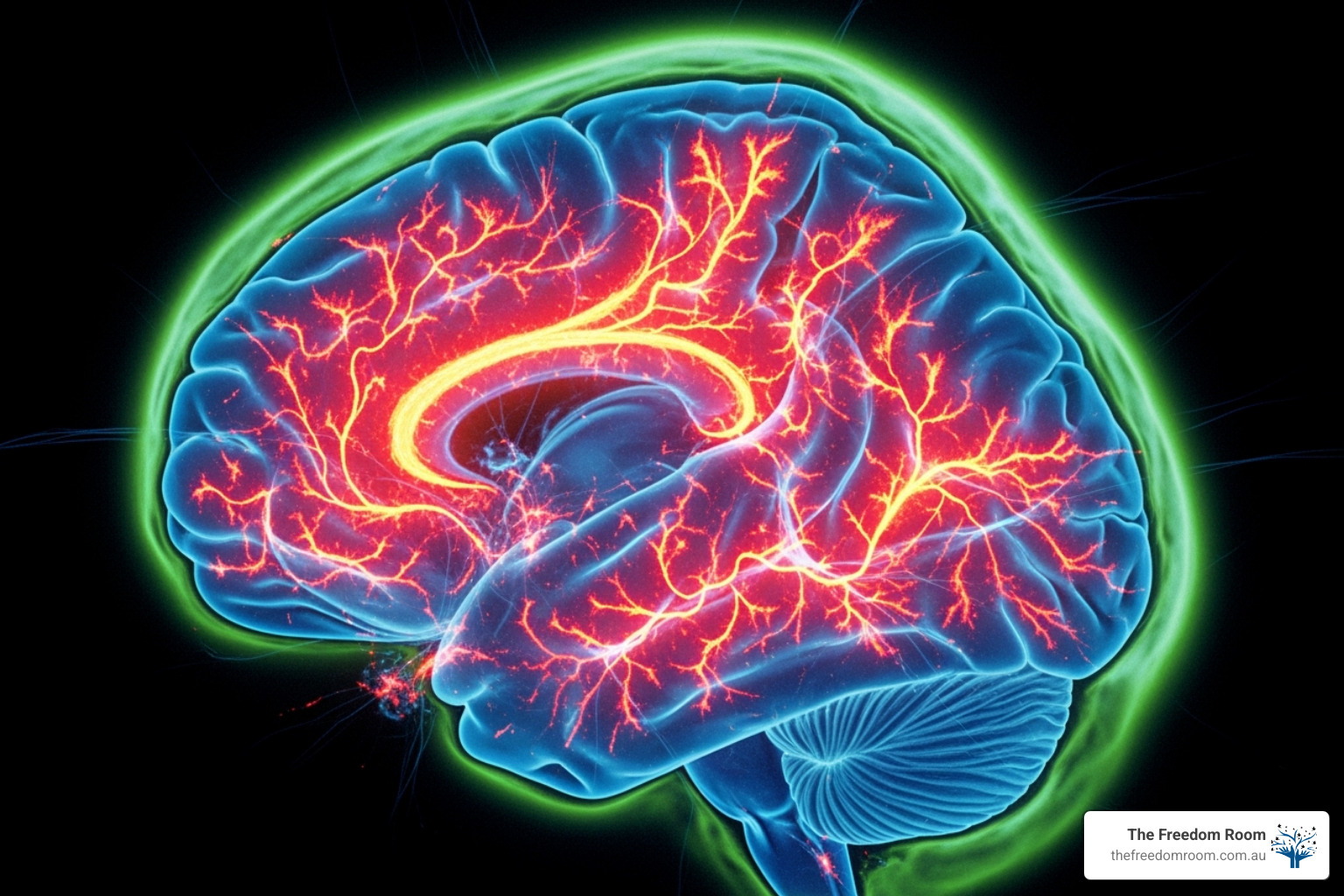
The prefrontal cortex, the region responsible for executive functions such as decision-making, impulse control, and judgement, is one of the last areas of the brain to mature. Binge drinking exposes this developing region to neurotoxic effects, which can alter its structural development and cause lasting functional changes.
The Cognitive Consequences
Repeated binge drinking can induce structural and functional brain alterations that persist long after the alcohol has been metabolised.
- Memory and learning: The retention of new information may be impaired, with lasting deficits observed in verbal and auditory memory.
- Attention and focus: The ability to concentrate may be diminished, which can negatively affect academic performance and career development.
- Social cognition: Binge drinking can disrupt the brain’s capacity to interpret social cues and emotions, potentially leading to ongoing social difficulties.
Long-Term Vulnerability to Addiction and Mental Health Issues
The damage extends beyond cognitive functions. Binge drinking during adolescence alters the brain’s reward pathways, significantly increasing an individual’s vulnerability to addiction later in life.
The mental health implications are also serious. The risk of suicide in adolescents is over four times higher among those who engage in binge drinking. This correlation reflects alcohol’s profound impact on the developing brain’s ability to regulate emotions and manage stress.
Recognising Problematic Drinking and Accessing Support
Recognising that binge drinking has become a problematic behaviour is a critical first step toward change. The initial signs may be subtle and can include drinking more than intended, feeling defensive about one’s drinking habits, or an inability to cease drinking after starting.
More serious indicators include an increased tolerance to alcohol, the experience of withdrawal symptoms such as shakiness, engagement in dangerous activities while under the influence, or experiencing memory loss (‘blackouts’). These signs suggest that alcohol is having a significant negative impact on an individual’s life.
The Link Between Binge Drinking and Alcohol Use Disorder (AUD)
While not all individuals who binge drink will develop Alcohol Use Disorder (AUD), it is a significant risk factor. Binge drinking is a pattern of consumption, whereas AUD is a clinical mental health condition diagnosed when alcohol use persists despite negative consequences.
AUD exists on a spectrum and is characterised by signs such as tolerance, withdrawal, strong cravings, and a loss of control over consumption. Teenage binge drinkers are approximately three times more likely to develop AUD later in life. For more details, see the Understanding Alcohol Use Disorder resource.
Strategies for Harm Reduction and Seeking Help
For individuals concerned about their alcohol consumption, several practical strategies can help reduce associated risks:
- Setting clear limits before drinking and adhering to them.
- Pacing drinks and alternating with non-alcoholic beverages.
- Consuming food before and during drinking to slow alcohol absorption.
- Avoiding high-risk situations that encourage excessive drinking.
- Building a supportive network of friends and family.
If controlling alcohol consumption remains difficult despite these efforts, professional support is recommended. At The Freedom Room, we provide compassionate, evidence-based treatment custom to individual needs.
How Emotional Freedom Techniques (EFT) Can Assist
Emotional Freedom Techniques (EFT), also known as “tapping,” is an evidence-based modality that can offer relief from stress and the emotional challenges frequently associated with binge drinking. The technique involves gentle tapping on specific acupressure points to process difficult emotions, promoting a state of calm.
An EFT practitioner provides safe, professional guidance to facilitate the release of emotional trauma without necessitating its reliving. Practitioners are trained to address the underlying emotional drivers of problematic drinking in a controlled manner, assisting the individual in reaching a state of neutrality toward past events.
EFT can effectively support recovery from various challenges that co-occur with alcohol misuse, including addictions, anxiety, depression, PTSD, and trauma. By mitigating emotional stress, EFT can support the body’s natural healing processes. It functions by sending calming signals to the brain’s amygdala, which disrupts the stress response and helps build emotional resilience over time.
Seeking Professional Support for Recovery
While the information regarding binge drinking may be confronting, it also underscores that recovery is an achievable goal. Initiating the process of change is a significant step, and professional support is available.
Our Approach to Treatment
- Experienced Professionals: Our Strathpine team possesses a profound understanding of the recovery process, including professionals with lived experience.
- Evidence-Based Care: We integrate proven therapeutic modalities, such as Emotional Freedom Techniques (EFT), with personalised counselling to address the underlying causes of alcohol misuse.
- Flexible Treatment Options: We offer individual sessions, group workshops, and ongoing aftercare programs that can be custom to individual goals, schedules, and financial considerations.
The Treatment Process
- Initial Consultation: The first step is a confidential consultation to discuss your concerns and outline available support options.
- Personalised Plan Development: A personalised recovery plan is collaboratively designed to respect the client’s unique circumstances.
- Commencement of Treatment: The client then begins their recovery process with compassionate, professional guidance at every stage.
For individuals ready to improve their wellbeing, professional assistance is available. Learn more about our personalised recovery programs to find how The Freedom Room can provide support in achieving a healthier future.