

Embracing an Alcohol-Free Lifestyle: A Growing Trend
An alcohol free life is a powerful choice for many Australians seeking improved well-being. This lifestyle offers a clear path to better health and happiness. People often choose to reduce or remove alcohol from their lives for many reasons.
Here are some key benefits an alcohol-free life can bring:
- Improved Sleep: Enjoy deeper, more restful nights.
- Increased Energy: Wake up feeling refreshed and ready for the day.
- Better Mood: Experience fewer mood swings and less anxiety.
- Improved Health: Support your liver, heart, and immune system.
- Clearer Mind: Boost your focus and memory.
- Weight Management: Reduce empty calories and sugar intake.
This shift is part of a growing movement often called “sober curious.” It means thoughtfully looking at alcohol’s role in your life. This isn’t just about quitting for good; it’s about making conscious choices.
In Australia, many are already making this change. For example, 44% of Australians who drink want to cut back or stop completely, according to the National Drug Strategy Household Survey 2022-2023. This trend shows a real desire to question old habits and find new ways to live.
This guide will explore the many rewards of choosing an alcohol-free life. You will learn about its impact on your physical health, mental clarity, and overall happiness.
The Immediate and Lasting Rewards of an Alcohol Free Life
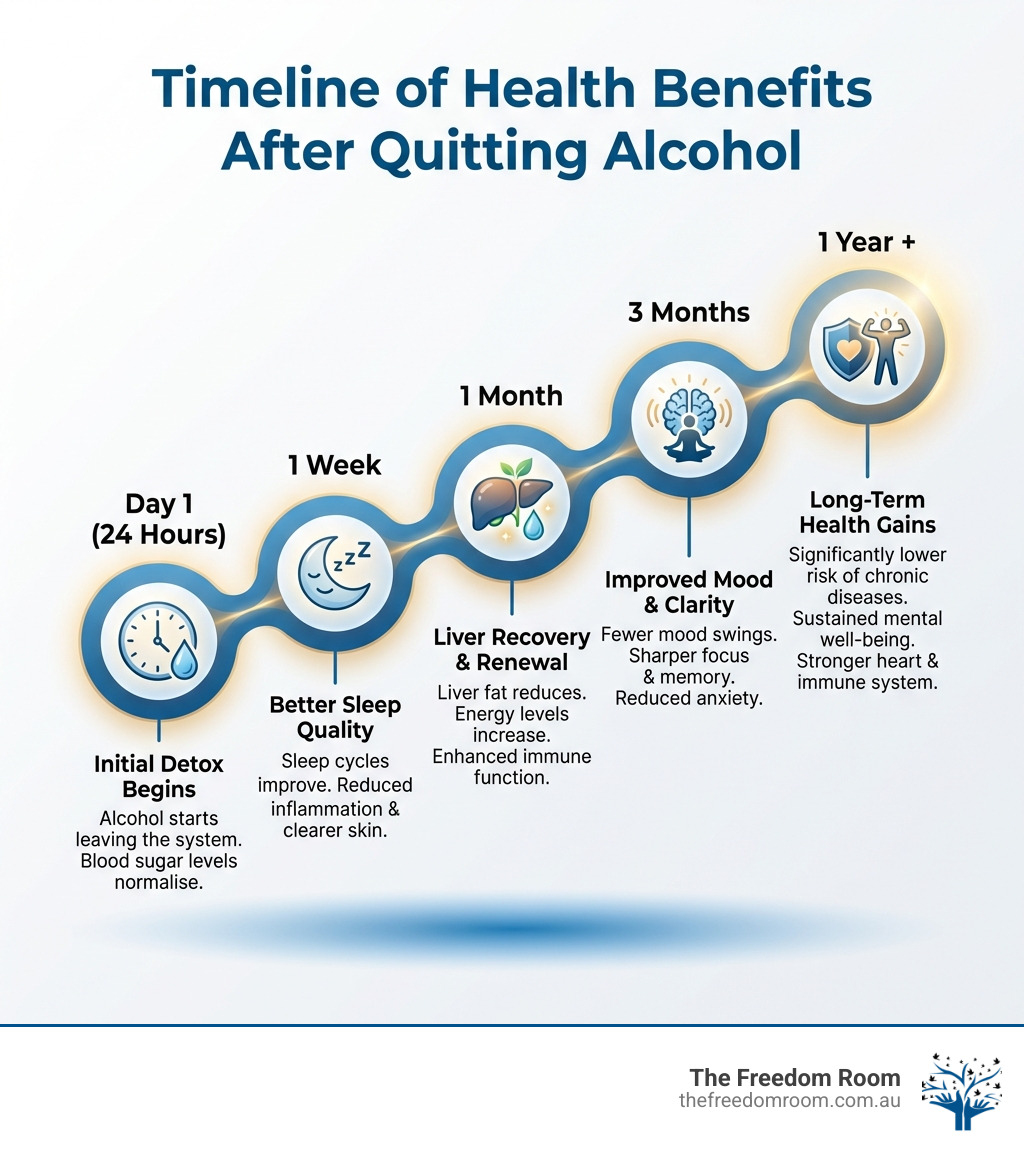
Choosing an alcohol-free path opens the door to a holistic sense of well-being. We often find that physical changes quickly lead to mental clarity and emotional stability. Reclaiming the time and energy once spent on drinking allows us to build more authentic connections and pursue passions with renewed vigour.
The Physical Perks of an Alcohol Free Life
When we remove alcohol from our lives, our bodies begin a remarkable journey of healing and improvement. The physical benefits can be felt almost immediately, and they continue to grow over time.
One of the most noticeable changes is often improved sleep quality. While alcohol might initially make us feel drowsy, it disrupts our sleep cycles, particularly REM sleep, preventing us from getting truly restorative rest. Eliminating it leads to deeper, more restful nights.
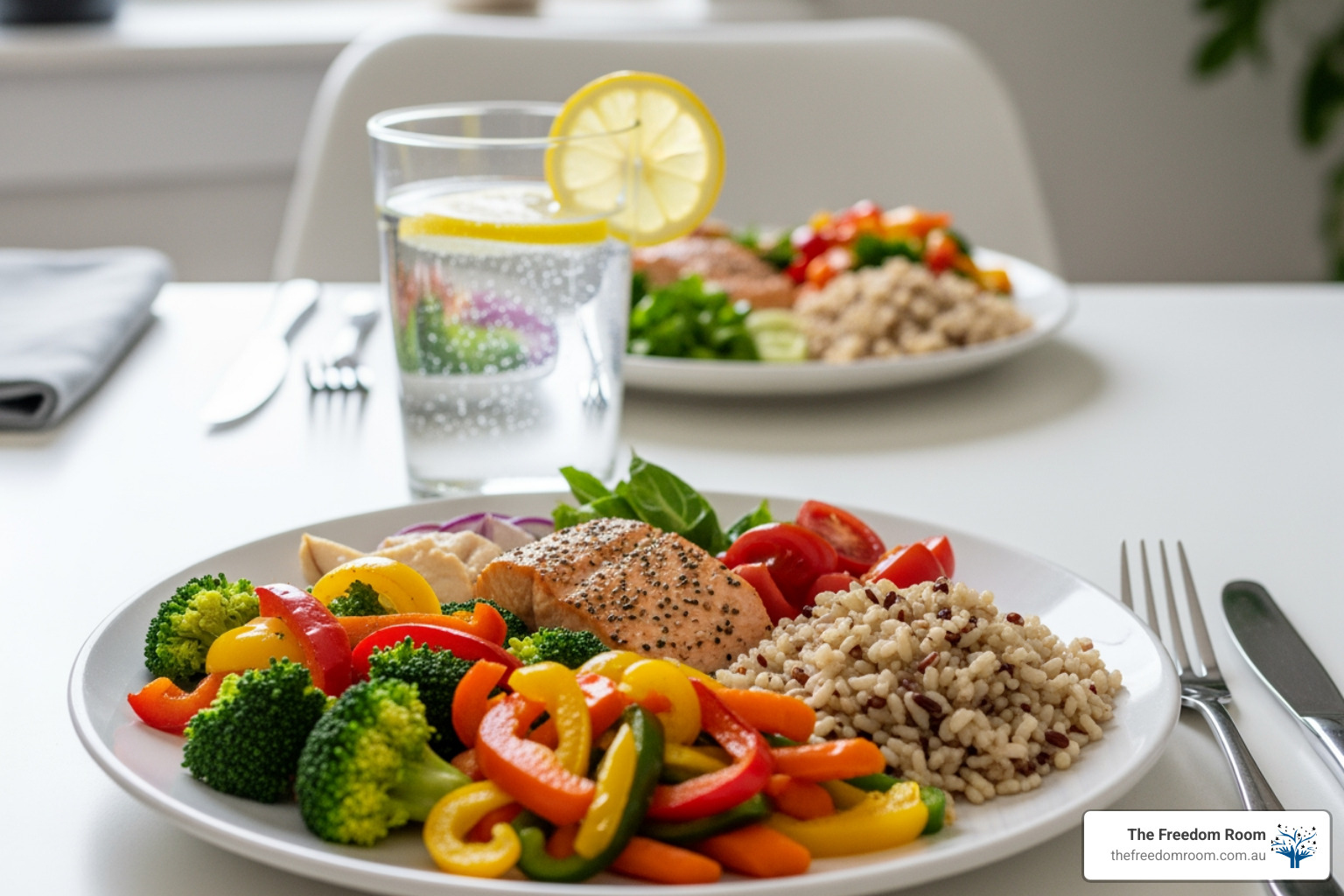
Many people also experience weight management benefits. Alcoholic beverages are often high in calories and sugar, contributing to unwanted weight gain. Cutting these “empty calories” naturally helps us manage our weight. Furthermore, alcohol is a diuretic, meaning it dehydrates the body. Better hydration from an alcohol free life contributes to healthier, more radiant skin.
Our vital organs also benefit significantly. The liver, responsible for filtering toxins, can begin to repair itself from alcohol-induced damage, often within weeks. Heart health improves as blood pressure lowers and the risk of high triglycerides, which can lead to fat accumulation in arteries, decreases. Our immune system strengthens, making us less susceptible to illness and better equipped to fight off infections. Over the long term, reducing or eliminating alcohol drastically lowers our risk of developing various cancers.
Here are some of the short-term physical benefits we can expect:
- Better Gut Health: After just two weeks, the gut lining begins to heal, reducing heartburn and bloating.
- Improved Skin: Less puffiness, fewer wrinkles, and a brighter complexion due to better hydration.
- Increased Energy: Waking up refreshed and having more energy throughout the day.
- Stabilised Blood Sugar: Alcohol can cause fluctuations, so abstinence helps regulate levels.
- Reduced Inflammation: Alcohol contributes to systemic inflammation, which decreases when we stop drinking.
To learn more about how we can support your journey towards holistic wellness, explore our wellness services.
Sharpened Mental and Emotional Health
Beyond the physical, an alcohol free life profoundly impacts our mental and emotional landscapes. Alcohol is a depressant, and while it might offer a temporary escape, it often exacerbates underlying anxiety and depression. Many people report experiencing “hangxiety” – a heightened sense of anxiety and dread after drinking. Eliminating alcohol helps to stabilise our moods and significantly reduces these feelings.
Our memory and concentration also see remarkable improvements. Alcohol impairs neuron communication, leading to short-term memory loss (blackouts) and potentially long-term structural brain changes. When we stop drinking, our mental clarity returns, improving focus, decision-making, and problem-solving abilities. We find our capacity for learning and retaining information greatly improved.
Initially, alcohol can trigger the release of feel-good hormones, but this is often followed by a rebound effect that can leave us feeling worse. An alcohol-free lifestyle allows our natural neurotransmitter balance to restore, leading to more consistent and genuine feelings of well-being. This shift helps us build greater emotional resilience, enabling us to cope with life’s challenges more effectively without relying on alcohol as a crutch.
For additional support in enhancing mental clarity and emotional resilience, we invite you to learn more about EFT and CBT therapy. These therapeutic approaches can provide valuable tools for navigating life’s complexities with a clear and balanced mind.
Navigating Your Transition to an Alcohol Free Life
Starting an alcohol free life is a journey that comes with its own set of challenges and triumphs. The concept of “sober curious” is a helpful starting point, encouraging us to mindfully reflect on alcohol’s role in our lives rather than making an all-or-nothing decision. It’s about exploring life without alcohol, evaluating our relationship with it, and making conscious choices that align with our well-being goals.

One of the biggest problems can be the social aspects. Our culture often intertwines socialising with drinking, leading to peer pressure or awkward situations when we choose not to partake. However, many Australians are now choosing to drink less or not at all, and young people are increasingly accepting of this.
Here are some practical tips for navigating social situations and making the transition easier:
- Plan Your Response: Have a simple, confident answer ready when offered a drink, like “No thanks, I’m not drinking tonight” or “I’m giving my liver a break.”
- Hold a Non-Alcoholic Drink: A mocktail, sparkling water with lime, or a non-alcoholic beer can help deter questions and offers.
- Inform Trusted Friends: Let your close friends know about your decision so they can offer support and help deflect pressure.
- Stay Busy: Engage in conversations, hit the dance floor, or focus on the food and activities at social gatherings.
- Explore New Hobbies: Fill the time previously spent drinking with engaging activities like exercise, creative pursuits, or spending time in nature.
- Experiment with Mocktails: Find the joy of crafting delicious non-alcoholic beverages. A Shirley Temple with tart cherry juice and orange, or a frozen Pina Colada with fresh pineapple and coconut milk, can be delightful. Many non-alcoholic beers, spirits, and wines are also available now.
It’s crucial to be aware of potential alcohol withdrawal symptoms. For light to moderate drinkers, symptoms might include irritability, shakiness, poor concentration, or difficulty sleeping. These usually pass within a few days.
However, for heavy drinkers or those with physical alcohol dependence, stopping suddenly can be dangerous. Withdrawal symptoms can be more severe, including:
- Trembling hands
- Sweating
- Headache
- Nausea and vomiting
- Heart palpitations
- In severe cases: convulsions, fever, and hallucinations
If you experience severe symptoms or suspect you have a physical dependence, it is vital to seek medical help immediately. Abrupt cessation for clinically dependent individuals can be life-threatening. Always consult a health professional before stopping if you are concerned about dependence. For more in-depth information, you can refer to resources like Clinical management of the alcohol withdrawal syndrome.
The experience of quitting alcohol varies significantly for light, moderate, and heavy drinkers. Light drinkers might primarily face social adjustments and a period of habit-breaking. Moderate drinkers may experience mild physical discomfort and more pronounced psychological cravings. Heavy drinkers or those with alcohol use disorder face the most significant challenge due to the risk of severe withdrawal symptoms and intense physical and psychological dependence. Professional medical support is often essential for this group to ensure a safe and successful detox.
We encourage you to recognise the signs that you might consider eliminating alcohol from your life. These could include:
- Experiencing frequent “hangxiety” or worsening mental health.
- Noticing physical health issues, such as poor sleep or digestive problems.
- Having strained relationships due to alcohol consumption.
- Struggling with performance at work or school.
- Finding yourself preoccupied with thoughts of drinking.
- Experiencing financial troubles related to alcohol spending.
- Engaging in frequent binge drinking (more than three drinks on one occasion for women, or four for men).
- Simply having a general interest in improving your overall health and well-being.
Taking a break, whether for a month or longer, can provide valuable insights into your relationship with alcohol and empower you to make informed decisions for your future.
Take the First Step Toward a Fulfilling, Alcohol-Free Life
Embracing an alcohol free life offers profound and lasting benefits for our physical health, mental clarity, and emotional well-being. From improved sleep and energy to a stronger immune system and sharper mind, the rewards are truly transformative. We believe in empowering you to make choices that lead to your best self.
This journey is about progress, not perfection. It’s about finding the unexpected joys of sobriety and building a life filled with authentic connections and purpose. At The Freedom Room, we understand the challenges and triumphs of this path because our team has lived experience in recovery. We offer compassionate, cost-effective alcohol addiction treatment through personalised sessions, workshops, and therapy, providing authentic support and empathy.
If you’re ready to explore an alcohol free life or need support in your recovery journey, we are here for you. Take that courageous first step towards a brighter, healthier future.