

What Addiction Peer Support Means for Your Recovery
Addiction peer support provides a connection to individuals with lived experience of recovery. These individuals, known as peer support workers, utilise their personal recovery journey to guide and encourage others.
The Foundation of Peer Support
Peer support is founded on the principle that interpersonal connection is integral to the recovery process. It offers a unique form of understanding that complements professional treatment by providing hope and authenticity. Research indicates that peer support improves treatment outcomes, reduces relapse rates, and increases engagement with recovery services.
Key Elements of Peer Support
Key elements of addiction peer support include:
- Guidance from individuals with lived experience of recovery
- Non-clinical assistance that complements professional treatment
- Empathy derived from a shared connection
- Practical advice for managing daily challenges
- Hope demonstrated through tangible, real-life examples
Availability in Queensland
In North Lakes and throughout Queensland, peer support is accessible through various channels, including health services, community organisations, mutual-aid groups, and online forums. Each option offers the significant benefit of reducing feelings of isolation.
An Integrated Approach to Recovery
The Freedom Room integrates evidence-based therapies with a genuine understanding of the emotional foundations of addiction. This approach recognises that lasting recovery requires both professional guidance and the connection of shared experience. For individuals beginning their recovery or working to maintain sobriety, peer support provides a valuable reminder that sustained change is achievable.
Understanding the Peer Support Worker’s Distinct Role
Peer support workers are people with lived experience of addiction and recovery. They offer non-clinical, confidential support, listening without judgment, sharing practical strategies, reinforcing therapy skills, and linking you with services, so you feel understood, empowered, and not alone.
The Professional Role of a Peer Worker
An addiction peer support worker is a trained professional who utilises their personal recovery journey to assist others. Their effectiveness is derived from a genuine understanding of the challenges and successes inherent in recovery, which helps to establish trust.
Responsibilities and Scope
Peer support workers provide non-clinical support focused on an individual’s goals. While not therapists, they function as mentors and guides, offering practical insights from their lived experience. Their responsibilities include helping individuals identify resources, develop coping strategies, and navigate the healthcare system, thereby empowering them to take an active role in their recovery. Evidence supporting the benefits of peer support in addiction treatment indicates it improves outcomes, reduces substance use, and fosters a sense of belonging.
Differentiating Peer Support from Clinical Roles
It is important to understand the complementary roles of peer workers and clinical counsellors.
A peer worker’s primary strength is their lived experience. They leverage this to foster hope and empower individuals through shared understanding. They offer practical guidance and emotional support but do not provide therapy or diagnose conditions.
An addiction counsellor, in contrast, is a clinically trained professional. They provide evidence-based treatments like Cognitive Behavioural Therapy (CBT), conduct assessments, and deliver structured therapy. Their role is founded on formal education and established clinical techniques.
Peer workers offer relational support, while counsellors provide clinical treatment. The two roles work together to create a comprehensive support system for sustained recovery.
More on our approach to addiction recovery
Settings for Peer Support
Addiction peer support is accessible in diverse settings across North Lakes and Queensland, meeting individuals where they are in their journey.
Support is available through community health centres, recovery organisations, and both inpatient and outpatient programs. It is also present in mutual-aid groups such as Alcoholics Anonymous and SMART Recovery, crisis services, and some correctional facilities. For individuals who prefer remote access, digital platforms and online forums provide accessible communities for sharing experiences and receiving encouragement. This variety ensures that individuals can find a support modality that aligns with their specific needs and preferences.

The Core Principles of Effective Addiction Peer Support
Guiding Principles for Support
Effective addiction peer support is constructed upon a foundation of core principles that guide every interaction. These values establish an environment where individuals feel understood, valued, and capable of achieving lasting recovery. Key principles include instilling hope by demonstrating that recovery is achievable and fostering empowerment by helping individuals recognise their own strengths.
A Person-Centred Framework
Support is person-centred and respects an individual’s self-determination, acknowledging them as the primary authority on their own life. The approach is also strength-based, focusing on existing capabilities, and trauma-informed, ensuring all interactions are sensitive and safe. These principles combine to foster a partnership built on mutual respect, creating a positive foundation for the recovery journey in North Lakes and throughout Queensland.
Explore your recovery journey support options
Foundational Values in Addiction Peer Support
Specific values guide the work of peer support workers, ensuring the support provided is ethical, respectful, and constructive. These values build the trust necessary for honest and meaningful conversations. Core values for peer workers include the following.
Authenticity and honesty involves sharing experiences openly to build trust.
Respect for individual journeys means honouring each person’s unique path and pace.
Commitment to confidentiality creates a secure space where shared information is protected.
Advocacy for client needs involves helping to ensure an individual’s voice is heard within the health system.
Encouragement of independence consists of providing tools and confidence for individuals to manage their own recovery.
These values ensure the relationship remains helpful and appropriate, fostering the empowerment essential for recovery.
The Power of Shared Lived Experience
Shared lived experience is the fundamental differentiator of addiction peer support. A connection with someone who has navigated similar challenges can immediately reduce feelings of isolation and normalise emotions that may otherwise be perceived as shameful or distressing.
This connection instils a powerful, tangible sense of hope. Observing an individual who is thriving in recovery offers concrete evidence that a fulfilling life beyond addiction is attainable. Peer workers also model recovery behaviours, demonstrating practical methods for coping with cravings, managing stress, and building healthy relationships. These authentic connections provide a template for positive, supportive interactions, assisting individuals in developing the social skills and support networks vital for sustained recovery.
Learn about healthy relationships in recovery
Types of Peer Support in North Lakes and Queensland
In North Lakes and throughout Queensland, addiction peer support is available in various formats, enabling individuals to select the most suitable option for their circumstances. Support modalities range from structured, formal programs to informal, community-led gatherings.
Formal and Informal Support Networks
Formal peer support involves trained and often certified peer workers employed by health services or recovery organisations. They provide structured, one-on-one or group support that complements clinical treatment and adheres to professional ethics.
Informal peer support operates through volunteer-driven, community-led groups. These include mutual-aid organisations such as Alcoholics Anonymous, Narcotics Anonymous, and SMART Recovery, which hold regular meetings in the North Lakes area. Online support communities also offer flexible and anonymous peer connection.
Finding Local Addiction Peer Support
Accessing addiction peer support in North Lakes can be achieved through several methods. The following pathways can help individuals connect with necessary support:
- Consult a GP: A general practitioner can provide referrals to local peer support programs and recovery organisations.
- Contact Queensland Health: Local health services frequently integrate peer workers into their substance use programs.
- Review local directories: The Moreton Bay Regional Council website and community centres list local support services.
- Perform an online search: Using terms such as “support groups North Lakes” can locate local meetings and online communities.
- Engage with recovery organisations: State-wide organisations can provide direction to resources in the local area.
Exploring different options is a standard part of establishing a suitable support network.
Information on alcohol addiction support groups
Integrating Peer Support with Professional Therapies
The combination of addiction peer support with professional therapies creates a robust, integrated approach to recovery. This model provides both clinical expertise and the authentic understanding that comes from lived experience, offering comprehensive support for lasting change.
Peer support enhances professional treatment by bridging the gap between therapy sessions and daily life. A peer worker can demonstrate the application of therapeutic skills in real-world situations, offering encouragement and accountability. This combined approach addresses multiple dimensions of wellbeing, including clinical symptoms and social connection.
The Synergy of Professional and Addiction Peer Support
At The Freedom Room, we integrate evidence-based therapies with the authentic understanding derived from lived experience. The professional team provides both clinical expertise and genuine empathy in all interactions.
Cognitive Behavioural Therapy (CBT) assists individuals in identifying and modifying unhelpful thinking patterns and behaviours that contribute to substance use. It provides techniques for challenging distorted thoughts and developing balanced perspectives, which builds confidence in the ability to manage difficult emotions.
Emotional Freedom Techniques (EFT), also known as tapping, is a tool for processing the emotional components of addiction, such as stress and trauma. The technique of tapping on specific acupressure points sends calming signals to the brain, which can help reduce feelings of overwhelm and promote emotional regulation.
When integrated with addiction peer support, the efficacy of these therapies is enhanced. A peer worker can share personal examples of applying CBT principles or using EFT to manage cravings, which can make the strategies seem more practical and attainable.
Discover our EFT and CBT therapy services
Building a Comprehensive Recovery Plan
An effective recovery plan is holistic, addressing physical and mental health, relationships, and community connections. The Freedom Room collaborates with clients to develop a personalised plan that combines clinical expertise with peer support.
This comprehensive approach includes individualised goal setting, skill development for emotional regulation and communication, and assistance with resource navigation. Where appropriate, it can also involve family members to help rebuild relationships and establish healthy boundaries. A well-structured plan ensures ongoing support beyond formal treatment, which is crucial for long-term recovery. The combination of professional guidance with the power of shared experience facilitates the development of a robust support system for lasting wellness.
Guidance on post-rehabilitation support
The Role of Peer Support in Recovery
Summary of Peer Support Benefits
Initiating the recovery process is a significant step that does not need to be undertaken in isolation. Addiction peer support in North Lakes provides a valuable connection to individuals with direct experience of recovery.
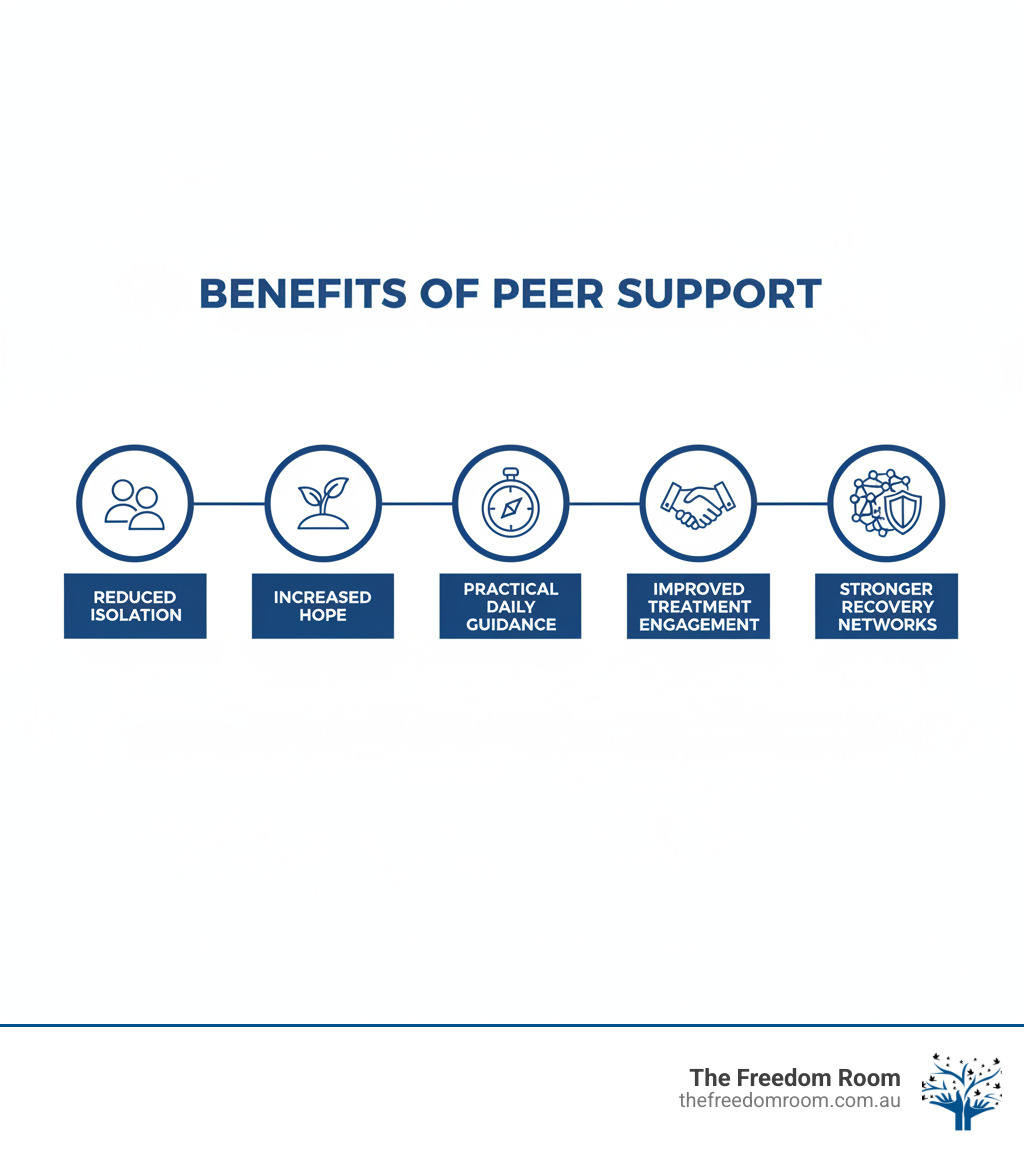
This form of support reduces isolation, instils hope, and offers practical guidance. When integrated with professional therapies, it creates a comprehensive approach that addresses both the clinical and personal dimensions of recovery. A supportive community exists in North Lakes and across Queensland, with accessible options available to facilitate change.
Professional and Lived Experience Integration
At The Freedom Room, our approach is founded on the authenticity of lived experience. This genuine empathy is combined with evidence-based therapies to provide compassionate and effective support. Recovery is more attainable when individuals are supported by a network that understands the challenges involved.
Taking the Next Step
A fulfilling, alcohol-free life is an achievable goal. We encourage individuals to seek support by engaging with professional guidance and the powerful connection of shared experience. For more information on available services, please refer to the resources provided.
Explore our alcohol addiction support services
Frequently Asked Questions about Addiction Peer Support in North Lakes
What is the difference between a peer support worker and a sponsor?
A peer support worker is a trained professional, often employed by a health service, who utilises their lived experience to provide structured, non-clinical support. They adhere to a professional code of ethics and assist with goal setting, resource navigation, and advocacy.
In contrast, a sponsor is a volunteer within a mutual-aid program such as Alcoholics Anonymous. They use their experience to guide another person through the program’s steps in an informal capacity. The primary distinction is that a peer worker holds a formal, professional role, whereas a sponsor serves in an informal, volunteer role within a specific program.
Is addiction peer support confidential?
The nature of confidentiality in addiction peer support is contingent upon the setting.
In formal settings, peer workers employed by organisations like The Freedom Room are bound by strict privacy policies and professional ethics. Any limits to confidentiality, such as mandatory reporting requirements related to risk of harm, are explained at the outset of the service.
In informal settings, mutual-aid groups operate on group agreements to respect privacy. Although not legally binding, this principle is a cornerstone of trust within the group. It is advisable to clarify the specific confidentiality policies at the beginning of any peer support engagement.
How can I access peer support in the North Lakes area?
Access to addiction peer support in the North Lakes area can be obtained through several channels:
- Request a referral from a GP (General Practitioner) to local peer support programs or recovery organisations.
- Contact Queensland Health services in the Moreton Bay region, as many have integrated peer workers.
- Conduct an online search for local mutual-aid groups using terms like “AA meetings North Lakes” or “SMART Recovery North Lakes.”
- Engage with recovery-focused organisations in Queensland for information on local services.
- Consult local community centres in North Lakes for information regarding recovery meetings.