

Understanding the 12 Steps Program: A Foundation for Recovery
A 12 steps program is a structured, mutual aid approach to addiction recovery, originating with Alcoholics Anonymous in the 1930s. It guides individuals through principles such as admitting powerlessness over addiction, seeking support from a Higher Power open to individual interpretation, honest self-examination, making amends, and helping others in recovery.
Key aspects of the 12 steps program:
- Origin: Developed by Alcoholics Anonymous in 1938, now adapted by over 200 mutual aid organisations worldwide
- Core principles: Surrender, acceptance, self-examination, making amends, and spiritual growth
- Structure: 12 sequential steps progressing from admission of powerlessness to carrying the message to others
- Support system: Peer-led meetings, sponsorship relationships, and fellowship based on shared experience
- Accessibility: Free meetings available globally, with millions participating in recovery fellowships
- Effectiveness: Research shows participation is associated with a greater likelihood of abstinence and improved psychosocial functioning
Nearly half of addiction treatment centres in Australia and worldwide incorporate 12-step models. The approach addresses the physical, mental, and spiritual dimensions of addiction through personal accountability, peer support, and ongoing practice of recovery principles.
The program requires active participation, honest self-reflection, and commitment. While it has a spiritual component, the concept of a “Higher Power” is individually defined and can be secular, religious, or the collective strength of the recovery community.
An understanding of these principles can help individuals determine whether a 12-step program, used independently or in conjunction with professional treatment, is an appropriate path for their recovery.
The Core of the 12 Steps Program: Principles and Process
The 12 steps program is a globally recognised framework for addiction, first established by Alcoholics Anonymous (AA). Originating in the 1930s, its founders, Bill Wilson and Dr. Bob Smith, developed a spiritual and practical approach to sobriety. The program has since inspired over 200 mutual aid organisations, adapting its principles for various addictions and compulsions.
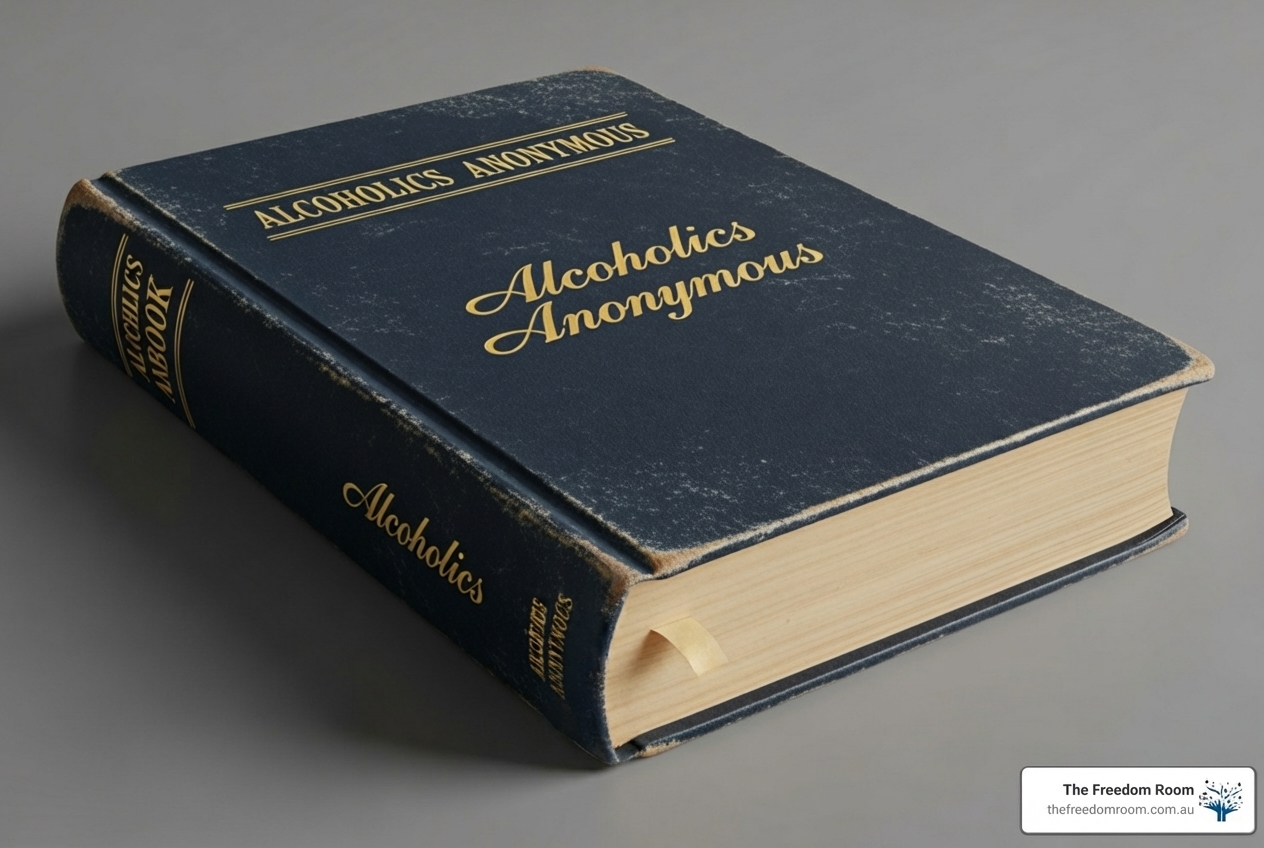
The 12-step approach is built on core philosophies of surrender, acceptance, self-examination, and making amends. It encourages individuals to acknowledge their powerlessness over addiction and seek support. The journey addresses the physical, mental, and spiritual dimensions of addiction, fostering a holistic path to recovery and guiding individuals toward a new way of life.
What are the 12 Steps?
The Twelve Steps of Alcoholics Anonymous are the foundation of this recovery model. They provide a sequential path for personal growth and healing, designed to be worked through with a sponsor to achieve lasting sobriety. Each step builds on the last, guiding individuals from admitting powerlessness to a life of service and ongoing self-reflection.
Here are the 12 Steps of Alcoholics Anonymous:
- We admitted we were powerless over alcohol: that our lives had become unmanageable.
- Came to believe that a Power greater than ourselves could restore us to sanity.
- Decided to turn our will and our lives over to the care of God as we understood Him.
- Made a searching and fearless moral inventory of ourselves.
- Admitted to God, to ourselves, and to another human being the exact nature of our wrongs.
- Were entirely ready to have God remove all these defects of character.
- Humbly asked Him to remove our shortcomings.
- Made a list of all persons we had harmed, and became willing to make amends to them all.
- Made direct amends to such people wherever possible, except when to do so would injure them or others.
- Continued to take personal inventory,, and when we were wrong promptly admitted it.
- Sought through prayer and meditation to improve our conscious contact with God as we understood Him, praying only for knowledge of His will for us and the power to carry that out.
- Having had a spiritual awakening as the result of these steps, we tried to carry this message to alcoholics and to practice these principles in all our affairs.
Though originally for alcohol addiction, these steps have been widely adapted. The concept of a “Higher Power” is intentionally broad, allowing personal interpretation. It can be a traditional deity, nature, the universe, or the group’s collective strength. Further information on each step is available through The Freedom Room.
How the 12 Steps Facilitate Recovery
The 12 steps program facilitates recovery through a structured, holistic approach that encourages profound change.
- Psychological Change: The initial steps foster acceptance and surrender by admitting powerlessness and seeking a Higher Power. This shift from self-reliance to seeking help is crucial for breaking the addiction cycle.
- Emotional Healing: Steps involving a moral inventory and making amends promote deep self-reflection. Admitting wrongs and repairing relationships can release guilt and shame, which are common relapse triggers.
- Spiritual Growth: Later steps focus on improving one’s conscious contact with a Higher Power, leading to a renewed sense of purpose, inner peace, and an ethical framework for life.
- Behavioural Modification: The consistent practice of principles like ongoing personal inventory (Step 10) and helping others (Step 12) helps correct destructive patterns and reinforces positive behaviours.
- Peer Support: The community reduces isolation by providing a network for accountability and encouragement. Sharing experiences with others who have similar backgrounds provides a powerful buffer against relapse.
The Role of Sponsorship and Community
A sponsor is a cornerstone of the 12 steps program. This is an experienced, sober member who guides a newer member (sponsee) through the steps. The relationship is a peer-to-peer mentorship based on shared experience, not professional therapy. A sponsor offers guidance on the steps and literature, provides a safe space for honest reflection, and fosters accountability.
Beyond sponsorship, the broader 12-step community is essential. Regular meetings offer a safe, anonymous environment to share struggles and successes without judgment. This fellowship reduces isolation and builds a network of mutual support. Consistent involvement is linked to better outcomes, and the principle of anonymity protects members from public stigma, ensuring principles are placed before personalities.
Navigating Your Recovery Journey
Embarking on a recovery journey is a significant personal undertaking. Understanding the various available pathways is crucial, as the most suitable approach is highly individualised. A person’s path to long-term recovery is unique, shaped by their experiences, beliefs, and goals.

A process of self-assessment and open-mindedness is beneficial when exploring these options. Integrating different approaches can often lead to the most comprehensive and sustainable recovery.
Is a 12 Steps Program Right for You?
Determining the suitability of a 12 steps program involves honest self-assessment. Attending several meetings can help an individual ascertain if the environment aligns with their beliefs and needs. The “Higher Power” concept is flexible and can be interpreted in a non-religious way, such as the group’s collective strength.
Many treatment centres integrate 12-step facilitation into a broader professional treatment plan. This approach combines the program’s peer support with clinical guidance. For those with co-occurring mental health conditions, specialised groups like Dual Recovery Anonymous may be more suitable.
The 12-step program is a mutual aid approach that complements, not replaces, professional treatment. Individuals may wish to explore how professional support can work in conjunction with community programs. Alternatives like SMART Recovery also exist, offering a secular, science-based approach focused on self-management.
Effectiveness and Considerations of the 12 Steps Program
The effectiveness of the 12 steps program is supported by extensive research. A 2020 Cochrane review found that Alcoholics Anonymous (AA) participation led to higher rates and longer periods of abstinence compared to some professional therapies like CBT. Participation is consistently linked to a greater likelihood of abstinence and improved psychosocial functioning.
Despite its benefits, there are considerations.
- Some find the spiritual emphasis challenging, though the “Higher Power” concept is flexible.
- The lack of professional oversight is a critique, as confidentiality is a group norm, not a legal mandate like in therapy.
- The principle of admitting powerlessness can be a barrier for those who prefer models emphasising personal control, such as SMART Recovery.
- While some studies note potential cultural stigma, culturally appropriate adaptations of the program exist, showing its flexibility.
Suitability ultimately depends on individual needs and beliefs.
The 12 Traditions: Ensuring Group Unity
While the Twelve Steps guide personal recovery, the Twelve Traditions provide principles for group function and unity. Established in 1946, they ensure the fellowship’s primary purpose, to carry the message to others, is maintained. These traditions are the collective wisdom that protects the program’s integrity.
The Twelve Traditions cover key areas:
- Unity: The group’s common welfare comes first.
- Leadership: Leaders are trusted servants, not governors.
- Membership: The only requirement is a desire to stop the addictive behaviour.
- Autonomy: Each group is autonomous but considers the impact on the wider fellowship.
- Primary Purpose: The core mission is to help others who still suffer.
- Non-endorsement: Groups do not endorse outside enterprises.
- Self-Support: The fellowship is funded by voluntary member contributions only.
- Non-professionalism: Support is peer-based, not professional therapy.
- Organisation: The fellowship avoids formal, hierarchical organisation.
- Neutrality: The fellowship has no opinion on outside issues.
- Public Relations: Attraction rather than promotion is the policy, maintaining personal anonymity at the public level.
- Anonymity: This is the spiritual foundation, placing principles before personalities.
These Traditions keep groups focused on their mission, providing a safe and effective recovery environment.
Take the First Step Toward a Fulfilling, Alcohol-Free Life
Embarking on the path to recovery is a significant and life-changing decision. A combination of approaches, including 12 steps programs and professional treatment, can be structured to support this process. Recovery is a lifelong journey of continuous growth, self-discovery, and the support of a compassionate community.
At The Freedom Room, personalised, cost-effective alcohol addiction treatment is provided. The team, many with lived recovery experience, offers authentic support and empathy, guiding individuals towards a healthier, alcohol-free future. The approach blends evidence-informed guidance with practical strategies, encouraging progress over perfection.
For individuals in Strathpine, QLD, or the surrounding areas who are ready to explore recovery options, information is available. Support for a lasting, successful recovery can be found by exploring available services. Further information regarding affordable addiction treatment services is accessible to help individuals begin their journey today.