
Understanding the Role of Cognitive Behavioural Therapy in Addiction Recovery
CBT and addiction recovery are fundamentally linked through a structured therapeutic framework designed to assist individuals in identifying and modifying the maladaptive thought patterns and behaviours that underpin substance use disorders. This evidence based intervention operates on the premise that an individual’s beliefs directly influence their actions. By systematically examining these cognitive connections, individuals can cultivate sophisticated coping mechanisms to navigate life’s complexities without recourse to illicit substances or alcohol. The Australian Psychological Society recognises this modality as a primary treatment for various psychological conditions, including substance dependence.
Core Components of CBT in the Context of Addiction Recovery:
- Functional Analysis: This involves a comprehensive assessment of the triggers, high risk environments, and interpersonal patterns that precipitate substance use.
- Cognitive Restructuring: This process requires the identification and replacement of irrational or unhelpful beliefs, such as the erroneous justification that substance use is a necessary reward for managing daily stressors.
- Skills Training: This component focuses on the acquisition of practical strategies, including refusal skills, assertive communication, and advanced emotion regulation techniques.
- Relapse Prevention: This involves the formulation of a detailed plan to identify early warning signs and implement effective responses to cravings.
- Behavioural Strategies: This includes the establishment of alternative prosocial activities and the reinforcement of sober behaviours to facilitate long term lifestyle changes.
Clinical protocols for this therapy typically encompass a duration of 12 to 16 weeks, during which measurable improvements in the frequency and quantity of substance use are observed. Beyond the cessation of substance use, the therapy enhances overall psychological wellbeing by equipping individuals with versatile tools applicable to various life domains. This structured timeframe provides a supportive environment for the rigorous practice of new cognitive skills.
Data from the Australian Institute of Health and Welfare indicates that approximately 7.7 percent of Australian adults experience a substance use disorder annually. The cycle of dependence is often perpetuated by a feedback loop where stress triggers substance use, providing transient relief while simultaneously exacerbating physiological and psychological dependence. This cycle frequently results in heightened levels of cortisol and chronic shame, necessitating professional intervention to achieve a sustainable recovery.
Cognitive Behavioural Therapy effectively disrupts this cycle by addressing the intersection of thoughts, emotions, and behaviours. Rather than categorising addiction as a moral deficiency, this clinical approach views it as a learned behavioural pattern. Consequently, these patterns can be unlearned through the application of evidence informed skills and professional support. The efficacy of this approach is supported by extensive research, demonstrating that it produces significant improvements in psychosocial outcomes, including enhanced self efficacy and functional adjustment in daily life. This therapy is highly adaptable and remains effective for alcohol, cannabis, stimulants, and opioids, whether delivered in individual or group settings across metropolitan and regional Australia.
The Clinical Science and Application of CBT in Addiction Recovery
Cognitive Behavioural Therapy serves as a primary pillar of evidence based practice within the Australian healthcare sector. It is predicated on the clinical principle that psychological distress and physical dependence on alcohol or other substances are maintained by cognitive distortions. These learned patterns of unhelpful behaviour are modified through consistent clinical practice and expert guidance. By maintaining a focus on present circumstances rather than historical events, clinicians assist individuals in developing the necessary competencies to manage their lives independently of substances. This approach aligns with the standards set by Healthdirect Australia, ensuring that treatment is both safe and effective.
The clinical utility of this modality is extensively documented. Systematic reviews suggest that approximately 94 percent of accredited treatment facilities in developed nations employ these techniques. This high rate of adoption is attributed to the structured and goal oriented nature of the therapy, which facilitates the tracking of progress through objective recovery milestones. To maintain the highest standard of care, practitioners adhere to established clinical guidelines, such as those detailed in the Scientific research on Tolin Criteria. This resource serves as a manual for the evaluation of psychological treatments based on rigorous scientific evidence.
Empirical Validation and the Tolin Criteria
The Tolin Criteria represent a stringent methodology used to determine the empirical support of a treatment. In recent clinical evaluations, CBT and addiction recovery received a strong recommendation, a status reserved for interventions that demonstrate reproducible benefits across multiple high quality clinical trials. A systematic review of five major meta-analyses confirms that this therapy is a robust standalone treatment for substance use disorders. While the quality of evidence is often classified as moderate due to the inherent complexities of addiction research, the consistent positive outcomes across diverse clinical settings reinforce its validity. Further details regarding these recommendations are available in the Scientific research on CBT meta-analysis.
Quantifying Clinical Success: Effect Sizes
In clinical psychology, success is often quantified through effect sizes, which measure the magnitude of the treatment’s impact. Research indicates that this therapy yields medium effect sizes during early follow up periods, typically defined as one to six months post treatment. Specifically, studies have identified effect sizes of g=0.58 for the frequency of use and g=0.67 for the quantity of substances consumed when compared to minimal interventions. These effects are most pronounced immediately following the completion of a structured programme. Although effect sizes may show a slight decrease over extended periods, the therapy remains highly competitive with other active treatments. Comprehensive data on these outcomes can be reviewed in the Scientific research on psychosocial interventions.
Efficacy Across Diverse Substance Categories
A significant advantage of this approach is its broad applicability across various types of dependencies. This versatility is particularly relevant in the Australian context, where polydrug use is frequently observed. The following substances have shown significant responsiveness to these interventions:
- Alcohol: Research such as Project MATCH demonstrates substantial reductions in drinking frequency and volume.
- Cannabis: Therapy assists in managing cravings and the social triggers associated with chronic use.
- Cocaine and Stimulants: High efficacy is noted in establishing and maintaining long term abstinence.
- Opioids: This therapy is often utilised as an adjunct to medication assisted treatment to improve functional outcomes.
- Polydrug Use: The modular nature of the therapy allows for the simultaneous addressing of multiple substances by focusing on shared underlying triggers.
For a detailed analysis of how these effects vary by substance, refer to the Scientific research on alcohol and drug meta-analysis.
Psychosocial Outcomes and Emotional Regulation
Recovery encompasses more than the cessation of substance use, it involves the restoration of a functional and fulfilling life. This therapy focuses heavily on psychosocial outcomes, including stress management, self efficacy, and social adjustment. By teaching emotion regulation, clinicians help individuals navigate life’s volatility without returning to alcohol or drugs. Cognitive restructuring allows for the identification of distortions that lead to lapses. For instance, replacing the belief that one cannot cope with stress without a drink with the realisation that one possesses the skills to manage stress is a critical step toward independence. Research suggests that the large effect sizes seen in psychosocial adjustment are vital for preventing long term relapse, as detailed in the Scientific research on emotion outcomes.
Delivery Formats: Individual, Group, and Digital
These services are designed for delivery in multiple formats to accommodate diverse needs. Individual therapy provides a confidential and personalised environment for exploring specific triggers. Group therapy offers a supportive community, allowing individuals to learn from peers facing similar challenges. Furthermore, technology assisted options such as CBT4CBT have emerged as effective tools, increasing accessibility for those in regional or remote areas of Australia. The shift toward digital mental health is supported by the Australian Government Department of Health and Aged Care. Whether delivered in person at our Strathpine facility or via digital platforms, the core elements of functional analysis and skills training remain consistent. We invite you to Contact Us to discuss the most appropriate format for your requirements.
Integration with Holistic Recovery Frameworks
While this therapy is a powerful standalone intervention, it is often most effective when integrated into a comprehensive recovery plan. This may include Motivational Interviewing to enhance readiness for change or Contingency Management to provide reinforcement for early abstinence. Many individuals also present with co-occurring mental health conditions, such as anxiety or depression. This therapy is uniquely suited for such cases, as the cognitive tools used for addiction are often effective for mood disorders. Community based support and wellness workshops further enhance the gains achieved in clinical sessions, creating a robust environment for sustained success.
Professional Pathways Toward Recovery: Establishing a Foundation for Long Term Sobriety
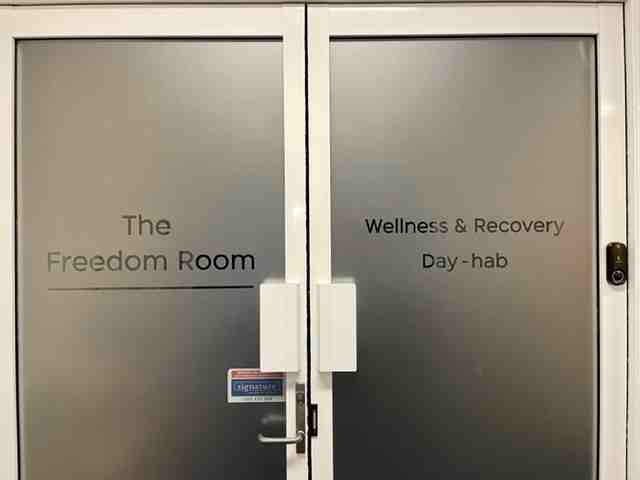
At The Freedom Room, we recognise that lived experience is a profound asset in the recovery process. Our professional team includes individuals who have successfully navigated the complexities of recovery, providing a unique level of authentic empathy and insight. We integrate this personal understanding with evidence informed CBT and addiction recovery techniques to deliver compassionate and professional care. Our commitment is to provide cost effective and personalised sessions that align with the individual needs of our clients.
Our clinical approach is non-judgmental and emphasises incremental progress. We aim to assist individuals in building a life that does not require substances as an escape. For those residing in Strathpine or the wider Queensland region, we offer a structured path toward clarity and health. We encourage individuals to take the initial step toward a stronger, alcohol free future by engaging with our professional services. Further information regarding our mission and the specific interventions we offer can be found at The Freedom Room. Our services are designed to meet the standards of the Queensland Health framework, ensuring high quality care for all participants.
Frequently Asked Questions
What is the typical duration of a CBT programme for addiction recovery?
A standard course of Cognitive Behavioural Therapy generally consists of 12 to 16 weekly sessions. However, the duration is often customised based on the individual’s specific needs and the presence of any co-occurring mental health conditions. Some individuals may require a more intensive initial phase, while others may benefit from ongoing maintenance sessions to reinforce their coping skills and prevent relapse over the long term.
Can CBT be effective if previous therapeutic interventions have failed?
Yes, this therapy is frequently successful for individuals who have not found success with other modalities. Its focus on practical skill building and the present moment provides a structured framework that may have been absent in previous treatments. It is highly compatible with other support systems, including 12 step programmes and community based peer support groups, making it a versatile component of a comprehensive recovery strategy.
What are the costs and potential rebates for CBT services in Australia?
We strive to provide accessible and cost effective treatment options. In Australia, individuals may be eligible for Medicare rebates for psychological services through the Medicare Benefits Schedule (MBS). This typically requires a Mental Health Treatment Plan, which can be obtained from a General Practitioner. We recommend consulting with your healthcare provider or our administrative team to discuss your eligibility and any out of pocket expenses.
How does CBT specifically assist in the prevention of relapse?
Relapse prevention is a fundamental element of this therapeutic approach. Clinicians work with individuals to identify high risk situations and develop a comprehensive toolbox of strategies to manage them. This includes the development of refusal skills and techniques for managing intense cravings. Individuals also learn how to view a lapse as a learning opportunity rather than a failure, allowing them to implement corrective actions before a full relapse occurs.
Is this therapy appropriate for all types of substance use disorders?
Cognitive Behavioural Therapy has a robust evidence base for a wide range of substances, including alcohol, cannabis, stimulants, and opioids. It is also effective for addressing problematic behavioural patterns. The specific techniques used are adapted to address the unique triggers and cognitive distortions associated with the particular substance or behaviour in question, ensuring a tailored clinical approach.
What is the process for commencing treatment at The Freedom Room?
The process begins with a professional consultation to discuss your recovery goals and address any concerns. This initial assessment helps us determine the most effective path forward for your journey in Strathpine. You can find our contact details and further information on our website to initiate the intake process today.