

The Essential Role of Coping Skills in Lasting Recovery
Defining Coping Skills for Addiction
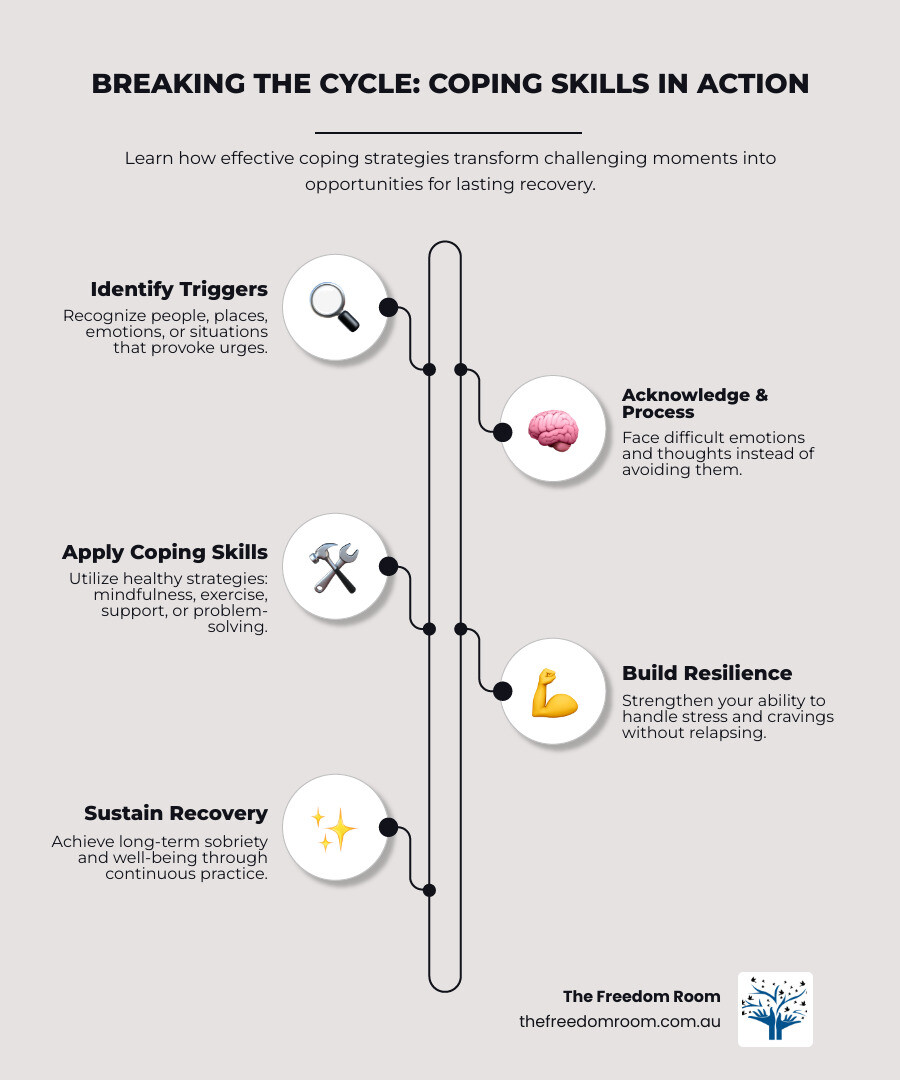
Coping skills for addiction are the practical tools and strategies that enable individuals to manage stress, triggers, and difficult emotions without resorting to substance use. These skills establish the foundation for successful, long-term recovery by systematically replacing unhealthy behavioural patterns with positive, constructive alternatives.
Core Coping Strategies
Essential coping skills for addiction recovery include:
- Trigger Identification: Recognising the people, places, emotions, and situations that lift the risk of relapse.
- Stress Management: Utilising relaxation techniques, physical exercise, and mindfulness to handle daily pressures.
- Support Network Development: Connecting with sober friends, family members, and established recovery communities.
- Healthy Routine Implementation: Establishing consistent sleep, nutrition, and self-care practices.
- Emotional Processing: Developing the capacity to experience difficult feelings without using substances to numb them.
- Problem-Solving Skills: Addressing challenges directly rather than avoiding them through substance use.
The Importance of Skill Development in Relapse Prevention
Research indicates that 40-60% of individuals in recovery may experience a relapse. The development of strong coping skills significantly mitigates this risk by providing effective alternatives for managing life’s challenges.
The transition from addiction to recovery is not a matter of willpower alone; it is a process of learning new methods to cope with the same situations that previously led to substance use. By developing effective coping strategies, individuals are not merely abstaining from substances but are also building a comprehensive framework for navigating life’s complexities with greater confidence and resilience.
Recovery is fundamentally about replacing destructive patterns with life-affirming ones. Each individual’s journey is distinct, and the optimal combination of skills will vary. The primary objective is to identify the strategies that best support a personal path to lasting sobriety.
Understanding Triggers: The First Step to Effective Coping
The Critical Role of Trigger Identification
Understanding and identifying personal triggers is a crucial first step in developing effective coping skills for addiction. Relapse is seldom a sudden event; it is typically a process that unfolds over time, beginning with thoughts and behaviours that precede substance use. By recognising these early warning signs, it is possible to intervene before a full relapse occurs.
The process of identifying triggers involves careful self-reflection, often supplemented by journaling to track patterns between emotions, situations, and the urge to use. A powerful tool for this self-assessment is the HALT acronym: Hungry, Angry, Lonely, Tired. When experiencing intense cravings or a sense of vulnerability, evaluating whether these states are present can reveal underlying needs that, if addressed, may diffuse the urge to use substances.
Emotional and Internal Triggers
Emotional and internal triggers are personal feelings or states that can provoke the desire to use substances. These can include a wide range of uncomfortable emotions such as stress, anxiety, anger, sadness, frustration, and boredom. For many, addiction originates as an attempt to cope with or escape these difficult feelings.
Physical discomfort, such as chronic pain or withdrawal symptoms, can also act as a powerful internal trigger. Additionally, co-occurring mental health conditions like depression or anxiety often fuel substance use, as individuals may self-medicate to find temporary relief. Learning to process these emotions, rather than suppressing them, is a vital component of recovery.
Environmental and External Triggers
Environmental and external triggers are elements in an individual’s surroundings that are reminiscent of past substance use. These can include specific people associated with past use, particular places or neighbourhoods where substances were consumed, or even objects and paraphernalia. Social events where alcohol or drugs are present, such as parties or family gatherings, can also pose a significant risk.
Peer pressure, whether direct or perceived, is another common external trigger, particularly for young adults. High-risk situations are those where exposure to substances or old usage patterns is likely. Recognising and planning for these external triggers allows for the development of proactive strategies to avoid them or steer them safely.
More on stress and addiction recovery.
Building a Recovery Toolkit: Essential Coping Skills for Addiction
Following the identification of triggers, the next step is to develop a personal set of recovery strategies. Coping skills for addiction are essential tools that help individuals steer life’s challenges without resorting to substances. Just as different situations require different tools, recovery necessitates a variety of strategies to handle diverse circumstances.
Coping skills can be organised into three main categories: problem-focused skills that alter a situation, emotion-focused skills that help manage one’s inner state, and cognitive skills that reshape thought processes. A key aspect of recovery is identifying the combination of skills that is most effective for the individual.
Building these skills requires time and practice, but each mastered skill strengthens resilience. This process involves not just avoiding substances, but creating a life enriched with healthy alternatives that genuinely support wellbeing.
Problem-Focused Skills: Actively Changing the Situation
Problem-focused skills involve taking control of one’s environment and the situations one faces. These strategies help to actively change or remove stressful circumstances rather than simply enduring them.
Effective Problem-Solving
Learning effective problem-solving techniques forms the foundation of this approach. Instead of feeling overwhelmed by challenges, individuals can break them down into manageable steps, making progress feel more achievable.
Establishing Healthy Boundaries
Setting healthy boundaries is crucial, especially with individuals who may not support the recovery journey. This involves learning to decline requests or avoid situations that could jeopardise sobriety, communicating these boundaries with confidence and respect.
Time Management
Effective time management skills help structure days to avoid unstructured periods when cravings may be more likely to occur. A routine provides positive focus and reduces the mental space available for unhelpful thoughts.
Avoiding High-Risk Situations and Planning Ahead
This requires honest self-assessment to identify which people, places, and events might trigger old patterns. It may involve choosing a different route home or declining certain social invitations. Planning ahead for potential triggers ensures that strategies are in place before challenging situations arise.
Learn about addiction relapse prevention strategies.
Emotion-Focused and Physical Skills: Managing the Inner World
When a situation cannot be changed, emotion-focused skills help manage the internal response to it. These strategies work with the body and emotions to create inner calm and stability.
Regular Physical Activity
Regular physical activity is one of the most powerful tools in recovery. Exercise releases endorphins, which are natural mood-boosting chemicals, providing a healthy alternative to substance-induced effects.
Yoga and Mindful Movement
Yoga combines physical movement with mindfulness, helping to foster a positive connection with the body. The focus on breathing and gentle movement can calm racing thoughts and reduce physical tension associated with stress.
Creative Outlets
Creative activities like art, music, or writing offer healthy channels for expressing complex emotions. Journaling, in particular, helps to externalise thoughts and feelings, making them easier to understand and process.
Relaxation Techniques
Techniques such as deep breathing exercises and progressive muscle relaxation can quickly calm the nervous system during moments of anxiety, providing immediate relief.
Find mindfulness for alcohol recovery.
Cognitive Skills: Changing Thought Patterns
Thoughts directly influence feelings and behaviours, making cognitive skills essential for lasting recovery. These techniques help individuals recognise and reshape unhelpful thinking patterns.
Cognitive Restructuring
This skill involves identifying negative thoughts and examining them objectively. Instead of accepting a thought like “I am a failure,” one learns to reframe it: “I experienced a challenge, from which I can learn and grow stronger.”
Positive Self-Talk
This practice involves cultivating a supportive internal dialogue rather than a critical one. The nature of self-talk has a significant impact on emotional states, and learning to be encouraging makes a substantial difference.
Practicing Gratitude
Regularly practicing gratitude shifts focus toward positive aspects of life. This does not mean ignoring problems, but rather balancing perspective by acknowledging positive elements alongside challenges.
Playing the Tape Through
This technique is invaluable when cravings occur. Instead of focusing only on the temporary relief a substance might provide, one mentally rehearses the entire sequence of events and consequences that would follow, counteracting the tendency to romanticise past substance use.
How Cognitive Behavioural Therapy (CBT) for addiction can help.
Specialised Techniques for Deeper Healing
While the foundational coping skills for addiction provide essential tools for recovery, deeper healing may require specialised approaches and professional guidance. These therapeutic techniques can help address underlying trauma and emotional patterns that may fuel addictive behaviours. They can be considered advanced instruments in a recovery toolkit, capable of accelerating healing when used appropriately.
Self-care remains the cornerstone of all recovery work. Without a solid foundation of physical and emotional well-being, even the most sophisticated therapeutic techniques may struggle to create lasting change.

Emotional Freedom Techniques (EFT): A Powerful Tool for Recovery
Emotional Freedom Techniques (EFT), or “tapping,” is a notable development in trauma-informed recovery. This evidence-based energy psychology tool can offer significant relief from the stress and emotional challenges that often drive addiction.
EFT is not about suppressing difficult emotions. Instead, it provides a structured method to process the energy of long-held fear, anger, and worry through a specific tapping sequence. This process helps individuals move from a state of being overwhelmed by emotions to experiencing greater calm and inner peace, allowing a natural sense of self-worth to emerge.
How EFT Supports Recovery
EFT functions by calming the amygdala, the brain’s alarm system that triggers the fight, flight, or freeze response. When stress or trauma-related triggers are encountered, this survival mechanism can become overactive. By gently tapping on specific acupressure points while focusing on distressing thoughts or emotions, EFT sends calming signals to this alarm system.
This combination of physical stimulation and cognitive focus helps disrupt typical stress response pathways, allowing the nervous system to return to a state of balance. Over time, regular EFT practice can retrain these responses, reducing the intensity of reactions that might otherwise lead to substance use.
The Role of Professional EFT Practitioners
Working with a trained EFT practitioner ensures safe and effective trauma processing. These professionals guide the release of emotional trauma held within the body and subconscious in a controlled environment. They are skilled at addressing both everyday stressors and significant traumas by identifying and clearing unique pain points.
One of EFT’s strengths is its safety profile. The process is designed to ensure that sessions consistently leave clients feeling more regulated. The goal is to reach a point where traumatic events no longer carry a significant emotional charge, allowing past experiences to be viewed from a new perspective.
Conditions EFT Can Address
EFT has shown benefits for addictions, anxiety, depression, trauma, stress management, phobias, pain management, loss and grief, and self-confidence issues. This versatility makes it an excellent complement to other coping skills for addiction.
Explore EFT Tapping for anxiety relief.
The Foundational Role of Self-Care
Self-care forms the bedrock of sustainable recovery. It involves intentional actions taken to nourish physical, mental, and emotional health. Neglecting basic self-care increases vulnerability to stress, cravings, and potential relapse.
Effective self-care requires actively monitoring and responding to the body’s and mind’s needs with diligence and compassion. It is about creating stability in daily life that supports all other recovery efforts.
Key Self-Care Practices
- Consistent Sleep Schedule: Maintaining a regular sleep schedule is essential for mental clarity and emotional stability, as poor sleep can intensify cravings and irritability.
- Balanced Nutrition: Eating balanced, nutritious meals helps regulate blood sugar and provides sustained energy, addressing the “hungry” component of the HALT assessment.
- Regular Physical Activity: This serves multiple purposes, boosting mood through endorphins while managing stress and improving sleep quality.
- Relaxation and Mindfulness: Practicing meditation, deep breathing, or spending time in nature reduces stress and promotes a state of calm.
- Seeking Support: Reaching out for support when needed is a critical practice that prevents isolation and ensures individuals do not have to steer challenges alone.
These self-care foundations create the stable base necessary for deeper therapeutic work to be effective.
The Power of Support in Sustaining Recovery

Recovery is a process that is significantly improved by external support systems. Attempting to heal in isolation can mean forgoing one of the most powerful forces for lasting change: the support of others who have relevant experience.
The importance of community in recovery is well-documented. Strong social connections combat the isolation that often fuels addiction, providing accountability and encouragement. Crucially, they offer the opportunity to share experiences with others who can provide validation and understanding.
Research consistently shows that individuals with robust support systems have significantly better outcomes in recovery. These connections act as a buffer against stress, provide practical assistance during difficult moments, and serve as a reminder that one is not alone in the journey toward healing.
Building Healthy Relationships and Community
Creating a strong support network often requires significant changes in social circles. The following components are key to this process.
Developing Sober Friendships
Establishing relationships with sober peers is essential, as these connections align with recovery goals and provide positive influences. These new friendships can offer fresh perspectives and social activities that do not revolve around substance use.
Mending Family Relationships
For many individuals, repairing family relationships is a crucial part of the healing process. Addiction often strains close bonds, and rebuilding trust requires time, patience, and consistent action. Once healed, these relationships can become powerful sources of support.
Setting Boundaries with Unsupportive Peers
Recovery may require setting clear boundaries with people who continue to use substances or otherwise undermine sobriety efforts. This involves protecting one’s recovery by limiting exposure to situations that could jeopardise progress.
Engaging with Support Groups and Peer Networks
Support groups and peer networks provide invaluable opportunities to connect with others who share similar experiences. Formal programs and informal gatherings offer a safe space for honest discussion about struggles and victories, reducing feelings of isolation.
Guidance on healthy relationships in recovery.
The Link Between Support and Well-being
The mental health benefits of strong social connections are extensive. A sense of genuine support can foster an increase in overall optimism, revealing future possibilities that addiction had previously obscured. This hope becomes a powerful motivator for continuing the recovery journey.
Support systems also help individuals find purpose beyond addiction. By helping others, participating in community activities, or being present for friends and family, a sense of value and contribution is restored. This sense of purpose often becomes a cornerstone of long-term recovery.
From a practical standpoint, strong relationships reduce daily stress levels. Knowing there are people to turn to for help or advice makes life’s challenges feel more manageable. This stress reduction directly supports recovery by minimising a key trigger for relapse.
When combined with the practical coping skills for addiction, a supportive community creates a comprehensive approach to recovery that addresses both immediate needs and long-term wellbeing.
Research shows social support boosts well-being in recovery.
Frequently Asked Questions about Coping Skills for Addiction
This section addresses common questions regarding the development and application of coping skills for addiction.
How long does it take to learn coping skills for addiction?
The timeline for learning coping skills for addiction is personal and continuous. Some techniques, such as deep breathing exercises or simple distraction methods, can be learned quickly and provide immediate relief. However, mastering these skills and integrating them as automatic responses requires dedicated practice over months and years.
The process is analogous to acquiring any complex skill; foundational knowledge may be gained quickly, but proficiency requires sustained experience. The brain needs time to form new neural pathways and replace old, automatic responses with healthier ones.
It is important to note that every attempt to use a new coping skill contributes to building recovery strength. Many individuals report feeling more confident in managing difficult emotions and situations within a few weeks of consistent practice.
What are the best coping skills for addiction cravings?
When cravings occur, having a set of immediate strategies is critical. The following techniques are often effective:
- Distraction: Redirecting focus by engaging in an absorbing activity, such as listening to music, contacting a friend, or performing physical exercise.
- Delaying: Committing to waiting for a short period (e.g., 15 minutes) before making any decision. The intensity of the urge often decreases during this time.
- Mindfulness: Using techniques like “urge surfing” to observe the craving as a temporary sensation without being overwhelmed by it.
- Cognitive Rehearsal: “Playing the tape through” by visualising the full, realistic consequences of using, not just the imagined temporary relief.
- Seeking Support: Contacting a support person, such as a sponsor, counsellor, or trusted friend, can interrupt the craving cycle.
- HALT Method: Assessing if the craving is masking a basic need for food (Hungry), emotional resolution (Angry), social connection (Lonely), or rest (Tired).
Can I develop coping skills on my own, or do I need a therapist?
While self-directed learning through books, online resources, and peer support groups has value, professional guidance can significantly accelerate progress and help address the deeper issues that may fuel addiction.
A qualified therapist or counsellor provides expertise in tailoring coping skills for addiction to an individual’s unique circumstances. A professional can help identify behavioural patterns that might be missed during self-assessment and provide strategies for complex challenges like trauma or co-occurring mental health conditions.
Specialised therapeutic modalities such as Cognitive Behavioural Therapy (CBT) and Emotional Freedom Techniques (EFT) are most effectively learned with trained practitioners who can create a safe environment for processing difficult emotions.
A combination of self-help efforts and professional support is often the most successful approach, providing both personal empowerment and expert guidance when needed.
Securing Support for a Lasting, Successful Recovery
A successful recovery from addiction extends beyond abstinence to encompass the comprehensive rebuilding of a meaningful and functional life. The coping skills for addiction detailed throughout this article are not merely tools for relapse prevention; they are the foundational components of an empowered existence.
The Goal of Empowerment in Recovery
The process of recovery is one of profound personal change, involving the rewiring of neural pathways, healing past trauma, and establishing new patterns for lifelong well-being. This change requires time, patience, and a robust support system.
Recovery is fundamentally about empowerment. Developing effective coping strategies allows an individual to regain control over their life. It involves learning to face challenges directly, process difficult emotions without resorting to numbing agents, and build authentic relationships free from the influence of substance use.
Seeking Professional Guidance
Given the complexity of addiction, professional support is a vital component of lasting recovery. An effective therapeutic approach recognises that each person’s journey is unique. Personalised sessions, workshops, and therapy are designed to help individuals identify and implement the specific coping skills for addiction that align with their personality, circumstances, and goals.
Professional expertise, combined with a structured and supportive environment, creates a powerful foundation for lasting change. Whether an individual is just beginning to explore recovery options or has been sober for years and wishes to strengthen their skills, qualified guidance is invaluable.