

Understanding the Real Impact of Alcohol on Your Life
The alcohol abuse effects extend far beyond a hangover, triggering a cascade of consequences that touch every part of your life. When consumption becomes problematic, it impacts physical health, mental wellbeing, relationships, and daily functioning.
Key areas affected by alcohol abuse include:
- Physical Health: Liver damage, heart disease, and increased cancer risk.
- Mental Wellbeing: Depression, anxiety, and cognitive impairment.
- Relationships: Family conflict and social isolation.
- Daily Life: Job loss, financial strain, and legal troubles.
Your liver can only process about one standard drink per hour. Any excess circulates through your body, affecting organs and brain function. While immediate effects like impaired coordination are noticeable, hidden damage accumulates over time, weakening your immune system and altering brain chemistry.
In Australia, the scope of this harm is significant. In 2021, 1,559 Australians died from alcohol-related causes, representing real lives diminished by its effects. Understanding these consequences is about empowerment, not judgment, allowing you to make informed choices.
The good news is that many alcohol-related health problems can improve or even reverse when drinking stops. With the right support and evidence-based therapies like Emotional Freedom Techniques (EFT) and Cognitive-behavioural therapy (CBT), recovery is entirely possible.
Know your alcohol abuse effects terms:
1. Understand the Immediate Effects on Your Body and Mind
When you drink alcohol, it enters your bloodstream within minutes and travels throughout your body, quickly reaching your brain. These immediate impacts are what we recognise as feeling “drunk,” but much more is happening beneath the surface.
How Alcohol Affects You Instantly
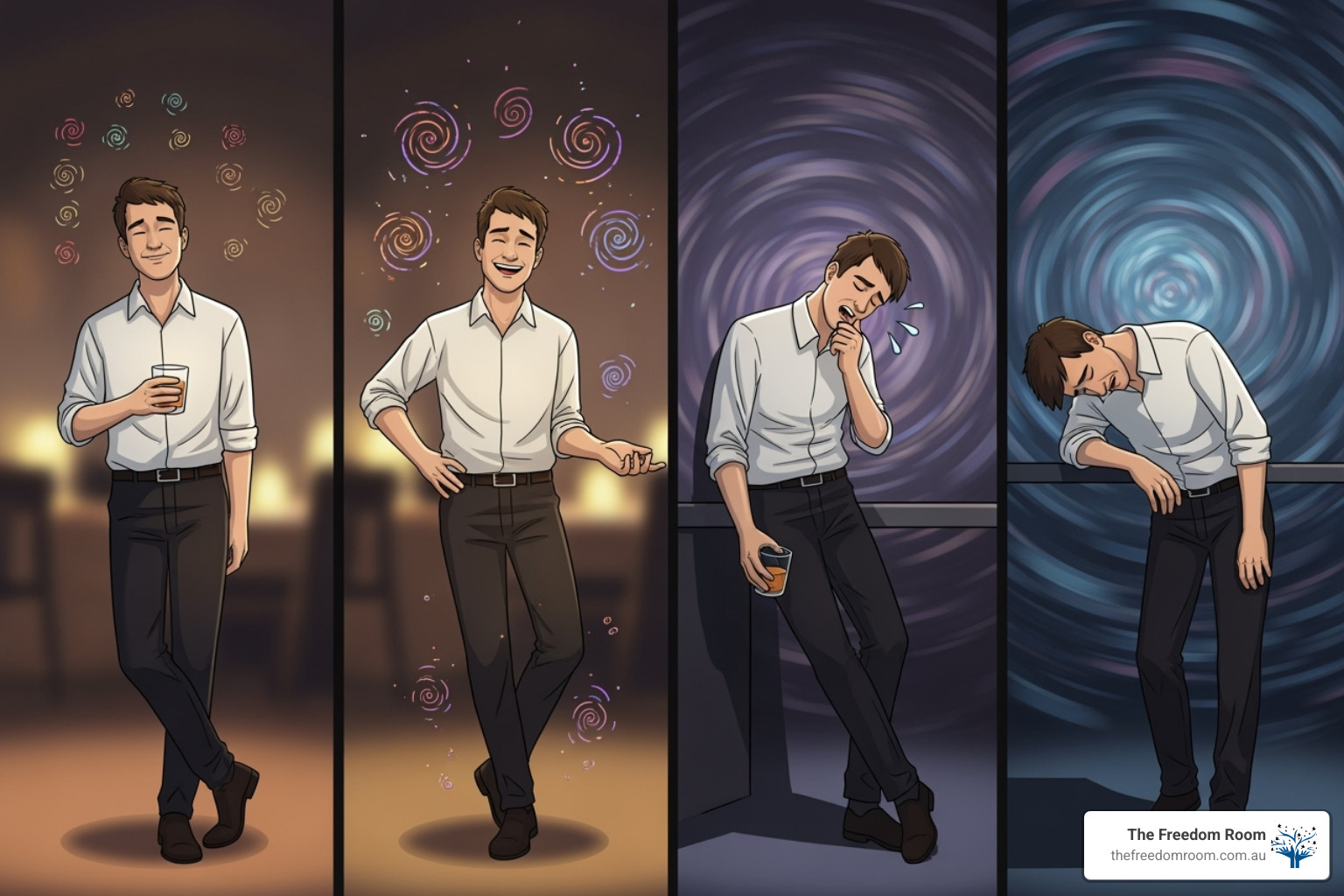
The alcohol abuse effects you feel depend on your Blood Alcohol Concentration (BAC). As your BAC climbs, so does your level of impairment.
- Low BAC (up to 0.05): You may feel relaxed and chatty, but your judgement is subtly affected.
- Moderate BAC (0.05 to 0.08): Decision-making becomes noticeably impaired. You might take more risks, and your reaction times slow down.
- High BAC (0.08 to 0.15): Speech slurs, vision blurs, and emotional responses can become unpredictable. Memory lapses, or “blackouts,” can occur.
- Very High BAC (0.15 to 0.30): Walking may be impossible, and extreme drowsiness sets in. There is a high risk of losing consciousness.
- Extremely High BAC (over 0.30): This level is life-threatening. Alcohol begins to shut down vital functions like breathing and heart rate, leading to potential coma or death.
Sobering up cannot be rushed. Your liver processes about one standard drink per hour, and nothing speeds this up. Time is the only solution.
For more detailed information about these physiological responses, visit How alcohol affects your body.
The Dangers of Binge Drinking and Alcohol Poisoning
Binge drinking is consuming a large amount of alcohol in a short time, overwhelming your liver’s ability to process it. This causes your BAC to rise rapidly to dangerous levels.
One of the most severe immediate alcohol abuse effects is alcohol poisoning, a medical emergency. It occurs when excessive alcohol interferes with the brain’s control over breathing, heart rate, and body temperature.
Signs of alcohol poisoning require immediate action. Look for:
- Severe confusion or disorientation
- Vomiting
- Seizures
- Slow or irregular breathing
- Pale, bluish, or cold skin
- Unconsciousness (cannot be woken)
If you suspect alcohol poisoning, call Triple Zero (000) immediately. While waiting for help, turn the person onto their side to prevent choking. Never leave them alone to “sleep it off,” as their BAC can continue to rise.
For essential guidance on responding to this critical situation, refer to What to do for alcohol poisoning.
Quick Reference: Immediate Effects
- Impaired coordination and judgement
- Slurred speech and memory lapses
- Risk of alcohol poisoning with excessive intake
2. Recognise the Long-Term Alcohol Abuse Effects on Physical Health
When alcohol use becomes a regular habit, it creates a pattern of silent damage throughout your body. These long-term alcohol abuse effects compromise vital organs and increase your risk of serious chronic diseases.
Chronic heavy drinking overwhelms your liver and weakens your immune system, making you more susceptible to infections. The good news is that many of these health effects can improve or even reverse when you stop drinking. For more comprehensive information, visit More information on alcohol’s long-term health impacts.
The Impact on Your Liver, Pancreas, and Gut
Your liver bears the heaviest burden of processing alcohol. Chronic drinking can lead to a progression of liver disease:
- Fatty Liver: The first stage, where fat accumulates in liver cells. It is often reversible with abstinence.
- Alcoholic Hepatitis: Inflammation and destruction of liver cells, causing symptoms like jaundice and abdominal pain.
- Cirrhosis: The most advanced stage, where permanent scarring replaces healthy tissue, leading to liver failure. Learn more at Cirrhosis of the liver.
Alcohol abuse is also a leading cause of pancreatitis, a painful inflammation of the pancreas that disrupts digestion and insulin production. It also damages the gastrointestinal tract, leading to a “leaky gut” and increasing the risk of colorectal, mouth, and oesophageal cancers.
The Connection to Heart Disease and Cancer
Heavy drinking is damaging to your cardiovascular system. It can lead to high blood pressure, cardiomyopathy (weakened heart muscle), and arrhythmias (irregular heartbeats), all of which increase your risk of heart disease and stroke.
Alcohol is also a known carcinogen. When your body metabolises alcohol, it produces acetaldehyde, a toxic chemical that can damage DNA and increase cancer risk. In Australia, alcohol consumption is linked to thousands of cancer cases each year.
Cancers strongly linked to alcohol include:
- Mouth and throat cancer
- Oesophageal cancer
- Liver cancer
- Bowel cancer
- Breast cancer
Even one drink per day can increase a woman’s risk for breast cancer. Find more details at Alcohol and Cancer Risk information.
How Alcohol Affects Your Brain and Nervous System
Chronic heavy drinking causes structural changes in the brain that affect cognition and behaviour. Over time, alcohol abuse can cause brain shrinkage, leading to problems with memory, attention, and decision-making.
Prolonged abuse significantly increases the risk of dementia. A specific and severe brain disorder called Wernicke-Korsakoff syndrome can result from a thiamine (vitamin B1) deficiency common in people with alcohol use disorder, causing severe confusion and memory loss.
Alcohol also damages nerves throughout the body, a condition known as peripheral neuropathy, which causes numbness and tingling in the hands and feet. It also weakens muscles and bones, increasing the risk of osteoporosis and fractures.
Addressing the emotional roots of addiction with therapies like Emotional Freedom Techniques (EFT) and Cognitive-behavioural therapy (CBT) can support your brain’s healing process. Learn more about how these therapies can help at More info about EFT and CBT therapy for cognitive support.
Quick Reference: Long-Term Physical Effects
- Liver and digestive system damage
- Increased cancer and heart disease risk
- Lasting changes to brain function
3. Uncover the Impact on Your Mental and Emotional Wellbeing
The alcohol abuse effects on mental health are profound. Alcohol alters brain chemistry and emotional regulation, often becoming intertwined with mental health conditions in a cycle that is difficult to break. This is known as a dual diagnosis.
The Link Between Alcohol, Depression, and Anxiety
While many people drink to relax or ease social anxiety, alcohol is a depressant that slows the central nervous system. Although it may provide temporary relief, it ultimately worsens underlying issues.
Depression and alcohol are a destructive combination. Alcohol disrupts the brain’s mood-regulating neurotransmitters, and the initial lift is often followed by deeper sadness and hopelessness. Over time, the brain can become dependent on alcohol to feel “normal.”
Similarly, drinking to calm anxiety provides short-term relief but often leads to more intense rebound anxiety as the alcohol wears off. This can create a self-perpetuating cycle where drinking feels like the only solution to emotional distress.
Breaking this pattern requires addressing both the physical dependence and the psychological associations. Our team offers integrated support for co-occurring disorders, which you can learn about at More info about our services for co-occurring disorders.
Other Psychological and Behavioural Alcohol Abuse Effects
Beyond depression and anxiety, alcohol abuse triggers other significant psychological and behavioural changes.
- Irritability and Aggression: Alcohol lowers inhibitions and impairs judgment, which can lead to increased anger and conflict.
- Impulsivity: It encourages risky decisions related to finances, relationships, or personal safety that you would not make when sober.
- Reduced Motivation: Activities that once brought joy may feel hollow, as alcohol impacts the brain’s reward system.
- Social Withdrawal: Shame, guilt, or a desire to hide drinking habits can lead to isolation from friends and family.
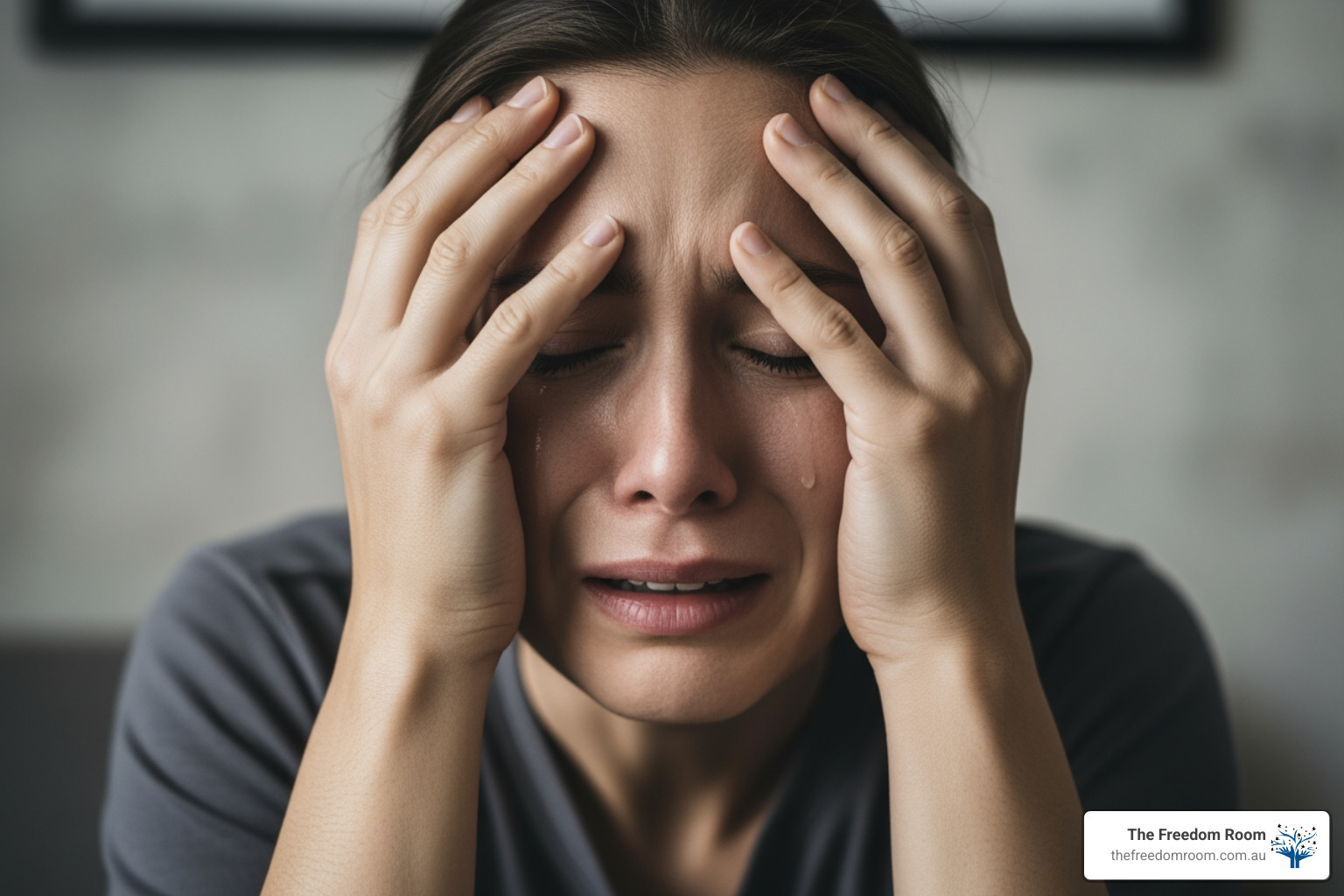
These changes develop gradually. Addressing the underlying emotional patterns with therapies like Emotional Freedom Techniques (EFT) and Cognitive-behavioural therapy (CBT) is essential for effective recovery.
Quick Reference: Mental and Emotional Effects
- Heightened risk of depression and anxiety
- Increased irritability and mood swings
- Social withdrawal and isolation
4. See the Ripple Effect on Your Relationships and Daily Life
The alcohol abuse effects spread outwards, impacting relationships, finances, and legal standing. These social and personal consequences are often the wake-up call that prompts people to seek help.
Damage to Relationships and Social Connections
The people closest to you often bear the heaviest burden. Trust erodes, and what starts as tension can escalate into profound relationship damage.
- Family Conflict: Arguments become more frequent, and the home environment can become hostile. Children are particularly vulnerable to this stress and instability.
- Relationship Breakdown: For partners, the strain can become unbearable, leading to poor communication, resentment, and often separation or divorce.
- Domestic Abuse: Alcohol significantly increases the risk of domestic abuse by lowering inhibitions and heightening aggression.
- Social Isolation: Friendships fray due to broken promises and concerning behaviour, leading to a cycle of loneliness that can fuel more drinking.
Financial and Legal Consequences
The financial strain of heavy drinking accumulates quickly. The cost of purchasing alcohol can lead to debt and an inability to pay for essentials.
Employment often suffers due to poor work performance, absenteeism, and conflict with colleagues, frequently resulting in job loss. This compounds financial stress.
The legal consequences can be severe. Drink driving offences in Australia carry heavy penalties, including fines, licence suspension, and potential imprisonment. A criminal record can affect future employment and travel. Other alcohol-fuelled incidents, like public disorder or violence, can also lead to arrests and lasting legal problems.
Quick Reference: Social and Daily Life Effects
- Strained family and social relationships
- Financial difficulties and job loss
- Legal issues related to alcohol use
5. Learn the Signs of Dependence and Withdrawal
It is crucial to understand the difference between alcohol abuse and alcohol dependence, now known as Alcohol Use Disorder (AUD). AUD is a medical condition characterised by an impaired ability to stop or control alcohol use despite adverse consequences.
What is Alcohol Use Disorder?
Alcohol Use Disorder (AUD) is a chronic brain disease diagnosed based on specific criteria. A healthcare professional assesses symptoms over a 12-month period to determine its presence and severity (mild, moderate, or severe).
Key symptoms of AUD include:
- Drinking more or for longer than intended.
- Unsuccessful attempts to cut down or stop.
- Strong cravings to drink.
- Continued use despite negative consequences.
- Developing a tolerance (needing more alcohol for the same effect).
- Experiencing withdrawal symptoms when stopping.
- Neglecting responsibilities at home, work, or school.
Recognising you may have an issue is the first step. Learn more at Understanding Alcohol Use Disorder.
Understanding Alcohol Withdrawal and the ‘Kindling’ Effect
When a person who is physically dependent on alcohol stops drinking, they experience withdrawal. Symptoms can range from mild to life-threatening.
Common withdrawal symptoms include tremors, sweating, nausea, anxiety, and insomnia. In severe cases, withdrawal can lead to seizures or Delirium Tremens (DTs), a medical emergency with symptoms like severe confusion, hallucinations, and high blood pressure.
The “kindling” effect describes how repeated episodes of withdrawal can become progressively more severe. Each attempt to stop drinking can make future withdrawals more intense and dangerous, which is why medical support is strongly recommended when detoxing from alcohol.
Due to these risks, a medically supervised detoxification is often essential to ensure safety and manage symptoms effectively.
Quick Reference: Dependence and Withdrawal
- Signs of increasing tolerance and cravings
- Physical and psychological withdrawal symptoms
- Importance of professional support for detox
Ready for Change? Let’s Build a Stronger, Alcohol-Free Future Together
Understanding the alcohol abuse effects is the first step. Recognising how alcohol has impacted your life creates an opening for change, and the good news is that recovery is possible. Your body has a remarkable capacity to heal, and with the right support, you can build a healthier future.
At The Freedom Room, we offer professional support through evidence-based therapies. Our team’s lived experience provides authentic empathy and a deep understanding of your journey.
We use therapies like Emotional Freedom Techniques (EFT) to gently process underlying emotional triggers and Cognitive-behavioural therapy (CBT) to help you change unhelpful thought patterns and behaviours. These tools empower you to steer life’s challenges without relying on alcohol.
Personalised treatment and compassionate guidance can help you build a more fulfilling life. You don’t have to do it alone. We’re here to walk alongside you on your path to recovery.
Discover the support you need for lasting recovery
Frequently Asked Questions about Alcohol’s Effects
Is any amount of alcohol safe to drink?
Current research indicates that no amount of alcohol is entirely without risk. The Australian Guidelines recommend no more than 10 standard drinks per week and no more than 4 on any one day to reduce health risks. Any consumption increases your risk for certain conditions, including cancer. The less you drink, the lower your risk. For more, see The Australian Guidelines on alcohol.
What are the risks of mixing alcohol with medication?
Mixing alcohol with medications can be extremely dangerous. It can intensify side effects like drowsiness, reduce a medication’s effectiveness, or lead to dangerous interactions. Combining alcohol with other depressants (like opioids or benzodiazepines) can cause severe respiratory depression or overdose. Always consult your doctor or pharmacist before drinking alcohol while taking any medication.
How does alcohol affect pregnancy and breastfeeding?
There is no known safe amount of alcohol to drink during pregnancy. Alcohol consumption can cause severe and irreversible alcohol abuse effects on a developing foetus, leading to Fetal Alcohol Spectrum Disorders (FASD), miscarriage, or stillbirth. The safest approach is to avoid alcohol completely if you are pregnant or trying to conceive.
For breastfeeding mothers, alcohol can pass into breast milk. Not drinking is the safest option for your baby. If you choose to drink, waiting at least two hours per standard drink before breastfeeding can help reduce the baby’s exposure.