

Understanding the Potential for Physical and Mental Healing
Can effects of alcohol abuse be reversed? This question brings hope to many who have struggled with long-term alcohol dependency. The encouraging answer is that many effects of alcohol abuse can be significantly improved or even reversed through sustained abstinence and proper treatment.
Quick Answer: What Can Be Reversed?
- Brain function: Cognitive abilities and memory can improve within weeks to months
- Liver health: Fatty liver and early-stage damage often reverses completely
- Heart function: Blood pressure normalises and heart muscle can recover
- Bone density: Markers of bone formation return to healthy levels
- Mental health: Anxiety, depression, and emotional regulation improve
- Digestive system: Gastritis and ulcers can heal with proper treatment
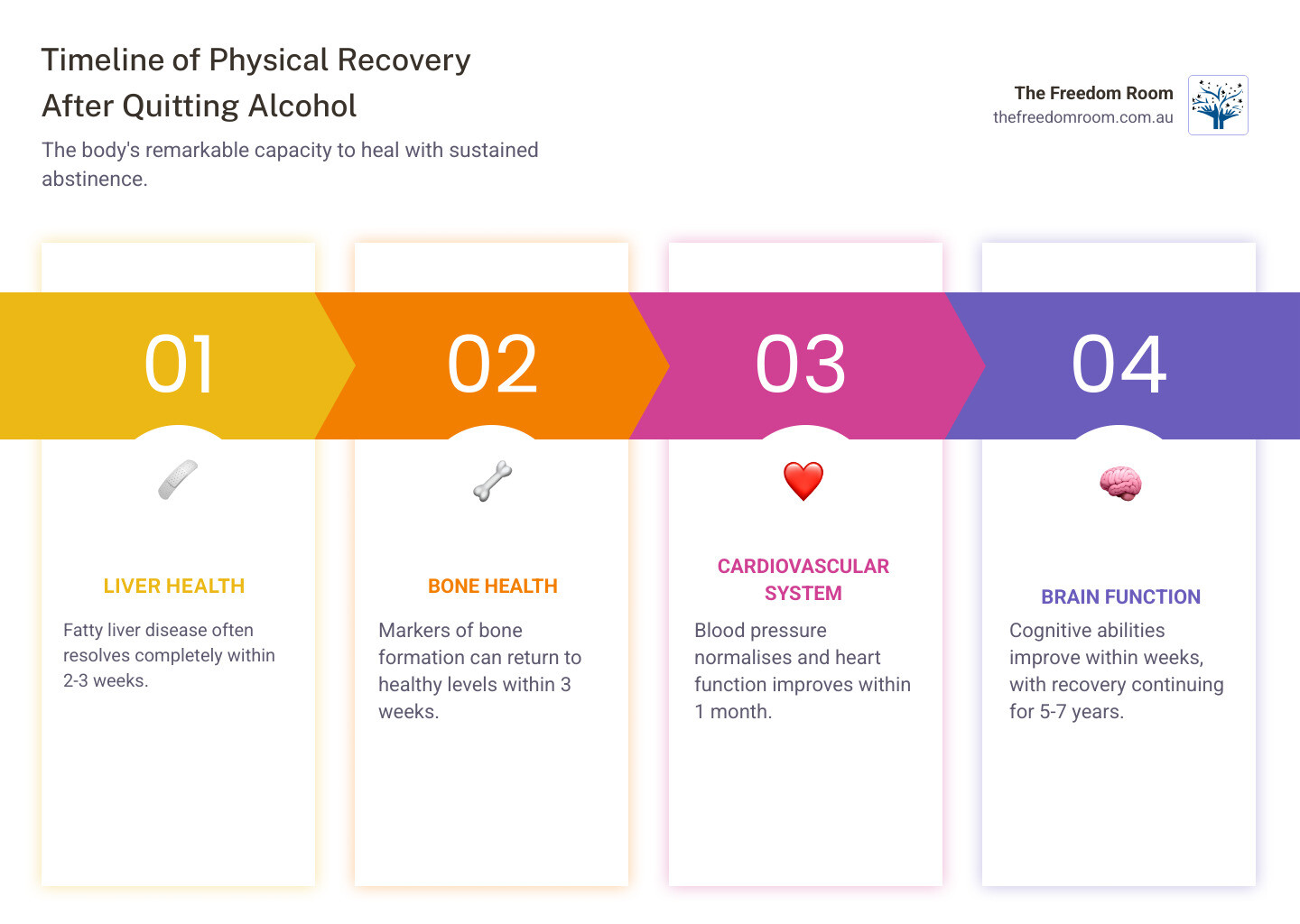
The human body possesses remarkable healing abilities when given the chance to recover. Research shows that abstaining from alcohol for just 2-3 weeks can completely resolve fatty liver disease, while brain recovery continues for 5-7 years after stopping drinking.
However, the extent of recovery depends on several factors including the duration and severity of alcohol abuse, overall health, and how quickly treatment begins. Some damage, particularly advanced liver cirrhosis, may be permanent.
More than 140,000 people die from alcohol-related causes annually, yet studies consistently show that most people can reduce their drinking or stop entirely with appropriate support. The key lies in understanding that healing is possible and taking the first step towards recovery.
The journey from alcohol dependency to renewed health requires patience, professional guidance, and often medical supervision. While not all damage can be completely undone, the potential for significant improvement offers genuine hope for those ready to accept change.
The Widespread Impact of Chronic Alcohol Abuse on the Body
When we consider if the effects of alcohol abuse be reversed, we first need to understand just how extensively alcohol affects our bodies. Chronic alcohol abuse creates a domino effect of damage throughout nearly every organ system, leaving no part of your physical health untouched.
The reality is sobering, prolonged exposure to alcohol’s toxic effects leads to significant physical deterioration and dramatically increases your risk of serious, long-term health complications. Yet understanding these impacts becomes the foundation for appreciating your body’s remarkable capacity for healing when given the chance.
The Brain and Nervous System
Your brain bears some of the heaviest damage from chronic alcohol abuse. Alcohol acts as a neurotoxin, directly attacking brain cells and disrupting the delicate neural pathways that govern everything from memory to decision-making.
Over time, this damage becomes visible through actual brain shrinkage, particularly in crucial areas like the frontal lobe and hippocampus. These regions control your executive function and memory formation, which explains why chronic alcohol abuse leads to memory loss, impaired thinking, and difficulty solving everyday problems.
Perhaps most concerning is Wernicke-Korsakoff syndrome, a severe neurological condition that develops from chronic alcohol abuse. This devastating condition stems from thiamine deficiency. Alcohol not only depletes this essential B1 vitamin but also blocks your body’s ability to absorb it properly.
The syndrome can cause profound disorientation, loss of coordination, and severe memory problems that may become permanent without immediate treatment.
More on the Long-Term Effects of Alcohol on the Brain
The Cardiovascular System
Your heart and circulatory system face relentless pressure under chronic alcohol abuse. High blood pressure becomes almost inevitable as alcohol consistently lifts your cardiovascular strain, significantly increasing your risk of heart disease and stroke.
The heart muscle itself weakens under this constant assault, developing a condition called alcoholic cardiomyopathy. Your heart literally struggles to pump blood effectively, leaving you breathless and fatigued during activities that once felt effortless.
Irregular heartbeats or arrhythmias become common, creating dangerous disruptions in your heart’s rhythm. These irregularities can trigger serious cardiac events, making everyday activities potentially life-threatening.
The Liver
No organ suffers more directly from alcohol abuse than your liver. As the primary site of alcohol metabolism, your liver processes nearly every drop you consume, creating a progressive pattern of damage that follows a predictable but devastating path.
It begins with fatty liver disease (steatosis), where fat accumulates in liver cells like sludge in an engine. If drinking continues, this progresses to alcoholic hepatitis, painful inflammation that signals your liver’s desperate struggle to cope.
The damage then advances to fibrosis, where healthy liver tissue becomes replaced by scar tissue. Finally, cirrhosis develops, a severe, irreversible scarring that can lead to complete liver failure.
Your liver’s role in filtering toxins and producing essential proteins makes this progression particularly dangerous for your entire body’s functioning.
Further details on Long-Term Health Risks of Drinking Alcohol
The Digestive and Pancreatic System
Alcohol creates havoc throughout your digestive tract, starting with gastritis, painful inflammation of your stomach lining that can make eating uncomfortable and digestion problematic. This inflammation often progresses to ulcers, creating open wounds in your digestive tract.
Your pancreas faces particular danger through pancreatitis, an excruciating inflammation that disrupts both digestive enzyme production and insulin regulation. This condition can transform eating from pleasure into pain whilst compromising your body’s ability to process nutrients.
Beyond these specific conditions, alcohol severely impairs nutrient absorption, creating deficiencies that compound throughout your body. The damage to your gut lining increases intestinal permeability, allowing harmful substances to enter your bloodstream and trigger inflammation in organs far from your digestive system.
The Skeletal System
Your bones silently suffer under chronic alcohol abuse as alcohol disrupts calcium metabolism and interferes with other nutrients essential for bone formation and maintenance. This disruption leads to decreased bone density, creating a pathway toward osteoporosis.
The result becomes evident through increased fracture risk and slower healing times when injuries do occur. Your skeletal system, the very framework that supports your body, becomes fragile and unreliable.
Women face particularly severe impacts on bone health from alcohol abuse, often experiencing more dramatic bone density loss compared to men.
Information on Alcohol Abuse Effects on Women’s Body
Can the Physical Effects of Alcohol Abuse Be Reversed?

Can effects of alcohol abuse be reversed? This question holds profound significance for anyone who has experienced the damaging effects of chronic alcohol use. The remarkable answer lies in the human body’s extraordinary capacity for healing and renewal when given the opportunity to recover.
The journey of physical recovery unfolds differently for each person, influenced by several key factors. The duration and severity of alcohol misuse plays a crucial role, as does your overall health status, age, and most importantly, your commitment to sustained abstinence. While some damage may be permanent, the potential for meaningful improvement offers genuine hope.
To what extent can the effects of alcohol abuse on the brain be reversed?
Your brain possesses an incredible ability called neuroplasticity, its capacity to adapt, reorganise, and heal itself. This natural resilience becomes your ally in recovery, offering pathways to cognitive restoration that may have seemed impossible during active addiction.
Research reveals encouraging patterns of brain recovery that begin shortly after alcohol cessation. Structural changes, including the brain shrinkage that occurs with chronic alcohol use, can show partial correction within several months to a year of abstinence. The most significant improvements typically occur during the first year, with continued healing extending up to 5-7 years of complete sobriety.
Cognitive functions like memory, attention, and problem-solving demonstrate remarkable improvement potential. Many people notice clearer thinking within weeks of stopping drinking, with continued improvement as the brain repairs neural pathways damaged by alcohol’s toxic effects.
For those experiencing thiamine deficiency and conditions like Wernicke-Korsakoff syndrome, prompt medical intervention can reverse early symptoms and prevent permanent damage. Thiamine supplementation, combined with abstinence, offers the best chance for neurological recovery.
Neuroimaging results in humans and animal models
Healing the Heart and Cardiovascular System
Your heart, despite enduring significant stress from alcohol abuse, demonstrates remarkable healing capacity when alcohol is removed from the equation. This vital organ’s ability to recover provides one of the most encouraging aspects of physical restoration.
Alcoholic cardiomyopathy, characterised by weakened heart muscle, can show dramatic improvement in both symptoms and function after just one month of abstinence. Studies document improvements in ejection fraction, a key measure of how effectively your heart pumps blood, providing measurable evidence of cardiac healing.
Blood pressure normalisation often occurs relatively quickly, with many people experiencing reduced hypertension within weeks of stopping drinking. The risk of dangerous arrhythmias decreases as your heart rhythm stabilises, whilst the overall risk of stroke and heart disease begins to decline.
While severe, chronic cardiovascular damage may not be fully reversible, the heart’s capacity to recover from alcohol’s negative effects serves as powerful motivation for maintaining sobriety. Complete abstinence, combined with appropriate medical care and healthy lifestyle choices, maximises your heart’s healing potential.
Research on heart function improvement with abstinence
Can Alcoholic Liver Disease Be Reversed?
The liver stands as perhaps the most remarkable example of the body’s regenerative capacity. This vital organ, which bears the primary burden of alcohol metabolism, possesses an almost miraculous ability to heal and restore itself when given the chance.
Fatty liver disease (hepatic steatosis) represents the earliest stage of alcohol-related liver damage, and here lies the most encouraging news. This condition can completely resolve within just 2-3 weeks of abstinence. The accumulated fat within liver cells begins to clear, restoring normal liver function and appearance.
Alcoholic hepatitis, characterised by liver inflammation, also responds well to sobriety. The inflammation subsides, symptoms improve, and liver function tests often return to healthier ranges within months of stopping drinking.
Even fibrosis, the early scarring of liver tissue, shows potential for improvement with sustained abstinence. The liver can begin repairing damaged tissue and reducing scar formation, though this process requires longer periods of sobriety.
However, cirrhosis represents the point where damage becomes largely irreversible. While abstinence can prevent further progression and help manage complications, advanced cirrhosis often requires ongoing medical intervention. In severe cases, liver transplantation may be necessary, though many transplant centres require demonstrated sobriety before considering candidacy.
Repairing the Digestive System
Your digestive system possesses remarkable healing abilities that become evident once alcohol’s irritating effects are removed. The gastritis and stomach lining inflammation that cause pain and discomfort can heal significantly with abstinence and appropriate medical treatment.
Ulcers often respond well to cessation of drinking, particularly when combined with proper medical care. While some scar tissue may remain in the gastrointestinal tract, the active inflammation and associated symptoms typically resolve, allowing for comfortable digestion once again.
Pancreatic function can also improve substantially when alcohol consumption ceases. For those with acute pancreatitis, stopping drinking can prevent future episodes and allow the pancreas to heal. Even in chronic pancreatitis, abstinence can slow disease progression and reduce painful symptoms.
Gut health restoration involves more than just healing damaged tissue. Your body begins to replenish depleted nutrients and rebalance the beneficial bacteria in your digestive system. While some changes to gut microbiota may only partially recover, significant improvements in digestive comfort and function are achievable through sustained sobriety and proper nutrition.
Restoring Bone Health
The impact of alcohol on your skeletal system can be substantially mitigated through abstinence and proper care. Bone formation markers show remarkable responsiveness to sobriety, with studies indicating that plasma osteocalcin levels, a key indicator of bone building activity, can increase significantly after just three weeks without alcohol.
This improvement in bone formation markers suggests your body quickly begins restoring its ability to build and repair bone tissue once alcohol’s interference is removed. The return to levels comparable to non-drinkers demonstrates the skeletal system’s capacity for healing.
While severe osteoporosis may not be entirely reversible, refraining from alcohol can help restore bone density to some extent and significantly reduce fracture risk. This recovery process benefits greatly from a nutritious diet rich in calcium and vitamin D, alongside regular weight-bearing exercise that stimulates bone formation.
Improved bone density becomes particularly important as you age, and the early restoration of healthy bone metabolism through abstinence provides long-term benefits for your skeletal health and overall quality of life.
Healing the Mind: Reversing the Psychological and Social Impact

The journey of recovery extends far beyond physical healing. Can effects of alcohol abuse be reversed when it comes to mental health and relationships? Absolutely, though this aspect of recovery often requires patience, professional support, and a willingness to rebuild from the ground up.
Alcohol abuse creates ripple effects that touch every corner of life, from the intimate workings of brain chemistry to the delicate threads that bind us to family and friends. The encouraging news is that with sustained sobriety and dedicated effort, significant healing of psychological wounds and social connections is not only possible but probable.
Can the psychological effects of alcohol abuse be reversed?
Alcohol fundamentally alters brain chemistry, creating a cascade of mental health challenges that can feel overwhelming. Many people find themselves caught in a cycle where co-occurring disorders like anxiety and depression exist alongside their alcohol dependency. Sometimes alcohol initially appears to provide relief from psychological distress, but over time it becomes the very thing that perpetuates and worsens these conditions.
The brain’s remarkable capacity for healing becomes evident when alcohol is removed from the equation. As brain chemistry begins to rebalance during sobriety, many people experience mood improvement within weeks to months. The fog of depression often lifts, and the constant hum of anxiety can settle into a more manageable state.
Cognitive Behavioural Therapy (CBT) proves invaluable during this healing phase. CBT helps identify the distorted thinking patterns that both contribute to alcohol use and stem from it. Through this therapeutic approach, individuals learn to recognise unhelpful thoughts and develop healthier ways of processing life’s challenges.
Emotional Freedom Techniques (EFT) offers another powerful tool for psychological healing. This gentle tapping technique works by sending calming signals to the amygdala, the brain’s alarm system responsible for fight, flight, or freeze responses. When someone focuses on distressing thoughts while tapping on specific acupressure points, it helps reduce the intensity of overwhelming emotions and supports emotional regulation. Many people find EFT particularly helpful for processing the shame, guilt, and fear that often accompany alcohol recovery.
The beauty of psychological recovery lies in its progressive nature. Each day of sobriety allows the mind to heal a little more, creating space for inner calm and emotional resilience to flourish naturally.
Learn about Emotional Sobriety
Rebuilding Your Life and Relationships
The social consequences of alcohol abuse can feel devastating. Occupational damage might manifest as lost jobs, missed promotions, or a damaged professional reputation. Financial instability often follows, creating additional stress and limiting options for recovery support.
Perhaps more painfully, alcohol abuse frequently leads to strained relationships and broken trust. Family members may have withdrawn their support after repeated disappointments. Friendships might have dissolved under the weight of unreliability and changed behaviour. The isolation that results can make recovery feel even more challenging.
Yet within this apparent devastation lies tremendous opportunity for growth and renewal. Repairing trust becomes a cornerstone of recovery, requiring consistent actions rather than promises. Each day of sobriety demonstrates commitment, and each kept appointment or honest conversation slowly rebuilds credibility.
Forgiveness emerges as both a gift to receive and a skill to develop. Learning to forgive oneself for past actions often proves more challenging than earning forgiveness from others. This internal work, supported by therapy and peer support, creates the foundation for lasting change.
The process of building new connections opens doors to relationships based on authenticity rather than shared drinking habits. Recovery communities, whether formal support groups or informal networks of sober friends, provide understanding and encouragement that can feel life-saving during difficult moments.
Personal growth becomes inevitable when alcohol no longer numbs life’s experiences. Many people find interests, talents, and aspects of their personality that were buried under years of drinking. This refindy process, while sometimes uncomfortable, ultimately leads to a more fulfilling and genuine way of living.
While some consequences of alcohol abuse, such as a lost marriage or missed career opportunities, cannot be undone, the capacity to create a meaningful, connected life moving forward remains unlimited.
Guidance on Rebuilding Your Life After Addiction
Tips for Healthy Relationships in Recovery
The Path to Recovery: How Treatment Supports Reversal
Recovery from alcohol abuse isn’t a journey you need to steer alone. Professional treatment provides the structured support and expert guidance that can make the difference between struggling through recovery and truly thriving in your new alcohol-free life.
Can effects of alcohol abuse be reversed? The answer becomes much more promising when you have the right support systems in place.
The path to healing involves addressing both the physical dependency and the underlying emotional patterns that contribute to alcohol use. Treatment programmes create a safe environment where your body can heal while you develop the tools and strategies needed for lasting sobriety.
The Critical First Step: Abstinence and Detox
Complete cessation of drinking marks the beginning of your healing journey, but it’s crucial to approach this step safely. For individuals with physical dependence, stopping alcohol suddenly can trigger severe withdrawal symptoms, including potentially dangerous complications like delirium tremens.
Medically supported withdrawal ensures your safety during this vulnerable time. Healthcare professionals monitor your condition, manage uncomfortable symptoms, and provide medications when necessary. This supportive environment allows your body to safely eliminate alcohol toxins while stabilising your physical condition.
The detox process prepares you for the deeper work of recovery. Rather than white-knuckling through withdrawal alone, professional support helps you begin your journey from a place of stability and safety.
The Role of Therapy in Healing
Therapy addresses the emotional and psychological aspects of alcohol dependency that detox alone cannot touch. Cognitive Behavioural Therapy (CBT) helps you recognise the thinking patterns that contribute to alcohol use and develop healthier ways of responding to stress and difficult emotions.
Through CBT, you’ll learn to identify distorted thoughts that lead to drinking behaviours and replace them with more balanced perspectives. The collaborative approach means you work alongside your therapist to understand your unique patterns and develop personalised strategies for managing challenging situations.
Emotional Freedom Techniques (EFT) offers another powerful tool for healing. This gentle tapping technique works by sending calming signals to the amygdala, the brain’s alarm system, while you focus on distressing thoughts or emotions. EFT practitioners guide you through processing past traumas and negative emotions without requiring you to relive painful experiences.
The beauty of EFT lies in its ability to clear emotional charges from traumatic memories, allowing you to view past events from a different perspective. This process helps break the cycle of using alcohol to numb emotional pain, fostering the inner peace necessary for sustained recovery.
Explore Coping Skills to Prevent Relapse
A General Timeline for Recovery
Recovery unfolds in stages, with initial improvements often visible within the first few weeks of abstinence. Your liver begins healing almost immediately, with fatty liver disease potentially reversing completely within 2-3 weeks. Blood pressure starts normalising, and sleep patterns begin to improve.
Short-term changes continue over the first few months. Brain fog lifts, memory improves, and emotional regulation becomes easier. Many people notice their skin looking healthier and experience increased energy levels during this phase.
Long-term recovery involves the most profound changes. Brain changes continue for up to 5-7 years, with cognitive function, memory, and decision-making abilities showing continued improvement. The emotional benefits compound over time, with many people finding a sense of peace and self-worth they hadn’t experienced in years.
Individual variation means your timeline may differ from others, but the pattern of progressive healing remains consistent. Each month of sobriety builds upon the last, creating momentum that makes sustained recovery increasingly achievable.
More on Alcohol Addiction Recovery
Take the First Step Toward a Fulfilling, Alcohol-Free Life
The question can effects of alcohol abuse be reversed carries with it a profound message of hope and possibility. While the path to recovery requires dedication and some effects may leave lasting marks, the human body and mind demonstrate remarkable resilience when given the opportunity to heal.
Your journey towards sobriety opens doors to significant physical restoration, emotional well-being, and social reconnection. The evidence is clear: meaningful recovery is not only possible but achievable for those ready to accept change.
Why Professional Support Makes the Difference
At The Freedom Room, we understand that recovery is deeply personal yet best steerd with compassionate guidance. Our team brings both professional expertise and lived experience to every interaction, creating an environment where genuine healing can flourish.
We recognise that each person’s relationship with alcohol is unique, shaped by individual circumstances, trauma, and life experiences. This understanding informs our personalised approach, where Cognitive Behavioural Therapy (CBT) helps identify and reshape thought patterns that contribute to alcohol use, while Emotional Freedom Techniques (EFT) gently processes the emotional roots of addiction.
The Reality of Recovery
Recovery is neither linear nor identical for everyone. Some days will feel easier than others, and that’s completely normal. What matters is maintaining focus on the profound changes occurring within your body and mind with each alcohol-free day.
The liver begins its remarkable regeneration within weeks. The brain starts rewiring itself towards healthier patterns. Relationships can be rebuilt on foundations of trust and authenticity. These aren’t just possibilities, they’re the natural outcomes when alcohol no longer dominates your life.
Your Support Network Awaits
You don’t need to face this change alone. Our affordable treatment services provide accessible pathways to recovery, removing barriers that might otherwise prevent you from seeking help. Whether through individual sessions, group workshops, or ongoing therapeutic support, we’re committed to walking alongside you throughout this journey.
The strength you need already exists within you. Our role is simply to help you refind it, nurture it, and watch it flourish as you build the alcohol-free life you deserve.
Find the support you need with our affordable addiction treatment services