
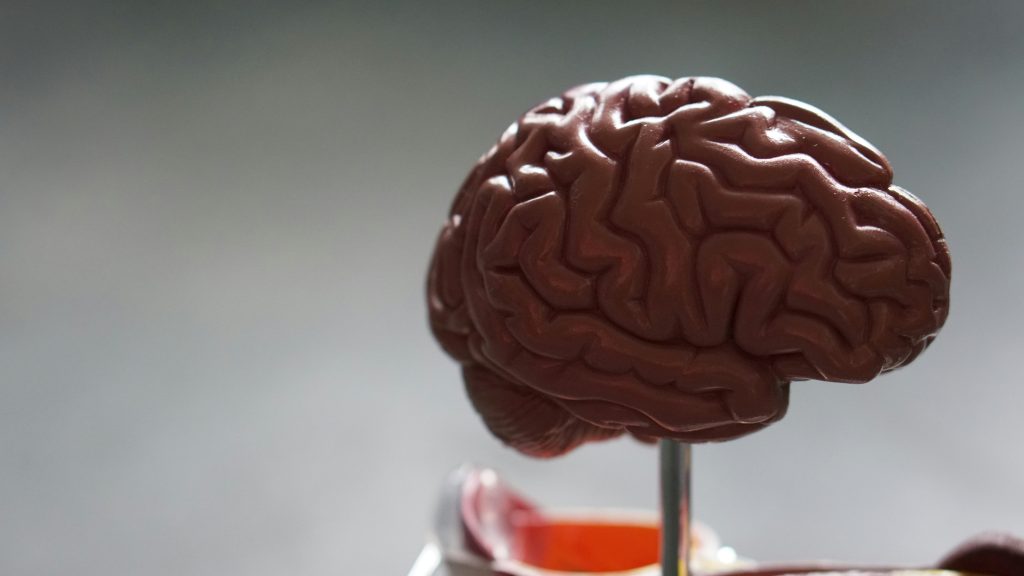
When we examine the relationship between alcohol withdrawal and anxiety, we are observing a profound physiological shift within the human body. Alcohol functions as a central nervous system depressant. Chronic consumption forces the brain to adapt by downregulating its natural calming systems and upregulating its excitatory systems to maintain a state of normality while under the influence. According to the Australian Institute of Health and Welfare, alcohol remains the most common drug for which Australians seek treatment, highlighting the scale of this issue across the country.
The primary chemical components in this process are GABA (gamma-aminobutyric acid) and glutamate. GABA is the brain’s primary inhibitory neurotransmitter, acting as the brakes on a car. Glutamate is the primary excitatory neurotransmitter, acting as the accelerator. Alcohol mimics GABA, providing a sedating effect. To compensate for this constant sedation, the brain increases its production of glutamate and reduces the sensitivity of GABA receptors. This adaptation is a survival mechanism that allows the brain to function despite the presence of a depressant.
When alcohol is suddenly removed, the brakes fail while the accelerator is floored. This leads to a state of hyper-excitability in the central nervous system. This neurobiological surge is the direct cause of the tremors, racing heart, and intense psychological dread associated with alcohol withdrawal syndrome. Research into the neurobiological effects of chronic alcoholism confirms that these changes can impair cognitive function and emotional regulation long after the last drink. For many Australians, this physiological imbalance manifests as a severe and debilitating form of anxiety that can feel impossible to manage without professional intervention.

The Vicious Circle of Alcohol Withdrawal and Anxiety
A vicious circle often develops between alcohol consumption and anxiety. Many people initially use alcohol as a form of self-medication to quieten existing social anxiety or stress. While it provides temporary relief, the subsequent withdrawal, even a mild one during a hangover, triggers a spike in anxiety. To quieten this new, chemically induced anxiety, the individual may drink again, further entrenching the physical alcohol dependence. This cycle is particularly prevalent in Australian social culture, where alcohol is often used as a primary tool for socialising and stress relief.
This cycle can manifest as panic disorder. In fact, studies show that comorbidity rates between alcohol use disorders and panic disorder range from 20.7% to 28%. Approximately 25% of people seeking treatment for panic disorder have a history of physical alcohol dependence. During withdrawal, the body becomes hypersensitive to interoceptive stimuli, which are internal physical sensations like a slightly faster heartbeat. The brain misinterprets these as a sign of an impending catastrophe, triggering a full-blown panic attack. Research on panic disorder comorbidity suggests that for many men, alcohol problems actually precede the development of panic symptoms.
The Kindling Effect and Repeated Withdrawal
One of the most concerning aspects of alcohol withdrawal and anxiety is a phenomenon known as kindling. The kindling hypothesis suggests that each subsequent episode of withdrawal becomes more severe than the last. Like small twigs used to start a fire, each period of abstinence followed by a relapse sensitises the brain. This means that a person who has gone through detox multiple times is at a much higher risk for severe complications, such as withdrawal seizures and delirium tremens.
Binge drinking is particularly dangerous in this regard, as it subjects the brain to repeated cycles of intoxication and mini-withdrawal. This cumulative damage can lead to long-term cognitive deficits and a permanent increase in baseline anxiety levels. Understanding kindling in alcohol withdrawal is vital for anyone considering stopping their consumption without professional support. In Australia, where binge drinking is a recognised public health concern, the kindling effect represents a significant risk for those attempting to quit multiple times without a structured programme.
Timeline of Withdrawal Scares
The progression of symptoms follows a relatively predictable medical timeline, though individual experiences vary based on health, age, and drinking history. It is important to note that these stages can overlap and vary in intensity.
- 6 to 12 Hours: Minor symptoms begin. This often includes mild anxiety, headaches, insomnia, and the shakes or tremors.
- 12 to 24 Hours: Some individuals may experience alcoholic hallucinosis, which involves seeing or hearing things that are not there. Unlike delirium tremens, the person is usually aware that these are not real.
- 24 to 48 Hours: The risk of withdrawal seizures peaks. This is a critical window where medical supervision is essential to ensure safety.
- 48 to 72 Hours: This is the typical onset for delirium tremens (DTs). Symptoms include intense confusion, agitation, fever, and fluctuating blood pressure. About 5% to 10% of people who develop DTs die from the complication if not treated.
- Weeks to Months: Protracted withdrawal syndrome can involve lingering anxiety, sleep disturbances, and a general inability to feel pleasure, known as anhedonia.
Research on delirium tremens highlights that while only a small percentage of people progress to this stage, it remains a medical emergency that requires immediate intervention. For Australians seeking advice on these symptoms, Healthdirect Australia provides a 24 hour helpline for immediate health concerns.
Professional Support and Recovery Strategies
At The Freedom Room, we know that the fear of withdrawal symptoms often keeps people trapped in active addiction. However, professional support makes the process significantly safer and more comfortable. Medical detoxification often involves the use of benzodiazepines, such as diazepam or chlordiazepoxide, which act on the same receptors as alcohol to taper the brain’s excitability and prevent seizures. These medications are carefully managed by healthcare professionals to ensure they do not lead to a secondary dependence.
Beyond the initial detox, holistic care is essential for addressing the underlying anxiety. Anticonvulsants like gabapentin or carbamazepine are sometimes used as they have a lower risk of dependence than benzodiazepines and can help stabilise mood. We believe in personalised sessions and workshops that combine medical knowledge with authentic empathy. Our team members have walked this path themselves, providing a level of understanding that clinical only settings often lack. This lived experience is a cornerstone of our approach, ensuring that every individual feels heard and supported.

Managing Alcohol Withdrawal and Anxiety Symptoms
Managing the psychological scares requires a multi-faceted approach. While medication handles the heavy lifting of brain chemistry, lifestyle and coping mechanisms provide the foundation for long-term success. The National Health and Medical Research Council provides guidelines that emphasise the importance of a comprehensive approach to recovery.
- Hydration and Nutrition: Alcohol depletes vital nutrients. Supplementing with thiamine (Vitamin B1), folic acid, and magnesium can support nervous system repair and prevent neurological complications.
- Sleep Hygiene: Insomnia is a major trigger for anxiety. Establishing a strict routine and avoiding caffeine can help the brain relearn how to rest without the presence of depressants.
- Mindfulness and Distraction: Techniques like gentle breathing exercises or tapping (EFT) can help ground the nervous system during a spike in anxiety.
- Social Connection: Isolation feeds the vicious circle. Engaging with a community of people who understand your journey provides the safety net needed to maintain sobriety.
For those in Strathpine or the wider Queensland area, our recovery services are designed to be cost-effective and accessible, ensuring that no one has to face it alone. We focus on building resilience and providing practical tools that can be used in everyday life to manage stress and anxiety without turning to alcohol.
When to Seek Urgent Medical Intervention
It is vital to recognise when alcohol withdrawal and anxiety move from being uncomfortable to being life-threatening. You should seek emergency medical care at a hospital if you or a loved one experiences any of the following symptoms:
- Grand mal seizures or severe tremors.
- Severe confusion, disorientation, or loss of consciousness.
- Visual or auditory hallucinations.
- A heart rate consistently over 100 beats per minute or high fever.
- Uncontrollable vomiting which risks severe dehydration.
Psychiatric emergencies during withdrawal are serious. If you are unsure about the severity of your symptoms, always err on the side of caution and consult a healthcare professional or visit the nearest emergency department. In Australia, calling Triple Zero (000) is the correct course of action for any life-threatening emergency.

Discover the Support You Need for a Lasting, Successful Recovery
The Freedom Room Wellness and Recovery offers a different approach to alcohol addiction treatment. We do not just look at the clinical data, we look at the person. Our team in Strathpine, QLD, consists of professionals who have their own lived experience with recovery. This allows us to provide authentic support and empathy that is hard to find elsewhere. We understand the unique challenges faced by Australians in recovery and tailor our programmes to meet those needs.
We offer personalised sessions and compassionate workshops designed to help you break the cycle of alcohol and anxiety for good. By combining evidence-based therapy with a supportive community, we help you build a stronger, alcohol free future. You do not have to live in fear of the scares anymore. Whether you are looking for detailed recovery tools or simply a group of people who truly understand, we are here to help you find your strength and reclaim your life.
FAQ
What causes anxiety during alcohol withdrawal? Anxiety is caused by the brain’s attempt to restore balance. Chronic alcohol use suppresses the nervous system. When you stop, the brain overproduces excitatory chemicals like glutamate, leading to feelings of panic and restlessness.
Can alcohol withdrawal cause permanent panic attacks? While withdrawal can trigger a period of intense panic, these symptoms usually subside as the brain chemistry rebalances. However, for some, it can trigger a latent panic disorder that requires ongoing therapy and support.
How long does hangxiety or withdrawal anxiety last? Acute symptoms typically peak between 24 and 72 hours. However, some people experience protracted withdrawal, where milder anxiety and sleep issues can linger for several months as the nervous system heals.
Is it safe to detox from alcohol at home? For those with a long history of heavy drinking, home detox can be dangerous due to the risk of seizures and delirium tremens. It is always recommended to consult a GP or a recovery specialist before stopping consumption.
How does The Freedom Room help with withdrawal anxiety? We provide a combination of personalised therapy, workshops, and peer support. Our lived experience allows us to teach practical coping strategies like mindfulness and tapping to manage anxiety symptoms effectively.
What is the kindling effect? Kindling refers to the way the brain becomes more sensitive to withdrawal with each attempt to quit. This makes subsequent withdrawals more severe and increases the risk of dangerous complications like seizures.
Are there medications for withdrawal anxiety? Yes, doctors often prescribe benzodiazepines for short term symptom relief or anticonvulsants to help stabilise the nervous system during the recovery process.
When should I seek professional help for my drinking? If you find that you are drinking to avoid the symptoms of anxiety or the shakes, or if your drinking is affecting your health and relationships, it is time to reach out for professional support.