

The Role of Group Therapy in Addiction Recovery
Group therapy for addiction is an evidence-based treatment modality in which individuals with substance use disorders convene with a trained therapist and peers. This model integrates professional guidance with the therapeutic benefits of shared experience.
Key elements of group therapy for addiction include:
- Professional facilitation: Sessions are led by qualified therapists with specialisation in addiction.
- Peer support: Participants connect with others who have similar experiences and challenges.
- Structured sessions: Regular meetings employ evidence-based therapeutic approaches.
- Confidential environment: A secure setting is established for open disclosure without judgement.
- Cost-effective treatment: This modality presents an affordable and effective alternative to individual therapy.
- Skill development: Participants learn coping strategies and relapse prevention techniques.
Research indicates that group therapy is as effective as individual therapy for treating substance use disorders. Participants often demonstrate a greater commitment to maintaining abstinence compared to those in individual treatment alone.
The efficacy of group therapy stems from its ability to counteract the isolation that addiction fosters. Hearing others articulate similar struggles helps individuals realise they are not alone. This shared understanding promotes hope and motivation, while also addressing co-occurring conditions like depression and anxiety that frequently contribute to addictive behaviours.
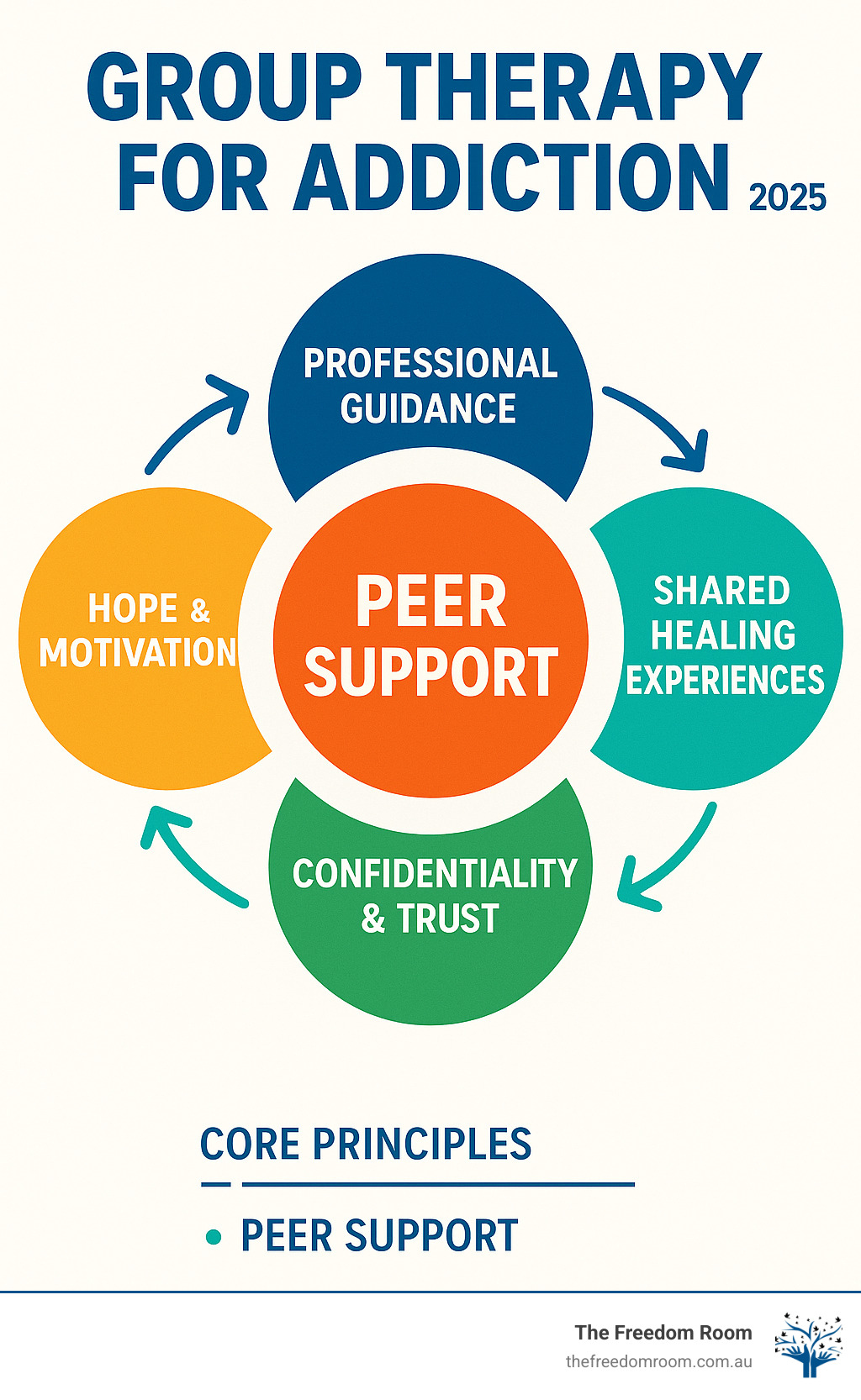
Defining Group Therapy and Its Functional Principles
Group therapy for addiction convenes individuals with similar challenges under the direction of a trained professional. It leverages the therapeutic potential of shared experience and peer connection within a safe, confidential, and structured environment.
From Isolation to Connection
The fundamental principle of group therapy is the change of isolation into connection. The process of ‘universality’—recognizing that one’s struggles are not unique—is a powerful and validating therapeutic factor. This peer support fosters a sense of shared purpose and mutual accountability.
Group vs. Individual Therapy: A Comparison
While individual therapy provides focused, one-on-one attention for in-depth personal exploration, group therapy offers distinct advantages. It is generally more cost-effective and provides a strong sense of community.
The group setting mitigates shame and isolation by demonstrating that participants are not alone in their experiences. It also offers a breadth of diverse perspectives on coping strategies. Furthermore, it functions as a safe environment for practising and developing social skills, such as effective communication and relationship-building.
The Primary Goals of Addiction Group Therapy
The main objective of group therapy is to establish a supportive environment conducive to lasting change. Key goals include:
- Achieving and maintaining abstinence: Employing practical tools and peer encouragement to support sobriety.
- Preventing relapse: Collaboratively identifying triggers and developing effective coping mechanisms.
- Improving life skills: Acquiring healthy methods for managing stress, regulating emotions, and rebuilding relationships.
- Fostering hope and self-awareness: Observing the progress of others provides evidence that change is achievable, while shared experiences offer new insights into personal behavioural patterns.
The Efficacy of Group Therapy for Addiction
Substantial evidence supports the effectiveness of this modality. Research confirms that group therapy for addiction yields outcomes comparable to those of individual therapy and, in certain instances, may offer superior benefits.
Studies indicate that participants in group therapy often exhibit an increased commitment to abstinence. The combination of peer motivation, shared accountability, and strong group cohesion significantly improves treatment engagement and long-term recovery outcomes. For additional information, the American Psychological Association provides extensive scientific research on the effectiveness of group therapy.
An Overview of Group Therapy Models
Addiction recovery is a multifaceted process, necessitating diverse therapeutic approaches. Group therapy for addiction utilises various evidence-based models to meet specific needs. These models serve as distinct frameworks for building knowledge, developing skills, and addressing emotional issues.

Psychoeducational Groups
These groups are designed to provide foundational knowledge about addiction. The focus is on addiction education, which helps participants understand substance use disorders as medical conditions. This knowledge can reduce shame and empower individuals to make informed decisions regarding their recovery.
Skills Development Groups
These practical groups concentrate on learning and practising essential life skills for maintaining sobriety. Key areas of focus include:
- Relapse prevention strategies
- Stress and anger management
- Effective communication skills
- Emotional regulation techniques
- Problem-solving for daily challenges
Cognitive Behavioural Therapy (CBT) Groups
CBT groups assist participants in understanding the interconnection between thoughts, feelings, and behaviours. The objective is to disrupt cycles of addiction by identifying and modifying maladaptive thought patterns that precipitate substance use. Through structured exercises, participants learn to challenge cognitive distortions and develop healthier behavioural responses to triggers.
Emotional Freedom Techniques (EFT) in a Group Setting
At The Freedom Room, our programs integrate Emotional Freedom Techniques (EFT), also known as tapping, to address the emotional underpinnings of addiction. EFT is a gentle, evidence-based method used to manage stress and process trauma.
The Mechanism of EFT
EFT operates on the body’s stress response system. When an individual experiences stress or recalls a traumatic event, the brain’s amygdala can activate a ‘fight, flight, or freeze’ response. The EFT process involves gentle tapping on specific acupressure points while concentrating on a distressing issue. This action sends a calming signal to the amygdala, which helps to regulate the nervous system.
Therapeutic Application in a Group
A qualified EFT practitioner facilitates this process, establishing a safe environment for releasing emotional trauma without necessitating its reliving. This is critical, as unresolved emotions often perpetuate addiction. In a group context, the shared experience of tapping can amplify the sense of safety and normalise the process of emotional release. EFT is particularly effective for:
- Addictions
- Anxiety and PTSD
- Stress Management
- Self-Esteem Issues
- Childhood Trauma
Benefits and Considerations of Group Therapy for Addiction
Group therapy for addiction provides a potent therapeutic environment; however, like any modality, it presents both benefits and potential challenges. A clear understanding of both aspects enables prospective participants to make an informed decision regarding their recovery path.

Key Advantages of a Group Setting
The collective nature of group therapy fosters a unique healing dynamic. The primary advantages include:
- Reduction of Isolation: Addiction often develops in isolation. Hearing others share similar experiences helps to diminish feelings of shame and normalises the recovery process.
- Development of a Supportive Community: The group can become a source of belonging and understanding among people who comprehend the complexities of addiction.
- Improved Motivation: Witnessing the progress of others and receiving peer support provides powerful motivation and gentle accountability.
- Exposure to Diverse Perspectives: The collective experience of the group offers a rich source of new coping strategies and insights.
- Development of Interpersonal Skills: The group provides a safe environment to practise effective communication, trust-building, and conflict resolution.
Potential Challenges and Mitigating Factors
While highly beneficial, it is important to be aware of potential challenges, all of which are managed by a skilled facilitator.
- Confidentiality: This is contingent upon a mutual agreement among all members, which is established at the outset of therapy.
- Group Dynamics: A mix of personalities and stages of recovery can create complexity. The facilitator ensures all participants are heard and that the environment remains constructive.
- Social Anxiety: Sharing in a group setting may be challenging initially. A well-facilitated group encourages participation at a pace that is comfortable for each individual.
- Pace of Progress: The group progresses at a collective pace, which may not always align perfectly with every individual’s needs.
- Emotional Intensity: Listening to the experiences of others can be emotionally intense. Facilitators provide tools to manage these responses safely.
It is also important to recognise that group therapy may not be suitable for all individuals, particularly those in acute crisis who may require initial individual support.
The Structure and Process of Group Therapy
Initiating group therapy for addiction can be a significant step. Understanding the typical structure and progression of sessions can help set clear expectations for participants. Sessions are designed to be consistent and emotionally safe, promoting engagement in the recovery process without judgement.
The Typical Structure of a Session
Most sessions adhere to a predictable format to create a secure container for therapeutic work. A typical structure includes:
- Check-ins: Each member provides a brief update on their progress and current state.
- Topic Discussion: The facilitator introduces a theme relevant to the recovery process.
- Shared Experiences: Members are invited to share thoughts and feelings related to the topic.
- Goal Setting & Closing: The session concludes with the establishment of small, actionable goals and closing remarks to integrate the discussion.
Common Topics in Addiction Group Therapy
Discussions are focused on building a robust toolkit for recovery. Common topics include:
- Understanding and managing triggers and cravings.
- Developing healthy coping skills for difficult emotions such as stress and anger.
- Rebuilding trust and establishing healthy boundaries in relationships.
- Navigating social situations and daily life without substance use.
- Creating self-care routines that support long-term wellbeing.
The Stages of Group Development
Therapy groups typically evolve through several distinct stages under the guidance of the facilitator.
- Forming: The initial stage where members are often cautious and oriented toward the facilitator.
- Storming: As members become more comfortable, differences may emerge. Navigating this stage respectfully is crucial for building genuine trust.
- Norming: A sense of group cohesion, shared identity, and mutual support develops.
- Performing: The group functions effectively as a unit, focusing on achieving recovery goals.
- Adjourning: The group processes the conclusion of the therapeutic journey or the departure of members.
Frequently Asked Questions Regarding Group Therapy
It is common to have questions before commencing group therapy for addiction. This section addresses several frequent inquiries.
How does one find a suitable group therapy program?
Selecting the right program is a critical factor for a successful recovery outcome. The following steps are recommended:
- Assess individual needs: Consider the specific addiction, any co-occurring mental health conditions, and the therapeutic approach that best aligns with personal requirements.
- Verify credentials: Ensure the group is led by a qualified and experienced mental health professional or a certified addiction specialist.
- Inquire about the approach: A quality program will utilise a therapeutic model that is appropriate for the participant’s needs and stage of recovery.
- Consider group type: Determine if a smaller, more intimate group or a larger one is preferable, and whether a specific focus (e.g., gender-specific) would be beneficial.
- Seek professional referrals: A general practitioner or mental health professional can provide trusted recommendations.
What is the typical size of a therapy group?
Most therapy groups for addiction consist of 8 to 12 members. This size is considered ideal for fostering diverse discussion while ensuring each participant has an opportunity to contribute. It allows the facilitator to guide the group effectively and promote the development of meaningful connections among members.
Is information shared in the group confidential?
Confidentiality is the foundational principle of trust in group therapy. The therapist is bound by professional ethics and legal statutes to protect participant privacy, with specific exceptions related to the risk of harm.
Furthermore, all group members are required to agree to a strict confidentiality pact. This agreement stipulates that information shared within the group must not be disclosed outside of it. This mutual commitment is essential for creating a secure environment where all participants feel safe to share their experiences openly. Any concerns regarding confidentiality should be addressed directly with the therapist.
Conclusion: A Pathway to Sustainable Recovery

Recovery from addiction is a challenging process that should not be undertaken in isolation. Group therapy for addiction offers a powerful framework for healing, integrating professional guidance with the invaluable support that arises from shared experience. This modality serves to counteract the isolation of addiction, replacing it with hope, connection, and a sense of community.
The evidence supporting the efficacy of group therapy is substantial. It provides peer support, diverse perspectives, and practical skills within a cost-effective and secure environment. The process of shared healing reinforces the possibility of recovery and affirms that individuals are not alone in their struggles.
At The Freedom Room, our approach combines evidence-based models such as CBT and EFT with a deep understanding of the recovery process. We are dedicated to creating a safe and professional space where individuals can build the foundation for a fulfilling, substance-free life.
While each recovery journey is unique, it does not need to be a solitary one. For individuals ready to take the first step toward a healthier future, professional support is available.
For more information about our personalised recovery programs, please contact our facility in Strathpine, Queensland. We are prepared to assist in building a stronger, healthier future.