
Why Staying Committed to Sobriety is a Lifelong Journey
How to stay committed to sobriety requires understanding that recovery is not a destination—it’s an ongoing process that demands daily effort, self-awareness, and support. Whether you’re just beginning your journey or have been alcohol-free for years, maintaining sobriety is about building sustainable habits, managing triggers, and staying connected to your reasons for change.
Quick Strategies to Stay Committed to Sobriety:
- Identify and manage personal triggers (stress, certain places, emotions, people)
- Build a strong support network (family, friends, peer groups, professional counsellors)
- Set realistic, achievable goals and celebrate small wins along the way
- Develop healthy coping mechanisms (exercise, mindfulness, creative hobbies)
- Practise daily self-care (good sleep, nutritious meals, stress reduction)
- Find meaning and purpose beyond alcohol (volunteering, new interests, career growth)
- Stay honest and accountable with yourself and your support system
- Seek professional help when struggling or feeling vulnerable
The reality is sobering: relapse rates for those recovering from alcohol use disorder can reach up to 62% in the first year, and approximately 90% over a lifetime. These statistics aren’t meant to discourage you—they highlight why commitment matters so much. Sobriety is recognised as managing a chronic condition, similar to diabetes or heart disease. It requires ongoing treatment, support, and daily choices that prioritise your wellbeing.
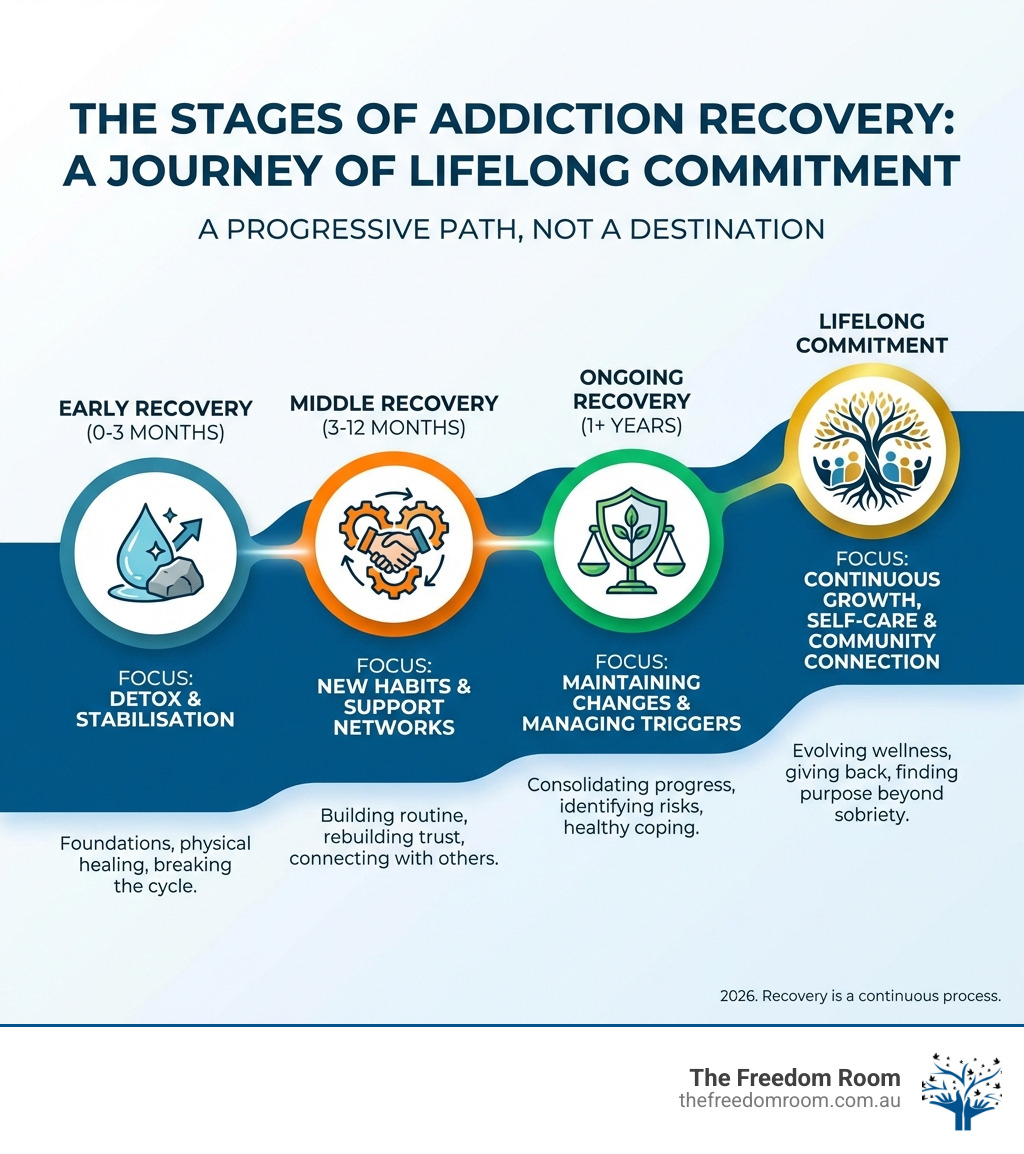
Recovery isn’t about perfection. It’s about progress, resilience, and learning to steer life’s challenges without turning to alcohol. Many people who maintain long-term sobriety describe it as a marathon, not a sprint—a continuous process of self-improvement and healthier living.
The good news? People do recover from addiction. With the right strategies, support systems, and mindset, you can build a fulfilling life free from alcohol. This article explores practical, evidence-based approaches to help you stay committed to your sobriety journey, no matter where you are in the process.
Find more about how to stay committed to sobriety:
How to Stay Committed to Sobriety: Practical Strategies for Success
Our journey to sobriety is deeply personal, yet many of the strategies for lasting change are universal. It involves embracing a new way of living, learning to love our sober lives, and making conscious choices each day to support our long-term wellbeing. This commitment goes beyond simply abstaining; it’s about actively building a life that doesn’t need alcohol.
Addiction is a chronic disease, meaning it requires ongoing treatment, support, and accountability to maintain sobriety. For many of us, this means embracing significant daily changes and developing new habits. We learn to love these changes because they are essential for our long-term sobriety, helping us to steer the ups and downs with resilience. Scientific research on daily habits confirms that consistent routines are vital for sustaining recovery.
Identifying Triggers and Developing Healthy Coping Mechanisms
One of the most crucial steps in learning how to stay committed to sobriety is understanding what makes us vulnerable. Personal triggers are situations, emotions, or places that might tempt us to use alcohol again. These can be environmental cues, emotional distress, or high-risk situations, and they vary greatly from person to person. Identifying our triggers is the first line of defence.
We can identify triggers through self-reflection, journaling, and honest conversations with our support network. Once identified, we can create a trigger management plan. This might involve avoiding high-risk situations, such as changing our route home to bypass an old pub, or having a sober buddy accompany us to social events.
Developing healthy coping mechanisms is equally important. When cravings or urges arise, which typically last only 15 to 30 minutes, having alternative strategies can make all the difference. These mechanisms help us manage stress and emotional distress without resorting to alcohol.
Here are some effective coping mechanisms we can adopt:
- Physical activity: Exercise releases endorphins, improving mood and reducing stress. Even a short walk can be beneficial.
- Mindfulness practices: Deep breathing, meditation, or yoga can help us stay grounded and manage anxiety. Scientific research on mindfulness shows it can significantly reduce cravings.
- Creative expression: Engaging in hobbies like drawing, writing, or playing music can provide a healthy outlet for emotions.
- Connecting with support: Reaching out to a sponsor, therapist, or trusted friend during a difficult moment.
- Distraction techniques: Staying busy with an engaging activity, or using a personal mantra like “This feeling will pass.”

The Role of Support Systems in Staying Committed to Sobriety
No one achieves lasting sobriety alone. A strong support system is a cornerstone of recovery, providing encouragement, accountability, and a sense of belonging. Studies consistently show that people who feel supported by their network are more motivated to stay in recovery. This network can include family, friends, peer support groups, and professionals.
We encourage leaning on trusted family members and friends who understand and respect our commitment to sobriety. It’s also vital to build healthy relationships and, conversely, distance ourselves from toxic ones. Research shows that maintaining toxic relationships can increase the chances of relapse. Surrounding ourselves with positive influences creates an environment conducive to lasting change.
Peer support groups, such as Alcoholics Anonymous (AA) or SMART Recovery, offer invaluable community. These groups provide a safe space to share experiences, gain insights, and receive non-judgmental support from others who understand the challenges of recovery. Many people find a sponsor or mentor within these groups, offering consistent guidance and a direct line for help when struggles arise.
Asking for help is a sign of strength, not weakness. We should never feel afraid or ashamed to reach out to our loved ones or professionals when we are struggling. Professional help, including therapy and counselling, plays a significant role in developing coping skills and addressing underlying issues. To explore how our services can provide this crucial support, you can find more info about our services.
Setting Realistic Goals and Celebrating Milestones
Setting realistic goals and expectations is fundamental to long-term sobriety. Recovery is an ongoing process of growth, not a quick fix. We break down our overarching goal of lifelong sobriety into smaller, manageable steps. These “SMART” goals—Specific, Measurable, Achievable, Relevant, and Time-bound—provide a clear roadmap and boost our confidence with each accomplishment.
Short-term goals might include attending a certain number of support group meetings each week, practising mindfulness daily, or engaging in physical activity a few times a week. Long-term goals could involve rebuilding relationships, pursuing a personal development opportunity, or celebrating significant sobriety dates, such as one year alcohol-free.
Celebrating milestones, no matter how small, is a powerful motivator. Acknowledging our achievements provides positive reinforcement and releases dopamine, the brain’s “feel-good” neurotransmitter, creating a positive association with our sobriety journey. These celebrations can be simple, like a special meal, a day connecting with nature, or a new class.
Practising self-compassion is also integral to this process. Recovery can be challenging, and setbacks may occur. Instead of self-blame, we learn to treat ourselves with kindness, acknowledge our efforts, and forgive past mistakes. This compassionate approach strengthens our resolve and supports our long-term commitment. For therapeutic approaches that can assist with this, you can find more info about EFT and CBT therapy.
Practising Self-Care and Mindfulness for Emotional Balance
Self-care and mindfulness are not luxuries in recovery; they are essential tools for maintaining emotional balance and preventing relapse. Our physical and mental wellbeing are deeply intertwined, and nurturing both creates a strong foundation for sobriety. Prioritising self-care means consistently making choices that benefit our overall health.
This includes maintaining good sleep hygiene, aiming for 7-9 hours of quality sleep each night, and ensuring we eat nutritious meals regularly. Regular physical activity, whether it’s a brisk walk, a swim, or a yoga session, significantly reduces stress, improves mood, and boosts overall wellbeing.
Mindfulness practices, such as meditation, deep breathing exercises, or simply taking mindful walks, help us stay present and observe our thoughts and feelings without judgment. Mindfulness-based relapse prevention (MBRP) combines these practices with cognitive-behavioural therapy (CBT), and studies have shown it can lead to lower relapse rates. Integrating these practices into our daily routine helps us manage anxiety, reduce cravings, and cultivate a sense of inner calm. Structure and consistency help sustain sobriety, with daily routines supporting both body and mind, as highlighted in scientific research on mindfulness.
Finding Meaning and Purpose Beyond Alcohol
For many of us, alcohol once filled a void or provided a false sense of purpose. A crucial aspect of how to stay committed to sobriety is finding new sources of meaning and fulfilment in our lives. This involves exploring interests and passions that bring genuine joy and a sense of accomplishment without the need for substances.
Living a sober lifestyle is about balance and fulfilment. We encourage engaging in hobbies, creative outlets, or volunteering for causes we care about. These activities not only provide healthy distractions but also foster a sense of purpose and connection, which are powerful antidotes to addiction. Whether it’s learning a new skill, joining a local community group in Strathpine, QLD, or pursuing career aspirations, finding meaning helps us build a life we genuinely love.
By redirecting our energy and focus towards positive, constructive pursuits, we create a life so rich and rewarding that alcohol loses its appeal. This renewed sense of purpose can significantly strengthen our commitment to sobriety and provide sustained motivation. If you’re looking for support in building this new, fulfilling life, you can explore more info about affordable addiction treatment services that can help.
Managing Overconfidence and Staying Committed to Sobriety
As we progress in our sobriety journey, a subtle but significant risk can emerge: overconfidence. Feeling strong and stable in our recovery is wonderful, but it can sometimes lead to complacency, making us less vigilant about our daily practices and support systems. This is particularly relevant when navigating challenges like sobriety fatigue, where the continuous effort required can feel draining.
We must remember that addiction is a chronic condition, and recovery is an ongoing process. Symptoms like Post-Acute Withdrawal Syndrome (PAWS), characterised by mood swings, anxiety, and sleep disturbances, can last from six months to two years after stopping alcohol use. These symptoms can be challenging and require continued awareness and coping strategies.
To manage the risks of overconfidence, we practise honesty and vulnerability. This means openly acknowledging any urges, setbacks, or feelings of exhaustion without shame. Staying connected to our support network and seeking professional help when needed are vital safeguards. We continually reflect on our journey, adjust our goals as required, and remain humble in our commitment. This ongoing growth ensures we stay grounded and resilient.
Find the Support You Need for a Lasting, Successful Recovery
At The Freedom Room, we understand the complexities of how to stay committed to sobriety because many of our team members have lived experience in recovery themselves. This allows us to offer authentic empathy and compassionate, cost-effective alcohol addiction treatment. We believe that with the right support, you can build a strong, alcohol-free future.
We offer personalised sessions, workshops, and therapy designed to equip you with the strategies, coping mechanisms, and support systems needed for long-term sobriety. Our approach focuses on empowering you to steer life’s challenges and find lasting fulfilment. If you are seeking support for your journey, we are here to help. You can find more info about alcohol drug abuse treatment and how we can support you.