
Why Stress and Sobriety Are Inextricably Linked
Stress and sobriety are inextricably linked, and a comprehensive understanding of this relationship is fundamental to maintaining long term recovery. Within the Australian cultural landscape, where social consumption of alcohol is frequently integrated into professional and personal environments, navigating daily pressures without substance reliance necessitates a sophisticated comprehension of the interaction between the brain and the nervous system. For many Australians, the transition to a life of sobriety involves more than the cessation of a habit: it requires a systematic recalibration of the physiological stress response. This process is particularly challenging in a society where the ‘work hard, play hard’ mentality often masks the underlying issues associated with substance use.
The following key findings illustrate why stress represents a significant threat to sustained recovery:
- Stress activates the neural pathways associated with cravings, which physically complicates the ability to resist the impulse to consume substances.
- The hormones cortisol and adrenaline saturate the body during periods of distress, triggering the same reward seeking responses that initially drove substance use.
- Chronic substance use facilitates the rewiring of the brain’s stress systems, meaning individuals in recovery often exhibit higher reactivity to stressors than the general population.
- Clinical studies consistently identify stress as a primary factor in relapse, with data suggesting that up to two in three individuals may experience a relapse following treatment.
- Elevated adrenal sensitivity, specifically measured by the cortisol to ACTH ratio, has been shown to increase the risk of alcohol relapse by 2.5 times compared to individuals with lower cortisol release.
When an individual in recovery feels unexpectedly impacted by professional challenges or interpersonal conflicts, it is not a subjective experience but a physiological event. Scientific evidence confirms that stress is a biological occurrence that can rapidly diminish the progress achieved during the recovery process. This guide provides a detailed analysis of why stress serves as a powerful relapse trigger, the physiological impact on the brain and body, and the evidence based strategies available for management.
Discover more about Stress and sobriety:
The Biological Mechanisms of Stress and Sobriety
To comprehend the intricate relationship between stress and sobriety, one must examine the biological mechanisms governing human reactions to external stimuli. When an individual encounters a challenge, the body activates the hypothalamic pituitary adrenocortical (HPA) axis. This system is designed to facilitate survival during immediate threats by releasing hormones such as cortisol and adrenaline. In a regulated system, these levels increase temporarily before returning to a baseline state. However, for individuals in recovery, this system often remains in a state of chronic dysregulation.
Scientific research on the HPA axis indicates that stress induced cravings are driven by these physiological surges. When cortisol levels rise, they can exacerbate feelings of anxiety and hopelessness. For an individual in recovery, these emotions often intensify the desire for substances as a misplaced coping mechanism. This is why stress is often viewed as a disruptive force: it interrupts the stability of sobriety with urgent, physiological demands for relief. You can find more info about stress and alcohol addiction to better understand these biological triggers.
Neuroadaptation and the Stress Response
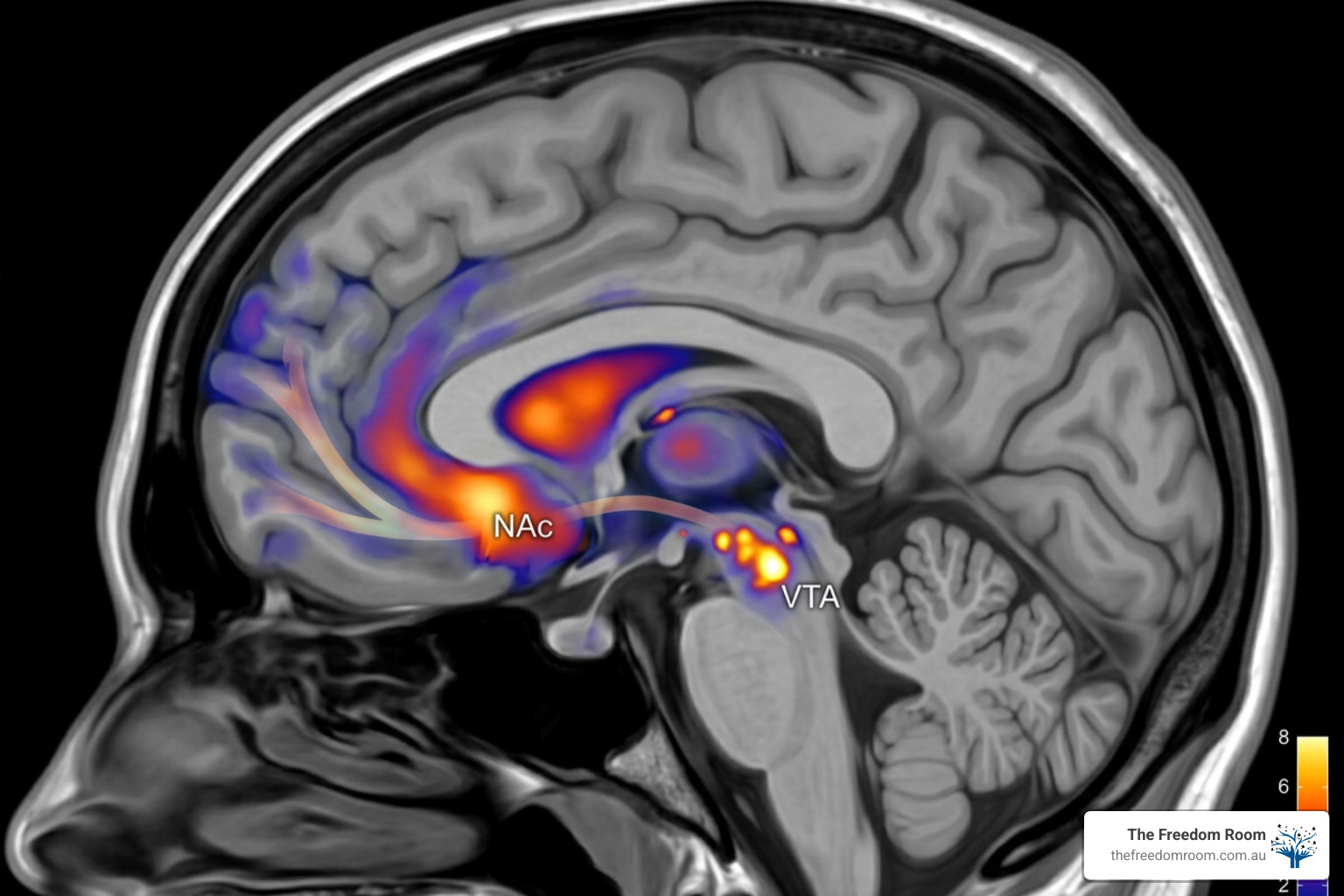
Chronic alcohol consumption does more than establish a habit: it physically alters the architecture of the brain. This process, known as neuroadaptation, modifies how an individual experiences both pleasure and pain. Specifically, long term substance use reduces the density of dopamine D2 receptors in the striatal regions and decreases dopamine transmission within the frontal lobe. This reduction can persist for several months into sobriety, leaving the brain’s reward system significantly dampened. Consequently, everyday stressors feel magnified because the brain lacks the natural neurochemicals required to buffer emotional distress.
Furthermore, scientific research on adrenal sensitivity suggests that individuals in early recovery often exhibit an impaired cortisol response, which serves as a strong predictor of early relapse. This means the body may overreact to minor inconveniences, perceiving routine difficulties as major survival threats. Understanding this biological reality is essential for self compassion. It allows individuals to recognise that their struggles are not a failure of character but a consequence of a healing nervous system that is still adjusting to the absence of substances.
Identifying Triggers within the Australian Context
Recognising the factors that transition manageable pressure into overwhelming distress is a vital skill for maintaining sobriety. Stressors are generally categorised as either acute or chronic. An acute stressor might involve a sudden interpersonal conflict, while chronic distress involves ongoing issues such as workplace burnout or financial instability. In the Australian context, common triggers for those in recovery include relationship conflicts, social isolation, workplace pressures, and the fear of unemployment. The prevalence of alcohol in Australian social settings further complicates these stressors.
Scientific research on stress triggers highlights that identifying these signals early, such as physical tension or social withdrawal, allows for timely intervention before a craving manifests. By maintaining a detailed journal or performing daily emotional check ins, individuals can identify patterns in their emotional landscape. This proactive approach is essential for maintaining long term stability and preventing the accumulation of tension that frequently leads to relapse.
The Physiological Impact of Cortisol and Cravings
The release of cortisol is a complex physiological event. While it assists in reacting to danger, prolonged exposure to high levels of this hormone results in significant emotional and physical strain. Laboratory studies have demonstrated that stress induced alcohol cravings are highly predictive of the volume of alcohol consumed during subsequent periods. This occurs because stress activates the same brain regions associated with substance related cues. When an individual is stressed, the brain seeks the most efficient method to return to homeostasis.
If the historical method for achieving this balance was alcohol, the brain will generate a craving as a survival signal. Understanding this mechanism helps to remove the stigma often associated with cravings: they are a biological response to a hormonal imbalance. Scientific research on stress hormones further explains how these chemical shifts can lead to a sense of hopelessness if not managed through healthy channels. By addressing the physiological root of the stress, individuals can begin to dismantle the power it holds over their choices.
Evidence Based Strategies for Managing Stress and Sobriety
Maintaining stability regarding stress and sobriety requires the implementation of proactive, evidence based strategies rather than a reliance on willpower alone. Building emotional resilience is a progressive process involving the restructuring of daily routines to support holistic wellbeing. This includes the prioritisation of sleep hygiene, nutritional intake, and consistent physical activity. According to Australian alcohol statistics, alcohol remains a significant public health concern, and individuals in recovery must remain vigilant during periods of societal or personal instability.
Finding more info about stress and addiction recovery can provide additional frameworks for maintaining progress. In Australia, the culture of socialising often revolves around licensed premises, which can be a significant stressor for those in early recovery. Developing a comprehensive plan for social situations, including an exit strategy and the selection of non alcoholic beverages, can significantly reduce the anxiety associated with these events. Resilience is cultivated through consistent, incremental actions that reinforce a commitment to a healthier lifestyle.
Establishing a Professional Support Network
Social isolation is a significant risk factor in recovery. A robust support network serves as a critical safety mechanism during high stress periods. This network should include peer support groups, family members, and professional coaches who possess a deep understanding of the recovery journey. Connecting with individuals who have lived experience provides authentic empathy and practical insights. It serves as a reminder that the challenges associated with stress and sobriety are shared experiences.
In Australia, several organisations provide essential support services:
- Alcoholics Anonymous (AA) and Narcotics Anonymous (NA) for structured twelve step programmes.
- SMART Recovery for evidence based tools focusing on self empowerment and cognitive behavioural techniques.
- Hello Sunday Morning for digital support and a community focused on redefining the relationship with alcohol.
- Lifeline (13 11 14) for immediate crisis support and suicide prevention services.
The Application of Mindfulness in Recovery
Mindfulness is a scientifically validated tool for regulating the body’s stress response. Techniques such as diaphragmatic breathing, meditation, and yoga have been shown to increase brain GABA levels, which assist in reducing anxiety and promoting physiological calm. By practising mindfulness, individuals learn to observe cravings and stress signals without immediate reaction. This creates a cognitive buffer between the trigger and the subsequent response.
You can explore more info about stress management techniques to identify a method suitable for your lifestyle. Even brief periods of focused breathing can lower the heart rate and signal to the brain that the environment is safe. Over time, these practices assist in rewiring the brain, making it easier to maintain composure during adversity. Mindfulness is not intended to eliminate stress, but rather to modify the individual’s relationship to it.
Professional Intervention and Therapeutic Support
While self management strategies are essential, there are instances where professional intervention is required. If stress becomes unmanageable or if an individual is addressing underlying trauma, therapeutic support can provide the necessary depth for long term stability. Seeking assistance is a professional approach to health management. For more info about EFT and CBT therapy, professional guidance can assist in navigating the complexities of the internal stress landscape.
Commonly utilised evidence based therapies include:
- Cognitive Behaviour Therapy (CBT): To reframe maladaptive thought patterns and develop healthier coping mechanisms.
- Motivational Interviewing (MI): To strengthen the commitment to change and resolve internal ambivalence.
- Trauma Informed Care: To address historical events that may be driving current stress levels and physical alcohol dependence.
- Emotional Freedom Techniques (EFT): Often referred to as tapping, to assist in regulating emotional distress and reducing the intensity of cravings.
Professional Support for Sustained Recovery
At The Freedom Room Wellness and Recovery, we recognise that the path to sobriety is a complex journey. Located in Strathpine, QLD, we provide compassionate and cost effective alcohol addiction treatment tailored to individual requirements. Our team consists of professionals who possess lived experience in recovery, ensuring a level of authentic support and empathy that is fundamental to the healing process. We offer personalised sessions and workshops designed to assist individuals in managing stress and sobriety effectively.
Whether you require an alcohol recovery coach or structured addiction counselling, our organisation is dedicated to providing comprehensive support. Our focus is on equipping you with the practical tools and emotional resources necessary to build a fulfilling, alcohol free life. Recovery involves more than the cessation of substance use: it requires learning to live a life where the need for such substances is eliminated. By understanding the science of stress and implementing proactive management strategies, you can protect your sobriety during challenging periods.
Achieving Long Term Stability and Abstinence
The human brain possesses a significant capacity for healing, and with appropriate support, the intensity of stress and cravings will diminish over time. Choosing recovery is a significant initial step: the subsequent focus must be on building the resilience required to maintain it. By prioritising holistic wellbeing and professional support, individuals can navigate the complexities of stress without compromising their sobriety. The journey toward a balanced and healthy life is achievable, and our team is available to provide support throughout every stage of the process.
FAQ
1. Why is stress considered a primary catalyst for relapse in addiction recovery? Stress activates the HPA axis and facilitates the release of cortisol, which can stimulate cravings and diminish impulse control. For many individuals, substances served as a primary coping mechanism, causing the brain to revert to established neural pathways under significant pressure.
2. How does chronic substance use alter the body’s natural stress response systems? Long term use results in neuroadaptation, leading to a dampened reward system and heightened sensitivity to stressors. This can manifest as a blunted hormonal response to acute stress alongside a higher baseline of chronic anxiety.
3. What are the primary physiological and psychological effects of stress during sobriety? Physiologically, stress increases heart rate, blood pressure, and cortisol levels. Psychologically, it can result in feelings of hopelessness, irritability, and intense cravings for substances as the brain seeks a return to homeostasis.
4. What practical strategies can assist in maintaining sobriety during high stress periods? Establishing a consistent daily routine, practising diaphragmatic breathing, engaging in regular physical activity, and maintaining a professional support network are all effective methods for navigating stressful periods.
5. How can individuals identify and mitigate personal stress triggers in early recovery? By practising non-judgmental awareness and maintaining a reflective journal, individuals can identify patterns in their stress signals, such as physical tension or social withdrawal, and implement early intervention strategies.
6. What role does a support network play in managing stress and preventing relapse? A support network provides accountability, emotional validation, and practical guidance. Reducing the sense of isolation is critical, as isolation is a known factor that frequently leads to relapse.
7. Which healthy lifestyle habits are most effective at reducing stress in recovery? Prioritising seven to nine hours of sleep, maintaining a balanced diet rich in magnesium and omega 3 fatty acids, and engaging in at least twenty minutes of daily physical activity are highly effective strategies.
8. How do mindfulness and breathing exercises help regulate the body’s stress response? These exercises activate the parasympathetic nervous system, which counters the fight or flight response, reduces cortisol levels, and increases the production of calming neurotransmitters such as GABA.
9. What do scientific studies reveal about the link between stress and cravings? Research indicates that stress induced cravings are a strong predictor of relapse. Laboratory tests confirm that even brief exposure to stress related imagery can trigger significant urges to consume alcohol in individuals in recovery.
10. When is the appropriate time to seek professional help for stress management in recovery? If stress is interfering with daily functioning, causing persistent sleep disturbances, or leading to the perception that a relapse is imminent, it is appropriate to seek professional therapeutic support to address physical alcohol dependence.