

Why Getting Sober at Home Matters
How to get sober at home is a journey that begins with understanding your options and preparing yourself for lasting change. Research shows that approximately 50 percent of people who resolve alcohol and other drug problems do so through natural recovery methods, and many successfully maintain sobriety without traditional residential rehabilitation. While professional support significantly improves outcomes, creating a structured plan for at-home recovery can be an effective pathway for some individuals.
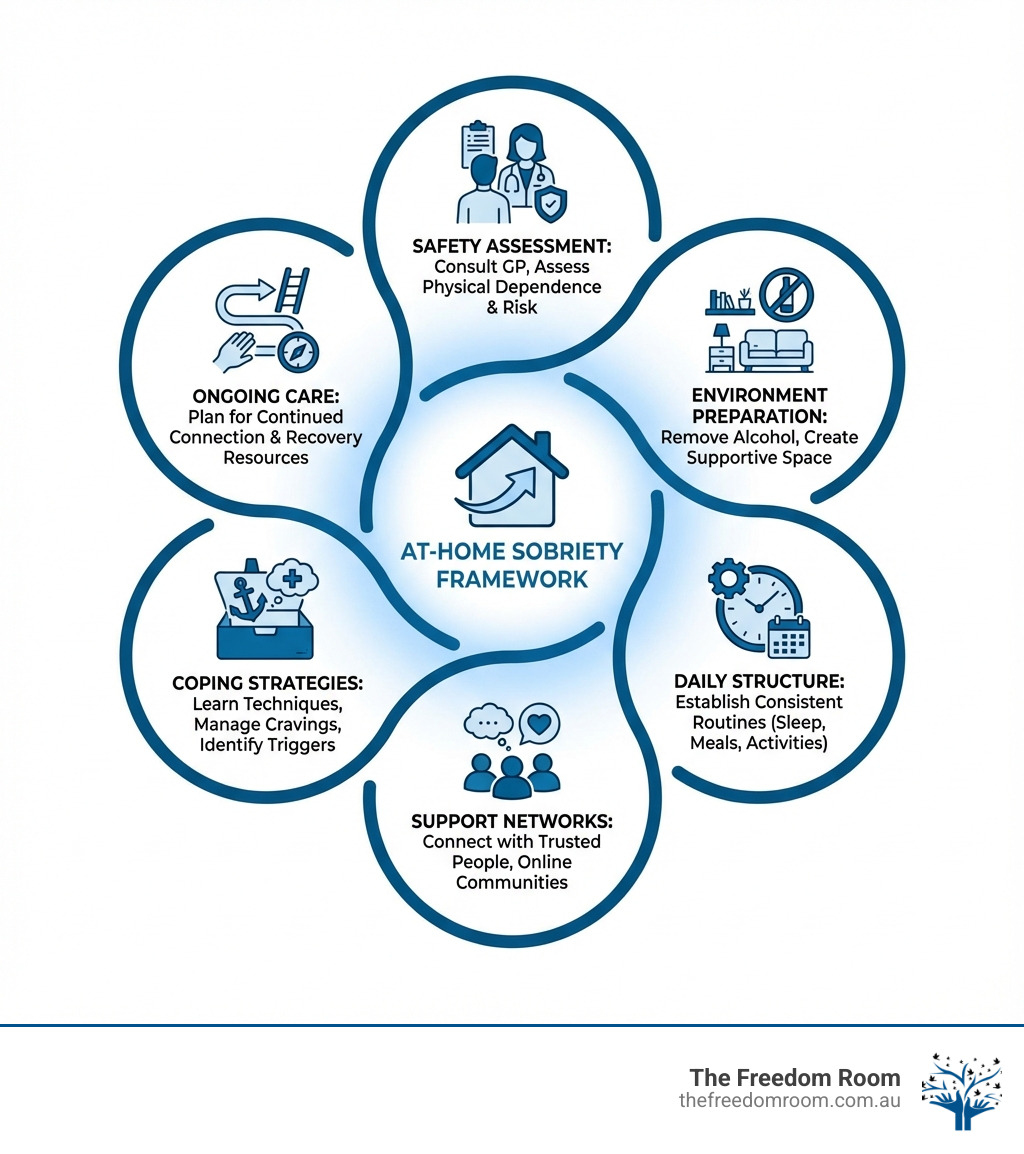
Essential Steps to Get Sober at Home:
- Assess your safety – Consult a GP to evaluate your physical dependence and withdrawal risk
- Prepare your environment – Remove all alcohol and create a supportive home space
- Build your support network – Connect with trusted friends, family, and online recovery communities
- Establish structure – Create consistent daily routines, including sleep, meals, and activities
- Develop coping strategies – Learn techniques to manage cravings and identify triggers
- Plan for ongoing support – Arrange continued connection with recovery resources and peer support
The decision to pursue sobriety from home requires honest self-assessment and careful planning. For those with mild to moderate alcohol use concerns, a home-based approach with proper support can be viable. However, it is critical to understand that attempting to stop drinking without appropriate guidance carries significant risks, particularly for individuals with physical alcohol dependence.
This guide provides a foundational framework for exploring at-home sobriety while emphasising the importance of professional consultation, structured support, and realistic expectations. Recovery is a gradual process that benefits from both preparation and compassion.
How to Get Sober at Home: A Practical Framework
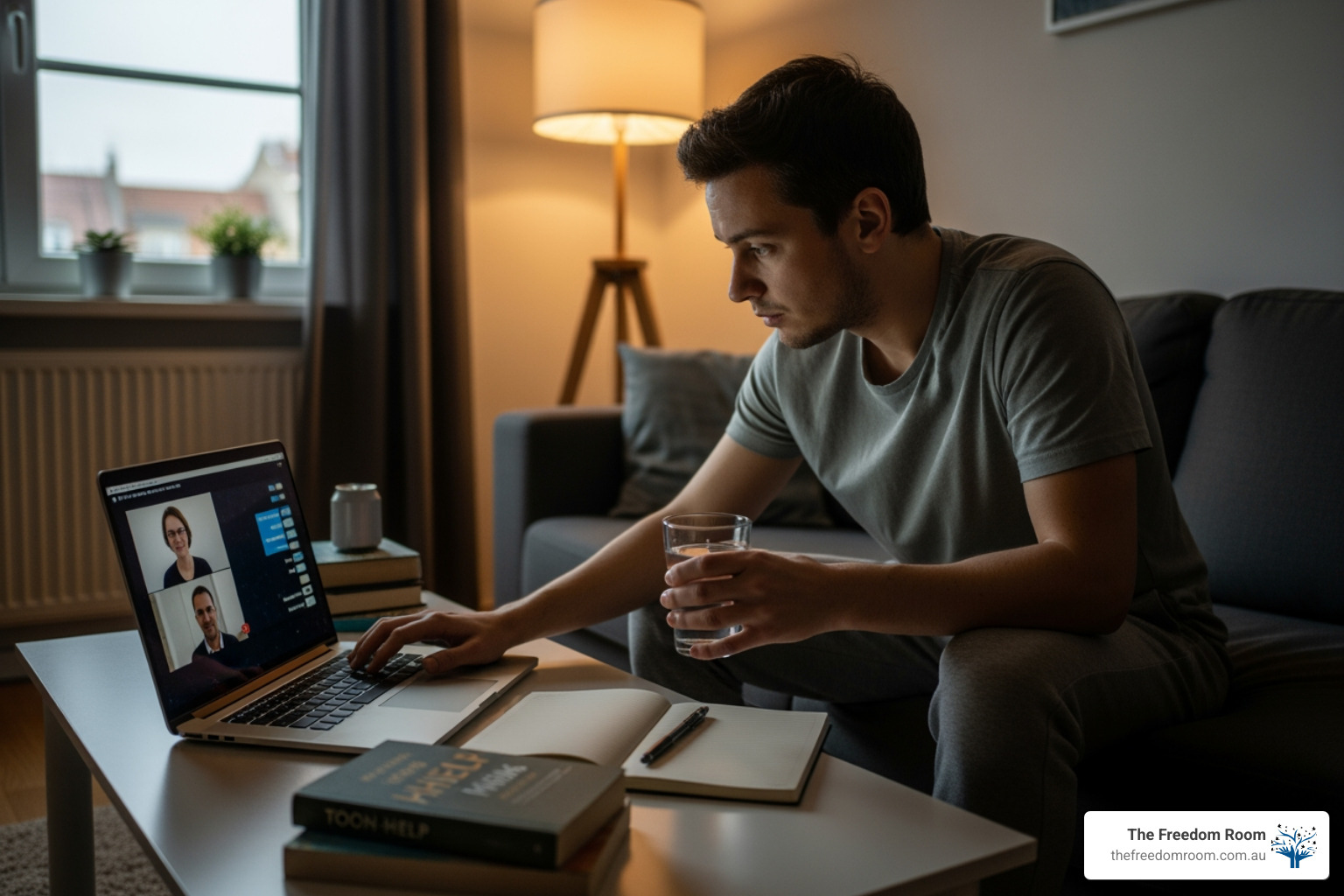
Starting at-home sobriety involves more than just stopping drinking; it requires a structured approach to ensure your safety and support your long-term success. This framework outlines the essential preparations and strategies for establishing a new, alcohol-free life from the comfort of home. Our approach focuses on empowering you to direct your own recovery in a way that aligns with your individual needs and lifestyle.
Key Considerations for How to Get Sober at Home Safely
Before starting on a home-based sobriety journey, it is paramount to consider your individual circumstances, particularly the severity of your alcohol use. While the idea of getting sober independently offers flexibility and privacy, it also comes with notable challenges and risks. Successfully achieving and maintaining sobriety without some form of professional and social support is quite rare.
Physical Dependence on Alcohol:
A crucial first step is to understand whether you have developed a physical alcohol dependence. If you are a heavy drinker or have been consuming alcohol regularly for an extended period, abruptly stopping can lead to dangerous withdrawal symptoms. These symptoms can range from unpleasant to life threatening, including seizures, delirium tremens, and cardiac arrest.
Warning Signs of Alcohol Dependency:
Recognising the early Warning Signs of Alcohol Dependency is vital. These might include needing more alcohol to feel an effect, experiencing withdrawal symptoms when you try to cut back, or continuing to drink despite negative consequences. If you notice these signs, it is essential to seek medical advice.
Risks of Abrupt Cessation:
Attempting to quit alcohol “cold turkey” without medical supervision can be extremely hazardous for individuals with significant physical dependence. The body’s central nervous system, which has adapted to alcohol’s sedative effects, can become overactive when alcohol is removed, leading to severe and potentially fatal reactions.
Alcohol Withdrawal Symptoms:
Typical alcohol withdrawal symptoms can include headaches, shaking, sweating, nausea, anxiety, restlessness, and trouble sleeping. These symptoms are usually worst within the first 48 hours and can gradually improve over three to seven days. However, severe symptoms like confusion, hallucinations, or seizures require immediate emergency medical attention.
When to Consult a GP or Healthcare Professional:
We strongly recommend consulting a GP or other healthcare professional before you begin your journey to get sober at home. They can assess your level of dependence, discuss potential withdrawal symptoms, and advise on the safest detox plan. For mild cases of alcohol dependency, home detox without medication may be possible. However, for higher consumption or a history of withdrawal issues, a medically supported home detox with prescribed medication, such as chlordiazepoxide, might be necessary. In cases of severe dependency, detoxification in a hospital or clinic setting is often required for your safety. Your doctor can also help you develop an Alcohol Dependence Detox plan.
Co-occurring Mental Health Conditions:
Many individuals use alcohol to self-medicate underlying mental health concerns such as anxiety or depression. Research indicates that self-medication of anxiety symptoms with drugs or alcohol is associated with an increased risk of developing substance use disorders. It is crucial to address these Mental Health in Recovery issues concurrently with your sobriety journey. A healthcare professional can help diagnose and provide integrated treatment for both your alcohol use and any co-occurring mental health conditions.
Creating a Safe and Structured Environment
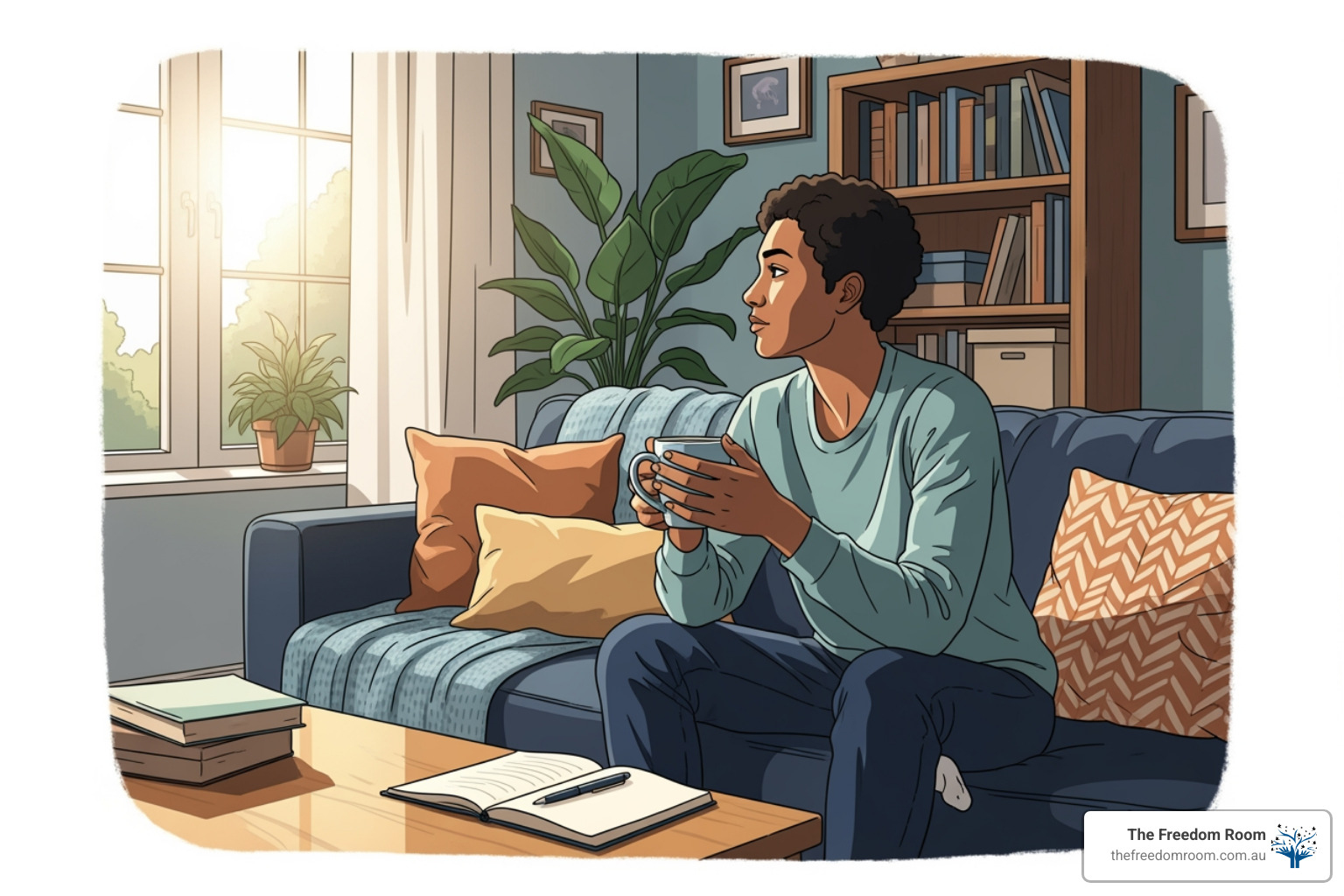
Your home environment plays a significant role in your recovery. To effectively get sober at home, it is crucial to create a space that supports your goals and minimises triggers. This means actively shaping your surroundings and daily life to foster sobriety.
Removing All Alcohol from the Home:
One of the most fundamental steps is to eliminate all alcohol from your living space. This includes spirits, wine, beer, and any alcohol-containing products you might be tempted by. Removing temptation physically helps reduce the mental effort required to resist cravings.
Disposing of Alcohol-Related Paraphernalia:
Beyond the alcohol itself, consider getting rid of items associated with your drinking, such as specific glasses, bottle openers, or barware. These items can serve as powerful visual cues and triggers. Creating a fresh, alcohol-free environment helps signal a new chapter in your life.
Communicating with Your Household:
Open and honest communication with those you live with is essential. Inform your family or housemates about your decision to pursue sobriety at home and ask for their support. This might involve them agreeing not to bring alcohol into the home or to avoid drinking in front of you, especially during the initial stages of recovery. Clear boundaries help everyone understand their role in your supportive environment.
Establishing a Daily Routine:
Maintaining structure and routine in your daily life is a powerful tool to prevent relapse. Too much unstructured free time can lead to dwelling on negative thoughts or seeking old habits. Establishing a consistent routine provides a sense of purpose and predictability. This can be as simple as setting regular wake-up and bedtimes, planning meals, and scheduling activities throughout the day.
Consistent Sleep Schedule:
Alcohol often disrupts sleep patterns, so re-establishing a healthy sleep routine is vital for recovery. Aim for consistent wake-up and bedtimes, even on weekends. Engaging in relaxing activities before bed, such as reading or a warm bath, can help improve sleep quality.
Meal Planning:
Nourishing your body with regular, balanced meals supports both physical and mental well-being during recovery. Planning your meals in advance can help avoid impulsive choices and ensure you are getting the nutrients your body needs to heal. Proper nutrition can also help stabilise blood sugar, which can impact mood and energy levels.
Scheduling Enjoyable Activities:
Filling your free time with enjoyable and meaningful activities is key to preventing boredom and reducing the urge to drink. This could involve rekindling old hobbies or exploring new ones. Consider activities like reading, creative pursuits, gardening, or engaging in gentle exercise. Prioritising Self-Care Activities is not a luxury, but a necessity for sustained sobriety.
Building Your At-Home Support Network
Recovery is rarely a solitary journey, even when you choose to get sober at home. A robust support system provides encouragement, accountability, and a vital sense of connection. While in-person meetings might not always be possible or preferred, many effective strategies exist for staying connected.
Talking to Trusted Friends and Family:
Reach out to friends and family members who you know are supportive of your sobriety. Share your decision and your plan with them. Their understanding and encouragement can be a significant source of strength. They want to see you succeed.
Setting Clear Boundaries:
It is important to set clear boundaries with your support network. This might involve asking them not to drink in your presence or to avoid certain topics that could be triggering. Communicate your needs openly to ensure they can support you effectively without inadvertently creating difficult situations. For family members of those struggling with alcohol misuse, organisations like Al-Anon provide valuable support and guidance, recognising that addiction affects the entire family unit.
Online Alcohol Support:
The digital age has transformed how we access support, making Online Alcohol Support more accessible than ever. Online platforms offer a flexible and convenient way to connect with others who understand your journey, especially when in-person meetings are not an option.
The Role of Virtual Meetings and Online Support:
Virtual meetings and online support groups have become invaluable resources. Organisations like Alcoholics Anonymous (AA) and SMART Recovery offer online meeting options, providing structured support and community from the comfort of your home. These platforms allow you to participate in discussions, share experiences, and learn coping strategies from peers. Recent evidence suggests that less than 50 percent of people use AA as their primary method of recovery today, highlighting the growing diversity of pathways available.
Peer Support Recovery:
Connecting with peers who have lived experience of recovery is incredibly powerful. Peer Support Recovery fosters a sense of belonging and reduces feelings of isolation, which can be significant triggers for relapse. These connections remind you that you are not alone in your struggles or your successes.
Online Forums and Communities for Connection and Encouragement:
Beyond formal meetings, online forums and communities offer ongoing connection and encouragement. These platforms provide a space to ask questions, share insights, and receive support at any time of day. We believe there are nearly as many pathways to recovery as there are people, and these diverse online options empower you to choose the path that works best for you.
Quick Reference List:
- Online support groups facilitated by The Freedom Room
- Virtual peer support meetings
- Moderated online forums for those in recovery
Developing Healthy Coping Mechanisms for How to Get Sober at Home
A crucial part of successful at-home sobriety is learning to manage the psychological aspects of recovery, particularly triggers and cravings. Developing healthy coping mechanisms empowers you to steer through challenges without turning to alcohol.
Identifying Personal Triggers:
Understanding your personal triggers is the first step in managing them. Triggers can be internal, such as stress, anxiety, or loneliness, or external, such as certain people, places, or situations. Take time to reflect on what typically leads you to drink. Keeping a journal can be an excellent tool for identifying these patterns.
Coping With Alcohol Cravings:
Cravings are a normal part of recovery, but they can feel overwhelming. Effective strategies for Coping With Alcohol Cravings include distraction, talking to a trusted person, or reminding yourself of your reasons for sobriety. Cravings are temporary; they will pass.
The ‘Urge Surfing’ Technique:
A powerful technique for managing cravings is “urge surfing.” This involves acknowledging the craving without judgment, allowing it to intensify, and then observing it as it gradually subsides, much like riding a wave. Instead of fighting the urge, you learn to experience it and let it pass naturally. This approach encourages acceptance rather than resistance, which can be empowering.
Mindfulness for Alcohol Recovery:
Practices such as Mindfulness for Alcohol Recovery can significantly improve your ability to cope with cravings and emotional challenges. Mindfulness helps you stay present, observe your thoughts and feelings without getting carried away by them, and develop a greater sense of control over your reactions. Meditation groups, for example, can be a valuable resource for learning and practising these techniques.
The Benefits of Regular Exercise:
Physical activity is a fantastic coping mechanism. Regular exercise not only improves your mood by releasing endorphins but also helps manage stress and anxiety, which are common triggers for drinking. Even a daily walk in nature can make a significant difference.
Refinding Hobbies:
Refinding old passions or finding new hobbies can fill the void that alcohol once occupied and bring a renewed sense of purpose and enjoyment. This could be anything from painting and playing music to gardening or learning a new language. Engaging in fulfilling activities helps create a life that you do not want to escape from.
The Healing Power of Journalling:
The Healing Power of Journalling cannot be overstated. Regularly writing down your thoughts, feelings, and experiences can help you process emotions, identify triggers, track your progress, and reinforce your commitment to sobriety. It is a private space for self-reflection and growth.
Healthy Stress Management:
Stress is a universal experience, but how we manage it can determine our success in recovery. Developing healthy stress management techniques, such as deep breathing exercises, progressive muscle relaxation, or simply taking time for yourself, is crucial. Avoid turning to old, unhealthy coping mechanisms and instead accept new, positive ways to steer life’s pressures.
Ready for Change? Let’s Build a Stronger, Alcohol-Free Future Together
Sobriety is a gradual process, not a single event; focus on progress over perfection. Building a supportive and structured environment is fundamental to navigating the challenges of early recovery. At The Freedom Room, we understand this journey because we have walked it ourselves. If you are ready to take the next step, we invite you to explore our personalised treatment options.
If you are unsure where to start or need personalised guidance on getting sober at home, you can contact us to talk through your options and next steps.