
When Alcohol Affects the Whole Family: Where to Find Support
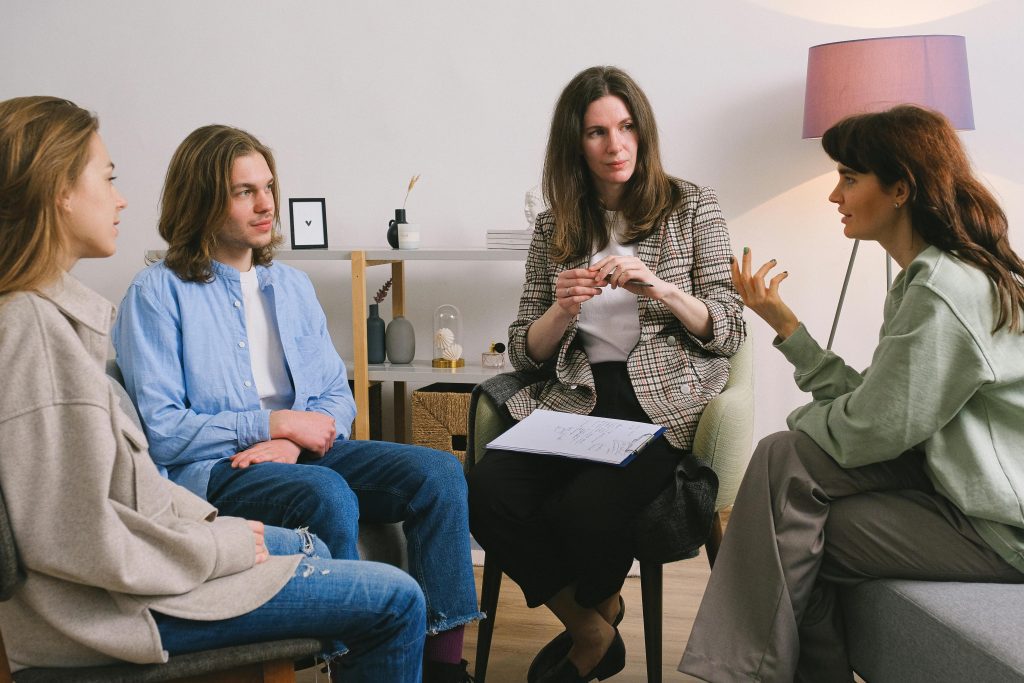
Family alcohol support groups are structured peer led communities where relatives and friends of individuals with a physical alcohol dependence can share experiences. These groups facilitate the development of coping skills and provide a sense of understanding from others in comparable circumstances. Within the Australian context, these networks provide a vital safety net for those navigating the complexities of a loved one’s drinking habits. The primary objective of these organisations is to mitigate the isolation often felt by family members and to provide evidence based strategies for maintaining personal wellbeing.
According to the Australian Institute of Health and Welfare, alcohol remains the most common substance for which Australians seek treatment. However, the impact of alcohol use disorder extends far beyond the individual. It is estimated that for every person with a physical alcohol dependence, at least five to ten other people are significantly affected. This ripple effect can cause profound distress within the family unit, impacting children, spouses, and extended relatives. The socio-economic burden of alcohol misuse in Australia is substantial, and the emotional toll on families often remains an under-addressed aspect of public health.
The following organisations provide support in Australia and internationally:
- Al-Anon Family Groups: A 12 Step fellowship for family and friends of anyone with a drinking problem.
- Alateen: A 12 Step group specifically for teenagers affected by a family member’s drinking.
- Nar-Anon: A fellowship for families affected by a loved one’s drug or alcohol use.
- Families Anonymous: A group dealing with drug, alcohol, or related behavioural issues.
- SMART Recovery Family and Friends: An evidence based model using CRAFT principles for anyone in a close relationship with someone struggling with addiction.
- Al-Anon Australia: The local branch of the 12 Step fellowship for Australian families and friends.
Residing with an individual who has a physical alcohol dependence is exhausting. It affects sleep, finances, interpersonal relationships, and mental health. These issues often manifest long before the person drinking even acknowledges there is a problem. Alcoholism is widely understood as a family disease. This means the emotional impact does not stop with the individual. It ripples outward to partners, parents, children, and close friends, reshaping daily life in ways that can feel isolating and overwhelming. The psychological burden of hyper-vigilance and the constant management of a loved one’s crises can lead to secondary trauma for family members.
It is important to recognise that individuals do not have to manage this situation in isolation. Peer support groups exist specifically for people in this position, and research consistently demonstrates their efficacy. By connecting with others, family members can begin to untangle their own wellbeing from the choices of their loved one. This process involves establishing healthy boundaries and focusing on personal recovery, regardless of whether the individual with the physical alcohol dependence chooses to seek treatment.
Navigating Family Alcohol Support Groups
When family members first realise that a loved one’s drinking has become problematic, the instinct is often to conceal the issue. This leads to profound social isolation and emotional distress. Family alcohol support groups provide a vital antidote to this secrecy by offering a non-judgemental space where shared experience is the primary currency. In these settings, participants find individuals who truly understand the chaos of living with addiction. The collective wisdom of the group serves as a powerful tool for navigating the complexities of the recovery journey.
Whether located in Strathpine or elsewhere in Queensland, accessing mutual support is a cornerstone of maintaining mental health. Resources such as Adis QLD provide 24/7 support, but the ongoing connection found in peer groups offers a unique type of long-term stability. These groups allow participants to speak openly without the fear of stigma or misunderstanding that often accompanies discussions about substance use in general social circles. The formal structure of these meetings ensures that every participant has the opportunity to be heard in a safe and respectful environment.

Understanding 12-Step-Based Family Support Models
The most well-known alcohol family support networks are rooted in the 12 Step philosophy. These fellowships, such as Al-Anon, were established in the mid-20th century. Al-Anon was co-founded in 1951 by Anne B. and Lois W., the wife of Alcoholics Anonymous (AA) co-founder Bill Wilson. These groups operate on the foundational belief that alcoholism is a family disease. This perspective shifts the focus from the individual with the physical dependence on alcohol to the health and recovery of the entire family unit.
This concept suggests that the person drinking is not the only one affected. The family’s dynamics often shift into patterns of enabling, hyper-vigilance, or deep resentment. By adapting the foundational 12 Steps of AA, family members learn to focus on their own recovery rather than trying to control the drinker’s behaviour. Scientific research on peer support benefits indicates that these models help participants regain a sense of agency. The process involves admitting powerlessness over the alcohol use of others and seeking a path toward personal serenity.
Instead of being victims of a loved one’s choices, members learn to set healthy boundaries and detach with love. This detachment does not mean a lack of care. Rather, it means recognising that one cannot control another person’s actions. This shift in perspective is often the first step toward personal peace and improved mental health for the entire household. The 12 Step model encourages a spiritual, though not necessarily religious, approach to healing, allowing individuals to find strength in a power greater than themselves, which many interpret as the collective support of the group.
Exploring Diverse Peer-Led Family Support Models
While 12 Step groups are prevalent, they are not the only option. Many families find success with models based on cognitive behavioural principles or community reinforcement. These alternatives often focus more on practical skill building and communication strategies. They are particularly useful for those who prefer a secular or evidence based approach to recovery. These models often emphasise the importance of self-care and the use of positive reinforcement to encourage a loved one toward treatment.
- SMART Recovery Family and Friends: This model uses CRAFT (Community Reinforcement and Family Training) therapy. It focuses on self-care and finding ways to influence a loved one toward treatment without using confrontation. CRAFT is highly regarded for its focus on improving the quality of life for the family member while simultaneously increasing the likelihood of the drinker seeking help.
- Families Anonymous: A 12 Step fellowship that specifically addresses the destructive behaviour of a loved one, whether caused by drugs, alcohol, or related issues. It provides a structured environment for addressing the specific challenges of parenting or supporting an adult child with a physical dependence on alcohol.
- Nar-Anon: While often associated with narcotics, Nar-Anon welcomes those affected by any type of substance use disorder within the family unit. It follows a similar structure to Al-Anon but may be preferred by those whose loved ones use multiple substances.
- Adult Children of Alcoholics (ACA): Specifically for those who grew up in dysfunctional homes, focusing on the long-term emotional impact of childhood environments. This group addresses the ‘laundry list’ of traits often developed by children in these households, such as a fear of authority and a tendency to isolate.
Finding the right peer support recovery path is a personal journey. It is often recommended that individuals attend several different types of meetings to determine which philosophy resonates most with their personal values. The Department of Health and Aged Care also provides resources for families to understand the different types of support available in the Australian healthcare system, ensuring that families can access a comprehensive range of services.
Benefits of Peer-Led Family Alcohol Support Groups
The advantages of joining a support group extend far beyond simple conversation. Membership surveys and scientific research on social processes in recovery highlight several key improvements in the lives of participants. These benefits include improved mental health and emotional stability. Participants report lower levels of anxiety and depression as they stop carrying the burden of the drinker’s choices. The validation received from peers is a critical component of the healing process.
Learning that one did not cause the addiction, cannot control it, and cannot cure it provides immense emotional relief. Furthermore, connecting with others who share similar stories breaks the cycle of shame and secrecy. Members share practical coping strategies, such as how to handle financial strain or how to talk to children about a parent’s drinking. Data suggests that approximately 65% of people attending these groups have sought professional therapy beforehand. Peer support often acts as a powerful supplement to clinical treatment, providing a continuous source of encouragement and accountability.
Professional Support and Clinical Interventions in Strathpine
At The Freedom Room Wellness and Recovery, the understanding is that the family requires as much care as the individual struggling with a physical alcohol dependence. The team is unique because the practitioners are in recovery themselves. They possess the necessary qualifications and the lived experience to offer authentic empathy. This perspective allows for a deeper connection with families, providing insights that only come from having walked a similar path. The integration of professional expertise and personal experience creates a robust framework for family healing.
We provide family alcohol counselling and personalised sessions in Strathpine, Queensland. The objective is to assist families in navigating the complexities of addiction within the home. Whether seeking workshops or one-on-one therapy, individuals can discover the support you need for a lasting, successful recovery within the local community. These services are designed to address the specific needs of the Strathpine area, ensuring that help is accessible and relevant.
Our clinical approach incorporates several evidence based modalities. Cognitive Behavioural Therapy (CBT) is utilised to help family members identify and change negative thought patterns. Additionally, Emotional Freedom Techniques (EFT), often referred to as tapping, are employed to help manage the acute stress and trauma that often accompany living with a person who has a physical alcohol dependence. These tools are designed to empower individuals, providing practical ways to regulate emotions during difficult times. The combination of these techniques allows for a holistic approach to recovery that addresses both the mind and the body.
Determining if a Group is Right for You
Deciding to seek help is a significant step. If an individual is unsure if addiction peer support is necessary, several self-assessment questions should be considered. Does the individual find themselves lying to cover up for someone else’s drinking? Have social invitations been declined due to embarrassment regarding a loved one’s behaviour? Is there a belief that if the other person loved them, they would stop drinking? Is there constant worry about the state the loved one will be in upon returning home?
If the answer to any of these questions is affirmative, a support group could be beneficial. While these groups are excellent for emotional maintenance, they differ from professional therapy. Professional sessions at The Freedom Room can provide deeper clinical interventions that complement the peer support found in community groups. A comprehensive recovery plan should address both the emotional and practical aspects of the situation. By combining peer support with professional guidance, a robust support system can be created that fosters long-term resilience and health for everyone involved. This multi-faceted approach ensures that all members of the family unit receive the necessary support to thrive.
Take the First Step Toward a Fulfilling, Alcohol-Free Life
The journey of a family affected by alcohol is often long and complex. However, the introduction of family alcohol support groups can provide the necessary guidance to find a path back to peace. It is not necessary to carry the weight of someone else’s addiction in isolation. By combining the lived experience of peer groups with the professional, empathetic guidance offered at The Freedom Room Wellness and Recovery in Strathpine, a stable foundation for the entire family can be established. The process of recovery is a marathon, not a sprint, and having a supportive community is essential for long-term success.
Recovery is possible, and it begins with the decision to reach out for assistance. Whether choosing a 12 Step fellowship, a SMART Recovery group, or professional counselling, the most important action is taking that initial step. Personal wellbeing is valuable, and every individual deserves to live a life that is not defined by someone else’s physical dependence on alcohol. Support is available at every stage of the journey as individuals reclaim their lives and their happiness. The commitment to recovery is a commitment to a healthier, more stable future for the entire family unit.
If your family needs more than peer support, The Freedom Room offers compassionate, practical help through its services and easy ways to contact the team for next steps.
FAQ
What is the difference between AA and Al-Anon? Alcoholics Anonymous is designed for the individual who has a drinking problem. Al-Anon is a separate fellowship specifically for the family and friends of the person with a drinking problem. Both organisations follow the 12 Step model but focus on different aspects of the recovery process, with Al-Anon focusing on the family member’s own health and boundaries.
Can I attend Al-Anon if my loved one is still drinking? Yes. Al-Anon is intended for the family member, regardless of whether the person they care about is still drinking or has achieved sobriety. The focus remains on the participant’s wellbeing and personal growth, not the status of the drinker. Many members find that their own recovery helps them interact more healthily with the person who is drinking.
Are these groups confidential? Yes, confidentiality is a core principle of all peer support groups. Members are required not to share what they see or hear at meetings to protect the privacy of all participants. This creates a safe environment where individuals can be honest about their struggles without fear of professional or social repercussions.
Do I have to speak at a meeting? No. Many individuals attend their first few meetings solely to listen. There is no requirement to share a personal story until the individual feels comfortable doing so. Simply being present and hearing others share similar experiences can be a significant part of the healing process.
How often should I attend? Most participants find that attending at least one meeting per week helps maintain emotional balance. It is often suggested to attend at least six meetings before deciding if the group is a suitable fit. Consistency is key to seeing long-term improvements in mental health and coping abilities.
Is Al-Anon a religious organisation? No, Al-Anon is not allied with any sect, denomination, or religion. While the term Higher Power is used, it is interpreted individually. This can mean a spiritual entity, the collective wisdom of the group, or the power of nature. It is a spiritual programme rather than a religious one.
How much does it cost to join? Most peer led groups like Al-Anon and SMART Recovery are free of charge. They are self-supporting through voluntary contributions from members. There are no dues or fees required for membership, making these groups accessible to everyone regardless of their financial situation.
Is there support for teenagers? Yes, Alateen is a specific branch of Al-Anon for younger family members. It provides a safe space for teenagers to share their experiences with peers who are also coping with a parent or relative’s drinking. These meetings are usually facilitated by adult Al-Anon members who have undergone appropriate background checks.