

Accountability in addiction recovery: 7 Powerful Ways for Success 2025
Why Accountability in Addiction Recovery Changes Everything
Accountability in addiction recovery is the practice of taking ownership of your actions, being honest about your progress, and staying committed to your sobriety goals through regular check-ins with yourself and others.
Key aspects of accountability include:
- Personal ownership – Taking responsibility for your choices and their consequences
- Honesty – Being truthful about setbacks, triggers, and progress with yourself and support network
- Regular check-ins – Scheduled meetings with sponsors, therapists, or accountability partners
- Goal tracking – Monitoring your recovery milestones and celebrating wins
- Transparency – Open communication about struggles and successes
Research shows that individuals using technology-based accountability tools have a 92% compliance rate with their recovery programme, compared to just 55% for those without such tools. People participating in regular group therapy or 12-step meetings are up to twice as likely to maintain long-term sobriety.
Recovery isn’t a solo mission. It’s about building a squad of supporters who help you stay on track when motivation wavers. Whether it’s a sponsor checking in weekly, a therapist helping you process triggers, or a peer group celebrating your milestones, accountability creates the structure that turns good intentions into lasting change.
Many people avoid accountability because they fear judgement or consequences. But here’s the thing – accountability isn’t about perfection. It’s about progress, honesty, and having people in your corner who genuinely want to see you succeed.
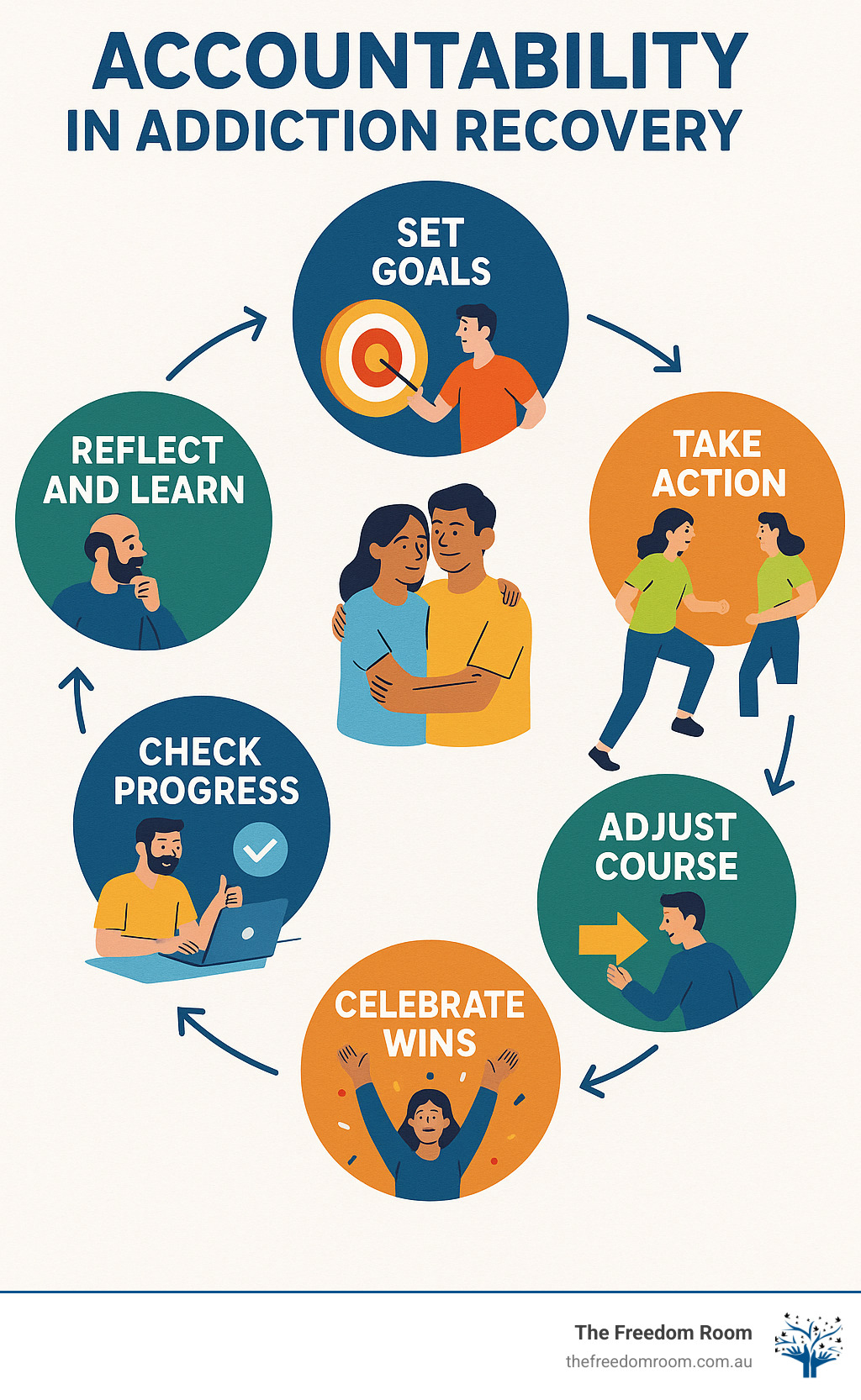
What Does Accountability Mean in Addiction Recovery?
Accountability in addiction recovery is about being answerable to yourself and others for your actions, decisions, and commitment to staying sober. But here’s what it’s not – it’s not about punishment, shame, or having someone constantly looking over your shoulder waiting for you to mess up.
Think of accountability as your recovery compass. When you’re hiking through unfamiliar territory, you need something to keep you pointing in the right direction, especially when the path gets foggy or you hit rough terrain. That’s exactly what accountability does for your recovery journey.
The beautiful thing about accountability is that it puts you back in control. Instead of feeling like recovery is something happening to you, accountability helps you realise that you have real power to influence your outcomes. It’s the difference between being a passenger and being the driver of your own life.
Personal ownership forms the foundation of meaningful accountability. This means acknowledging that whilst addiction is absolutely a disease, your daily recovery choices are yours to make. It’s not about blaming yourself for having addiction – it’s about recognising that you have the strength to make decisions that support your wellbeing.
Honesty is where accountability gets real. This includes being truthful about the tough stuff – slip-ups, close calls, emotional struggles, and those moments when you’re not sure you can keep going. Many people think they need to present a perfect recovery story, but authentic accountability thrives on real conversations, not highlight reels.
Scientific research on accountability and relapse reduction shows that structured accountability measures can reduce relapse rates by 40-60%. This isn’t just feel-good theory – it’s solid evidence that accountability genuinely works.
Commitment means following through even when motivation wavers. Some days you’ll wake up feeling ready to conquer the world, and other days you’ll struggle to get out of bed. Accountability helps bridge those gaps by creating structure that supports you through both the highs and the challenging moments.
Responsibility in recovery means owning your progress without carrying unnecessary shame about your past. It’s about focusing your energy on what you can control today rather than getting stuck in regret about yesterday.
Internal vs External Accountability
Internal accountability is the relationship you have with yourself – those personal promises you make and your ability to honestly check in with how you’re tracking. This includes daily self-reflection, staying aware of your emotional state, and recognising your triggers before they become overwhelming.
Self-monitoring might sound clinical, but it’s really just about paying attention to yourself with kindness. This could be as simple as asking yourself each morning how you’re feeling and what support you might need that day.
External accountability brings other people into your recovery circle. This might include sponsors who understand the journey firsthand, therapists who provide professional guidance, family members who love you, or peer support groups where you can share experiences with people who truly get it.
The magic happens when you combine both types. On days when your internal motivation feels shaky, external accountability can provide the encouragement you need. When external support isn’t immediately available, strong internal accountability keeps you grounded and focused.
Tech tools have opened up new possibilities for accountability. Apps that track your progress, mood monitoring tools, and even devices that provide real-time feedback create supportive systems that work around the clock.
Accountability in Addiction Recovery and Honesty
You simply can’t have meaningful accountability in addiction recovery without honesty. Without transparency, accountability becomes a performance rather than genuine commitment to change. This means being real about the good days, the tough days, and everything in between.
Transparency with your support network means sharing your actual experiences, not just what you think people want to hear. If you’re struggling with cravings, feeling isolated, or questioning your commitment, these are exactly the things your accountability partners need to know so they can offer the right kind of support.
Self-inventory is a crucial part of honest accountability. This involves regular, gentle assessment of your emotional state, triggers you’ve encountered, coping strategies that worked (or didn’t), and areas where you’re finding things challenging. Many people find that keeping a recovery journal helps them track patterns and stay honest with themselves about their progress.
Sharing your goals with your support network creates positive accountability pressure that actually reinforces your commitment. When people know what you’re working towards, they can celebrate your wins and offer encouragement during the inevitable bumpy patches. It’s not about having people police your behaviour – it’s about building a team of supporters who genuinely want to see you succeed.
Why People Avoid Accountability—and the Cost of Dodging It
Despite its proven benefits, many people in recovery resist accountability in addiction recovery. Understanding why this happens – and what it costs – can help you overcome these barriers and accept accountability as a recovery superpower.
Shame often becomes the biggest roadblock to accountability. Many people carry deep shame about their addiction, the harm they’ve caused, and their past failures. The thought of being “watched” or “monitored” can feel like additional judgement piled on top of an already heavy burden. But here’s the truth: genuine accountability comes from a place of support and compassion, not judgement.
Fear drives much of the resistance we see. Fear of disappointing others, fear of consequences if you slip up, fear of being seen as weak or unreliable. These fears feel enormous when you’re sitting alone with them. But from our experience working with countless people in recovery, the fear of accountability is almost always worse than the reality of it.
Denial can make accountability feel completely unnecessary. “I’ve got this under control,” or “I don’t need someone checking up on me,” are refrains we hear regularly. But scientific research on avoidance patterns shows that people who resist accountability structures are at significantly higher risk of relapse.
Stigma around addiction creates another barrier. The fear of being labelled or discriminated against feels very real, especially in smaller communities where word travels fast. But isolation in recovery is far more dangerous than the potential stigma of seeking support. Most people are more understanding than we give them credit for.
Triggers themselves can make accountability feel overwhelming. When you’re already struggling with cravings or emotional upheaval, the thought of having to report these struggles to someone else can feel like too much to handle. This is exactly when accountability becomes most crucial, even though it feels hardest to maintain.
Common Excuses That Sabotage Progress
We’ve heard every excuse in the book, and whilst they might feel valid in the moment, they’re often defence mechanisms that protect us from the vulnerability that accountability requires. Recognising these patterns can help you push through the resistance.
“I’m too busy for regular check-ins” is perhaps the most common excuse we encounter. But recovery is either a priority or it isn’t. If you’re too busy for accountability, you might be too busy for sustainable recovery. It’s worth examining what’s really taking up that time and whether it’s truly more important than your sobriety.
“I don’t want to burden others with my problems” comes from a place of caring, but it’s misguided. Most people in recovery circles genuinely want to help because they understand the struggle firsthand. You’re not a burden; you’re part of a community where mutual support is the foundation.
“I work better alone” might have been true in other areas of your life, but addiction thrives in isolation. Even the most independent people benefit from external support and perspective when it comes to recovery. Going it alone isn’t strength; it’s often fear disguised as independence.
“I’ve been sober for months, I don’t need it anymore” reflects a dangerous complacency. Length of sobriety doesn’t eliminate the need for accountability structures. In fact, overconfidence after initial success is often a relapse trigger. Long-term recovery requires long-term support systems.
“I’ll restart accountability after I get through this rough patch” is perhaps the most dangerous excuse of all. Rough patches are exactly when you need accountability most, not when you should abandon it. It’s like taking off your seatbelt because the road looks bumpy ahead.
Consequences of Skipping Accountability Check-ins
When people avoid or abandon accountability, the consequences are predictable and often severe. We’ve seen this pattern play out too many times, and it’s always heartbreaking because it’s so preventable.
Relapse spikes are the most obvious and devastating consequence. Without regular check-ins, small problems snowball into major crises before anyone notices. Those early warning signs that could have been addressed with a simple conversation get missed completely. By the time someone reaches out for help, they’re often already in crisis mode.
Mental health decline frequently accompanies the abandonment of accountability. The isolation that comes with avoiding accountability can worsen depression and anxiety, creating a vicious cycle. People feel too low to reach out for the support they desperately need, which makes them feel even lower. It’s a spiral that’s much easier to prevent than to reverse.
Broken trust with family and friends becomes another costly consequence. When people avoid accountability, their loved ones often interpret this as a lack of commitment to recovery. This leads to damaged relationships and reduced support exactly when it’s needed most. Family members start walking on eggshells, wondering if they should be worried, and the person in recovery feels increasingly isolated.
The research is clear: people who don’t maintain regular accountability structures experience higher relapse rates, increased isolation, and decreased motivation over time. But more importantly, they miss out on the genuine connection and support that makes recovery not just possible, but enjoyable.
Building Your Accountability Toolkit: Internal & External Strategies
Building a strong accountability system is like assembling a toolkit – you need different tools for different situations. The most successful people in recovery combine internal strategies (things you do for yourself) with external strategies (involving others and tools) to create a comprehensive support system.
Goal-setting forms the foundation of any accountability system. Rather than vague hopes like “I want to stay sober,” effective accountability starts with SMART goals – Specific, Measurable, Achievable, Relevant, and Time-bound. For example, “I will attend three recovery meetings this week and check in with my sponsor twice” gives you clear benchmarks to measure your progress against.
Tracking apps have revolutionised personal accountability in ways we couldn’t have imagined even a decade ago. From simple sobriety counters that celebrate your alcohol-free days to comprehensive mood and trigger tracking systems, technology provides real-time feedback that keeps you connected to your recovery goals. Many people find that seeing their progress visualised – whether it’s days sober, meetings attended, or mood patterns – helps maintain motivation during difficult periods.
Sponsors and mentors bring the irreplaceable element of human connection and wisdom from lived experience. The sponsor relationship in 12-step programmes is a time-tested form of accountability that combines support, guidance, and gentle pressure to maintain recovery commitments. There’s something powerful about being accountable to someone who’s walked the same path and understands your struggles without judgement.
Group meetings create community accountability that many people find surprisingly motivating. Whether through Group Recovery Meetings or other support groups, when you’re expected to show up and share your experience, you’re more likely to stay engaged with your recovery. The simple act of having to report on your week to a group of peers creates positive pressure that keeps you honest.
Journalling helps maintain internal accountability by creating a record of your thoughts, feelings, and experiences. Many people find that writing about their recovery journey helps them identify patterns and stay honest with themselves about their progress. It’s like having a conversation with yourself on paper – sometimes you don’t know what you’re thinking until you write it down.
Professional support through Addiction Counselling provides expert guidance and structured accountability custom to your specific needs. Therapists can help you develop personalised accountability strategies and work through any resistance you might have to being accountable. They bring both professional expertise and objective perspective to your recovery toolkit.
Mindfulness practices create internal awareness that strengthens your ability to be accountable to yourself. When you’re more aware of your thoughts, feelings, and triggers, you’re better equipped to make conscious choices rather than reactive ones.
Crafting a Personal Accountability Statement
A personal accountability statement is like a recovery mission statement – a written commitment to yourself that outlines your recovery values, goals, and the standards you want to maintain. This isn’t about creating unrealistic expectations or setting yourself up for failure. Instead, it’s about clarifying what recovery means to you and what you’re genuinely willing to do to maintain it.
Start by identifying your core values. What matters most to you? Family relationships? Professional success? Personal integrity? Physical health? Your accountability statement should reflect these values and explain how staying sober supports what you care about most. When your accountability is connected to your deepest values, it becomes more meaningful and sustainable.
Write down specific commitments you’re willing to make. This might include attending a certain number of meetings per week, maintaining honesty with your support network, avoiding specific triggers, or engaging in regular self-care practices. Be realistic – it’s better to make smaller commitments you can keep than grand promises you’ll abandon.
Include both consequences and rewards in your statement. What will you do if you struggle to meet your commitments? How will you celebrate when you achieve your goals? Having these planned in advance makes it easier to follow through when emotions are high and decision-making becomes difficult.
Review and update your statement regularly. As you grow in recovery, your goals and commitments will naturally evolve. Your accountability statement should be a living document that grows with you, not a rigid contract that becomes irrelevant over time.
Make sure you review your statement daily, ideally at the same time each day. This regular check-in keeps your commitments fresh in your mind and helps you course-correct quickly if you notice yourself drifting away from your goals.
Leveraging Digital Support & Real-Time Monitoring
Technology has created unprecedented opportunities for real-time accountability in addiction recovery. The benefits of accountability are amplified when combined with digital tools that provide immediate feedback and support, making accountability more accessible and less intimidating.
Cloud-based monitoring tools allow you to share your progress with accountability partners in real-time, bridging the gaps between in-person check-ins. Whether it’s a breathalyser app that sends results to your sponsor or a mood tracking app that alerts your therapist to concerning patterns, technology creates continuous connection with your support network.
The 92% compliance rate we mentioned earlier comes from studies of people using comprehensive digital accountability systems. These tools work because they make accountability convenient, immediate, and often less intimidating than face-to-face admissions of struggle. There’s something about typing your feelings into an app that can feel less vulnerable than saying them out loud, especially in early recovery.
Smartphone apps can provide accountability reminders, motivational messages, and easy access to support when cravings hit. Many apps also include community features that connect you with other people in recovery, essentially creating a pocket-sized support group that’s available 24/7. When you’re having a difficult moment at 2 AM, these tools can be lifesavers.
The beauty of digital accountability tools is that they meet you where you are. If you’re someone who’s always on your phone anyway, why not use that technology to support your recovery? These tools don’t replace human connection, but they can certainly improve and supplement your accountability system.
Building a Reliable Accountability Circle
Your accountability circle should include different types of people who can support you in various ways. Think of it like assembling a recovery dream team – you want diversity in your support network to ensure you have appropriate help available regardless of the situation you’re facing.

A sponsor or mentor provides wisdom from lived experience and can offer guidance based on their own recovery journey. This relationship is often the backbone of accountability in 12-step programmes and similar peer support models. There’s incredible value in having someone who’s been through what you’re going through and can share practical strategies that actually work.
A therapist or counsellor brings professional expertise and can help you work through underlying issues that might threaten your sobriety. They can also help you develop coping strategies and process difficult emotions in healthy ways. Professional support provides a different type of accountability – one that’s focused on your overall mental health and personal growth.
Family members and close friends provide emotional support and can help you stay connected to your reasons for getting sober. However, it’s important to educate them about addiction and recovery so they can provide appropriate support without accidentally enabling. Sometimes the people who love us most need guidance on how to help us best.
Peer mentors who are also in recovery can provide understanding and encouragement that comes from shared experience. These relationships are often less formal than sponsorship but equally valuable for maintaining accountability. There’s something special about connecting with someone who just “gets it” without needing lengthy explanations.
Professional colleagues or recovery coaches can help you maintain accountability in work and life contexts where addiction-specific support might not be appropriate. These relationships help you integrate your recovery into your broader life rather than keeping it compartmentalised.
The key is to build relationships gradually and authentically. You don’t need to assemble your entire accountability circle overnight. Start with one or two people and expand your network as you grow more comfortable with vulnerability and asking for support.
Accountability Across Treatment Settings: Inpatient vs Outpatient
The way accountability in addiction recovery works can feel completely different depending on whether you’re in an inpatient programme or managing outpatient care. Think of it like the difference between learning to drive in a driving school car with dual controls versus taking your first solo trip on the motorway – both are valuable, but they require different skills and mindsets.
In inpatient treatment, accountability is built into every moment of your day. You’re surrounded by structure, routines, and 24/7 care that creates a safety net of support. It’s like having training wheels on your recovery bike – they’re there to catch you if you wobble, and they help you build confidence in your ability to stay balanced.
Outpatient care flips the script entirely. Suddenly, you’re responsible for showing up to appointments, avoiding triggers in your everyday environment, and maintaining sobriety without someone checking on you every few hours. This requires much stronger self-discipline and internal accountability skills, but it also builds the real-world resilience you’ll need for long-term recovery.
The transition between these settings often catches people off guard. One day you’re in a controlled environment where recovery is the only focus, and the next you’re back home dealing with work stress, family dynamics, and all those familiar home triggers that contributed to your drinking in the first place. Understanding how Addiction Recovery programmes prepare you for this shift can make all the difference in maintaining your sobriety.
Environmental factors play a massive role in how accountability works. Inpatient facilities are designed to remove temptation and provide constant support, whilst outpatient settings require you to steer real-world challenges whilst staying committed to your recovery goals. It’s not that one is better than the other – they’re just different tools for different stages of your journey.
The key is recognising that both settings have their place in recovery. Inpatient care can provide the intensive foundation you need to break the cycle of addiction, whilst outpatient care helps you practice your recovery skills in the real world where you’ll actually be living your sober life.
How Inpatient Programmes Embed Accountability
Inpatient treatment creates accountability through what we call “recovery immersion” – every aspect of your day is designed to support your sobriety. When you wake up in a treatment facility, there’s no question about what you’re supposed to be doing or where you’re supposed to be. The 24/7 care model means that trained professionals are always available to notice if you’re struggling and step in before small problems become big ones.
Structured schedules eliminate the decision fatigue that can be so dangerous in early recovery. Instead of waking up and wondering how you’ll fill the hours (and fighting the urge to fill them with alcohol), your day is mapped out with group therapy, individual sessions, meals, exercise, and recovery-focused activities. This structure becomes a form of external accountability because everyone knows where you should be and when.
Group therapy sessions create a unique form of peer accountability. When you’re expected to show up and share your experience with others who understand your struggle, it becomes much harder to hide behind denial or minimisation. There’s something powerful about looking into the eyes of someone who’s been where you are and being honest about your progress and challenges.
Random screenings provide objective accountability that can’t be argued with or explained away. Knowing that you might be tested for drugs or alcohol at any time creates a clear boundary that reinforces your commitment to sobriety. It’s not about punishment – it’s about removing the option to make impulsive decisions that could derail your progress.
The beauty of inpatient accountability is that it gives your brain time to heal whilst you’re learning new habits. You’re not fighting cravings whilst trying to figure out how to structure your day or manage stress – the structure is provided for you whilst you focus on the internal work of recovery.
Strengthening Accountability During Outpatient Care
Outpatient treatment requires you to become the architect of your own accountability system. Without the built-in structure of residential care, you need to actively create the check-ins, honesty contracts, and community connections that will support your recovery in the real world.
Regular check-ins with your treatment team become your lifeline to professional support. Whether it’s weekly therapy sessions, monthly meetings with a psychiatrist, or regular calls with a recovery coach, these scheduled touchpoints provide structure in what might otherwise feel like an overwhelming amount of freedom.
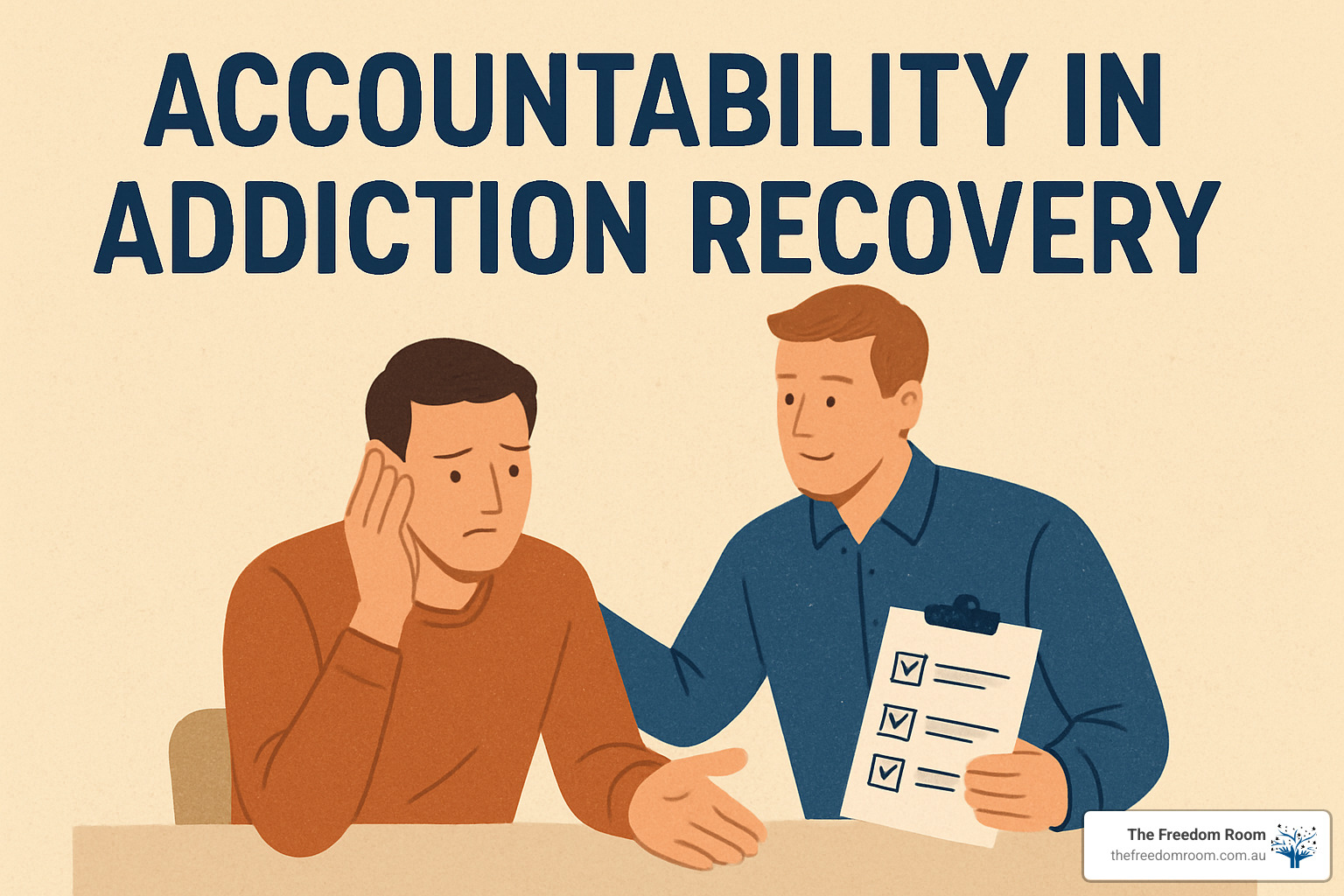
Honesty contracts with family members or accountability partners create clear expectations about communication and transparency. These aren’t legal documents – they’re agreements about what information you’ll share, how often you’ll check in, and what support looks like when you’re struggling. The act of putting these agreements in writing makes them feel more official and harder to abandon when motivation is low.
Community meetings and support groups provide the peer accountability that can be so powerful in maintaining sobriety. When you know that people are expecting to see you at a meeting, and when you’ve committed to sharing your experience with others, it creates a social responsibility that extends beyond just yourself.
The challenge with outpatient accountability is that it requires you to reach out when you’re struggling, rather than having support automatically provided. This means developing the self-awareness to recognise when you need help and the courage to ask for it before small problems become big ones.
Building environmental accountability becomes crucial in outpatient settings. This might mean removing alcohol from your home, changing your route to work to avoid the pub you used to frequent, or establishing new routines that don’t include your old drinking triggers. You’re essentially redesigning your daily life to support accountability rather than undermine it.
Celebrating Wins & Adjusting Course for Lifelong Sobriety
Recovery is a journey of continuous growth, and effective accountability includes both celebrating progress and learning from setbacks. The most successful people in recovery understand that accountability isn’t about perfection – it’s about honest assessment and continuous improvement.
Milestone celebrations reinforce positive behaviour and provide motivation to continue. Whether it’s 30 days sober, completing a difficult therapy assignment, or successfully navigating a high-risk situation, acknowledging your wins builds confidence and momentum.
Regular reflection helps you identify what’s working and what needs adjustment in your recovery plan. Monthly or quarterly reviews with your accountability partners can help you spot patterns and make proactive changes before problems develop.
Viewing relapse as feedback rather than failure helps maintain a growth mindset that supports long-term recovery. When setbacks occur, the focus should be on learning what happened, adjusting the plan, and getting back on track quickly.
Recovery and Sober Connections play a crucial role in celebrating wins and providing support during challenging times. Having people who understand your journey and can celebrate your victories makes the hard work of recovery feel more worthwhile.
Sharing Successes to Reinforce Accountability in Addiction Recovery
Sharing your successes serves multiple purposes in accountability in addiction recovery. It reinforces your own progress, inspires others who might be struggling, and strengthens your commitment to continued growth.
Storytelling in recovery meetings allows you to process your experience whilst providing hope and practical insights to others. When you share how you overcame a particular challenge, you’re reinforcing the lessons you learned and helping others facing similar situations.
Social media can be a powerful tool for accountability when used thoughtfully. Sharing milestones, insights, and encouragement can create a network of support and positive reinforcement. However, it’s important to maintain appropriate boundaries and privacy.
Meeting shares in group settings create opportunities for real-time feedback and support. When you share your struggles and successes, other group members can offer perspective, encouragement, and practical advice.
Mentoring others who are earlier in recovery creates a powerful form of accountability because you become responsible not just for your own recovery but for modelling healthy behaviour for someone else.

Recognising Environmental Threats and Early Warning Signs
Environmental awareness is a crucial component of long-term accountability. This means recognising the people, places, and situations that might threaten your sobriety and having plans for managing these risks.
High-risk places might include bars, certain neighbourhoods, or even specific rooms in your home where you used to drink or use drugs. Part of accountability is honestly assessing these risks and making appropriate plans for avoiding or managing them.
The HALT acronym (Hungry, Angry, Lonely, Tired) represents common emotional states that can increase vulnerability to relapse. Regular self-monitoring for these states and having specific plans for addressing them is an important accountability practice.
Self-care planning ensures that you’re taking proactive steps to maintain your physical and emotional well-being. This might include regular exercise, adequate sleep, healthy eating, and stress management practices.
Boundary setting with people who don’t support your recovery is often necessary for maintaining accountability. This might mean limiting contact with certain friends or family members, or being clear about your needs and expectations in relationships.
Early warning signs might include changes in sleep patterns, increased irritability, withdrawal from recovery activities, or thoughts about using substances. Having these warning signs clearly identified and shared with your accountability partners allows for early intervention.
Frequently Asked Questions about Accountability & Sobriety
Let’s address some of the most common questions we hear about accountability in recovery. These concerns come up regularly in our sessions, and understanding the answers can help you accept accountability as a powerful recovery tool rather than something to fear.
How is accountability different from responsibility in recovery?
This is one of the most thoughtful questions people ask, and the distinction is important. Responsibility is about owning your choices – acknowledging that your recovery decisions belong to you. It’s that internal voice saying, “This is my journey, and these are my choices to make.”
Accountability takes responsibility a step further by adding the element of being answerable to others. It’s responsibility with witnesses, support, and systems in place to help you follow through on your commitments.
Think of it this way: you can be responsible for your recovery whilst struggling alone in your bedroom, but accountability requires you to step out of isolation and engage with people who care about your success. Responsibility is the foundation, but accountability is the framework that helps you build something lasting on that foundation.
When you’re accountable, you’re not just making promises to yourself – you’re making commitments to people who will notice if you’re struggling and can offer support before things spiral. It’s the difference between hoping you’ll stay on track and having systems in place to help ensure you do.
What tools can help me stay accountable day-to-day?
Daily accountability doesn’t have to be complicated or time-consuming. The best tools are the ones you’ll actually use consistently, and they should fit naturally into your life rather than feeling like additional burdens.
Digital tools have revolutionised daily accountability. Simple sobriety tracking apps let you see your progress accumulate day by day, which can be incredibly motivating when you’re having a tough moment. Mood monitoring apps help you spot patterns before they become problems, and reminder systems can prompt you to check in with yourself or your accountability partners.
Physical tools work brilliantly for people who prefer tangible reminders. A recovery journal where you write a few lines each morning or evening can help you stay honest with yourself about how you’re feeling and what challenges you’re facing. Some people love the simple act of marking an X on a calendar for each sober day – there’s something powerful about seeing that chain of X’s grow longer.
Social tools tap into our natural need for connection. Daily text check-ins with an accountability partner take just a minute but create a touchpoint that reminds you someone cares about your success. Regular meeting attendance or participation in online recovery communities provides daily doses of support and perspective.
Routine-based tools integrate accountability into activities you’re already doing. Morning meditation, evening reflection, or regular exercise can serve as daily accountability anchors that reinforce your recovery commitment whilst providing other benefits for your wellbeing.
The key is experimenting until you find what resonates with you. Some people thrive with high-tech solutions, whilst others prefer pen and paper. Some need multiple daily check-ins, whilst others do better with one meaningful daily practice.
When should I seek professional help to boost my accountability?
Professional help becomes crucial when your current accountability systems aren’t providing enough support to maintain your recovery, or when underlying issues are making it difficult to engage with accountability in healthy ways.
Consider reaching out for professional support if you’re experiencing repeated slips despite having accountability partners in place. This might indicate that you need more intensive support or that there are underlying mental health issues that need addressing alongside your addiction recovery.
Professional help is also valuable when you’re struggling to build or maintain supportive relationships. Some people have difficulty trusting others or opening up about their struggles, which makes accountability challenging. A therapist can help you work through these barriers and develop the skills needed for healthy accountability relationships.
Life transitions often call for professional support to maintain accountability. Whether you’re moving from inpatient to outpatient treatment, starting a new job, ending a relationship, or facing other major changes, these transitions can disrupt your accountability systems and increase your vulnerability to relapse.
Mental health challenges like depression, anxiety, or trauma can interfere with your ability to engage with accountability effectively. When you’re struggling with these issues, the thought of checking in with others or admitting difficulties can feel overwhelming. Professional support can help you address these underlying issues whilst maintaining your recovery.
At The Freedom Room, our team understands the importance of accountability in addiction recovery because we’ve lived it ourselves. Our counsellors, facilitators, and workshop leaders are all in recovery, bringing authentic understanding and practical experience to your accountability journey. We know what it feels like to resist accountability, to fear disappointment, and to struggle with being vulnerable about your challenges.
We can help you develop personalised accountability strategies that work with your personality and lifestyle rather than against them. Whether you need help building your first accountability relationships or strengthening existing ones, we’re here to support you with compassion and practical guidance rooted in real experience.
Start Your Journey to Lifelong Recovery Today
Accountability in addiction recovery isn’t just a nice-to-have – it’s the foundation that transforms good intentions into lasting change. The evidence speaks for itself: people who accept accountability are twice as likely to maintain long-term recovery, and those using comprehensive accountability systems see remarkable improvements in their commitment and outcomes.
We get it. The thought of being accountable can feel overwhelming, especially when you’re already carrying the weight of addiction and recovery. At The Freedom Room Wellness and Recovery, we understand that vulnerability because we’ve lived it ourselves. Our entire team – counsellors, facilitators, and workshop leaders – are all in recovery, bringing authentic understanding rather than textbook theories to your journey.
What makes our approach different? We don’t just observe your recovery from the sidelines. We’ve sat where you’re sitting. We’ve felt the fear of admitting struggles, the shame of repeated setbacks, and the doubt about whether accountability really works. We’ve also experienced the incredible freedom that comes when you stop fighting accountability and start using it as a tool for growth.
Our comprehensive support includes personalised one-on-one sessions where you can explore accountability in a completely safe, non-judgmental space. Through our Group Recovery Meetings, you’ll find the power of community accountability with people who truly understand your experience – not because they’ve read about it, but because they’ve lived it.
We offer practical, real-world tools through our workshops and therapy sessions. Our Addiction Relapse Prevention Strategies programme specifically focuses on building accountability systems that actually work in daily life, not just in theory.
Recovery isn’t a destination you reach and then forget about – it’s a daily practice that becomes easier and more rewarding with the right support. Whether you’re taking your first nervous steps into recovery or looking to strengthen existing sobriety, we’re here to help you build an accountability toolkit that fits your unique life and circumstances.
Your recovery matters deeply. Your progress deserves genuine celebration. Your struggles deserve compassionate support without judgment. And your commitment to sobriety deserves the backing of people who believe wholeheartedly in your ability to succeed.
The journey doesn’t have to be a solo mission. With the right accountability partners, practical tools, and supportive mindset, you can build a recovery that’s not just about avoiding alcohol, but about creating a life so fulfilling you wouldn’t dream of jeopardising it.
At The Freedom Room, we’re not just professionals – we’re friends walking alongside you on this journey. Together, we’ll steer the challenges, celebrate every victory (big and small), and build the resilience that makes lasting recovery possible. Because recovery isn’t just about getting sober – it’s about finding who you really are when addiction isn’t calling the shots.
Support & Resources
Recovery doesn’t stop when our sessions end, and it’s normal to need help between appointments. Below you’ll find trusted organisations and crisis lines that can offer immediate assistance. Keep this information handy—reaching out is a sign of courage, not weakness.
If you or someone you know is suffering from alcohol addiction, please seek professional help and support at:
- Our Office: (07) 3325 1531
- Mobile: 0400 236 743 (Rachel)
For help outside of these hours, you can also contact:
- Emergency Help: Call 000
- AA Helpline: 1300 222 222
- Lifeline: 13 11 14
- Al-Anon: www.al-anon.org.au