

Why an Alcohol-Free Life Is Gaining Momentum in Australia
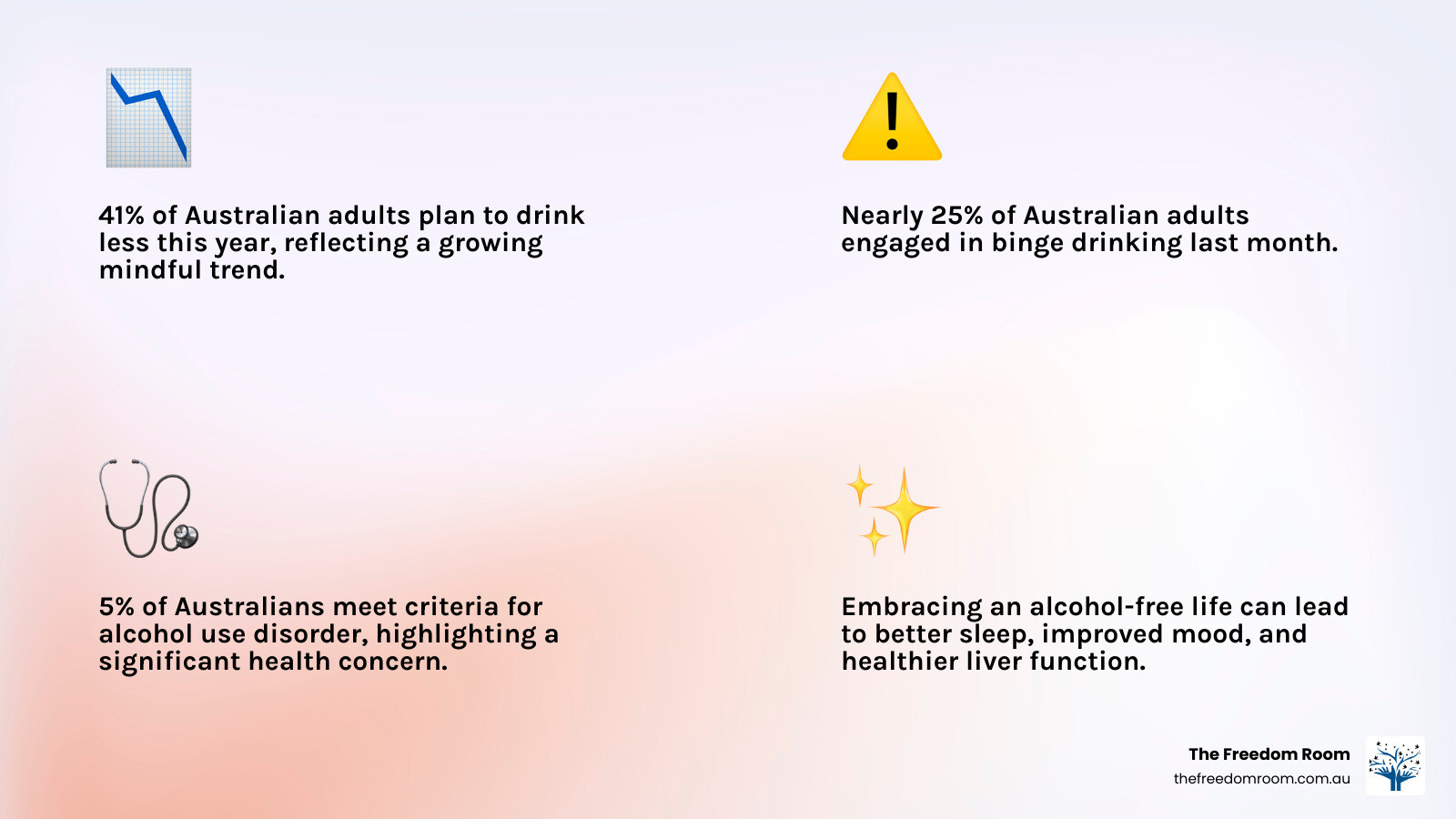
Alcohol free life choices are becoming increasingly popular, with research showing a significant portion of Australian adults, approximately 41%, planning to reduce their alcohol consumption. This shift indicates a fundamental change in attitudes towards wellness and social connection. Recent summaries from the Australian Institute of Health and Welfare and the Australian Bureau of Statistics reflect these trends and outline alcohol-related harms in Australia.
Key aspects of an alcohol-free lifestyle include:
- Physical health benefits: Improved sleep, increased energy, and healthier liver function.
- Mental wellness improvements: Reduced anxiety, stabilised mood, and enhanced cognitive clarity.
- Social advantages: Authentic connections, financial savings, and the elimination of hangovers.
- Long-term protection: Lowered cancer risk, improved heart health, and a stronger immune system.
- Personal growth: New hobbies, stronger relationships, and increased productivity.
The “sober-curious” movement has transformed how Australians view drinking. Unlike traditional abstinence, being sober-curious involves questioning one’s relationship with alcohol without requiring total elimination. This mindful approach allows for an exploration of life without alcohol while maintaining flexibility.
This sentiment reflects a growing recognition that reducing or eliminating alcohol can improve, rather than limit, life experiences. The transition to an alcohol-free life can be approached gradually.
Incremental changes, such as participating in initiatives like Dry July, selecting non-alcoholic beverages at social events, or designating alcohol-free weekdays, can lead to significant improvements in physical and mental wellbeing.
The Sober-Curious Movement: A Mindful Approach to Drinking
Being sober-curious involves mindfully examining one’s relationship with alcohol. It encourages questioning automatic drinking habits, such as consuming alcohol after work out of routine, or the social assumption that alcohol is essential for enjoyment.
A key benefit of this approach is its flexibility. Individuals may opt for alcohol-free weeks, participate in initiatives like Dry July, or pause before each drink to consider their motivation. This mindful consumption helps distinguish between drinking out of habit, social pressure, or genuine enjoyment.
Australian drinking culture is shifting, particularly among younger generations. Recent surveys show that 49% of millennials and 61% of Generation Z plan to reduce their alcohol consumption, with mental health as a primary motivation. This represents a fundamental change in social norms.
Instead of being viewed as deprivation, sobriety is increasingly regarded as a liberating choice, with many individuals reporting that alcohol free life experiences are more authentic and fulfilling. For those interested in this path, exploring Mindfulness for Addiction Recovery Tips can provide valuable guidance.
Recognising the Need for a Change
The necessity for change may not always be immediately apparent. Self-reflection on drinking patterns can clarify whether alcohol is enhancing or hindering one’s life, with indicators often appearing as subtle shifts in health, relationships, and daily functioning.
Physical and Mental Indicators
The body may provide signals through frequent hangovers, disrupted sleep, or unexplained fatigue. These physical symptoms can indicate that alcohol is negatively affecting overall health and wellbeing.
Interpersonal and Social Signals
You might also notice tension in relationships when the topic of drinking is discussed, or that friends and family have expressed concern. These social indicators can be a sign that alcohol consumption is impacting your connections with others.
Professional and Financial Consequences
Work and study performance can also reveal alcohol’s impact. Difficulties with concentration, missed deadlines, or a decline in professional standards can be significant signs. Many people notice their productivity improves substantially when they reduce their alcohol intake. If you find yourself preoccupied with alcohol, such as planning when you will drink or feeling anxious when it is unavailable, it may be time for a change. Financial strain or legal issues related to drinking are also clear indicators that reassessment is needed. Australian statistics highlight these common struggles.
Approximately one in four Australians engaged in binge drinking in the past month, while nearly 5% met criteria for alcohol use disorder. Recognising these patterns early can prevent serious complications. For guidance, Choosing the Right Route and Support for Alcohol Recovery provides valuable insights.
The Risks of Abrupt Cessation
While choosing an alcohol free life is a positive step, abruptly stopping can be dangerous for those with a significant physical dependence. The body adapts to regular alcohol intake, and sudden cessation can trigger a serious condition that requires professional medical attention.
Understanding Alcohol Withdrawal Syndrome
This condition, known as alcohol withdrawal syndrome, occurs when the body reacts to the sudden absence of alcohol after a period of heavy use. It is a serious medical issue that should not be managed without professional oversight.
Symptoms of Withdrawal
Withdrawal symptoms typically begin 12 to 24 hours after the last drink and can include tremors, an increased heart rate, elevated blood pressure, anxiety, and irritability. These symptoms usually peak around 72 hours before resolving. For heavy or long-term drinkers, the risks are more severe. Severe withdrawal can involve hallucinations, seizures, or delirium tremens, a life-threatening condition marked by confusion, rapid heartbeat, and high fever.
The Importance of Medical Supervision
These potential complications underscore why medical supervision is essential. Professional medical guidance ensures safety during the transition to sobriety. Healthcare providers can prescribe medications to ease symptoms, monitor vital signs, and provide the necessary support for a safe detoxification process. Attempting to quit alone without professional oversight is hazardous. This does not mean change is impossible, but that seeking medical support is the safest path. Consulting a GP or an addiction specialist can help assess your risk and develop a safe, personalised plan. You can learn more by Understanding Alcohol Use Disorder.
The Physical and Mental Rewards of an Alcohol-Free Life
Choosing an alcohol free life initiates significant healing and change, affecting every aspect of wellbeing. The benefits are comprehensive, extending beyond the elimination of hangovers, as the body and mind begin a process of repair and rebalancing from the first week.

This change occurs on multiple levels. Physical health can improve almost immediately, while the emerging mental clarity can be transformative.
Immediate Health and Wellbeing Improvements
The initial weeks of an alcohol free life often yield noticeable changes as the body commences its natural repair processes.
Improved Sleep Quality
Sleep quality often improves dramatically. Alcohol disrupts the sleep cycle and blocks restorative REM sleep, which is vital for processing emotions and memories. Without this disruption, individuals are more likely to wake feeling genuinely refreshed.
Increased Energy and Mood Stabilisation
Improved sleep naturally leads to increased energy levels and a more stable mood. As alcohol’s fluctuating effect on brain chemistry subsides, feelings of lethargy may become less frequent. The combination of hangover symptoms and associated anxiety is eliminated. When alcohol is removed, the brain can maintain steadier neurotransmitter levels, leading to more consistent emotional wellbeing.
Enhanced Skin Health
Skin health often shows improvement within weeks. Alcohol causes dehydration and inflammation, which contribute to redness and puffiness. As hydration improves, many people notice a clearer, brighter complexion. These early changes provide powerful motivation. For support navigating this transition, our guide on Early Sobriety Emotions offers practical strategies.
Long-Term Benefits for Lifelong Wellness
The long-term rewards of an alcohol free life are substantial. Over months and years, the body’s capacity for healing can lead to significant health improvements.
Liver Regeneration
Your liver begins a remarkable recovery. This organ is forced to work harder to process alcohol, but conditions like fatty liver disease can often reverse with sustained sobriety. The liver’s ability to regenerate makes it one of the body’s most resilient organs.
Improved Cardiovascular Health
Heart health also improves significantly. Heavy drinking raises blood pressure and increases the risk of heart attack, stroke, and heart failure. An alcohol free life allows the heart to work more efficiently and substantially reduces these serious health risks.
Strengthened Immune Function
Your immune system grows stronger. Alcohol suppresses immune function, making you more susceptible to infections. Without this suppression, the body is better equipped to fight off illnesses and heal from injuries.
Reduced Cancer Risk
Perhaps most importantly, your cancer risk decreases. Heavy alcohol consumption is linked to several cancers, including throat, liver, oesophageal, breast, and bowel cancer. Each alcohol-free day contributes to lowering these risks. The cumulative effect of these improvements creates a foundation for lifelong wellness, allowing the body’s natural healing processes to work without interference.
For more information, explore our resources on Alcohol and Cancer Risk and the Long-Term Effects of Quitting Drinking.
Practical Strategies for Embracing Sobriety
Transitioning to an alcohol free life involves modifying social activities, identifying new sources of fulfilment, and establishing a strong support system. This process requires planning and practical strategies, representing an empowering change rather than a restriction.
How to Adopt an Alcohol-Free Lifestyle
Beginning an alcohol free life is most effective when approached with clear strategies and support.
Set Clear and Achievable Goals
Consider starting with manageable timeframes, such as alcohol-free weekdays or participating in Dry July. These smaller goals build confidence and demonstrate that an alcohol-free lifestyle is both possible and enjoyable.
Identify Personal Triggers
Understanding your personal triggers is a cornerstone of lasting change. By identifying patterns, such as drinking due to stress or social pressure, you can develop alternative responses. This awareness transforms automatic reactions into conscious choices.
Create New Routines and Hobbies
Creating new routines helps fill the space alcohol once occupied. Replace a post-work drink with a new ritual, like listening to a podcast or preparing a special mocktail. Suggesting alternative social activities, such as meeting for coffee, can also help establish new habits. Finding engaging hobbies provides both distraction and fulfilment. Joining a hiking group, learning a new skill, or taking up gardening can expand your social circle beyond drinking-focused activities.
Build a Robust Support Network
Building a robust support network is essential. This may include trusted friends, family, peer support groups, or professional counsellors. Cognitive Behavioural Therapy (CBT) offers effective tools for challenging thought patterns, while Emotional Freedom Techniques (EFT) can help calm the nervous system and reduce the intensity of triggers. For more tools, explore our Sober Survival Toolkit.
Exploring the World of Alcohol-Free Alternatives
The non-alcoholic beverage market has expanded significantly, offering sophisticated and flavourful alternatives. These options provide complex and satisfying experiences that go beyond basic soft drinks.
The creation of mocktails has become more sophisticated, combining fresh botanicals, fruits, and spices. Experimenting with these ingredients allows you to find new flavour profiles.
Australia’s alcohol-free market has grown to meet the demand for mindful drinking options. Major retailers and specialty stores now offer curated selections of non-alcoholic beers, wines, and spirits. Alcohol-free bars and dedicated menu sections are also becoming more common.
Social occasions can be fully enjoyed without compromise. Quality non-alcoholic wines, craft beers, and spirits can be used to create impressive drinks, ensuring you feel included in any celebration. Approaching these alternatives with curiosity often reveals cleaner, more distinct flavours. For recipes, explore our guide on Mocktails and Alcohol-Free Beverages.
How Society Can Support the Movement
The shift towards an alcohol free life is supported by broader cultural changes that normalise not drinking.
Normalising not drinking is the most fundamental shift. It involves moving away from the assumption that alcohol is necessary for enjoyment and responding to someone’s choice not to drink with acceptance, not pressure.
Creating inclusive social events means giving alcohol-free options equal attention. This could involve planning activities not centred on drinking or ensuring non-alcoholic drinks are presented appealingly.
Workplace culture can support alcohol-free choices by ensuring team-building activities do not rely on drinking. Providing quality non-alcoholic options at functions helps create a more inclusive environment.
The hospitality industry is adapting by expanding and promoting its alcohol-free menus. Well-trained staff can suggest alternatives that make customers feel included, not merely accommodated.
Supporting friends and family involves respecting their decisions without judgment and participating in alcohol-free activities. This support network is often a critical component of a successful transition.
Conclusion: Committing to an Alcohol-Free Future
Choosing an alcohol free life is a significant decision that supports long-term wellbeing. It represents a commitment to improved health, mental clarity, and more authentic relationships. The process is unique to each individual and should be approached with a focus on sustainable progress rather than immediate perfection. Setbacks, should they occur, can be viewed as learning opportunities to refine one’s strategy.
The Freedom Room offers support grounded in evidence-based therapeutic approaches and informed by lived experience. This dual perspective provides a comprehensive understanding of the complexities involved in making this change. We offer compassionate and professional support tailored to individual needs.
Through personalised sessions utilising methods such as Cognitive Behavioural Therapy to reshape thought patterns or Emotional Freedom Techniques to process stress, individuals can develop the necessary tools to manage triggers, build healthy coping mechanisms, and create a fulfilling life without alcohol.
An alcohol free life offers numerous benefits, including improved mental clarity, deeper interpersonal connections, and the discovery of new personal strengths. The decision to explore this path is a commendable first step toward lasting positive change.
For those ready to proceed, our professional services provide a structured and supportive pathway to achieving a healthier future. Find our addiction treatment services to learn how our personalised approach can support your journey.
Frequently Asked Questions about an Alcohol-Free Life
How does alcohol impact mood and mental health?
Understanding alcohol’s impact on mental health is crucial. While it may seem to provide a temporary lift, alcohol is a depressant that can create a difficult cycle of mood disruption.
Upon consumption, alcohol causes a temporary surge in serotonin, which creates a short-lived feeling of relaxation. However, as the alcohol is processed, serotonin levels can drop below their baseline. This rebound effect can result in heightened feelings of anxiety or depression.
Regular alcohol consumption disrupts the balance of neurotransmitters like serotonin and dopamine, which are essential for mood regulation. Over time, the brain can become dependent on alcohol to trigger these chemicals, reducing its natural ability to produce them.
For people with existing mental health conditions, alcohol often exacerbates anxiety and depression. Choosing an alcohol free life allows brain chemistry to rebalance, with many people reporting more stable moods and reduced anxiety within weeks. For more insight, explore our guide on Emotional Sobriety 101.
What are the effects of alcohol on heart health and the liver?
The heart and liver are significantly affected by alcohol consumption, making health a compelling reason for an alcohol free life. These organs sustain damage as they work to process alcohol.
Heart health complications from regular drinking include consistently raised blood pressure, which strains the cardiovascular system. This increases the risk of heart attack, heart failure, irregular heartbeats, and ischaemic stroke. Recent research indicates that no level of alcohol consumption is considered entirely safe for cardiovascular health.
Your liver is directly impacted by alcohol. The first stage of damage is often fatty liver disease, where fat accumulates in liver cells. Continued drinking can progress to alcoholic hepatitis (inflammation) and then fibrosis, where scar tissue forms.
The final stage is cirrhosis, where extensive, permanent scarring severely impairs liver function. Importantly, the liver possesses significant regenerative capabilities. In its earlier stages, liver damage can often heal significantly with sustained sobriety. For more information, visit our resource on Alcoholic Liver Disease.
Where can individuals find support in Australia?
Finding the right support is essential for transitioning to an alcohol free life. Australia has numerous resources available to meet different needs, and the first step is knowing where to look.
A General Practitioner (GP) is an effective first point of contact. A GP can assess your situation, discuss goals, and provide referrals to specialists or local services. They can also monitor your health during the transition.
National support services operate 24/7. Services like the National Alcohol and Other Drug Hotline (1800 250 015) provide confidential guidance from trained counsellors. State-based family drug support lines are also available.
Online counselling platforms have made professional support more accessible, allowing individuals to connect with qualified counsellors from home. This is particularly helpful for those in remote areas or who prefer privacy.
Peer support programs offer connection with others who have similar experiences. Groups like Alcoholics Anonymous provide structured support, while digital communities like Hello Sunday Morning offer modern approaches to peer connection.
At The Freedom Room, our team brings both professional expertise and lived experience to create a supportive, non-judgmental environment. You can access confidential support through our Counselling Online services and find more resources via our Alcohol Addiction Support Services.