

Life after addiction: 8 Powerful Ways to Thrive in 2025
Why Recovery Is Just the Beginning of Your Story
Life after addiction isn’t just about staying sober – it’s about finding who you truly are beyond the bottle. Research shows that roughly 22.3 million Australians live in recovery after some form of substance-use disorder, proving that lasting recovery is not only possible but common.
What to expect in life after addiction:
- Brain healing – Your brain begins repairing itself through neuroplasticity
- New identity – Refinding your authentic self without alcohol
- Rebuilt relationships – Mending trust with family and friends
- Daily victories – Finding joy in simple, sober moments
- Long-term growth – 75% of people who experience addiction eventually recover
The path isn’t always straight. It typically takes eight years or longer to achieve long-term remission, even with quality treatment and medical care. Most relapses occur in the first six months after treatment, making this period crucial for building strong foundations.
But here’s the encouraging truth: recovery gives you more control over impulsive behaviour and opens doors to experiences you never thought possible. You’re not just removing alcohol from your life – you’re adding purpose, authentic connections, and genuine happiness.
The journey from addiction to recovery to thriving requires patience, support, and practical strategies. Whether you’re fresh out of rehab or years into sobriety, understanding what lies ahead can help you steer challenges and celebrate victories along the way.
What Does Life After Addiction Really Look Like?
When alcohol floods your system, it hijacks your brain’s natural reward pathways and throws your neurotransmitters completely out of whack. But here’s where the story gets exciting: your brain has this incredible superpower called neuroplasticity—the ability to rewire itself and create new, healthier pathways throughout your entire life.
Life after addiction isn’t just about white-knuckling through cravings. It’s about your brain literally healing itself from the inside out. Every day you stay sober, your brain works to restore normal function to the systems that control your appetite, motivation, stress response, memory, and learning. Think of it as your brain’s own personal renovation project.
The numbers tell an encouraging story too. Three out of four people who experience addiction eventually recover, and over 22.3 million Americans are living proof that recovery isn’t just possible—it’s happening all around us. That’s more than 9% of adults who’ve successfully rebuilt their lives after addiction.
Your identity begins to shift in ways that might surprise you. You’re not just “someone who doesn’t drink anymore”—you’re finding who you actually are beneath all the noise. Some people find they’re naturally funny, others find they’re deeply empathetic, and many realise they have talents they’d completely forgotten about.
Day-to-Day Wins in Life after addiction
The daily victories in life after addiction often catch people off guard. You wake up and actually remember what you did yesterday. Your skin starts glowing, your sleep becomes restorative, and you have energy for things that used to feel impossible when you were drinking.
These aren’t the dramatic movie moments you might expect. Instead, they’re quiet revelations that sneak up on you. You might find yourself genuinely belly-laughing at a friend’s terrible joke, or actually tasting your food for the first time in years. Maybe you catch yourself being completely present during a sunset, without that familiar urge to reach for a drink.
Routines become your friend rather than your enemy. Morning coffee tastes better when you’re not nursing a hangover. Evening walks become peaceful instead of anxiety-inducing. The money you used to spend on alcohol? That’s now funding pottery classes, gym memberships, or weekend trips you can actually remember.
Many people find hidden talents during this phase. Some find they’re natural gardeners, others realise they love cooking, and plenty find they’re actually quite good at sports when they’re not constantly dehydrated.
Long-Term Outlook for Life after addiction
The research paints a hopeful picture for life after addiction. While the journey to long-term remission typically takes eight years or longer, each year brings increased stability and confidence. About 75% of people eventually achieve lasting recovery, and the maintenance stage—which can last anywhere from six months to five years—becomes progressively easier.
This is where purpose really starts to emerge. Many people in long-term recovery find themselves drawn to meaningful work they never considered before. Some go back to university, others start their own businesses, and many dedicate themselves to helping others who are just beginning their recovery journey.
The combination of clear thinking, emotional stability, and hard-won wisdom creates opportunities for genuine fulfilment that simply weren’t available during active addiction. You’re not just surviving anymore—you’re thriving in ways that your drinking self couldn’t have imagined.
People often describe this stage as finally feeling like they’re living their authentic life rather than just going through the motions. Relationships deepen, career goals become clearer, and that sense of growth mindset becomes a driving force for continued positive change.
The Stages of Recovery and Post-Rehab Challenges
Recovery isn’t a straight line—it’s more like a winding path with predictable markers along the way. Life after addiction follows patterns that researchers have mapped through the Transtheoretical Model, developed by Prochaska, DiClemente, and Norcross. Understanding these stages helps normalise the ups and downs you’ll experience.
The journey moves through five distinct stages: precontemplation (not yet ready to change), contemplation (thinking about change), preparation (getting ready to act), action (making the change), and maintenance (sustaining the new behaviour). Here’s what many people don’t realise: you’ll likely cycle through these stages several times before achieving lasting change. This isn’t failure—it’s simply how real behaviour change works.
The first six months carry the highest relapse risk, making this period crucial for building strong foundations. During this time, you might experience Post-Acute Withdrawal Syndrome (PAWS), which can persist for months after initial detox. PAWS brings mood swings, anxiety, and cognitive difficulties that can feel overwhelming. The good news? These symptoms are temporary and actually signal your brain healing itself.
Mapping Your Recovery Milestones
Real recovery milestones go far beyond counting sober days—though those matter too. Your first genuine milestone might be handling stress without reaching for a drink, making your first heartfelt apology to someone you’ve hurt, or helping another person in early recovery. These moments mark genuine progress in rebuilding your life.
The maintenance stage typically begins around six months of sobriety but can extend for years. This is where the focus shifts from simply not drinking to actively building a life worth living. You’ll develop healthy coping mechanisms, rebuild damaged relationships, and find purpose beyond addiction.
Setbacks during this stage aren’t signs of failure—they’re learning opportunities. Each challenge you overcome builds resilience and confidence for future obstacles. Think of setbacks as course corrections rather than dead ends. They’re part of the process, not proof that recovery isn’t working.
Common Pitfalls After Rehab
The transition from structured treatment back to everyday life can feel jarring. Boredom often catches people off guard—suddenly you have hours that used to be filled with drinking or recovering from drinking. Social pressure presents another challenge, especially when old friends don’t understand your commitment to sobriety.
Isolation poses a particularly significant risk after rehab. The structured environment of treatment provides built-in social connection and routine. Returning home can feel lonely and overwhelming without proper support systems in place. Many people underestimate how important it is to have exit strategies for high-risk situations and to surround themselves with supportive people.
Co-occurring mental health issues like anxiety and depression often surface more clearly once the numbing effects of alcohol wear off. These conditions require professional attention and shouldn’t be ignored or self-medicated. Addressing underlying mental health concerns is crucial for long-term success in life after addiction.
Building a Relapse-Proof Lifestyle
Building a relapse-proof lifestyle isn’t about creating an impenetrable fortress around yourself. It’s more like weaving a strong safety net with multiple strands—if one thread breaks under pressure, the others hold you steady.
Think of your recovery as a house that needs a solid foundation. Exercise becomes one of your strongest pillars, literally growing your brain’s hippocampus whilst flooding your system with natural mood-boosting chemicals. You don’t need to become a marathon runner overnight; even a daily walk around the block starts rewiring your brain for happiness.
Nutrition plays a bigger role than most people realise in life after addiction. Years of substance use often leave your body depleted of essential vitamins and minerals. When you fuel yourself with balanced meals—like the colourful meal prep shown above—you’re giving your brain the building blocks it needs to heal and function properly.
Your sleep routine becomes sacred territory in recovery. Eight hours isn’t just a nice-to-have; it’s when your brain literally flushes out toxins and consolidates the day’s learning. Going to bed and waking up at consistent times helps regulate the hormones that control mood and cravings.
Mindfulness practices might sound intimidating, but they’re surprisingly practical. Five minutes of deep breathing when you feel stressed can be more powerful than any substance you used to reach for. These techniques strengthen the exact neural circuits that addiction weakened, giving you back control over your responses.
Finding meaningful hobbies fills the time that alcohol used to occupy whilst giving you a sense of accomplishment. Whether it’s gardening, playing music, or learning to cook, these activities create positive memories and social connections that support your sobriety.
Having exit strategies for high-risk situations removes the guesswork from challenging moments. Know who you’ll call, how you’ll leave, and what you’ll tell yourself when cravings hit. Planning ahead means you’re not making crucial decisions when your judgment might be compromised.
Everyday Habits that Shield Your Sobriety
The most powerful protection against relapse often hides in the mundane moments of daily life. Waking up at the same time each day might seem trivial, but it creates a rhythm that your recovering brain craves. This consistency becomes an anchor when everything else feels chaotic.
Regular meals do more than satisfy hunger—they stabilise blood sugar levels that directly affect mood and decision-making. When you’re physically balanced, you’re less likely to seek that balance through substances.
Basic self-care like showering, brushing your teeth, and wearing clean clothes might feel automatic to some people, but in early recovery, these simple acts become declarations of self-worth. They’re quiet ways of saying, “I matter, and I’m worth taking care of.”
More info about Stress and Addiction Recovery
Stress management becomes your daily practice rather than a crisis response. Instead of waiting until you’re overwhelmed, you build small pressure-release valves throughout your day. This might mean journaling for ten minutes each morning, calling a friend during lunch, or listening to music on your commute home.
Physical activity doesn’t require a gym membership or expensive equipment. Dancing in your living room, playing with children, swimming at the local pool, or taking the stairs instead of the lift all contribute to your mental health. The key is moving your body regularly, not perfectly.
Aftercare, Therapy & Peer Connection
Aftercare programmes should ideally continue for at least one to two years after rehabilitation. This isn’t because people in recovery are fragile—it’s because addiction is a chronic condition that benefits from ongoing management, just like diabetes or heart disease requires consistent attention.
Cognitive Behavioural Therapy (CBT) helps you become a detective of your own thoughts. You learn to identify the thinking patterns that used to lead you toward drinking and develop healthier alternatives. It’s like updating the software in your brain with better programmes for handling life’s challenges.
Acceptance and Commitment Therapy (ACT) takes a different approach, focusing on living according to your personal values whilst accepting that difficult emotions are part of the human experience. Rather than trying to eliminate anxiety or sadness, you learn to feel these emotions without being controlled by them.
More info about Group Therapy Addiction Recovery
Peer support groups provide something that friends and family, no matter how loving, often can’t: true understanding from people who’ve walked the same path. Whether through traditional 12-step programmes, SMART Recovery, or other mutual aid groups, sharing experiences with people who understand your struggles reduces isolation and provides practical strategies that actually work.
The beauty of aftercare support is that it evolves with your needs. Early recovery might require daily check-ins and structured activities. As you build confidence and skills, support becomes more about maintaining connections and continuing personal growth rather than crisis management.
Rebuilding Relationships and Support Systems
Addiction damages relationships through broken promises, lies, and neglect. Life after addiction offers the opportunity to rebuild these connections, but it requires patience, honesty, and consistent action over time.
Making amends isn’t just about saying sorry—it’s about demonstrating change through behaviour. Keeping every commitment, no matter how small, slowly rebuilds credibility. This might mean showing up on time for family dinners, following through on household responsibilities, or attending therapy sessions consistently.
Trust rebuilds slowly. Family members and friends may remain sceptical of your commitment to sobriety, especially if they’ve been disappointed before. This protective scepticism is normal and understandable.
Creating Healthy Relationships in Recovery
Healthy relationships in recovery require clear communication about boundaries and triggers. This means having honest conversations with loved ones about what situations might be challenging and how they can support your sobriety.
More info about Healthy Relationships in Recovery
Some relationships may not survive recovery. Friends who only connected through drinking or drug use might drift away, and that’s okay. Quality relationships based on shared interests and mutual respect replace superficial connections based on substance use.
Building new friendships in recovery often happens through sober activities, support groups, or volunteer work. These relationships develop around shared values and genuine connection rather than shared substances.
The Power of Accountability in Life after addiction
Accountability partners provide external motivation and support during challenging times. This might be a sponsor from a 12-step program, a therapist, a family member, or a friend in recovery.
More info about Accountability in Addiction Recovery
Regular check-ins with accountability partners help identify warning signs before they become major problems. These conversations might happen weekly or daily, depending on individual needs and recovery stage.
Accountability works both ways. As you progress in recovery, supporting others in their journey provides purpose and reinforces your own commitment to sobriety.
Finding Purpose, Setting Goals & Thriving
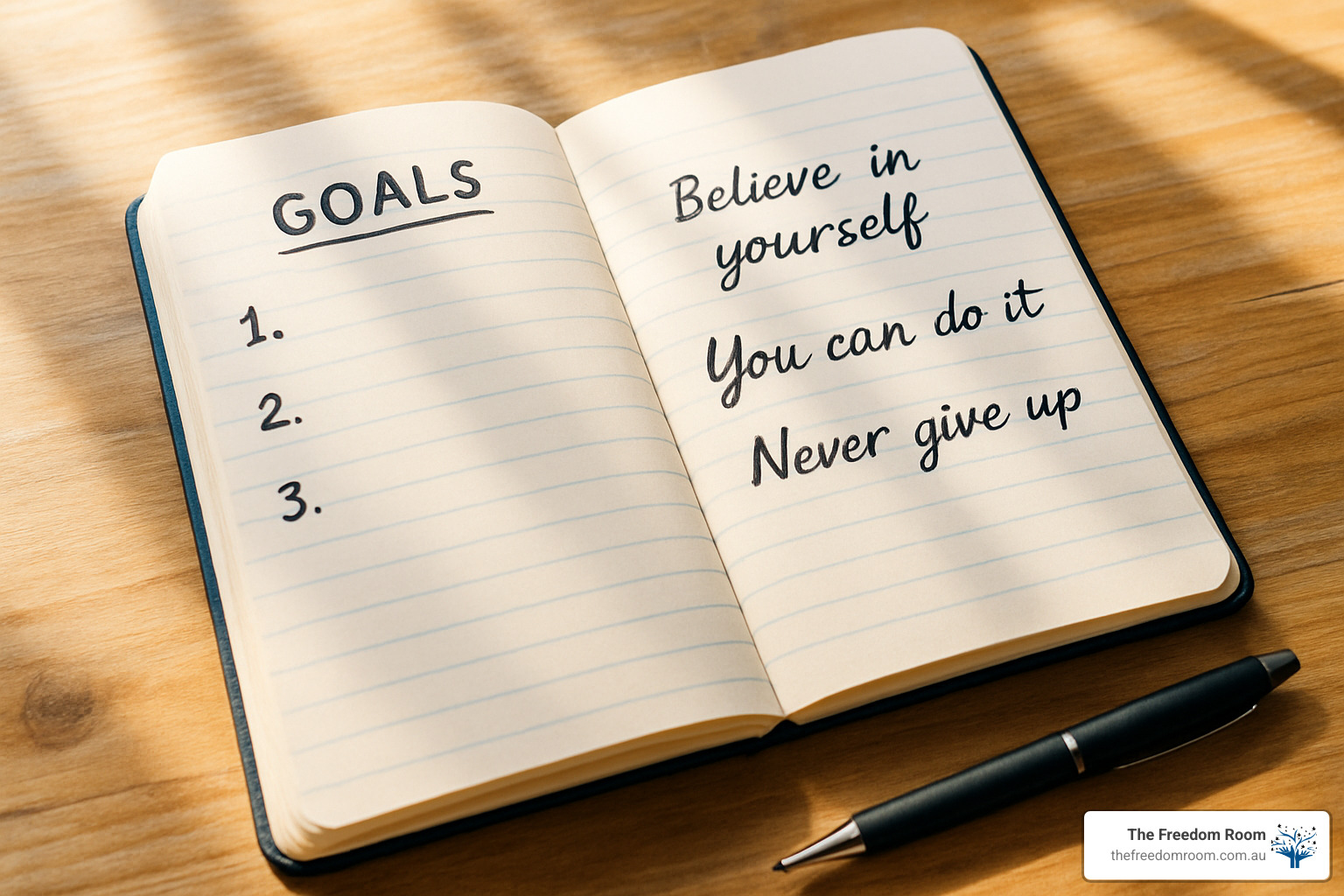
Life after addiction opens space for finding authentic purpose beyond survival. Many people find that their struggles with addiction, while painful, provide unique insights and empathy that can help others.
Goal-setting in recovery starts small and builds momentum. Early goals might focus on basic self-care and routine establishment. As stability increases, goals can expand to include career development, education, relationships, and personal interests.
The SMART goal framework—Specific, Measurable, Achievable, Relevant, Time-bound—provides structure for turning dreams into actionable plans. Writing goals down and reviewing them regularly increases the likelihood of achievement.
Daily Recovery Affirmations & Meaningful Goals
Daily affirmations reinforce positive self-talk and counter the negative internal dialogue common in early recovery. Simple statements like “I am worthy of love and respect” or “I have the strength to handle today’s challenges” can shift mindset over time.
More info about Daily Recovery Affirmations
Meaningful goals align with personal values and provide motivation beyond external rewards. Some people return to interrupted careers, others find new passions, and many find purpose in service to others.
Gratitude practices, whether through journaling or daily reflection, help maintain perspective during difficult times. Focusing on what’s going well, even during challenges, builds resilience and optimism.
Crafting a Personal Roadmap Beyond Addiction
Creating a personal roadmap for life after addiction involves honest assessment of strengths, interests, and values. This process takes time and often benefits from professional guidance through counselling or coaching.
Service to others frequently becomes central to long-term recovery. This might involve formal roles like becoming a substance abuse counsellor or informal support like mentoring newcomers in recovery programs.
Building resilience skills prepares you for inevitable life challenges without relying on substances. These skills include emotional regulation, problem-solving, stress management, and maintaining perspective during difficult times.
Frequently Asked Questions about Life after addiction
How can I prevent relapse during the first six months?
The first six months carry the highest relapse risk, making this period crucial for establishing strong foundations. Focus on basic self-care: regular sleep, nutritious meals, and daily exercise. Attend support meetings consistently, maintain therapy appointments, and avoid high-risk situations.
Build a structured routine that includes meaningful activities. Boredom and lack of purpose increase relapse risk, so fill your time with recovery-supportive activities like hobbies, volunteer work, or education.
Stay connected with your support network. Isolation feeds addiction, while connection supports recovery. Regular check-ins with accountability partners, family members, or friends in recovery provide external motivation and early intervention if problems arise.
What should I do if I experience a lapse or relapse?
First, ensure your immediate safety. If overdose is suspected, call emergency services immediately. Tolerance decreases during abstinence, making resumed use more dangerous.
A lapse—a brief, one-time return to use—differs from a relapse, which involves returning to previous levels of substance use. Neither indicates personal failure or inability to recover. About 40-60% of people in treatment experience some form of relapse.
Use the experience as a learning opportunity. Examine what led to the lapse or relapse, identify triggers and warning signs, and adjust your recovery plan accordingly. Contact your support team immediately—therapist, sponsor, family members, or friends who support your recovery.
Resume recovery efforts immediately. The longer you wait, the harder it becomes to regain momentum. Attend a support meeting, schedule a therapy session, or reach out to someone in your recovery network.
How do I find sober friends and activities?
Building a social life in life after addiction often requires intentional effort, especially if your previous social circle revolved around drinking or drug use. Start with recovery-specific activities like support group meetings, where you’ll meet others with shared experiences and values.
Explore hobbies and interests that don’t involve substances. Join sports leagues, art classes, volunteer organisations, or hobby groups. Many communities have sober social groups that organise activities like hiking, movie nights, or coffee meetups.
Consider online communities for additional support and connection. Virtual meetings and social media groups can supplement in-person activities, especially in areas with limited local resources.
Be patient with yourself during this transition. Building genuine friendships takes time, and early recovery can feel socially awkward. Focus on being authentic rather than trying to impress others, and remember that quality matters more than quantity in relationships.
Accept Your Recovery Path with Us by Your Side
At The Freedom Room Wellness and Recovery, we recognise that life after addiction is both exciting and demanding. Our team brings lived experience to every session2we2re not just professionals, but people who have walked the same road you2re travelling.
More info about Addiction Recovery services
Because no two recovery journeys are identical, we tailor our approach to suit your needs. Through individual counselling, group meetings, family sessions and hands2on workshops, we address the whole person2not just the symptoms of addiction. Evidence2based therapies such as Cognitive Behavioural Therapy (CBT) and Acceptance and Commitment Therapy (ACT) combine with practical life2skills training so you can thrive well beyond early sobriety.
What makes us different? Everyone on our counselling and facilitation team is in recovery themselves. That shared experience fosters genuine empathy, practical insights and unwavering encouragement2all of which translate into a support system you can truly rely on.
Whether you2re preparing for treatment, transitioning out of rehabilitation or years into sobriety and facing fresh challenges, you don2t have to do this alone. Join our community, tap into authentic guidance and start building a life that feels both purposeful and alcohol2free.
Support & Resources
Life after addiction doesn’t have to be a journey you walk alone. When challenges arise—and they will—having immediate access to professional support can make all the difference between a temporary setback and a return to old patterns.
If you or someone you care about is struggling with alcohol addiction, reaching out for help is a sign of strength, not weakness. At The Freedom Room, we understand that recovery happens on your timeline, not ours. Whether you’re ready to take the first step or you’re years into sobriety and facing new challenges, we’re here to support you.
Recovery doesn’t follow a nine-to-five schedule, and neither do cravings or crises. When you need immediate support, several excellent resources are available around the clock.
Emergency situations require immediate attention—never hesitate to call 000 if someone’s safety is at risk. For substance-related emergencies, paramedics are trained to respond without judgement and with complete confidentiality.
The AA Helpline at 1300 222 222 connects you with volunteers who understand addiction personally. These conversations remain completely anonymous, and you’ll speak with someone who’s walked the same path you’re on. Whether you’re curious about meetings, need someone to talk through a difficult moment, or want practical advice about early recovery, the helpline provides judgement-free support.
Lifeline at 13 11 14 offers crisis support for anyone experiencing emotional distress. Their trained counsellors provide immediate assistance for depression, anxiety, suicidal thoughts, or overwhelming feelings that often accompany addiction and recovery. These conversations are confidential and available 24 hours a day.
Al-Anon at www.al-anon.org.au supports family members and friends affected by someone else’s drinking. Recovery impacts entire families, and Al-Anon meetings provide tools for healing relationships damaged by addiction while learning healthy boundaries and self-care practices.
Seeking help isn’t a one-time decision—it’s an ongoing choice that demonstrates your commitment to life after addiction. Every phone call, every meeting attended, and every honest conversation moves you closer to the fulfilling, alcohol-free life you deserve.
If you or someone you know is suffering from alcohol addiction, please seek professional help and support at:
Our Office: (07) 3325 1531
Mobile: 0400 236 743 (Rachel)
For help outside of these hours, you can also contact:
Emergency Help: Call 000
AA Helpline: 1300 222 222
Lifeline: 13 11 14
Al-Anon: www.al-anon.org.au