

Defining the Clinical and Psychological Parameters of Sobriety
The process of achieving sobriety is a multifaceted undertaking that involves physiological detoxification, psychological restructuring, and long term lifestyle modification. Within the Australian context, the National Health and Medical Research Council provides clear guidelines regarding alcohol consumption to reduce health risks. Understanding how to become sober requires a rigorous examination of one’s relationship with alcohol and a commitment to evidence based recovery practices. For some individuals, the immediate concern is the metabolic clearance of alcohol after a single episode of consumption. For many others, the objective is the cessation of a chronic cycle of dependency to facilitate the restoration of physical and mental health.
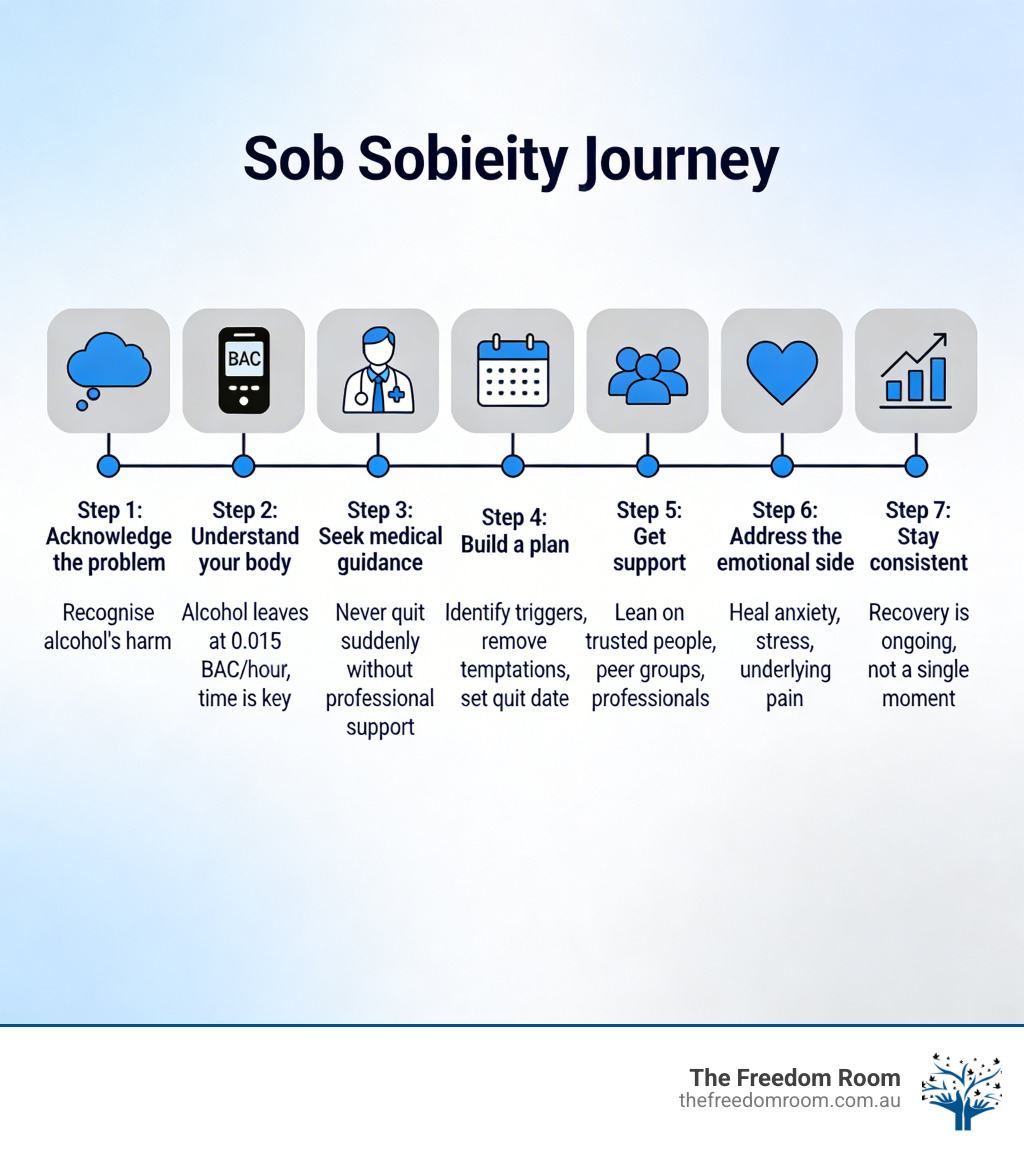
The core components of a successful transition to sobriety include the following steps:
- The formal acknowledgement of the problem by recognising that alcohol consumption is causing significant harm to one’s health, relationships, or professional life.
- A comprehensive understanding of human physiology, specifically that alcohol is eliminated from the system at a rate of approximately 0.015 Blood Alcohol Concentration per hour.
- The acquisition of professional medical guidance, as individuals with a physical dependence on alcohol must never cease consumption abruptly without clinical supervision.
- The development of a structured recovery plan that identifies environmental triggers, removes access to alcohol, and establishes a definitive date for cessation.
- The establishment of a robust support network comprising healthcare professionals, peer support groups, and trusted family members.
- The implementation of therapeutic interventions to address the emotional and psychological drivers of consumption, such as anxiety or trauma.
- The maintenance of consistency through an ongoing commitment to recovery as a lifelong process of health management.
Authentic sobriety extends beyond the mere absence of alcohol in the bloodstream. It encompasses a holistic state of wellness characterised by emotional resilience, improved cognitive function, and the restoration of social connections. Many individuals who investigate the methodology of recovery are seeking more than a temporary reprieve; they are pursuing a fundamental transformation of their quality of life. Whether an individual is exploring the concept of being sober curious or is addressing a severe physical dependence on alcohol, this guide provides a professional framework for navigating the complexities of the recovery journey.
Essential resources for the recovery process include:
The Physiological and Clinical Pathway to Sobriety
Developing a comprehensive understanding of how to become sober necessitates an analysis of the metabolic processes governed by the liver. The liver is the primary organ responsible for the oxidation of ethanol, a process that occurs at a constant and unalterable rate. According to scientific research on alcohol processing, the average rate of elimination is approximately 0.015 Blood Alcohol Concentration per hour. This rate is roughly equivalent to the metabolism of one standard drink every sixty minutes, although individual variations exist based on several biological factors.
It is a common clinical misconception that external interventions such as the consumption of caffeine, exposure to cold water, or physical exertion can accelerate the metabolic clearance of alcohol. These methods may increase alertness but do not influence the rate at which the liver processes toxins. To ensure personal safety and legal compliance, individuals must adhere to the guidelines on standard drinks provided by health authorities. In Australia, a standard drink contains exactly 10 grams of pure alcohol, which is a critical metric for monitoring intake. If an individual reaches a BAC of 0.10 percent, it will typically require a minimum of six to seven hours of total abstinence to return to a zero reading.
Biological Determinants in the Recovery Process
The timeline for achieving sobriety is influenced by a variety of physiological factors. Body mass and biological sex are significant determinants, as individuals with higher muscle mass or lower body fat percentages may metabolise alcohol more efficiently. Furthermore, genetic variations dictate the presence and efficacy of liver enzymes, such as alcohol dehydrogenase, which are essential for breaking down ethanol. General health status, particularly the functional integrity of the liver and kidneys, determines the body’s capacity to filter substances and manage the oxidative stress caused by alcohol consumption.
For those seeking a structured and clinically informed approach to cessation, obtaining more info about alcohol and drug abuse treatment is a vital step. This information provides a roadmap for both clinical detoxification and long term holistic recovery. During the initial stages of abstinence, prioritising hydration and restorative rest is essential. Alcohol serves as a potent diuretic that induces systemic dehydration and significantly disrupts the architecture of sleep, particularly the rapid eye movement phase. Consequently, physical recuperation in the first several days of sobriety is a primary clinical priority.
Clinical Management of Physical Dependence and Withdrawal
For individuals who have developed a physical dependence on alcohol, the transition to sobriety must be managed with extreme caution. The sudden cessation of alcohol consumption, frequently referred to as quitting cold turkey, can precipitate severe and potentially life threatening withdrawal symptoms. These symptoms typically manifest within 4 to 12 hours following the final drink and may include acute anxiety, autonomic hyperactivity, tremors, and nausea. The severity of these symptoms generally peaks between 24 and 72 hours, representing the most critical window for medical monitoring.
A significant challenge during this period is the impact of alcohol on sleep disruption. While alcohol may initially function as a sedative, its subsequent metabolism leads to fragmented sleep and prevents the body from entering deep, restorative stages. This often results in chronic fatigue and heightened irritability during the early phases of recovery. Medical supervision is mandatory for heavy drinkers to mitigate the risks of seizures and delirium tremens. Delirium tremens is a severe clinical condition involving profound confusion, vivid hallucinations, and cardiovascular instability, all of which require immediate intervention in a hospital or specialised clinical setting.
Behavioural Strategies and Environmental Modification
Once the acute physical toxins have been cleared from the system, the focus of the recovery process shifts toward sustainable behavioural change. Long term success is often contingent upon the individual’s ability to identify and mitigate environmental triggers that elicit the urge to consume alcohol.

Proactive environmental modification involves removing all alcoholic beverages from the primary residence and altering daily routines to avoid locations associated with previous drinking habits. Utilising tools such as a calorie calculator for health goals can provide significant psychological motivation. Many individuals are unaware that they may be consuming thousands of empty calories each month through alcohol, and the subsequent weight loss and improved metabolic health can serve as powerful reinforcements for continued sobriety.
Managing cravings requires the application of cognitive behavioural techniques such as urge surfing. This method involves the conscious acknowledgement of a craving and observing its physical manifestations without judgement until the sensation subsides, which typically occurs within a 15 to 30 minute window. Additionally, maintaining a selection of non alcoholic alternatives can assist in navigating social situations. Recommended options include sparkling water with citrus, high quality alcohol free botanicals, and herbal teas such as chamomile, which possess natural calming properties. Kombucha and iced teas also offer complex flavour profiles that can satisfy the sensory aspects of beverage consumption without the negative effects of ethanol.
The Role of Social Support and Professional Intervention
Maintaining sobriety is rarely successful when attempted in isolation. The establishment of a robust support network is a primary predictor of long term abstinence. Peer support organisations, such as Alcoholics Anonymous or SMART Recovery, provide a structured environment for accountability and the sharing of practical strategies among individuals with similar lived experiences. Family involvement is also a critical component of the recovery framework. When family members are educated about the nature of physical dependence on alcohol, they can provide constructive support rather than inadvertently enabling destructive patterns. Scientific research on social relationships indicates that high levels of social cohesion and support are directly correlated with successful recovery outcomes.
Professional services in the Strathpine region offer a comprehensive approach to healing. By engaging with local wellness centres, individuals can access a combination of clinical therapy and wellness workshops tailored to their specific needs. Addressing the psychological phenomenon of nifaliophobia, or the fear of being sober, is also essential. This anxiety often arises from the concern that a life without alcohol will lack social engagement or excitement. However, clinical evidence suggests that the implementation of mindfulness practices can significantly reduce this anxiety. A Mindfulness for Beginners program can assist individuals in remaining grounded and managing stress without resorting to substance use.
Therapeutic modalities such as Cognitive Behavioural Therapy and Emotional Freedom Techniques are highly effective in addressing the underlying causes of alcohol use. By obtaining more info about EFT and CBT therapy, individuals can learn to reframe maladaptive thought patterns and resolve emotional blockages. Scientific research on mental health improvements demonstrates that individuals who maintain sobriety for a period of six months or longer report a significant reduction in depressive symptoms and a marked improvement in overall psychological well being.
Relapse Prevention and Long Term Maintenance
Sustaining sobriety requires the consistent application of relapse prevention strategies and the development of a fulfilling daily routine. Celebrating milestones, such as one month or one year of abstinence, serves to reinforce the positive identity of a sober individual. Distraction techniques are particularly useful during the initial months of recovery. Engaging in new physical activities, such as hiking in the local Queensland landscape, or pursuing creative arts can provide a sense of purpose and fill the time previously dedicated to alcohol consumption.
Journaling is another effective tool for tracking progress and reflecting on the tangible benefits of sobriety, including improved financial stability and enhanced sleep quality. Furthermore, modern technological interventions can support the recovery process. Scientific research on motivational texting has shown that regular digital check ins can significantly decrease the probability of relapse by maintaining a constant connection to support resources and recovery goals.
Professional Support for Sustainable Recovery Outcomes
At The Freedom Room Wellness and Recovery, located in Strathpine, Queensland, we recognise that the journey toward sobriety is a deeply personal and complex undertaking. Our professional team consists of individuals who possess lived experience in recovery, allowing them to provide a unique level of authentic empathy and clinical understanding. We adopt a holistic approach to wellness that extends beyond the cessation of alcohol consumption to include personalised therapy sessions, educational workshops, and evidence informed treatments designed to foster a thriving, alcohol free lifestyle.
We are committed to ensuring that high quality recovery support is both accessible and compassionate for all members of the community. By integrating professional clinical expertise with a genuine understanding of the challenges involved in overcoming a physical dependence on alcohol, we assist our clients in building the resilience necessary for a stable and fulfilling future. If you are prepared to transition toward a life of wellness and peace, we invite you to contact our centre today to begin your recovery journey.
Frequently Asked Questions
What defines the sober curious movement within a clinical context?
The sober curious movement refers to the proactive exploration of a lifestyle involving reduced or zero alcohol consumption by individuals who may not meet the diagnostic criteria for alcohol use disorder. This movement emphasises the health and psychological benefits of abstinence, such as improved cognitive clarity and enhanced sleep quality.
What is the expected duration of the detoxification process?
The acute physical detoxification from alcohol typically occurs over a period of three to seven days. While the most severe physiological symptoms generally resolve within 72 hours, psychological cravings and neurological recalibration, including sleep disturbances, may persist for several months as the brain returns to a state of homeostasis.
What clinical indicators suggest the need for professional intervention?
Professional intervention is indicated if an individual experiences withdrawal symptoms such as tremors, hallucinations, or severe anxiety upon ceasing consumption. Other indicators include an inability to moderate intake despite negative health or social consequences and the interference of alcohol use with professional responsibilities.
Does the cessation of alcohol consumption influence oncological risk?
Yes, it does. Scientific research on cancer risk reduction indicates that abstaining from alcohol results in a measurable decrease in biomarkers associated with various forms of cancer, including breast and colorectal cancers. These health improvements can be observed even after relatively short periods of abstinence.
What are the standard detection windows for alcohol in the human body?
Detection periods vary based on the biological sample provided. Alcohol is generally detectable in the blood for up to 12 hours, in the breath for 24 hours, and in the urine for up to 80 hours when using advanced testing methods. Saliva tests may detect alcohol for a period of one to five days following consumption.
What are the projected financial implications of achieving sobriety?
Economic analyses suggest that many individuals in Australia spend a significant portion of their discretionary income on alcohol, often exceeding several hundred dollars per month. Over a twelve month period, sobriety can result in savings of several thousand dollars, which can be redirected toward long term financial goals and health investments.