
The Physiological and Social Implications of Excessive Alcohol Consumption
The effects of excessive drinking extend significantly beyond temporary physical discomfort. Alcohol is a potent toxin that compromises the integrity of nearly every biological system within the human body. Often, the deleterious effects remain asymptomatic until substantial and potentially irreversible damage has occurred. Understanding the breadth of these consequences is essential for maintaining long term health and safety within the Australian community.
In the Australian context, the impact of alcohol is a significant public health concern. According to the Australian Institute of Health and Welfare, 1,742 individuals died from alcohol related causes in 2022. This represents a 9.1 percent increase from the previous year, highlighting a concerning trend in national health outcomes. Globally, the statistics are even more staggering, with approximately 3 million deaths attributed to harmful alcohol consumption annually. These figures underscore the urgent need for awareness and intervention.
The human liver is capable of processing approximately one standard drink per hour. When consumption exceeds this rate, ethanol and its toxic byproducts accumulate in the bloodstream. This accumulation initiates a cascade of negative effects on the brain, heart, gastrointestinal tract, pancreas, and immune system. Because much of this damage occurs incrementally over months or years, individuals may not recognise the severity of their condition until clinical symptoms manifest. If an individual consumes alcohol regularly and questions whether it is impacting their health, the clinical evidence suggests that some level of systemic damage is likely occurring.
Comprehensive Analysis of the Short and Long Term Effects of Excessive Drinking

When examining the effects of excessive drinking, it is necessary to define the parameters of high risk consumption. In Australia, the National Health and Medical Research Council provides evidence based guidelines to assist individuals in mitigating alcohol related harm. For healthy adults, the recommendation is to consume no more than 10 standard drinks per week and no more than 4 standard drinks on any single day. Adherence to these limits significantly reduces the lifetime risk of alcohol related disease and injury.
Excessive drinking is generally categorised into specific patterns. Binge drinking involves the consumption of a large volume of alcohol in a single session, typically defined as four or more standard drinks for women and five or more for men within a two hour period. This pattern causes a rapid spike in blood alcohol concentration, placing immediate and severe stress on internal organs. Heavy drinking refers to a consistent pattern of high consumption over an extended period, which is the primary driver of chronic health conditions. Furthermore, any alcohol consumption by individuals under the age of 18 or those who are pregnant is classified as excessive due to the heightened developmental and physiological risks. For a more thorough exploration of these patterns, the Understanding alcohol abuse guide offers detailed context on the development of these habits.
Defining Standard Drinks and Consumption Metrics
To accurately assess the effects of excessive drinking, one must understand the definition of a standard drink. In Australia, a standard drink contains exactly 10 grams of pure alcohol. This measurement is critical because the volume of alcohol served in commercial establishments often exceeds one standard drink. Many individuals underestimate their total intake because they rely on the number of containers consumed rather than the actual alcohol content.
Different alcoholic beverages contain varying volumes to constitute a standard drink:
- Full strength beer (4.8 percent alcohol) requires approximately 285ml to equal 1.1 standard drinks.
- Wine (13.5 percent alcohol) requires 100ml for one standard drink, though a standard restaurant pour is typically 150ml.
- Spirits (40 percent alcohol) require 30ml for one standard drink.
- Mid-strength beer (3.5 percent alcohol) requires 375ml for one standard drink.
Utilising tools such as an Alcohol unit generator or an Alcohol unit calculator can assist in tracking consumption, although it is important to note that these specific tools may use international units that differ slightly from the Australian standard. Binge drinking is particularly hazardous because it overwhelms the metabolic capacity of the liver. When the liver cannot process ethanol efficiently, toxic byproducts circulate through the system for an extended duration, increasing the risk of acute medical emergencies and long term tissue damage. Understanding the long-term health risks of drinking alcohol is a vital component of informed decision making.
Immediate Physiological Risks and Safety Concerns
The immediate effects of excessive drinking are characterised by central nervous system depression. Alcohol interferes with the communication pathways of the brain, leading to impaired judgment, reduced coordination, and delayed reaction times. These impairments significantly increase the probability of physical injuries, including falls, motor vehicle accidents, and aquatic incidents. In Australia, alcohol is a contributing factor in a substantial percentage of emergency department presentations related to trauma.
Alcohol poisoning represents one of the most severe acute risks. This condition occurs when the concentration of alcohol in the bloodstream reaches a level that suppresses the brain regions responsible for essential life support functions, such as respiration, heart rate, and thermoregulation. Clinical signs include profound confusion, emesis, seizures, bradypnea, and cyanosis. This is a critical medical emergency requiring immediate professional intervention. For a visual representation of these acute changes, the Interactive Body tool provides a detailed guide to the immediate impact of ethanol on human physiology.
Beyond physical health, excessive consumption facilitates risky behaviours. This includes unprotected sexual activity, which may result in unplanned pregnancies or the transmission of infections. Furthermore, the social safety of the community is compromised, as excessive drinking is frequently associated with increased rates of interpersonal violence and domestic abuse. Detailed information regarding these systemic risks can be found in the report on Alcohol’s effects on the body.
Chronic Systemic Damage and Organ Failure
Over time, the effects of excessive drinking result in cumulative damage to nearly every major organ system. The liver is particularly susceptible as it is the primary site of alcohol metabolism. Chronic exposure can lead to a progression of conditions starting with steatosis (fatty liver), advancing to alcoholic hepatitis, and culminating in cirrhosis. Cirrhosis involves the permanent scarring of liver tissue, which eventually leads to liver failure and necessitates complex medical management or transplantation.
The cardiovascular system also sustains significant damage from chronic heavy drinking. It is a primary contributor to hypertension, which increases the risk of myocardial infarction and cerebrovascular accidents. Furthermore, alcohol can cause cardiomyopathy, a condition where the heart muscle becomes weakened and enlarged, impairing its ability to circulate blood effectively. Arrhythmias, such as atrial fibrillation, are also common among individuals with a history of excessive consumption.
The immune system is similarly compromised. Alcohol interferes with the production and efficacy of white blood cells, reducing the body’s ability to defend against pathogens. This leads to an increased susceptibility to infections such as pneumonia and tuberculosis. Even isolated incidents of binge drinking can suppress the immune response for up to 24 hours. For further details on this topic, consult the Alcohol immune system ultimate guide.
Alcohol Related Carcinogenesis
There is a robust scientific consensus that the effects of excessive drinking include a significantly elevated risk of developing various forms of cancer. Alcohol is classified as a Group 1 carcinogen by the International Agency for Research on Cancer. In Australia, it is estimated that approximately 4 percent of all cancer diagnoses are attributable to alcohol consumption. The risk is dose dependent, meaning it increases in proportion to the volume and frequency of consumption.
The primary alcohol related cancers include:
- Liver Cancer: Chronic inflammation and cirrhosis are direct precursors to hepatocellular carcinoma.
- Breast Cancer: Regular consumption can alter hormone levels, specifically oestrogen, increasing the risk for women.
- Colorectal Cancer: The breakdown products of ethanol can damage the cellular lining of the colon and rectum.
- Upper Digestive Tract Cancers: This includes cancers of the mouth, pharynx, larynx, and oesophagus, as alcohol acts as a solvent for other carcinogens.
When ethanol is metabolised, the body produces acetaldehyde, a highly reactive and toxic chemical. Acetaldehyde can damage DNA and prevent the body from repairing existing cellular damage, which facilitates the development of malignant tumours. For evidence based research on this correlation, individuals may explore Scientific research on alcohol and cancer or the Alcohol and cancer risk facts.
Neurological Impact and Mental Health Decline
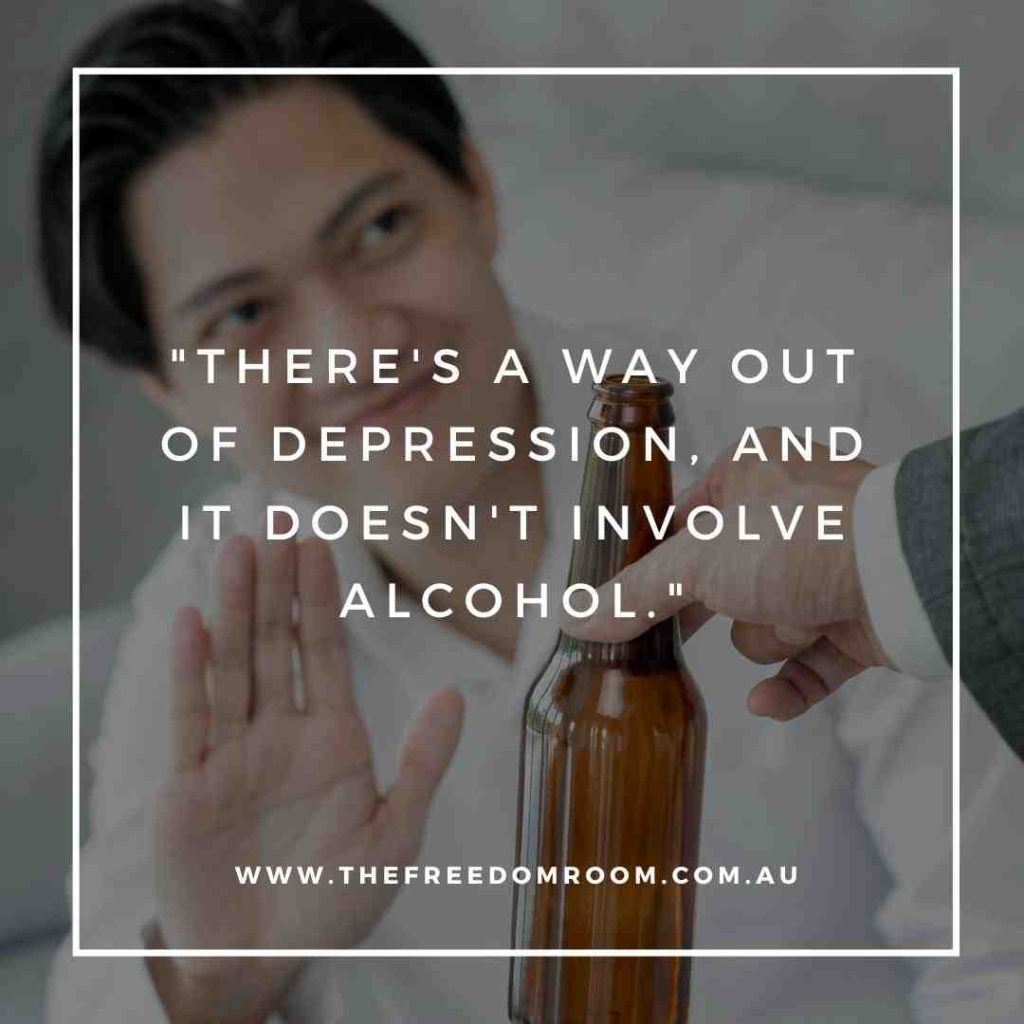
The effects of excessive drinking on mental health are complex and often cyclical. While some individuals use alcohol to alleviate symptoms of anxiety or depression, the substance ultimately exacerbates these conditions. As a central nervous system depressant, alcohol disrupts the delicate balance of neurotransmitters, including dopamine and serotonin, which are essential for mood regulation and cognitive function.
Chronic consumption can lead to structural changes in the brain, resulting in cognitive decline, memory impairment, and deficits in executive function. The relationship between alcohol and dopamine is particularly significant, as the brain may become desensitised to natural rewards, leading to a diminished interest in previously enjoyed activities. Furthermore, the long-term effects of drinking alcohol on the brain include an increased risk of self harm and suicidal ideation, as the combination of lowered inhibitions and intensified depressive symptoms creates a high risk environment.
Identifying Physical Dependence on Alcohol
Recognising when the effects of excessive drinking have progressed to a clinical alcohol use disorder is a vital step in the recovery process. Alcohol use disorder is a medical condition characterised by an impaired ability to cease or control alcohol use despite adverse social, occupational, or health consequences. It is essential to distinguish between habitual use and a formal physical dependence on alcohol.
Common clinical indicators of alcohol use disorder include:
- An inability to limit the quantity of alcohol consumed.
- A significant amount of time is dedicated to obtaining, consuming, or recovering from alcohol.
- Intense cravings or a preoccupation with the next opportunity to drink.
- Failure to meet professional, educational, or domestic obligations.
- Continued use despite the knowledge of persistent physical or psychological problems.
- The development of tolerance requires increased volumes to achieve the desired effect.
- The onset of withdrawal symptoms, such as tremors, diaphoresis, or nausea, when consumption ceases.
If these symptoms are present, seeking professional guidance is imperative. Understanding the effects of physical dependence on alcohol is a critical component of overcoming the stigma associated with treatment and beginning the journey toward health.
Professional Support for Sustainable Recovery
At The Freedom Room Wellness and Recovery, the clinical team possesses extensive experience in addressing the effects of excessive drinking. The organisation is comprised of professionals who understand the complexities of the recovery journey, providing a level of authentic empathy and evidence based support that is essential for long term success. The path to sobriety is rarely linear, and professional guidance is often necessary to navigate the challenges of physical and psychological change.
The facility offers compassionate and cost effective treatment through personalised therapeutic sessions, educational workshops, and specialised therapy. Located in Strathpine, Queensland, The Freedom Room provides a professional and non-judgmental environment where individuals can address the underlying causes of their consumption and develop the practical tools required for sustainable lifestyle changes. The clinical philosophy emphasises progress and the celebration of every milestone achieved on the path to wellness.
The approach integrates evidence informed guidance with practical strategies for daily living. Whether the objective is to reduce consumption or achieve total abstinence, the facility provides the community and expertise necessary for success. For further information regarding the available support systems, individuals are encouraged to explore the resources on alcohol harm minimisation. Recovery is a collaborative process, and professional support is available to ensure no one must face these challenges in isolation.
FAQ
What constitutes a standard drink according to Australian health standards? In the Australian context, a standard drink is defined as containing 10 grams of pure alcohol. This typically equates to 285ml of full strength beer, 100ml of wine, or 30ml of spirits. It is important to note that many commercial servings, particularly in hospitality venues, exceed these measurements, leading to an inadvertent overconsumption of alcohol.
How is binge drinking clinically distinguished from heavy drinking? Binge drinking is defined as a single session of high volume consumption, typically four or more drinks for women and five or more for men, with the primary intent of reaching intoxication. Heavy drinking refers to a chronic and consistent pattern of consumption that exceeds the recommended weekly limits, which significantly increases the risk of developing long term systemic diseases.
What are the primary clinical indicators of alcohol related liver damage? Early indicators of liver dysfunction can be non-specific and may include persistent fatigue, unexplained weight loss, and nausea. As the condition progresses to more advanced stages, symptoms may include jaundice, which is the yellowing of the skin and eyes, peripheral oedema, abdominal swelling, and an increased tendency for bruising or bleeding.
Is physiological recovery possible after a period of excessive drinking? The human body possesses a significant capacity for healing when alcohol consumption is ceased or substantially reduced. Improvements in hepatic function, cardiovascular health, sleep quality, and cognitive clarity are frequently observed. However, certain conditions, such as advanced cirrhosis or specific types of neurological damage, may be permanent and require ongoing medical management.
Where can individuals in Australia access confidential support for alcohol related concerns? Individuals may contact the National Alcohol and Other Drug Hotline at 1800 250 015 for immediate assistance. Additionally, consulting a general practitioner in Strathpine or contacting the professional team at The Freedom Room can provide access to personalised and empathetic recovery services.