

Why Aftercare for Alcoholics Is the Key to Lasting Sobriety
Aftercare for alcoholics refers to the comprehensive suite of ongoing support mechanisms and clinical treatments that follow the completion of a formal rehabilitation programme. This phase of recovery is specifically engineered to mitigate the risk of relapse and assist individuals in maintaining long-term sobriety while navigating their natural environment. It represents a transition from the highly controlled setting of a residential facility to the complexities of daily life.
At a glance, a robust aftercare strategy typically incorporates several critical components:
- Outpatient therapy, including individual, group, or family counselling.
- Sober living environments provide a structured, alcohol-free residence.
- Peer support groups such as Alcoholics Anonymous or SMART Recovery.
- Alumni programmes are designed to maintain a connection with the treatment community.
- Relapse prevention planning and regular consultations with a General Practitioner.
- Medication management supervised by qualified medical professionals.
Concluding a rehabilitation programme is a significant milestone that warrants recognition. However, for many individuals, the most profound challenges emerge the moment they return to their everyday routines. Workplace stressors, social triggers, and entrenched habits do not dissipate simply because a clinical programme has concluded. The transition period requires a deliberate and structured approach to ensure that the skills acquired during intensive treatment are effectively applied in real-world scenarios.
Research consistently indicates that between 40% and 60% of individuals recovering from alcohol or other substance use issues may experience a lapse at some point. This statistic is not intended to discourage those seeking help, but rather to highlight a fundamental medical reality: physical alcohol dependence is a chronic, relapsing condition. Much like diabetes or hypertension, it necessitates ongoing management and a commitment to long-term health strategies.
Structured aftercare significantly improves the probability of sustained success. Data suggests that individuals who engage in consistent continuing care achieve sobriety maintenance rates of 60% to 80%, compared to only 20% to 40% for those who do not. In Australia, alcohol remains one of the most widely utilised substances, and the requirement for accessible, personalised aftercare has never been more critical for public health.
According to the Australian Institute of Health and Welfare, alcohol-related harm continues to impact individuals, families, and communities across the nation. This guide provides a detailed examination of aftercare, from understanding the clinical components to constructing a personalised plan that aligns with the individual’s specific needs.
The Vital Role of Aftercare for Alcoholics in Sustaining Recovery
When examining physical alcohol dependence, it is appropriate to view the condition through the lens of chronic health management. Just as a patient managing asthma does not cease using their preventative medication because they have not experienced an attack recently, an individual in recovery should not view the conclusion of rehab as the end of their treatment journey. Aftercare serves as the essential bridge between the protected environment of a clinic and the multifaceted demands of the external world.
The initial 90 days following intensive treatment represent the period of highest risk for a return to use. During this time, the brain is in a state of active healing, and new coping mechanisms have not yet become fully integrated into the nervous system. Without a robust safety net, the sudden reintroduction of employment pressures or relationship complexities can become overwhelming for an individual in early recovery.
Statistics indicate that approximately 7.7 million adults globally struggle with co-occurring substance use and mental health concerns. This reality makes the continued monitoring provided by aftercare even more critical for long-term stability. By engaging in Staying Sober After Rehab, individuals can refine their skills in real-time while maintaining access to professional and peer support networks.

The Biological Reality of Early Recovery
Recovery is a biological process as much as it is a psychological one. Chronic alcohol consumption significantly alters brain chemistry, particularly the systems responsible for reward processing, stress regulation, and impulse control. When an individual ceases drinking, the brain requires a substantial period to recalibrate and return to a state of homeostasis. This neurological healing cannot be rushed and requires a supportive environment to prevent setbacks.
During the first several months of sobriety, individuals may encounter post-acute withdrawal syndrome (PAWS). This condition involves symptoms such as mood fluctuations, heightened anxiety, and significant sleep disturbances. Aftercare provides the medical and emotional oversight necessary to navigate these biological hurdles without resorting to alcohol for symptomatic relief. Understanding these physiological changes helps individuals remain patient with their progress.
The Four Pillars of a Sustainable Recovery Plan
A successful aftercare strategy is not a universal solution; it must be personalised to address the specific triggers and life circumstances of the individual. A robust plan focuses on four primary dimensions: health, home, purpose, and community. Addressing each of these areas ensures a holistic approach to long-term wellness and reduces the likelihood of environmental triggers causing a lapse.
Health involves the active management of physical well-being and any co-occurring mental health issues through regular medical consultations and evidence-based therapy. Home ensures a stable, safe living environment that is free from alcohol and high-stress triggers. Purpose relates to engaging in meaningful daily activities, such as employment, volunteering, or education, which provide necessary structure and a sense of personal accomplishment.
Community provides the social network required for emotional support and mutual accountability. A vital component of this process is the development of a Relapse Prevention Plan Guide prior to departing a formal programme. This document serves as a strategic roadmap, identifying high-risk situations and listing specific actions to be taken when cravings or stressors arise.
For those requiring more comprehensive detail, an In Depth Guide To Relapse Prevention Plans can assist in refining these strategies. This ensures that every potential challenge is considered when preparing for the demands of daily life. A well-constructed plan is the most effective defence against the inherent unpredictability of the recovery journey.
Common Types of Aftercare for Alcoholics
There are various methods to structure ongoing support, depending on the level of clinical intensity required. Some individuals benefit from a step-down approach, moving from residential care to an Intensive Outpatient Programme (IOP). This typically involves between 9 and 20 hours of therapy per week, facilitating a gradual transition back to full independence while maintaining a high level of professional contact.
Other common forms of Post Rehabilitation Support include:
- Sober Living Homes: These provide alcohol-free housing where residents adhere to house rules, attend recovery meetings, and support one another in a shared environment.
- Alumni Programmes: Many organisations facilitate events and digital platforms to help former clients maintain connections with their peers and mentors.
- Community Services: Organisations such as The Salvation Army provide essential community-based resources for those requiring additional assistance.
- Standard Outpatient Care: This involves regular individual therapy sessions to monitor progress and navigate new life challenges as they arise.
Selecting the appropriate combination of these services is essential for long-term success. Further information can be found in The Ultimate Guide To Post Rehabilitation Support to help determine which path aligns with current needs. Every individual possesses a unique set of requirements based on their personal history and social environment.
The Importance of Ongoing Therapy and Support Groups
Therapeutic intervention does not lose its utility once the initial detoxification phase is complete. Ongoing counselling utilising Cognitive Behavioural Therapy (CBT) or Motivational Interviewing remains a cornerstone of a Post Rehab Support Complete Guide. These sessions assist individuals in refining their coping skills and addressing the underlying emotional drivers of their previous alcohol use.
Peer support groups are equally influential in the maintenance of sobriety. Whether it is a traditional 12-step programme like Alcoholics Anonymous or a secular alternative such as SMART Recovery, the impact of peer accountability is significant. In Australia, thousands of individuals have achieved success by participating in Alcohol Addiction Support Groups where they can share experiences in a non-judgmental setting.
Regular attendance at Group Recovery Meetings fosters a sense of belonging and mitigates the isolation that frequently leads to relapse. Recognising that others have navigated similar struggles and maintained sobriety provides a level of hope that clinical care alone may not achieve. These groups offer a secure environment to discuss the practical realities of living an alcohol-free life.
The Role of the General Practitioner in Australian Aftercare
In the Australian healthcare system, the General Practitioner (GP) plays a central role in the aftercare process. A GP can provide referrals to specialised psychologists, monitor physical health markers that may have been impacted by long-term alcohol use, and manage any necessary medications. Regular check-ins with a GP ensure that the medical aspects of recovery are not overlooked.
Furthermore, a GP can assist in coordinating care between different providers, ensuring that mental health plans are updated and that the individual has access to Medicare-subsidised services where applicable. This integrated approach is vital for maintaining the continuity of care required for those with a physical alcohol dependence. Establishing a strong relationship with a primary care physician provides an additional layer of accountability and professional support.
Customising Your Aftercare for Alcoholics
Customisation begins with thorough discharge planning conducted before leaving a treatment facility. It is essential to consult with a recovery team to align on medical requirements and lifestyle adjustments. This may include medication management for cravings or the establishment of specific financial and vocational goals to reduce overall life stress.
Building The Ultimate Roadmap For Recovery After Rehab involves a holistic assessment of the individual. If a person is returning to a residence where others consume alcohol heavily, the plan should prioritise securing a sober living environment. If workplace stress was a primary trigger, the plan should focus on professional boundaries and stress management techniques.
The objective is to transition from a state of survival to a state of thriving. The The Secret To Maintaining A Recovery Maintenance Plan lies in the willingness to adjust the strategy as personal growth occurs. The requirements at 30 days of sobriety will differ significantly from those at one year into the journey.
Managing Relapse and Maintaining Motivation
It is important to distinguish between a lapse and a relapse. A lapse is a brief, isolated return to use, which serves as a critical warning sign that the current plan requires adjustment. A relapse is a return to previous patterns of heavy use over a sustained duration. Neither event represents a personal failure, but both indicate that the existing support structure needs to be strengthened.
Maintaining motivation over the long term requires a growth mindset and a consistent commitment to self-care. Celebrating milestones, such as 30 days, six months, or one year, reinforces the positive changes achieved. Practising self-compassion is also essential, as excessive self-criticism following a setback often generates the shame that can lead to further alcohol consumption.
By implementing Relapse Prevention Strategies, such as identifying early warning signs and maintaining an emergency contact list, individuals can address a lapse before it evolves into a full relapse. Recovery is a marathon, not a sprint. The Long Haul How To Keep Your Sobriety Journey Strong requires patience and a daily commitment to personal well-being.
Embrace Your Recovery Path with Us by Your Side
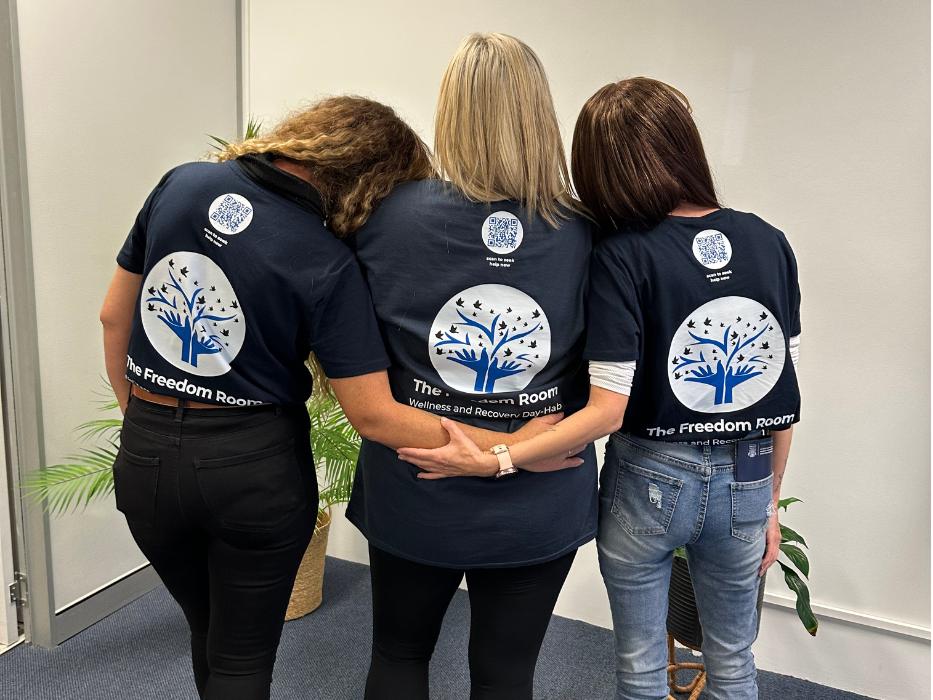
At The Freedom Room Wellness and Recovery, we recognise that the journey toward sustained sobriety does not conclude upon departure from a clinical facility. Our team consists of professionals who possess lived experience in recovery, allowing us to provide a level of authentic support and empathy that is unique to those who have navigated similar paths. We understand the complexities of the recovery process because we have experienced them personally.
Our approach is centred on providing compassionate, cost-effective care that is tailored to the unique circumstances of your life. Whether you are located in Strathpine or the broader Queensland region, we offer personalised sessions, workshops, and therapeutic interventions designed to assist you in building a fulfilling, alcohol-free future. We maintain that every individual deserves the opportunity to heal within a non-judgmental and supportive professional environment.
If you are seeking a community that understands the underlying causes of your struggle and the practical steps required for your success, we are available to assist. Allow us to help you navigate the intricacies of aftercare with a structured plan that aligns with your lifestyle. You can learn more about our comprehensive approach to long-term wellness by visiting Our Services. If you are prepared to take the next step or have inquiries regarding how to commence your journey, please Contact Us today.
Frequently Asked Questions
How long does aftercare for alcoholics usually last? Clinical professionals generally recommend engaging in structured aftercare for a duration of 12 to 24 months. While the intensity of the support typically diminishes over time, many individuals choose to participate in peer support meetings or periodic therapy for several years to maintain focus and prevent complacency.
Is aftercare effective in preventing relapse? Yes, empirical research demonstrates that individuals who participate in assertive continuing care have significantly higher rates of abstinence. For instance, those who attend weekly support group meetings are nearly twice as likely to remain sober after six months compared to those who do not engage in follow-up support.
How can my family support me during aftercare? Family members can provide support by educating themselves on the nature of physical dependence on alcohol, removing environmental triggers from the home, and participating in family counselling. Establishing healthy boundaries is also essential to avoid enabling behaviours while providing emotional encouragement.
Where can I find aftercare resources in Queensland? Individuals may begin by consulting their General Practitioner or the clinical team at their rehabilitation facility. Local community centres often host support groups such as AA or SMART Recovery. For personalised professional support in Strathpine, you may contact The Freedom Room for guidance on local resources.
What should I do if I have a lapse during aftercare? It is critical to contact your support network or treatment provider immediately. A lapse is an indication to reassess your recovery plan rather than a reason to abandon your efforts. By acting with honesty and speed, you can identify the triggers and strengthen your Coping Skills To Prevent Relapse.