

An Introduction to Emotional Sobriety
This guide provides a fundamental overview of emotional sobriety, a critical concept for navigating emotional states during recovery. It is an essential component for achieving long-term well-being.
Key components include:
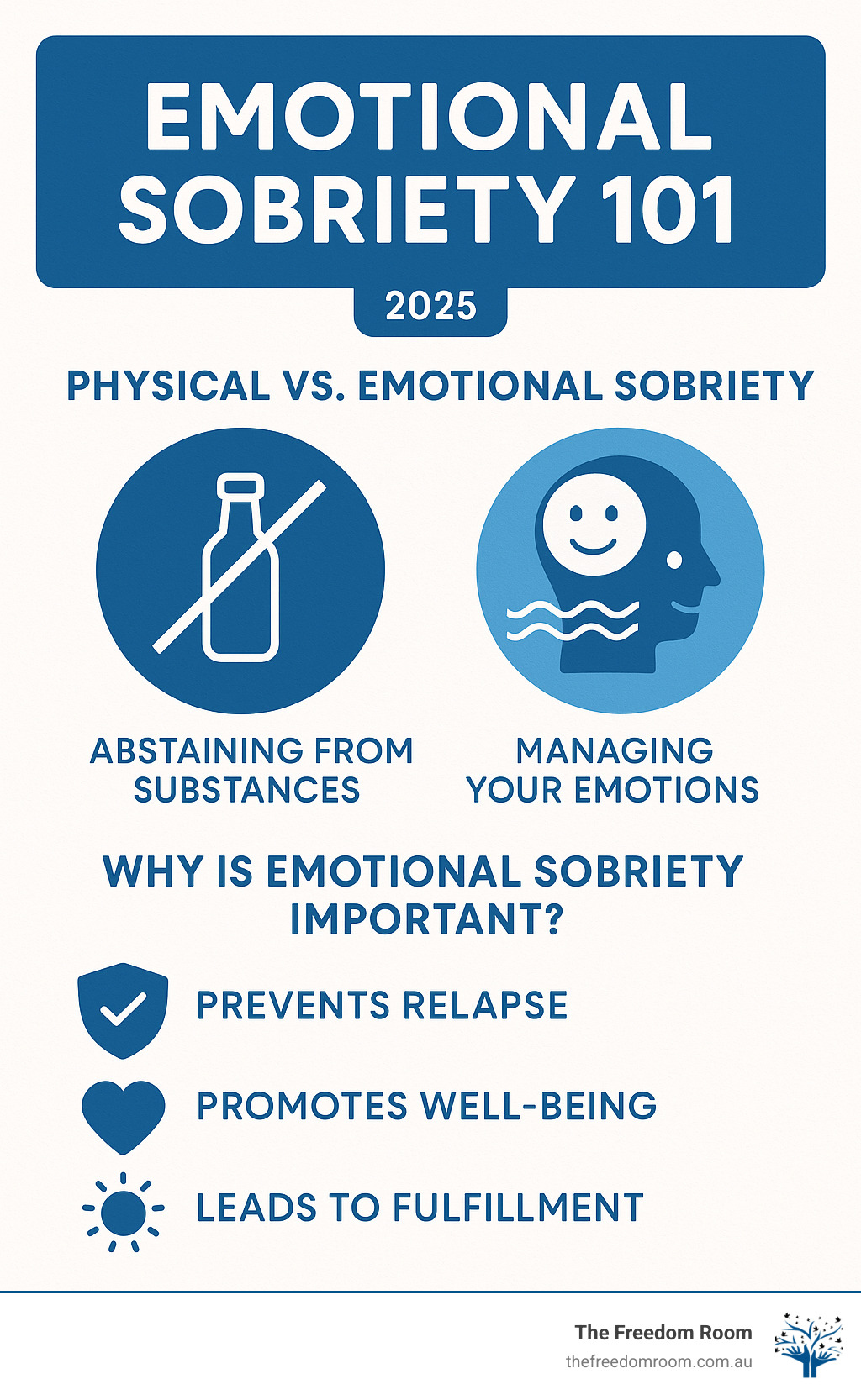
- What is emotional sobriety? It is the ability to manage feelings and cope with life’s challenges without returning to alcohol or other drugs.
- How does it differ from physical sobriety? Physical sobriety means abstaining from substances. Emotional sobriety is the deeper, internal work of regulating one’s emotions.
- Why is it important? It helps prevent relapse, promotes overall mental health, and leads to a more fulfilling life.
Defining Emotional and Physical Sobriety
Physical sobriety is widely understood as the act of abstaining from alcohol and other drugs. However, comprehensive recovery extends to include emotional sobriety. This concept refers to the capacity to manage emotions effectively and steer life’s challenges without resorting to substance use.
The Importance of Emotional Sobriety in Recovery
In the absence of emotional sobriety, individuals may experience what is sometimes termed a ‘dry drunk’ state: they are physically abstinent but continue to struggle with internal emotional dysregulation. Emotional sobriety is therefore crucial for sustained well-being, as it facilitates the processing of feelings rather than their suppression. Addiction involves significant emotional components, and unprocessed emotions can manifest as persistent distress. Attaining emotional sobriety involves developing the skills to regulate one’s emotional state, enabling an individual to cope with life on its own terms.
The Foundations of Emotional Sobriety
Emotional sobriety is an ongoing process of development. It involves cultivating emotional maturity and the ability to regulate feelings, which improves resilience in navigating life’s challenges. This concept extends beyond simple abstinence from substances to encompass a deeper level of emotional wellness.
Historical Context: The Origins of the Concept
The idea of ’emotional sobriety’ was introduced by William Wilson, a co-founder of Alcoholics Anonymous (AA). Wilson identified that while physical abstinence is essential, it is often insufficient for comprehensive, long-term recovery. He described the internal work of emotional healing as the “next horizon” in the recovery process. Although originating in 12-step programs, the principles of emotional sobriety have universal applicability for anyone seeking greater emotional balance and overall well-being. To explore this topic in more detail, see More on Emotional Sobriety.
Distinguishing Emotional from Physical Sobriety
At its core, emotional sobriety is the ability to manage feelings and cope with life’s challenges without resorting to drugs or alcohol. It requires acknowledging and responding to all emotions, including difficult ones, in a healthy and constructive manner. This differs significantly from physical sobriety, which is defined simply as abstinence from substances.
Many individuals achieve physical sobriety but continue to experience emotional dysregulation, a state sometimes referred to as the ‘dry drunk’ phenomenon. These individuals may be substance-free but exhibit unhealthy coping mechanisms such as anger, resentment, or an inability to manage stress. Emotional sobriety addresses the internal work required to build mental and emotional stability, freeing individuals from being controlled by their emotional states and enabling them to cope with ‘life on life’s terms’.
The Significance of Unprocessed Emotions in Recovery
Substance use often begins as a method of self-medicating underlying emotional pain, anxiety, stress, or trauma. Upon cessation of substance use, these unprocessed emotions typically resurface. Without the skills to manage them, the risk of relapse increases. Unprocessed emotions can contribute to chronic stress and physiological symptoms.
Confronting these feelings without substance reliance is fundamental to long-term recovery. The recovery process provides an opportunity for significant emotional growth, which may have been arrested during active addiction. The body produces distinct biochemical responses to each emotion, and individuals can become subconsciously habituated to certain emotional states, such as anxiety or fear. This creates a cycle of internal chemical states that requires rebalancing. Processing these emotions is key to developing healthy coping skills and building resilience for all of life’s challenges.
Core Skills for Developing Emotional Sobriety
Achieving emotional sobriety requires developing a range of core skills that empower individuals to manage their inner world effectively. These skills are not always innate, particularly for those whose emotional development was impacted by substance use or dysfunctional family environments. However, they can be learned and strengthened through consistent practice and support.
The process involves cultivating self-awareness, learning emotional regulation techniques, and building a repertoire of healthy coping mechanisms. This enables individuals to respond to life’s challenges with greater resilience and emotional balance. Research indicates that emotional dysregulation is a common characteristic among individuals with substance use disorders, making focused work on these skills paramount. More information is available on Emotion regulation in substance use disorders.
Developing Self-Awareness and Mindfulness
Self-awareness is the cornerstone of emotional sobriety. It involves identifying and understanding one’s feelings, thoughts, and behavioural patterns. This requires learning to pause before reacting, naming emotions, and observing the physical sensations that accompany them, such as anxiety manifesting as a tight chest.
Mindfulness is a practical tool for cultivating self-awareness. It teaches individuals to be present with their thoughts and feelings without judgment. Rather than being controlled by intense emotions, mindfulness allows for their observation, reinforcing the understanding that ‘feelings are not facts’. This practice helps differentiate between fleeting feelings and deeper emotional states. Given that the average person has approximately 6,200 thoughts per day, learning to observe them without attachment is a significant skill. For more on this, explore Mindfulness for Alcohol Recovery.
Learning Emotional Regulation Techniques
Once emotions can be identified, the next step is learning to regulate them. This involves managing responses to feelings rather than suppressing them.
Effective emotional regulation techniques include:
- Pausing Before Reacting: Taking a moment to breathe deeply before responding to a stressful situation creates space for a more thoughtful reaction.
- Breathing Exercises: Deep breathing techniques can calm the nervous system during moments of anxiety or intense emotion.
- Grounding Techniques: Focusing on the senses (sight, sound, smell, touch, taste) can help an individual return to the present moment when feeling overwhelmed.
- Cognitive Reappraisal: This involves reframing negative thoughts or situations to view them from a more positive or neutral perspective, such as viewing a job interview as an opportunity rather than solely a source of anxiety.
- Cognitive Behavioural Therapy (CBT) Strategies: CBT helps identify negative thought patterns and develop healthier coping mechanisms by teaching individuals to challenge distorted thinking. Learn more about Cognitive Behavioural Therapy (CBT) for Alcoholism.
The Role of Emotional Freedom Techniques (EFT)
Emotional Freedom Techniques (EFT), or “tapping,” is an evidence-based therapeutic tool used to alleviate psychological stress and other challenges. EFT is not about suppressing emotions but rather processing the energetic components of fear, anger, and worry. This process can help individuals move from a state of being overwhelmed to one of greater calm and inner peace, allowing for the emergence of self-worth.
EFT involves tapping on specific acupressure points on the face and upper body while focusing on a particular distressing thought or emotion. This process is theorized to send a calming signal to the amygdala, the brain’s threat detection center. The amygdala initiates the “fight, flight, or freeze” response, releasing stress hormones like adrenaline and cortisol. In modern life, this survival mechanism can become overactive in response to non-life-threatening stressors or past trauma. This chronic activation can negatively affect overall well-being.
The combination of physical stimulation (tapping) and cognitive focus helps to down-regulate this stress response, allowing the nervous system to return to a more balanced state. Consistent application of EFT can help retrain this response, potentially reducing the intensity and frequency of overwhelming stress reactions and fostering greater emotional resilience.
To learn more about this tool, explore Emotional Freedom Technique (EFT).
How EFT Practitioners Support Recovery
The role of an EFT Practitioner is to guide the release of emotional trauma held within the body and subconscious memories in a safe, controlled manner. An EFT Therapist is trained to support clients in navigating and clearing both minor and major traumas. Each trauma is unique, and a trained practitioner can identify its specific pain points and work to clear them effectively.
One of the primary objectives of an EFT practitioner is to prevent the individual from re-experiencing the full emotional intensity of the trauma during therapy. In contrast to some therapeutic modalities that may temporarily heighten distress, EFT is designed to process and clear negative emotions, with the goal of the individual feeling an improvement in their state by the session’s conclusion. The aim of an EFT Practitioner is to guide an individual to a state where the traumatic event no longer holds a significant emotional charge, allowing them to view it from a different perspective or no longer access the memory with the same level of distress. The Freedom Room offers comprehensive EFT Practitioner Services at The Freedom Room.
Health Areas Supported by EFT
EFT can be effectively used as part of a comprehensive healing journey. Many illnesses, both physical and mental, have an emotional component. Once emotional stress is cleared, the body can relax and enter a parasympathetic nervous system state, which allows the healing process to begin. Individuals often remain in a stress cycle due to unresolved emotions, which can impede healing.
Areas where EFT is known to be particularly beneficial include:
- Addictions
- Anxiety
- Depression
- Sexual/Emotional/Physical Abuse
- PTSD (Post Traumatic Stress Disorder)
- Stress Management
- Childhood Trauma
- Phobias
- Pain Management
- Loss and Grief
- Self-Confidence/Self-Esteem
Practical Strategies for Daily Application
Cultivating emotional sobriety is an ongoing practice that integrates into daily life. It involves adopting specific strategies and building healthy habits that support emotional well-being. Similar to physical sobriety, the journey towards emotional balance requires consistent effort.

While the process can be challenging, applying actionable steps and building strong support systems can lead to significant progress. The goal is not perfection, but consistent effort, allowing for continuous growth and resilience.
Key Daily Practices for Emotional Sobriety
Incorporating specific strategies into a daily routine is fundamental for developing emotional sobriety. The following practices are beneficial:
- Journaling for Clarity: Writing about thoughts and feelings helps to identify patterns, triggers, and emotional responses, which fosters self-awareness. For additional information, see The Healing Power of Journalling.
- Establishing a Routine: A consistent routine provides structure and predictability, which can reduce anxiety. This should include time for self-care, healthy meals, and adequate rest.
- Practising Gratitude: Regularly reflecting on things for which one is thankful can shift perspective towards positivity and contentment.
- Setting Healthy Boundaries: Learning to decline requests and protect one’s time and energy from draining situations is crucial for emotional well-being. Healthy boundaries prevent burnout and foster respectful relationships.
- Engaging in Self-Care: Prioritising activities that replenish energy and promote mental calm is essential for sustained recovery.
Building a Strong Support Network
Achieving emotional sobriety is greatly facilitated by a strong support network. Such a network provides accountability, empathy, and practical guidance when challenges arise.
Key components of a support network include:
- Seeking Professional Help: Therapists, counsellors, and addiction specialists can provide custom strategies for emotional regulation, trauma processing, and relapse prevention in a confidential setting.
- Joining Support Groups: Peer support groups like AA, Narcotics Anonymous (NA), or SMART Recovery offer connection with individuals who have shared experiences, which can reduce feelings of isolation.
- Cultivating Healthy Relationships: Surrounding oneself with positive, supportive people who respect the recovery journey is important. This involves effective communication of needs and the establishment of clear boundaries in all relationships.
- Finding a Mentor: A sponsor or a trusted peer in recovery can offer invaluable guidance and support based on their own experiences and insights.
Navigating Challenges in Early Recovery
The early stages of recovery present unique and intense challenges. This period, typically spanning the first 90 days to a year of sobriety, is when maintaining abstinence can be most difficult. It can take approximately one year for emotional stability to begin to return, and understanding this timeline can be helpful during this period.
Emotional overwhelm is a common experience during early recovery, as feelings previously suppressed by substances resurface with intensity. Mood swings can be pronounced, shifting between hope and despair. This heightened emotional sensitivity is a normal part of the neurochemical rebalancing process.
Many individuals also experience grief, mourning the role that a substance, though destructive, played in their lives. Processing this sense of loss requires patience and self-compassion. More information is available at Navigating the Grief of Quitting Alcohol.
Stress management becomes critical, as everyday situations may trigger intense anxiety without established coping mechanisms. Learning new stress-reduction techniques is essential for maintaining recovery. You can explore more about this in Stress and Addiction Recovery.
The progression of early sobriety emotions is often non-linear, with periods of confidence alternating with doubt and emotional turbulence. This unpredictability is a standard part of the healing process as brain chemistry gradually rebalances. For deeper insights, visit Early Sobriety Emotions.
Strategies for Managing Emotions and Preventing Relapse
Developing the ability to manage difficult emotions without returning to substances is a fundamental component of the emotional sobriety journey. The following skills are critical:
- Addressing Resentment: Unprocessed emotions, particularly resentment, pose a significant relapse risk. The literature of Alcoholics Anonymous identifies resentment as a primary obstacle to recovery.
- Coping with Triggers: This requires developing a personalised strategy. Individuals should identify their specific emotional and situational triggers and create a concrete response plan, such as contacting a support person, using breathing exercises, or removing oneself from a triggering environment.
- Constructive Conflict Resolution: As relationships are rebuilt and new ones are formed, learning to communicate needs clearly while actively listening to others can prevent emotional escalation.
- Developing Resilience: Resilience is the capacity to recover from setbacks. It is built through experience, as each challenge steerd without substance use strengthens an individual’s confidence in their coping abilities. Setbacks are opportunities for learning and growth.
- Practising Self-Compassion: Recovery is a process that may involve mistakes and difficult emotions. Applying self-compassion, rather than self-criticism, is important for maintaining motivation during challenging times.
- Seeking Feedback: Obtaining perspective from trusted members of a support network can be valuable when personal judgment is compromised. External feedback helps maintain accountability and provides encouragement.
For comprehensive guidance on building these essential skills, explore Coping Skills to Prevent Relapse. The development of emotional regulation is a gradual process built upon the consistent choice of healthy coping strategies over substances.
Conclusion: The Benefits of Emotional Sobriety and Seeking Support
Emotional sobriety is a profound and ongoing process that extends beyond simple abstinence from substances. It is a path toward a life of emotional balance, internal strength, and true well-being. The goal is consistent progress rather than perfection, with each step building new skills and confidence.
Long-Term Benefits of Emotional Sobriety
The cultivation of these vital emotional skills yields numerous benefits across all areas of life. These include:
- Improved Mental Health: Reduced anxiety, less depression, and more stable moods.
- Stronger Relationships: Improved communication, deeper empathy, and the ability to establish healthy boundaries.
- Deeper Self-Esteem: A secure sense of self not reliant on external validation.
- Greater Resilience: The capacity to steer life’s challenges without becoming overwhelmed.
- Reduced Relapse Risk: A solid foundation for long-term physical sobriety.
These positive changes contribute to a richer, more meaningful existence. To learn more about these potential outcomes, explore The Joys of Sobriety.
Seeking Professional Support
Lasting recovery is a holistic process that requires addressing both physical and emotional well-being. Professional support services can offer guidance through personalised sessions, workshops, and therapy. The Freedom Room provides effective alcohol addiction treatment services designed to help individuals build the skills for lasting emotional sobriety and a fulfilling life. Our services are located in Strathpine, QLD.
For individuals ready to build a foundation for an alcohol-free future, professional assistance is available.
Learn more about our affordable addiction treatment services