
Why Finding the Right Ways to Quit Alcohol Can Change Everything
The most effective ways to quit alcohol depend on your level of physical dependence on alcohol, your personal triggers, and the support available to you. Here is a quick overview:
- See a doctor first, especially if you drink heavily daily, as withdrawal can be dangerous without medical supervision.
- Assess your drinking honestly by using a tool like the AUDIT questionnaire to understand your level of risk.
- Set a clear goal to decide whether cutting back or stopping completely is right for your situation.
- Remove access and reduce temptation by clearing alcohol from your home and identifying the people, places, and emotions that trigger cravings.
- Build a support system which may include a GP, counsellor, peer support group, or trusted friends and family.
- Consider medication-assisted treatment using medications like Acamprosate or Naltrexone to reduce cravings and support abstinence under medical guidance.
- Have a craving plan so you know exactly what you will do when the urge to drink hits.
- Be persistent, as most people make several attempts before reaching their long-term goal, and that is completely normal.
Alcohol is the most widely used substance in Australia. According to the Australian Institute of Health and Welfare, drinking is deeply woven into everyday Australian social life, yet it carries serious risks including liver disease, heart damage, and at least seven types of cancer.
For individuals questioning their drinking patterns, support is widely available.
Research indicates that approximately 75 percent of individuals who recover from alcohol use disorder do so without formal treatment. Self-directed change is real, valid, and effective for many people. At the same time, some individuals require medical support to quit safely, and understanding this distinction is critical.
This guide covers the full range of evidence-based options, from self-guided strategies to professional treatment, so you can find the path that fits your life.
Evidence-Based Ways to Quit Alcohol Safely
When exploring the best ways to quit alcohol, safety must always be your first priority. A sudden cessation of drinking can trigger a severe stress response in the body, particularly if you have developed a physical alcohol dependence. This biological adaptation means your nervous system has adjusted to the constant presence of alcohol, and stopping suddenly can cause dangerous complications.
According to verified data from the Australian Institute of Health and Welfare, alcohol-related harms place a heavy burden on Australian families and healthcare systems. Fortunately, the physiological benefits of reducing or stopping your consumption begin almost immediately.
For instance, research indicates that liver fat drops by roughly 15 percent after just one month of abstinence. Similar proportional improvements are observed when your overall intake is significantly reduced and sustained over time.
Additionally, reducing your consumption has a profound effect on cardiovascular health. For individuals drinking heavily, cutting back from four drinks a day to two can drop systolic blood pressure by 5 to 10 mmHg. This reduction is highly significant and is comparable to the effects of some daily blood pressure medications.
Understanding Your Relationship with Drinking
Before choosing a path forward, it is essential to conduct an honest self-assessment of your current consumption patterns. Many people underestimate their weekly alcohol intake by as much as 40 to 60 percent. Keeping a detailed drinking diary for a week, noting exactly what you drink, when, where, and how you felt, is an excellent way to establish an accurate baseline.
A highly reliable tool for this process is the Alcohol Use Disorders Identification Test, commonly known as the AUDIT questionnaire. Developed by the World Health Organisation, this screening tool helps categorise your drinking behaviour. A score of 8 or higher generally indicates hazardous or harmful alcohol use, while a score of 20 or higher suggests a stronger physical dependence on alcohol.
Understanding these metrics is vital for anyone considering a self-guided recovery journey. Many people find success by implementing independent strategies, such as those outlined in this guide on How to Quit Drinking.
To track your progress accurately, you must understand standard drink sizes in Australia. A standard drink contains exactly 10 grams of pure alcohol. This is equivalent to a 285 ml middy of full-strength beer, a 100 ml glass of red or white wine, or a single 30 ml nip of distilled spirits.
Many people find that utilising a structured Self-Guided Sobriety Guide helps them establish clear boundaries, track daily limits, and maintain personal accountability without immediate professional intervention.
Exploring Medical Detox and Professional Ways to Quit Alcohol
For individuals with a significant physical dependence on alcohol, attempting to stop drinking abruptly at home without clinical support can be life-threatening. Withdrawal symptoms can range from mild tremors and anxiety to severe complications such as seizures or Delirium Tremens. If you experience trembling hands, rapid sweating, or severe nausea when you go without a drink, you must seek professional medical advice before making changes.
Supervised medical detox provides a controlled environment where healthcare professionals can monitor your vital signs and administer medications to ease withdrawal discomfort. Fortunately, traditional inpatient rehab is not the only path to recovery. There are many effective Alternatives to Rehab that allow you to receive professional support while maintaining your daily work and family routines.
Pharmacotherapy is another highly effective tool in modern alcohol treatment. In Australia, several medications are commonly prescribed to assist with alcohol cessation and craving management:
- Acamprosate: This medication helps stabilise chemical messengers in the brain that have been disrupted by long-term drinking. It reduces the chronic cravings that often lead to relapse and is subsidised under the Pharmaceutical Benefits Scheme. It typically takes about one week to become fully effective.
- Naltrexone: This option works by blocking the pleasurable, euphoric effects of alcohol. If you do consume alcohol while taking it, the rewarding sensation is greatly reduced. It begins working within an hour of consumption.
- Disulfiram: This older medication causes an immediate, highly unpleasant physical reaction if any alcohol is consumed, acting as a strong psychological deterrent.
These medications are designed to be used as part of a comprehensive treatment plan that includes professional counselling and social support. For more detailed information on managing withdrawal safely, you can consult these Clinical Guidelines on Alcohol Cessation.
Practical Ways to Quit Alcohol and Manage Daily Triggers
Successfully navigating early sobriety requires practical strategies to identify and manage the daily triggers that prompt you to drink. A highly effective tool for recognising these moments is the HALT framework. This system encourages you to pause and ask yourself if you are feeling Hungry, Angry, Lonely, or Tired whenever a craving arises. Addressing these basic physical and emotional needs directly can often cause the urge to drink to subside.
Another powerful technique is urge surfing. This psychological strategy involves viewing a craving as a wave in the ocean. Rather than fighting the wave or giving in to it, you mentally ride the wave, accepting the discomfort while knowing that all cravings peak and eventually subside within 10 to 15 minutes.
Developing a personalised toolkit of distraction techniques, such as going for a brisk walk, calling a supportive friend, or engaging in a creative hobby, can help you navigate these waves safely. You can find more practical, self-directed strategies in this guide to Alcohol Recovery Self Help.
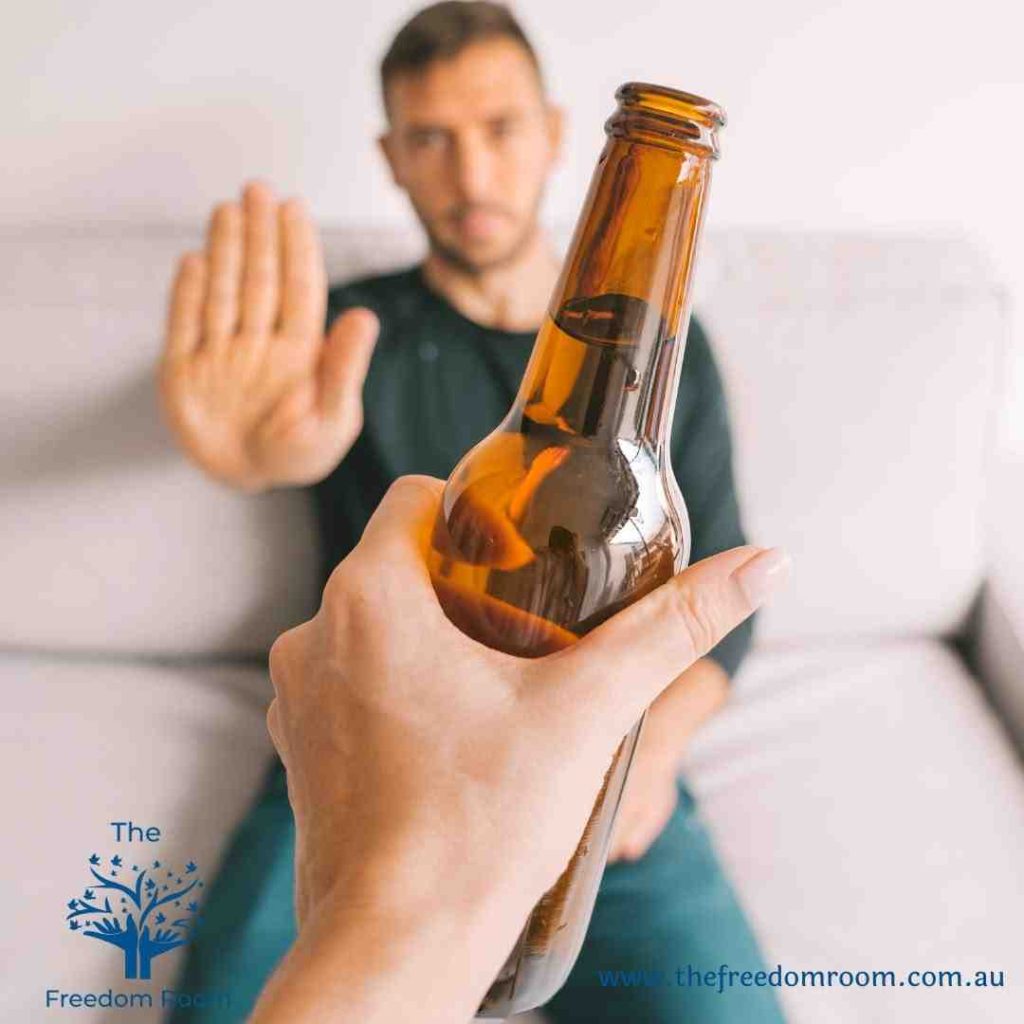
Handling social situations and peer pressure is another common hurdle. Preparing a direct, polite refusal script, such as “No thanks, I am driving tonight” or “I am taking a break for my health,” allows you to decline drinks confidently. Practising these responses in advance reduces anxiety when you are socialising.

Building a strong, non-judgmental support network is equally critical. Surrounding yourself with people who respect your boundaries and encourage your healthy lifestyle choices makes a profound difference in your long-term success.
Cutting Back Versus Stopping Completely
Deciding whether to pursue moderate drinking or complete abstinence depends entirely on your personal history, health status, and level of dependence. A harm reduction approach focuses on gradually reducing your consumption to lower-risk levels. This can be an excellent option for individuals who do not experience physical withdrawal symptoms and wish to retain flexibility for social occasions.
If you choose to cut back, you can implement structured Strategies to Reduce Alcohol to stay on track. These include setting a strict weekly budget, choosing lower-strength beverages, alternating alcoholic drinks with water, and scheduling at least three or four alcohol-free days each week.
However, for individuals who have experienced severe physical dependence on alcohol, complete abstinence is generally the safest and most successful path. If you find that having a single drink consistently leads to heavy, uncontrolled drinking, moderation may not be a realistic or sustainable goal.
You can explore a detailed framework to help you evaluate your options and make an informed decision in this patient guide on Deciding Your Path.
Ready for Change? Building a Stronger, Alcohol-Free Future
At The Freedom Room Wellness and Recovery, we understand that overcoming alcohol dependence is a deeply personal journey. We offer compassionate, cost-effective alcohol addiction treatment through personalised sessions, structured workshops, and evidence-based therapy.
Our unique strength lies in our team, who are in recovery themselves. This lived experience allows us to provide authentic support, deep empathy, and practical guidance free from judgment or stigma. We meet you exactly where you are, whether you are aiming for complete abstinence or seeking support to reduce your drinking safely.
If you are ready to take the next step toward a healthier, more fulfilling life, we invite you to explore Our Services to find a programme that fits your needs. You can also reach out to our team directly through our Contact Us page to discuss your options in a confidential, supportive environment.
We are located at 9a/521 Beams Rd, Carseldine QLD 4034, providing accessible care to our local community. Let us help you build the skills, resilience, and support network you need for lasting recovery.
Frequently Asked Questions About Sobriety
What is the typical alcohol withdrawal timeline?
For individuals with a physical alcohol dependence, mild withdrawal symptoms can begin within 6 to 24 hours after the last drink. These symptoms usually peak between 24 and 72 hours and may include anxiety, sweating, tremors, and insomnia. Most physical symptoms begin to subside after 5 to 7 days, though psychological cravings and sleep disturbances can persist for several weeks.
Can I safely quit drinking without going to rehab?
Yes, many people successfully achieve sobriety without entering an inpatient rehabilitation facility. You can explore a variety of independent recovery pathways in this guide on Getting Sober Without Rehab. However, if you have a history of severe withdrawal symptoms, you must consult a healthcare professional to ensure you detox safely.
What is the difference between a temporary slip-up and a complete relapse?
A slip-up, or lapse, is a brief, temporary detour where you have a drink but immediately recommit to your recovery goals. A relapse occurs when you abandon your recovery plan entirely and return to your previous patterns of regular, heavy drinking. Treating a lapse as a learning opportunity rather than a personal failure is key to preventing a complete relapse.
What long-term health benefits can I expect after quitting?
Within a month of quitting, you will likely notice improved sleep quality, increased energy levels, better skin hydration, and a reduction in liver fat. Over the longer term, your risk of cardiovascular disease, stroke, and various cancers decreases significantly. Your immune system also strengthens, making your body more resilient to infections.