

Long Term Alcohol Rehab Brisbane: Top 5 Life-Changing Centers 2025
Why Long-Term Alcohol Rehab Brisbane is Your Path to Lasting Recovery
Long term alcohol rehab Brisbane offers comprehensive residential treatment programmes that typically last 28 days to several months, designed to address the root causes of alcohol addiction and provide the tools needed for sustained recovery.
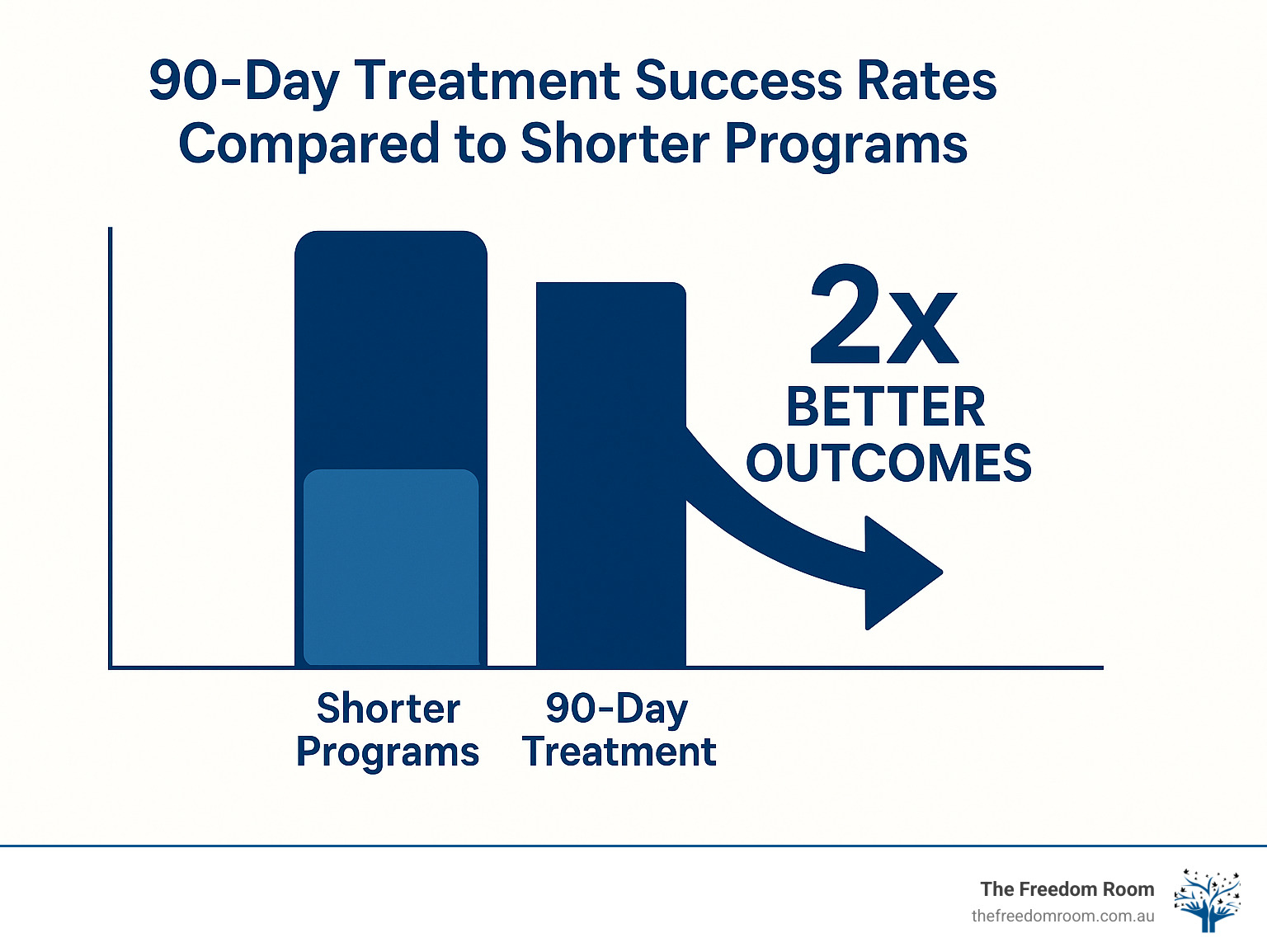
Breaking free from alcohol addiction isn’t just about stopping drinking – it’s about rebuilding your entire life. Research shows that longer stays in rehabilitation significantly improve your chances of lasting recovery. In fact, 90-day programmes are more than twice as successful as shorter treatments.
Brisbane’s long-term rehab centres understand that alcohol addiction is a chronic condition requiring comprehensive care. These facilities provide structured environments where you can safely detox, learn coping strategies, and develop the skills needed to maintain sobriety long-term.
The journey typically involves three phases: medical detoxification to safely manage withdrawal, intensive rehabilitation therapy to address underlying causes, and aftercare support to maintain recovery in the community. With approximately 50% of people with substance use disorders also experiencing mental health challenges, Brisbane’s quality rehab centres offer dual diagnosis treatment to address both conditions simultaneously.
Whether you’re dealing with work stress, relationship problems, or simply feel trapped in a cycle of dependency, long-term rehabilitation provides the time and support needed to break free from alcohol’s grip and build a fulfilling, sober life.

Long Term Alcohol Rehab Brisbane: Why Duration Matters
When it comes to long term alcohol rehab Brisbane, we need to have an honest conversation about why time matters so much in recovery. Alcohol addiction isn’t like a broken bone that heals in six weeks – it’s more like diabetes or heart disease, requiring ongoing care and attention to manage successfully.
The science behind extended treatment tells a powerful story. Research involving over 10,500 people shows that longer residential programmes deliver significantly better outcomes than shorter ones. This isn’t about making treatment centres more money or keeping you away from home longer than necessary. It’s about giving your brain the time it genuinely needs to heal and rewire itself.
Here’s what many people don’t realise: alcohol addiction fundamentally changes how your brain works. These changes happen gradually over months or years of drinking, and they don’t magically reverse after a few weeks of sobriety. Your brain needs time to develop new, healthier pathways – a process called neuroplasticity. This biological healing is exactly why Long Term Alcohol Rehab focuses on comprehensive care rather than quick fixes.
Brisbane’s approach to extended rehabilitation recognises another crucial reality – about two-thirds of people struggling with alcohol addiction also have mental health challenges. Depression, anxiety, trauma, and other conditions often fuel the cycle of drinking. Scientific research on co-occurring disorders confirms that treating both issues together, rather than separately, gives you the best chance at lasting recovery.
Think of it this way: if you’ve been using alcohol to cope with stress, manage emotions, or escape painful memories for years, learning new coping strategies takes practice. Real, sustainable change doesn’t happen overnight, and that’s perfectly normal.
What Is Long-Term vs Short-Term Treatment?
Understanding the difference between short-term and long-term treatment can help you make the right choice for your recovery journey. Short-term programmes typically last around 28 days and focus primarily on getting through detox and initial stabilisation. These can work well for some people, particularly those with strong support systems and less complex addiction patterns.
Long-term treatment, however, extends from 60 days to several months or longer. This extended timeframe allows for much deeper therapeutic work, skill development, and the establishment of new life patterns. In Brisbane, you’ll find programmes ranging from 6-week cycles that can extend to 3 months, right through to intensive 6-month residential options.
The real difference isn’t just about calendar days – it’s about depth and change. Longer programmes give you time to work through trauma, develop genuine coping strategies, rebuild damaged relationships, and establish sustainable lifestyle changes. They provide the space your body and mind need to fully adjust to life without alcohol as a crutch.
Inpatient programmes offer round-the-clock support and structure, removing you completely from daily triggers and temptations. This intensive environment allows for focused healing without the distractions and stresses of everyday life. Outpatient programmes, while less intensive, can still provide long-term support through regular counselling sessions, group meetings, and ongoing monitoring as you steer recovery in your normal environment.
The key is matching the level and duration of care to your specific needs and circumstances.
Who Needs Long Term Alcohol Rehab Brisbane?
Several factors suggest that extended rehabilitation might be your best path to lasting recovery, and recognising these can help you make an informed decision about your treatment.
Dual diagnosis situations – where you’re dealing with both alcohol addiction and mental health conditions like depression, anxiety, or trauma – almost always benefit from longer treatment. Brisbane facilities that specialise in dual diagnosis understand that treating addiction without addressing underlying mental health concerns is like trying to fix a leaky roof while ignoring the broken pipes above it.
Severe physical dependence indicates your body has adapted significantly to alcohol’s presence. If you experience dangerous withdrawal symptoms or have been drinking heavily for years, your system needs more time to heal and stabilise safely. Extended programmes provide the medical supervision and gradual support necessary for your body to recover properly.
Previous unsuccessful treatment attempts often signal that a different approach is needed. If you’ve tried shorter programmes or attempted to quit on your own without lasting success, extended treatment offers the deeper exploration and comprehensive skill development that might have been missing from previous efforts.
Complex life circumstances frequently require extended attention alongside addiction treatment. If alcohol has led to legal troubles, job loss, housing instability, or severely damaged relationships, you’ll need time to address these practical concerns while building your recovery foundation. Many long-term programmes include life skills training and support for rebuilding various aspects of your life.
Sometimes external pressures like court orders or family ultimatums necessitate longer treatment. While this might not feel like your choice initially, many people find that extended treatment provides exactly the foundation they didn’t know they needed for genuine, lasting change.
Types of Long-Term Rehab Programmes Available in Brisbane

Brisbane offers a diverse range of long-term rehabilitation programmes, each designed to meet different needs, preferences, and circumstances. Understanding your options helps you make an informed decision about which approach might work best for your situation.
Residential Rehabilitation Programmes form the backbone of long-term treatment in Brisbane. These programmes provide 24/7 support in a structured, alcohol-free environment. Many facilities offer 6-week cycles that can extend up to 3 months, with community living approaches where you’ll participate in daily tasks and responsibilities as part of your therapeutic process.
Private Hospital-Based Programmes provide medical excellence with comprehensive accreditation. These facilities offer both 30 and 60-day programmes with comprehensive medical support, making them ideal if you have complex health needs or require intensive medical monitoring during early recovery.
Luxury Rehabilitation Centres provide high-end amenities in Brisbane’s pristine hinterlands. These programmes combine evidence-based treatment with holistic therapies including equine therapy, art therapy, spa treatments, and gourmet nutrition. While more expensive, they offer privacy and comfort that some people find conducive to recovery.
Age-Specific Programmes recognise that different life stages require different approaches. Some facilities specialise in supporting people aged 18-35, understanding the unique challenges faced by younger adults dealing with addiction while trying to establish careers and relationships.
Culturally Specific Options acknowledge that recovery happens within cultural contexts. Brisbane facilities increasingly offer programmes that respect Aboriginal and Torres Strait Islander healing traditions, integrating cultural practices with evidence-based treatment approaches.
Faith-Based Programmes combine spiritual support with addiction treatment. Various organisations operate facilities that integrate faith-based approaches with professional addiction services, offering hope and community for those who find strength in spiritual practices.
Dual Diagnosis Programmes specifically address co-occurring mental health and substance use disorders. Given that approximately 50% of people with addiction also experience mental health challenges, these integrated programmes are essential for comprehensive care.
Daily Life in a Long Term Alcohol Rehab Brisbane Facility
Understanding what to expect during your stay can help reduce anxiety and prepare you for the recovery process. While each facility has its unique approach, most long-term programmes follow similar structural principles designed to create stability and promote healing.
Morning Routines typically begin early, around 7:00 AM, with personal care time and breakfast. This structure helps re-establish healthy sleep patterns and provides predictability that many people find comforting during early recovery. Some facilities incorporate meditation or mindfulness practices into morning routines.
Individual Counselling Sessions form the cornerstone of treatment, usually occurring 2-3 times per week. These one-on-one sessions with qualified counsellors or psychologists allow you to explore personal triggers, develop coping strategies, and work through underlying issues contributing to your addiction. The therapeutic approaches might include Cognitive Behavioural Therapy (CBT), Acceptance and Commitment Therapy (ACT), or trauma-informed therapies.
Group Therapy happens daily in most programmes. These sessions provide peer support, help you practice communication skills, and allow you to learn from others’ experiences. Group therapy can focus on specific topics like relapse prevention, anger management, or relationship skills.
Educational Workshops cover topics essential for long-term recovery. You might attend sessions on nutrition, stress management, financial planning, or employment skills. These practical workshops help you rebuild life skills that addiction may have compromised.
Physical Activities are integrated into most programmes, recognising the connection between physical and mental health. This might include gym sessions, yoga, swimming, or outdoor activities like bush walking. Exercise helps manage stress, improves mood, and provides healthy outlets for managing difficult emotions.
Recreational Activities provide balance and help you find sober enjoyment. These might include art therapy, music therapy, gardening, or social activities. Learning to have fun without alcohol is a crucial skill for long-term recovery.
Evening Activities often include 12-step meetings, peer support groups, or quiet reflection time. Some facilities provide access to phones and computers during designated hours, allowing you to maintain important relationships while focusing on recovery.
Community Living Responsibilities in many facilities include cooking, cleaning, and maintaining common areas. These tasks aren’t just chores – they’re therapeutic activities that help rebuild self-esteem, teach accountability, and prepare you for independent living.
Costs, Funding & How to Get In
Understanding the financial side of long term alcohol rehab Brisbane doesn’t have to be overwhelming. Australia’s healthcare system offers several pathways so treatment remains accessible, whatever your budget.
Medicare coverage forms the foundation of many alcohol and drug services. If you’re an Australian resident, most public detox, counselling and some residential options are fully covered.
Private health insurance can open the door to private programmes. Benefits and waiting periods vary, so speak with your insurer early to confirm what’s included and any out-of-pocket costs.
Public programmes often use sliding fee scales. If you receive Centrelink payments, you generally contribute a small, manageable portion of those benefits plus a modest upfront fee.
For self-funding, facilities offer flexible payment plans. Although longer stays cost more upfront, their higher success rates often translate into better value over time.
Veterans holding a White or Gold DVA card can usually access treatment free of charge through participating centres.
Getting admitted is straightforward. Most facilities accept self-referrals 24/7. After a quick phone or in-person assessment—often within 24 hours—you’ll receive guidance on the most suitable programme.
Some centres require medical clearance if you have ongoing health conditions, simply to ensure the right level of care during early recovery. Your GP can normally provide this promptly.
While waiting times differ between public and private options, private centres can often welcome you within days. If a short wait is unavoidable, use the time to prepare—organise work or family duties and start engaging with support services.
Before arrival, you’ll receive a detailed packing list. Comfortable clothing, essential toiletries and any prescribed medicines in original packaging are standard. Many facilities can also organise transport if needed.
The cost of treatment is an investment in a healthier future. When weighed against the financial, emotional and physical toll of ongoing alcohol misuse, quality care pays dividends in every area of life.
Aftercare & Relapse Prevention in Brisbane

Recovery doesn’t end when you leave residential treatment – in many ways, that’s when the real work begins. Brisbane’s approach to aftercare and relapse prevention recognises that long-term sobriety requires ongoing support, practical skills, and strong community connections.
Transitional Accommodation provides a crucial bridge between residential treatment and independent living. Facilities like Logan House offer transitional housing options that allow you to practice independent living skills while maintaining access to support services. This gradual transition helps prevent the shock of returning to previous environments that might trigger relapse.
Continuing Care Programmes extend the therapeutic relationship beyond residential treatment. Many Brisbane facilities provide ongoing counselling sessions, with some offering up to eight follow-up sessions as part of their standard aftercare package. These sessions help you steer real-world challenges using the skills learned in treatment.
Peer Support Networks form the backbone of long-term recovery in Brisbane. Group recovery meetings, available through facilities like The Freedom Room, provide ongoing connection with others who understand your journey. These meetings offer accountability, encouragement, and practical advice for maintaining sobriety in daily life.
Employment and Education Support helps rebuild practical aspects of your life. Many aftercare programmes include vocational counselling, job search assistance, and connections to educational opportunities. Rebuilding career prospects and financial stability reduces stress and provides purpose that supports long-term recovery.
Family Reintegration Support acknowledges that addiction affects entire families. Brisbane programmes often include family education sessions, couples counselling, and guidance for rebuilding damaged relationships. Healing these connections provides crucial support for maintaining sobriety.
Relapse Prevention Planning involves identifying personal triggers, developing coping strategies, and creating action plans for high-risk situations. This isn’t about expecting failure – it’s about being prepared for challenges that are a normal part of recovery. Relapse Prevention Strategies include recognising warning signs, having emergency contacts, and knowing when to seek additional support.
Community Reintegration focuses on rebuilding social connections and finding meaning beyond addiction. This might involve volunteering, joining clubs or sports teams, or pursuing hobbies that provide fulfilment and social connection. Learning to build relationships and have fun without alcohol is essential for long-term happiness in recovery.
Crisis Support ensures help is available when you need it most. Most Brisbane programmes provide 24/7 crisis support or clear pathways to emergency assistance. Having these safety nets in place provides confidence and security during challenging periods.
Regular Check-ins with treatment providers help monitor progress and adjust support as needed. These might be formal appointments or informal contact, but they maintain the therapeutic relationship and provide opportunities to address emerging issues before they become serious problems.
The reality is that recovery is an ongoing process, not a destination. Brisbane’s comprehensive aftercare approach recognises this by providing flexible, long-term support that adapts to your changing needs as you build a fulfilling life in recovery.
Frequently Asked Questions about Long-Term Alcohol Rehab
How long will I need to stay?
The length of your stay depends on several individual factors, but research consistently shows that longer treatment produces better outcomes. Most Brisbane facilities offer programmes ranging from 6 weeks to 6 months, with many providing flexible options that can be extended based on your progress and needs.
The minimum effective stay for residential treatment is generally considered to be 28 days, but studies show that 90-day programmes are more than twice as successful for achieving long-term recovery. Your treatment team will work with you to determine the optimal length based on factors like:
- Severity of your alcohol dependence
- Presence of co-occurring mental health conditions
- Previous treatment history
- Social and family support systems
- Legal or employment considerations
Recovery is not a race. Taking the time you need now can prevent the need for multiple treatment episodes later. Many people find that what initially seemed like a long time in treatment becomes the foundation for years of healthy, sober living.
Can my mental health be treated at the same time?
Absolutely, and this is crucial for effective recovery. Approximately 50% of people with substance use disorders also experience mental health challenges, a condition known as dual diagnosis or co-occurring disorders. Brisbane’s quality rehabilitation programmes understand this connection and provide integrated treatment that addresses both conditions simultaneously.
Dual diagnosis treatment might include:
- Psychiatric assessment and medication management
- Specialised therapy for trauma, depression, or anxiety
- Integrated group therapy addressing both addiction and mental health
- Mindfulness and stress management techniques
- Family education about both conditions
Treating addiction without addressing underlying mental health issues often leads to relapse, as people return to alcohol as a way of managing untreated symptoms. Brisbane facilities with dual diagnosis capabilities provide comprehensive care that gives you the best chance of long-term recovery.
If you’re taking psychiatric medications, these can usually be continued during treatment under medical supervision. The key is being honest about your mental health history during the assessment process so your treatment team can provide appropriate care.
What support is there for my family?
Addiction affects entire families, and Brisbane rehabilitation programmes increasingly recognise the importance of family involvement in recovery. Most long-term programmes offer various forms of family support:
Family Education Sessions help your loved ones understand addiction as a medical condition, learn about recovery processes, and develop skills for supporting your sobriety without enabling problematic behaviours.
Family Therapy sessions address relationship damage caused by addiction and work on rebuilding trust and communication. These sessions might include your partner, parents, children, or other significant family members.
Support Groups for family members, such as Al-Anon, provide peer support and education for people affected by someone else’s drinking. Many families find these groups invaluable for their own healing process.
Communication Guidelines during treatment typically include scheduled phone calls, letter writing, and visiting opportunities. While contact might be limited initially to allow you to focus on recovery, most programmes gradually increase family involvement as treatment progresses.
Discharge Planning includes family members in preparing for your return home, discussing environmental changes, ongoing support needs, and warning signs to watch for.
The involvement of supportive family members significantly improves treatment outcomes, but it’s important that family participation is voluntary and beneficial for everyone involved. Treatment teams can help steer complex family dynamics and determine the most helpful level of involvement.
Ready for Change? Let’s Build a Stronger, Alcohol-Free Future Together
We understand that choosing long-term rehabilitation is a significant decision that requires courage, commitment, and hope. At The Freedom Room, we’ve walked the path you’re considering – our entire team consists of people in recovery who understand the challenges, victories, and setbacks you face.
What sets us apart is our lived experience combined with professional expertise. When you sit across from one of our counsellors, you’re talking to someone who knows what it’s like to wake up with regret, to make promises you couldn’t keep, and to feel trapped by alcohol. But more importantly, they know what it’s like to break free and build a fulfilling life in recovery.
Our approach to supporting your journey through long term alcohol rehab Brisbane extends beyond the residential treatment phase. We provide comprehensive support including:
Pre-Rehabilitation Support helps you choose the right facility and prepares you for admission. We understand the overwhelming nature of treatment options and can guide you through the decision-making process based on your specific needs and circumstances.
Post-Rehabilitation Support recognises that coming home from treatment can be challenging. We help you build the support networks essential for long-term recovery, understanding that addiction must be faced daily and that recovery is a journey, not a destination.
Personalised One-on-One Sessions provide ongoing therapeutic support custom to your individual needs. Our counsellors use evidence-based approaches including CBT and ACT, combined with the authenticity that comes from personal recovery experience.
Family Involvement acknowledges that recovery affects everyone who loves you. We offer couples sessions, family sessions, and conflict resolution support to help rebuild and strengthen relationships damaged by addiction.
Group Recovery Meetings provide ongoing peer support through our client-exclusive meetings held three times weekly. These sessions offer accountability, encouragement, and practical advice from others who understand your journey.
Relapse Prevention Planning treats alcoholism as the chronic condition it is, developing comprehensive strategies to maintain sobriety long-term. We help you recognise warning signs, develop coping strategies, and create action plans for high-risk situations.
Our Alcohol Addiction Recovery approach recognises that life doesn’t stop when you get sober. That’s why our counselling and workshops also address stress, anxiety, and depression – feelings often associated with addiction. Our mission is supporting you through tough times without reaching for a drink.
Recovery isn’t a solo mission – it’s a collective effort fueled by shared stories and unwavering camaraderie. Together, we’ll steer the twists and turns, celebrate progress, and build resilience. Whether you’re preparing for long-term treatment, currently in a programme, or transitioning back to community life, we’re here to support every step of your journey.
The path to recovery starts with a single decision – the decision to reach out for help. We’re here to walk alongside you with respect, curiosity, and acceptance as you build the alcohol-free life you deserve.
Support & Resources
If you or someone you know is suffering from alcohol addiction, please seek professional help and support at:
Our Office: (07) 3325 1531
Mobile: 0400 236 743 (Rachel)
For help outside of these hours, you can also contact:
Emergency Help: Call 000
AA Helpline: 1300 222 222
Lifeline: 13 11 14
Al-Anon: www.al-anon.org.au