

What Recovery After Rehab Really Looks Like (And How to Navigate It)
Recovery after rehab is not the conclusion of the therapeutic process; rather, it represents the commencement of a sustained commitment to wellness. Completing a formal rehabilitation programme is a significant achievement that requires immense dedication and psychological fortitude. However, the return to everyday life introduces new pressures, historical triggers, and a societal environment that has continued to evolve during the period of treatment. This transition period is frequently identified as the most critical phase in maintaining long term wellness and preventing a return to previous patterns of behaviour.
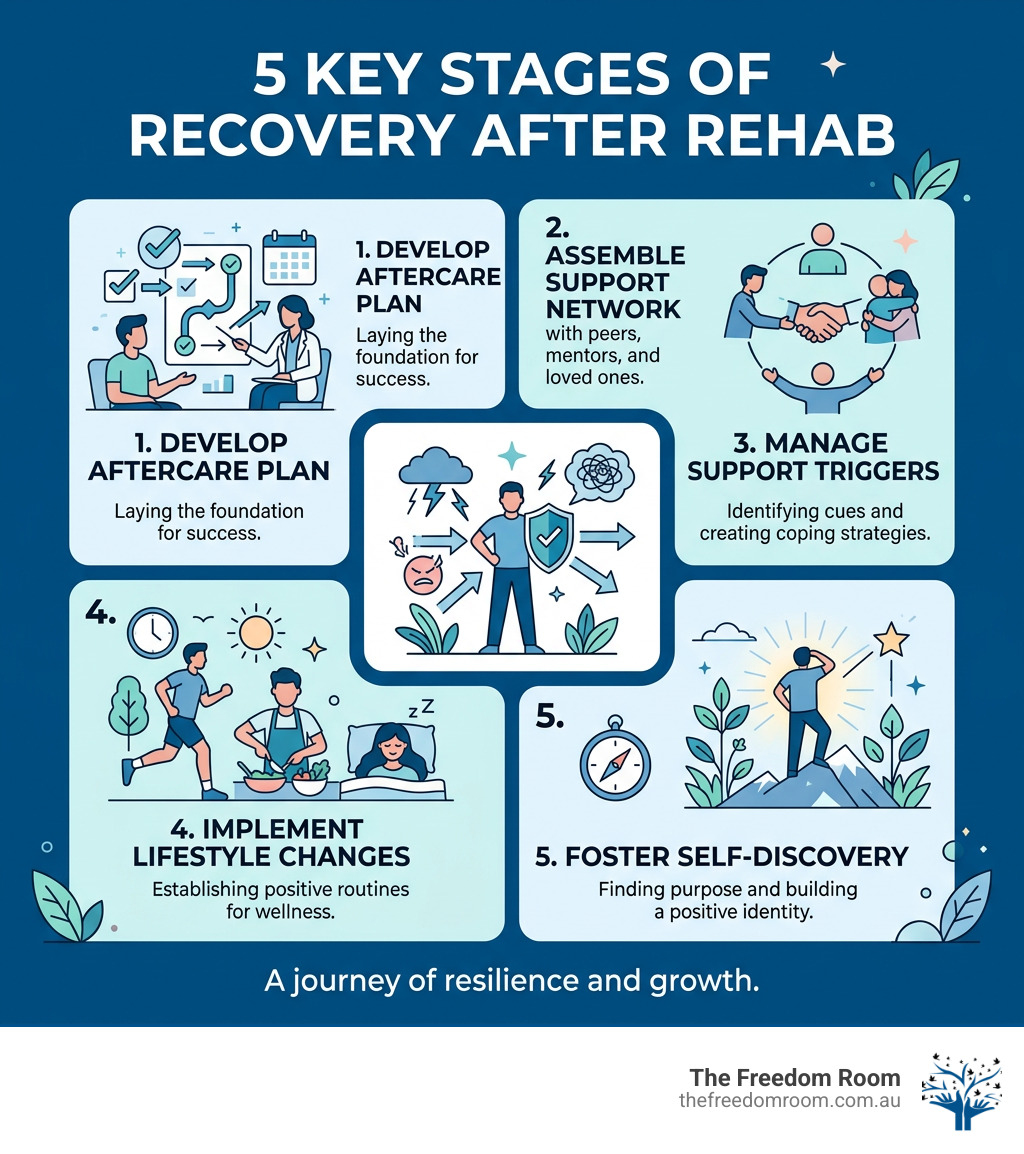
Successful post rehab recovery involves several essential components that must be addressed with professional rigour:
- Establish a comprehensive aftercare plan prior to departing from the treatment facility to ensure a seamless transition into the community.
- Assemble a robust support network consisting of clinical professionals, peer groups, and trusted family members who understand the requirements of sobriety.
- Identify personal triggers and develop evidence based strategies to manage these challenges without resorting to substance use.
- Implement healthy lifestyle changes including consistent sleep hygiene, balanced nutritional intake, and regular physical activity.
- Reconnect with personal values and purpose through structured self reflection and the pursuit of new, constructive interests.
- Prepare for the possibility of a lapse without viewing such an event as a failure of character or a permanent setback.
The statistical data regarding substance use disorders provides a realistic perspective on the challenges involved. Research indicates that between 40 and 60 per cent of individuals who complete a rehabilitation programme will experience a lapse at some point, with the majority of these occurrences taking place within the initial six months following treatment. This data should not be viewed as a cause for despair. Instead, it mirrors the relapse rates observed in other chronic health conditions, such as hypertension or asthma, and underscores the necessity of ongoing support systems. In Australia, the Australian Institute of Health and Welfare provides extensive data on how integrated support systems improve long term outcomes for individuals with a physical dependence on alcohol or other substances.
Clinical treatment provides the foundational structure. The subsequent routines, relationships, and resilience developed by the individual determine the sustainability of their recovery. This guide is intended for those navigating this transition, offering strategies that are practical, evidence informed, and grounded in established clinical outcomes.
Essential Strategies for Success During Recovery After Rehab
Departing from a structured treatment environment is a significant milestone. It also signifies the removal of the clinical framework, placing the responsibility for maintaining a daily architecture of wellness upon the individual. Recovery after rehab is best understood as a long term management process rather than a singular event. Substance use disorders are chronic conditions that require consistent and ongoing attention to prevent recurrence.
The human brain requires a substantial period to undergo physiological healing, particularly regarding the recalibration of dopamine pathways that have been disrupted by prolonged substance use. Scientific research demonstrates that the brain can partially recover dopamine transporter density after a significant period of abstinence, but this physiological healing must be supported by a stable environment and disciplined habits. The Principles of Drug Addiction Treatment from the National Institute on Drug Abuse clarify that effective treatment must address substance use alongside medical, mental, and social challenges. Aftercare serves as the essential bridge between intensive clinical treatment and independent living.
Building a Support Network for Recovery After Rehab
The quality of social connections is one of the most powerful predictors of long term success. Social isolation is a common precursor to a lapse, whereas community involvement builds the resilience necessary to navigate difficult periods. A support network does not require a large number of participants; it requires genuine, reliable connections. This may include peers in recovery who offer shared experience, therapists specialising in substance use and co-occurring mental health concerns, and accountability partners who have successfully navigated the path to sobriety.
Mutual help programmes are a well established component of this support structure. Twelve step programmes such as Alcoholics Anonymous (AA) and Narcotics Anonymous (NA) offer a framework for long term sobriety through community and structure. Alternatively, SMART Recovery utilises cognitive behavioural tools and focuses on self empowerment, which may be preferable for individuals seeking a non-spiritual model. Both options are widely accessible across Australia. For a detailed examination of how to structure a support system after treatment, the post-rehab support complete guide serves as a valuable resource. Connection is not merely a resource for crisis management; it is about surrounding oneself with individuals who respect established boundaries.
Navigating the Australian Healthcare System
In Australia, individuals in recovery can access various levels of support through both the public and private health systems. Engaging with a General Practitioner (GP) is a vital initial step. A GP can facilitate a Mental Health Treatment Plan, which provides Medicare rebates for sessions with a psychologist or social worker. This ensures that the psychological aspects of recovery are addressed professionally and affordably. Furthermore, the Australian Government Department of Health offers resources for identifying local services that specialise in ongoing maintenance and relapse prevention. Utilising these formal systems provides a layer of professional oversight that is essential for long term stability.
Managing Triggers and Preventing Relapse
A trigger may manifest as a location, a person, a sensory experience, or an internal emotion. Stress, boredom, and loneliness are among the most common internal triggers, and they can occur unexpectedly even during periods of perceived stability. One effective clinical tool for self assessment is the HALT method: individuals should evaluate whether they are Hungry, Angry, Lonely, or Tired. These four states can lower psychological defences and increase the risk of a lapse. Establishing a habit of regular self check-ins allows for the identification of vulnerability before it escalates into a crisis.
Effective relapse prevention strategies operate on both environmental and internal levels. Environmentally, this involves removing reminders of past substance use from the home and being selective regarding social environments. Internally, it involves developing emotional regulation skills, including mindfulness practices that allow an individual to observe a craving without acting upon it. It is also important to distinguish between a lapse and a relapse. A lapse is a momentary departure from recovery goals, while a relapse is a return to previous patterns of use. If a lapse occurs, immediate action should be taken by contacting a support network and returning to the established recovery plan.
Implementing Healthy Lifestyle Changes
Physical health and emotional resilience are intrinsically linked. When the body is well nourished and rested, the mind is better equipped to manage stress. Research on effective addiction treatment consistently identifies lifestyle factors as key contributors to long term recovery outcomes. The following habits are particularly impactful:
- Sleep hygiene: Maintaining consistent sleep and wake times helps to regulate mood and reduce irritability.
- Nutrition: Regular, balanced meals stabilise blood glucose levels and support cognitive function.
- Physical activity: Exercise facilitates the release of natural endorphins and serves as an effective tool for stress reduction.
- Relaxation practices: Meditation, breathwork, or gentle stretching can assist in calming the nervous system during periods of heightened stress.
The Australian environment provides numerous opportunities for restorative activities. Whether it is a morning walk along the coastline, a swim at a local facility, or a hike through a national park, the natural environment offers accessible outlets that can replace old habits with constructive new ones.
Reconnecting with Self and Purpose
Active substance use often results in a narrowing of interests and a loss of personal identity. Recovery after rehab provides an opportunity to rediscover these aspects of the self. Journaling is a highly accessible tool for exploring personal values and future goals. Revisiting previous hobbies or engaging in new activities such as gardening, painting, or learning a musical instrument can be instrumental in building an identity that is not defined by past substance use. These activities are not merely distractions; they are essential components of a meaningful life.
Aligning daily actions with core values ensures that recovery feels purposeful rather than burdensome. When an individual’s life reflects their true identity, the desire to escape through substance use is significantly diminished. For further information on this process, the guide on rebuilding your life after addiction provides in-depth coverage. Self compassion is also vital, as guilt and shame regarding the past can become triggers. Treating oneself with the same professional kindness offered to others is a practical requirement for sustained recovery.
Navigating Family Dynamics and Rebuilding Trust
Returning home after treatment can be challenging for both the individual and their family members. Families may still be processing fear, grief, or frustration. Trust that has been damaged requires time and consistent action to repair. Open and honest communication is the foundation of this process. Being clear about needs and triggers, rather than expecting others to intuit them, reduces misunderstanding and fosters connection. Healthy boundaries are equally important, providing the structure necessary to protect sobriety and allow relationships to recover.
Patience is a non-negotiable requirement. Rebuilding trust occurs through consistent, reliable action over time. Showing up for responsibilities in small ways is often more impactful than grand gestures. Family therapy can be highly beneficial if there are deep seated issues to address or if communication has become dysfunctional. A professional therapist can assist the family unit in learning new ways of relating that support the wellbeing of all members. For a broader perspective on this process, the long-term addiction recovery guide explores these dynamics further.
Start Your Journey to Lifelong Recovery Today
At The Freedom Room Wellness and Recovery, we recognise that the period following clinical treatment is characterised by both challenges and opportunities. Our team members possess lived experience in recovery, which enables us to provide authentic support and empathy grounded in professional practice. We operate from Strathpine, QLD, offering a compassionate and cost effective alternative for individuals seeking to maintain their wellness.
Our approach focuses on the whole person, providing personalised sessions and workshops designed to empower individuals to maintain their recovery goals. We maintain that sustainable sobriety is achievable for everyone when provided with the appropriate tools and a supportive community. If you are prepared to take the next step in your recovery, we invite you to:
- Join our recovery meetings to connect with others on a similar journey.
- Contact our team for a confidential discussion regarding personalised support options.
- Attend our professional workshops focused on building resilience and practical coping skills.
- Engage with our peer led support team to navigate the complexities of life post treatment.
Find Your Strength, Begin Your Journey, and Stay Sober for Good
Frequently Asked Questions About Life Post-Treatment
What is aftercare and why is it necessary? Aftercare refers to the ongoing support and professional services accessed following the completion of a formal rehabilitation programme. It is necessary because it bridges the gap between a highly structured clinical environment and the complexities of everyday life, thereby reducing the risk of a setback. In Australia, this typically involves a combination of peer support, outpatient therapy, and regular consultations with a General Practitioner.
What are the most common triggers for a lapse? Common triggers include elevated stress levels, social isolation, exposure to individuals or locations associated with past substance use, and intense emotional states such as anger or sadness. The HALT method (Hungry, Angry, Lonely, Tired) is a clinically recognised way to identify periods of vulnerability and implement necessary coping strategies.
What housing options are available for a sober environment? For individuals whose home environment does not support recovery, options include sober living houses or transitional housing. These environments provide a drug free space with peer support and often include house rules and regular drug testing to ensure a safe atmosphere. Many Australian organisations provide referrals to these specialised services.
How can I best support a loved one returning from rehab? The most effective way to support a loved one is to educate yourself regarding the recovery process, maintain patience, and encourage healthy habits. It is important to avoid enabling behaviours, such as providing financial assistance for consequences related to past use, and to ensure you are managing your own mental health through support groups such as Al-Anon.
Is it possible to live a fulfilling life without alcohol? Yes. International research, including a 2017 study, indicates that over 9 per cent of the adult population in the United States successfully resolved a significant substance use problem, with similar trends observed globally. Many individuals achieve lives characterised by increased energy, improved relationships, and a deeper sense of purpose. Recovery allows for the rediscovery of personal identity and meaningful engagement with the world.