

What Life After Addiction Recovery Really Looks Like
Life after recovery from physical alcohol dependence is not merely about the absence of substances. It is about the comprehensive construction of a new, meaningful existence from the ground up. This journey requires patience, resilience, and a structured approach to long-term wellness. For many, the transition from a treatment environment to daily life is the most significant challenge they will face. It is a period of profound change where individuals must redefine their identity and their relationship with the world around them. In the Australian context, where social gatherings often revolve around alcohol, this transition requires a deliberate and strategic approach to maintain sobriety while reintegrating into the community.
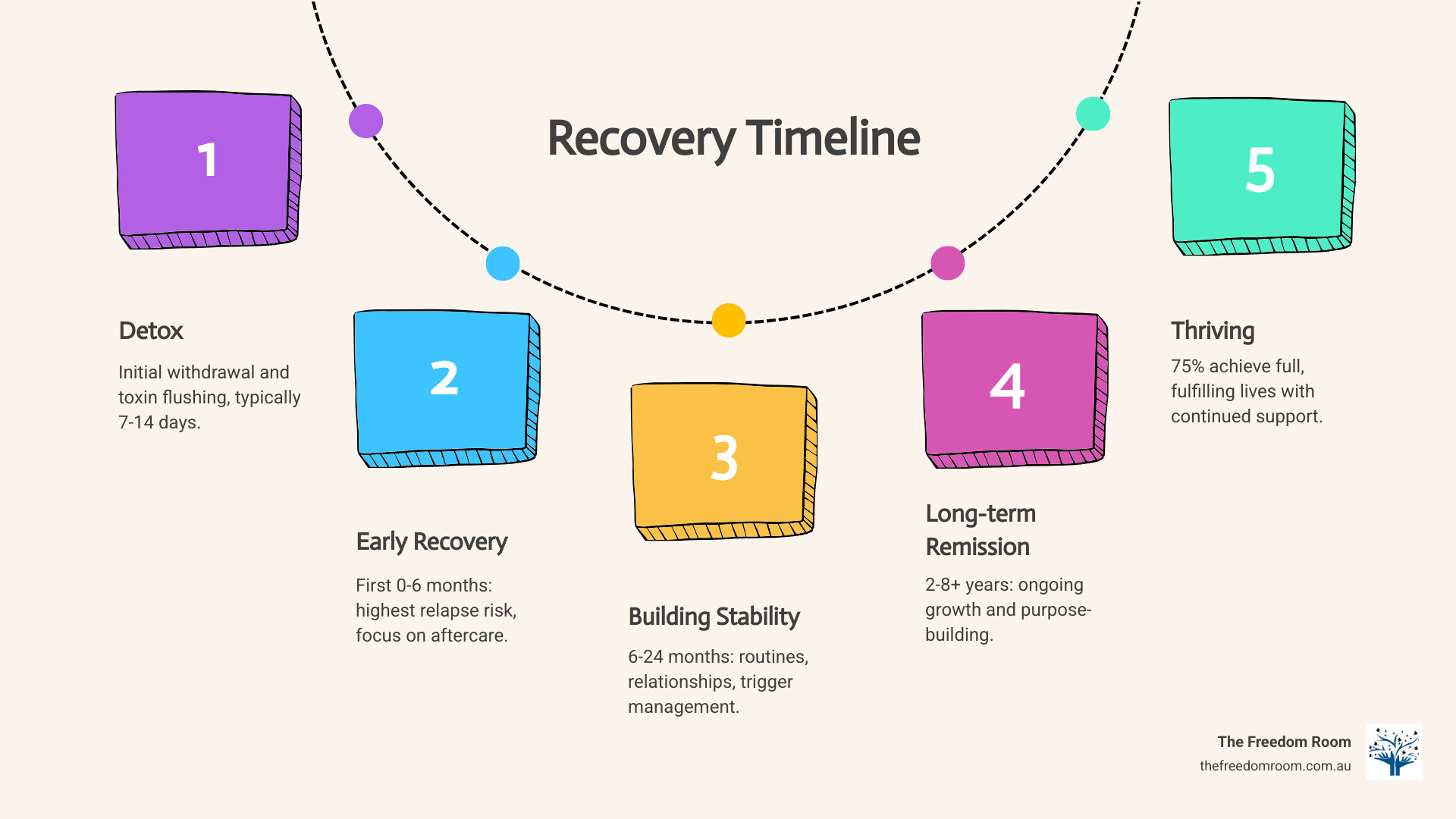
If you are looking for a comprehensive overview, here is what the recovery journey typically involves:
- Early recovery (zero to six months): This is the highest-risk period for relapse. During this time, the brain is still healing, and the individual is learning to navigate life without their primary coping mechanism. Aftercare and consistent support are critical during this phase.
- Building stability (six to twenty-four months): This stage involves establishing firm routines, repairing damaged relationships, and developing advanced skills for managing environmental triggers. It is a time of consolidation and growth.
- Long-term remission (two to eight plus years): This phase focuses on ongoing personal growth, purpose-building, and continued support as needed. The risk of relapse decreases significantly after five years of continuous sobriety.
- Thriving in recovery: Research indicates that approximately 75% of people who experience substance use issues eventually achieve long-term recovery and go on to live full, fulfilling lives.
The path is rarely a straight line. Evidence suggests it typically takes eight years or longer to achieve stable, long-term remission. Setbacks along the way are a common part of the process and should be viewed as opportunities for learning rather than signs of failure. In Australia, millions of people are living in successful recovery right now. These individuals are at work, raising families, and contributing to their local communities. Their success often goes unnoticed as they reintegrate into society, but their presence is a testament to the possibility of change. Completing a rehabilitation programme is a major milestone, but it is only the beginning of a larger, lifelong process. The real work of rebuilding your health, your relationships, and your sense of self happens in the days, months, and years that follow. This guide is designed to walk you through the key principles that support lasting sobriety, ensuring you are not just surviving life after treatment, but genuinely thriving in it.
Simple life after addiction recovery word guide:
Navigating Life After Addiction Recovery: The First Six Months
The first six months following formal treatment represent a critical window for anyone in recovery. Statistics indicate that most relapses occur during this period as individuals transition from highly structured environments back into daily life. Understanding that physical alcohol dependence is a chronic health condition, similar to high blood pressure or asthma, helps frame this transition as a medical necessity rather than a test of willpower. This perspective reduces shame and encourages a proactive approach to health management. In Australia, the impact of alcohol remains a significant public health focus. According to the Australian Institute of Health and Welfare, alcohol is the most widely used drug in the country. Navigating a culture where alcohol is so prevalent, from sporting events to weekend barbecues, requires a robust strategy. However, the high survival and recovery rate offers profound hope for those starting their journey. During these initial months, the focus shifts toward maintaining the progress made in rehab while facing real-world stressors. You are essentially re-learning how to navigate social events, work pressures, and family dynamics without the use of substances. For more on this transition, you may find this video on Reimagining Life after Addiction insightful.

The Importance of Aftercare and Continuing Support
Completing a rehab programme provides you with a toolbox, but aftercare is where you learn to use those tools in the real world. Continuing care is essential because it bridges the gap between the safety of a facility and the unpredictability of home life. Engaging in an after addiction treatment ultimate guide can help you map out these steps. Effective aftercare often includes a combination of professional and peer-led support. 12-step programmes, such as Alcoholics Anonymous, provide a structured path and a global network of peers. Alternatively, SMART Recovery offers research-proven methods that empower self-control through cognitive-behavioural tools. Peer mentorship and alumni groups also play a vital role in long-term success. Connecting with others who are further along in their journey provides tangible proof that long-term sobriety is achievable. These connections offer a sense of belonging that is often lost during the years of active substance use. For a deeper look at these options, consult this post-rehab support complete guide.
Managing Triggers and Cravings in Life After Addiction Recovery
Triggers are people, places, things, or emotions that spark a physical or psychological urge to use. In life after recovery, identifying these triggers is a primary skill. Many find the HALT method useful, which involves asking yourself if you are Hungry, Angry, Lonely, or Tired, as these four states are common precursors to cravings. By addressing these basic needs, you can often reduce the intensity of an urge before it becomes overwhelming. From a biological perspective, the brain needs significant time to heal. Research shows that dopamine transporter density can recover significantly after long-term abstinence. This process, known as neuroplasticity, allows the brain to reorganise and repair itself, though it is time-intensive and requires a commitment to staying sober after rehab. Managing cravings involves riding the wave, as cravings are physiologically temporary and will pass if you do not act on them. Having a recovery maintenance plan ensures you have a predetermined list of distractions and support contacts to call when the urge strikes.
Rebuilding Relationships and Social Connections
Physical alcohol dependence often leaves a trail of damaged trust and strained communication. Rebuilding these relationships is a gradual process that requires patience and verifiable actions rather than just apologies. Family therapy can be an excellent forum for navigating these difficult conversations and setting healthy boundaries. It is important to recognise that loved ones may also need their own support to heal from the impact of your past substance use. In some cases, your biological family may not be able to provide the support you need. This is where the concept of a chosen family becomes vital. Surrounding yourself with positive, sober influences is critical for rebuilding your life after addiction. Social reintegration also means making difficult choices about old friendships. If a social circle revolves around substance use, maintaining those ties can jeopardise your sobriety. Learning how to fix your life after an addiction often involves finding new social outlets, such as sports clubs or hobby groups, where substances are not the focus.
Establishing Healthy Routines for Long-Term Wellness
A structured daily routine is one of the most effective defences against the boredom and isolation that often lead to relapse. This structure provides a sense of normalcy and purpose. Key pillars of a healthy routine include sleep hygiene, nutritional protocols, and physical activity. Aiming for seven to nine hours of consistent sleep allows the brain to flush out toxins and restores executive function, which is vital for decision-making. A diet rich in fresh fruits, vegetables, and lean proteins helps correct deficiencies caused by past substance use and supports brain health. Regular exercise is linked to improved hippocampus health, which supports memory and emotional regulation. It also provides a natural release of endorphins. By focusing on these biological foundations, you support long-term addiction recovery. Physical wellness is not just about the body: it is a clinical necessity for mental stability. For more detailed strategies, see our long-term alcohol recovery complete guide.
Addressing Co-occurring Mental Health Disorders
It is common for individuals to experience co-occurring mental health disorders, such as depression, anxiety, or trauma, alongside physical alcohol dependence. This is often referred to as a dual diagnosis. If these underlying issues are not addressed, they can act as constant triggers for relapse. Integrated treatment is the most effective approach, meaning both the substance use and the mental health condition are treated simultaneously. Techniques like Cognitive Behavioural Therapy (CBT) and EFT and CBT therapy help individuals identify negative thought patterns and develop healthier coping mechanisms. Ongoing addiction recovery must include regular check-ups with mental health professionals. These sessions serve as an early warning system, helping you manage emotional fluctuations before they become overwhelming and lead to a potential lapse.
Finding Purpose and Financial Stability in Life After Addiction Recovery
Finding a sense of purpose is often described as the compass of recovery. When your time and energy are no longer consumed by substance use, you have a blank slate to fill. This might involve returning to education, volunteering, or re-entering the workforce. Setting SMART goals, which are Specific, Measurable, Achievable, Relevant, and Time-bound, helps build momentum. Whether it is a career goal or a personal milestone, these achievements boost self-esteem and reinforce your new identity. You can find more inspiration on rebuilding your life and finding purpose. Financial stability is another practical pillar of life after recovery. Many people leave treatment facing debt or employment gaps. Learning basic budgeting and seeking vocational support are essential steps for personal growth in recovery. Achieving financial independence reduces stress and provides a sense of security that supports long-term sobriety. It also allows you to contribute back to your family and community, further strengthening your sense of worth.
Embrace Your Recovery Path with Us by Your Side
At The Freedom Room Wellness and Recovery, we understand that the journey does not end when you leave a treatment programme. We offer compassionate, cost-effective support for those recovering from physical dependence on alcohol through personalised sessions and therapy designed to support you in the real world. Our unique strength lies in our team, many of whom are in recovery themselves, offering authentic empathy and lived experience. We believe that life after recovery should be about thriving, not just surviving. Whether you are navigating the first six months or looking for long-term maintenance, we are here to provide the tools and support you need. Our services are tailored to the unique needs of our local community in Queensland, ensuring you receive care that is both relevant and accessible. If you are ready to take the next step in your journey, we invite you to reach out. Together, we can build a stable, fulfilling, and alcohol-free future. Explore Our Services or Contact Us today to learn more about how we can support your life after addiction.
The Freedom Room Wellness and Recovery 9a/521 Beams Rd, Carseldine QLD 4034
FAQ
What is the difference between a lapse and a relapse?
A lapse is a brief, one-time return to substance use followed by an immediate return to recovery goals. It is often viewed as a temporary slip that provides information on where a recovery plan might be weak. A relapse, however, is a return to previous levels of regular use and a departure from the recovery process. Both should be viewed as learning opportunities rather than failures, indicating that a recovery plan needs adjustment or additional professional support.
How long does it take for the brain to heal after addiction?
The brain possesses an incredible ability to repair itself through neuroplasticity. While initial detoxification takes days or weeks, significant neurological healing, such as the recovery of dopamine transporters and the hippocampus, can take months or even years of abstinence. Consistent sleep, proper nutrition, and regular physical activity are essential for supporting this physical healing process and restoring cognitive function.
Is it normal to feel bored in early recovery?
Yes, boredom is a very common experience during the first few months of sobriety. Substance use often hijacks the brain’s reward system, making natural activities feel less exciting initially. As your dopamine levels stabilise over time, you will begin to find joy in natural rewards again. Filling idle time with new hobbies, volunteering, and social connection is key to managing this phase and preventing a return to old habits.
How can I support a loved one in life after addiction recovery?
Support involves a balance of compassion and firm boundaries. Avoid enabling behaviours, such as covering up for mistakes or providing money that could be used for substances. Participate in family therapy, communicate openly, and celebrate their small victories. Trust is not restored overnight: it is rebuilt through consistent, verifiable actions over a long period. Encouraging them to stay connected to their support network is also vital.
What are the most effective types of ongoing support?
The most effective support is often a combination of peer-led and professional services. This includes 12-step facilitation like AA, SMART Recovery, individual therapy such as CBT, and alumni programmes. Recovery coaching and community involvement also provide the accountability and connection necessary for long-term success. Tailoring the support to the individual’s specific needs and lifestyle increases the likelihood of maintaining permanent sobriety.