

Finding Alcohol Recovery Support That Fits Your Life
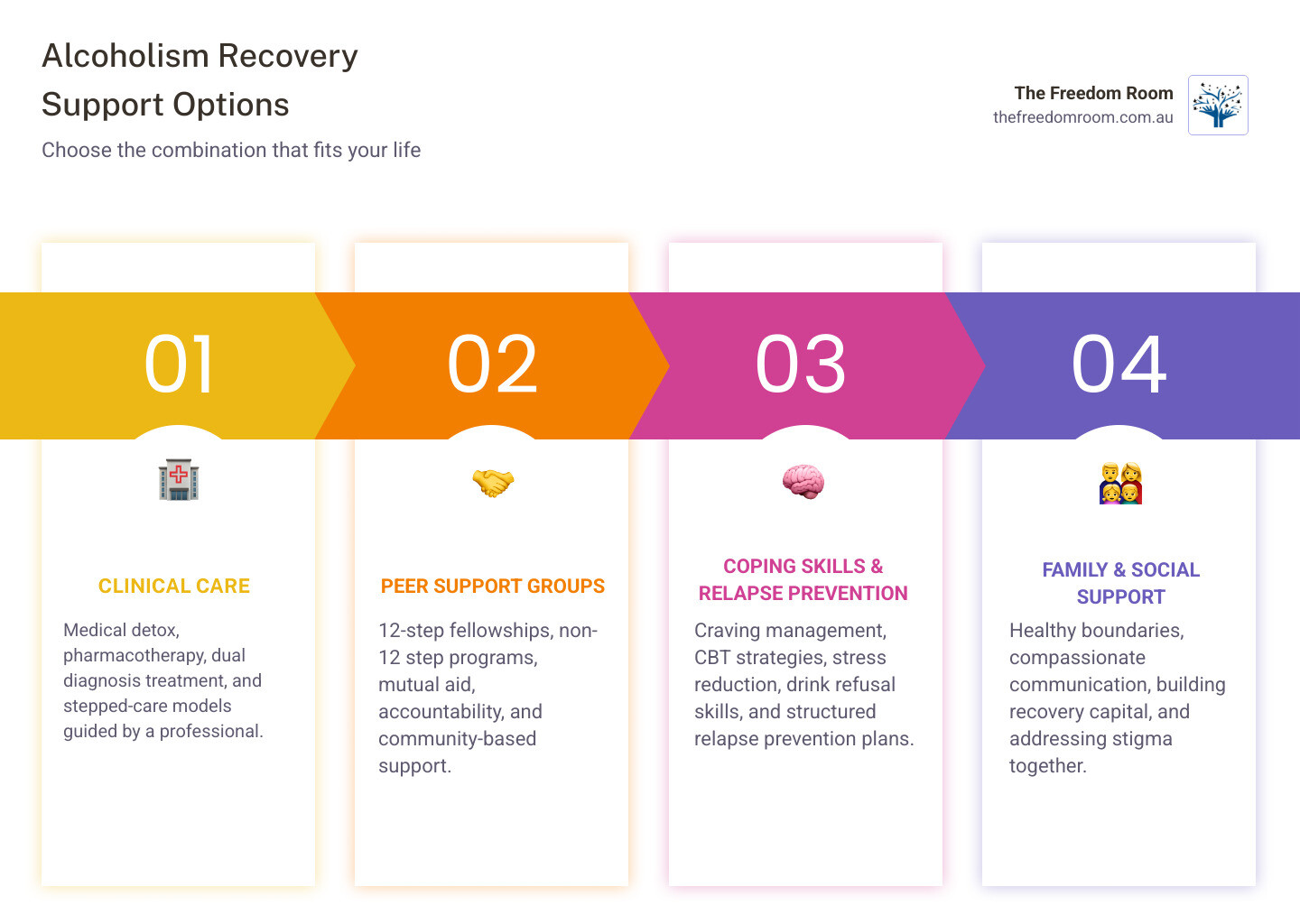
The best alcohol recovery support depends on safety, drinking pattern, mental health, and help available around you. Clinical and professional support is usually most appropriate when physical dependence on alcohol, withdrawal risk, serious mental health concerns, or repeated unsuccessful attempts to stop drinking are involved. Peer support for alcohol recovery can provide connection and accountability, while practical, family, and ongoing support helps people maintain change over time.
Many people benefit from combining these options rather than choosing only one. A medical assessment can clarify whether alcohol withdrawal support is needed, alcohol counselling can help address the factors driving drinking, and recovery programmes or trusted supporters can help turn new intentions into sustainable routines.
A lapse does not erase progress or mean that treatment has failed. It can indicate that triggers, coping strategies, or the level of support need to be reviewed without shame or judgement.
If alcohol use is affecting your health, work, relationships, or safety, seeking dedicated care is an important first step. The Freedom Room can help you identify an appropriate pathway through contact us.
Helpful alcohol recovery resources include:
- Practical strategies for alcohol cravings help
- Structured ways to quit alcohol
- Dedicated workshops for alcohol recovery
Introduction

Alcohol use disorder is assessed using recognised features such as impaired control over drinking, cravings, continued alcohol use despite harm, and difficulty meeting important responsibilities. Physical dependence on alcohol can occur, but it is not required for a diagnosis.
Support can change as circumstances change. Some people need immediate clinical alcohol withdrawal support, while others need ongoing alcohol counselling, peer connection, or practical strategies to protect their recovery.
Key Takeaways
- There Is No Single Best Alcohol Recovery Support Option For Everyone.
- Medical Assessment Is Important If You May Have Physical Dependence On Alcohol Or A Risk Of Withdrawal.
- Counselling, Peer Support, Family Support, And Ongoing Recovery Planning Can Be Combined.
- The Right Level Of Support Can Change As Recovery Progresses.
Whether your goal is to stop drinking completely or reduce alcohol-related harm with clinical guidance, a clear plan and appropriate support can improve health, relationships, and day-to-day stability.
Evaluating Different Forms of Alcohol Recovery Support

Choosing support begins with safety, mental health, daily responsibilities, and people or services you can rely on. Three categories make it easier to match alcohol use disorder treatment to needs.
In Australia, alcohol remained the most common principal drug of concern in specialist alcohol and other drug treatment in 2024–25, accounting for 87,632 treatment episodes. Counselling was the most common treatment type for alcohol-related episodes. See the Australian alcohol consumption and treatment data for current national evidence.
Clinical and Professional Support
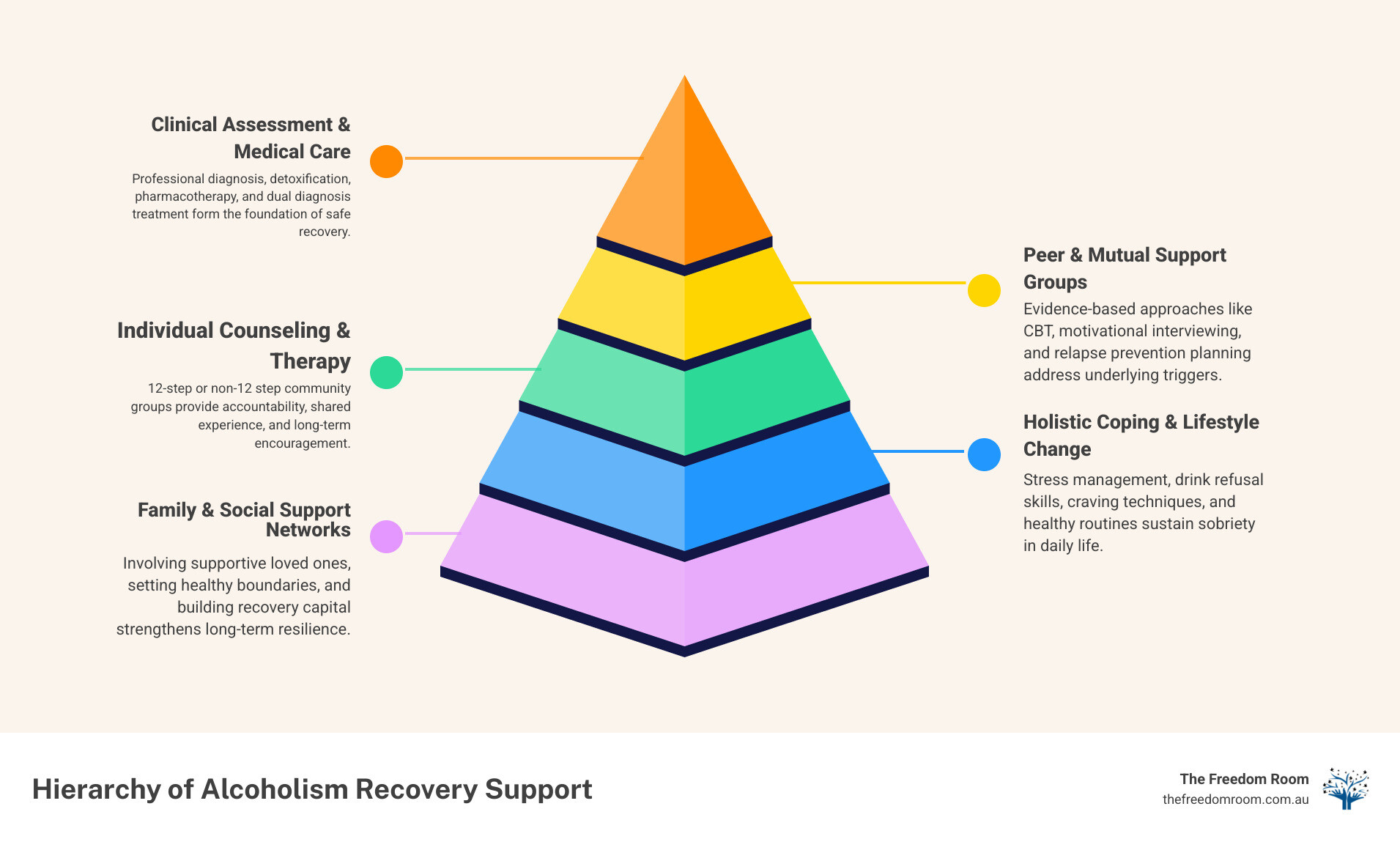
Clinical and professional support is best for people who may have physical dependence on alcohol, significant withdrawal risk, co-occurring mental health concerns, complex circumstances, or repeated unsuccessful attempts to stop drinking. Speak with a doctor or qualified alcohol and other drug professional before suddenly stopping alcohol if withdrawal may be possible, as withdrawal can be dangerous.
Clinical care may include:
- Withdrawal Management And Medication: A clinician may recommend supervised withdrawal and medicines that reduce cravings, support abstinence, or lower the risk of returning to heavy drinking.
- Individualised Alcohol Counselling: Specialised addiction recovery counselling can address trauma, unhelpful thought patterns, and personalised coping strategies.
- Evidence-Based Therapies: Supportive therapy approaches such as CBT can support alcohol use disorder treatment and co-occurring anxiety or depression.
Peer and Mutual Support
Peer and mutual support is best for people seeking regular connection, accountability, and encouragement from others with lived experience. It can complement professional care or offer a practical starting point for people who are ready to explore change.
- Peer Meetings: Mutual-support meetings offer shared principles, practical encouragement, and connection with people who understand recovery challenges.
- Non-12-Step Options: An evidence-based non-12 step recovery approach may suit people who prefer cognitive-behavioural tools and self-directed skills.
- Local Recovery Communities: Alcohol addiction support groups and group recovery meetings can provide confidential encouragement and accountability.
Practical, Family and Ongoing Recovery Support
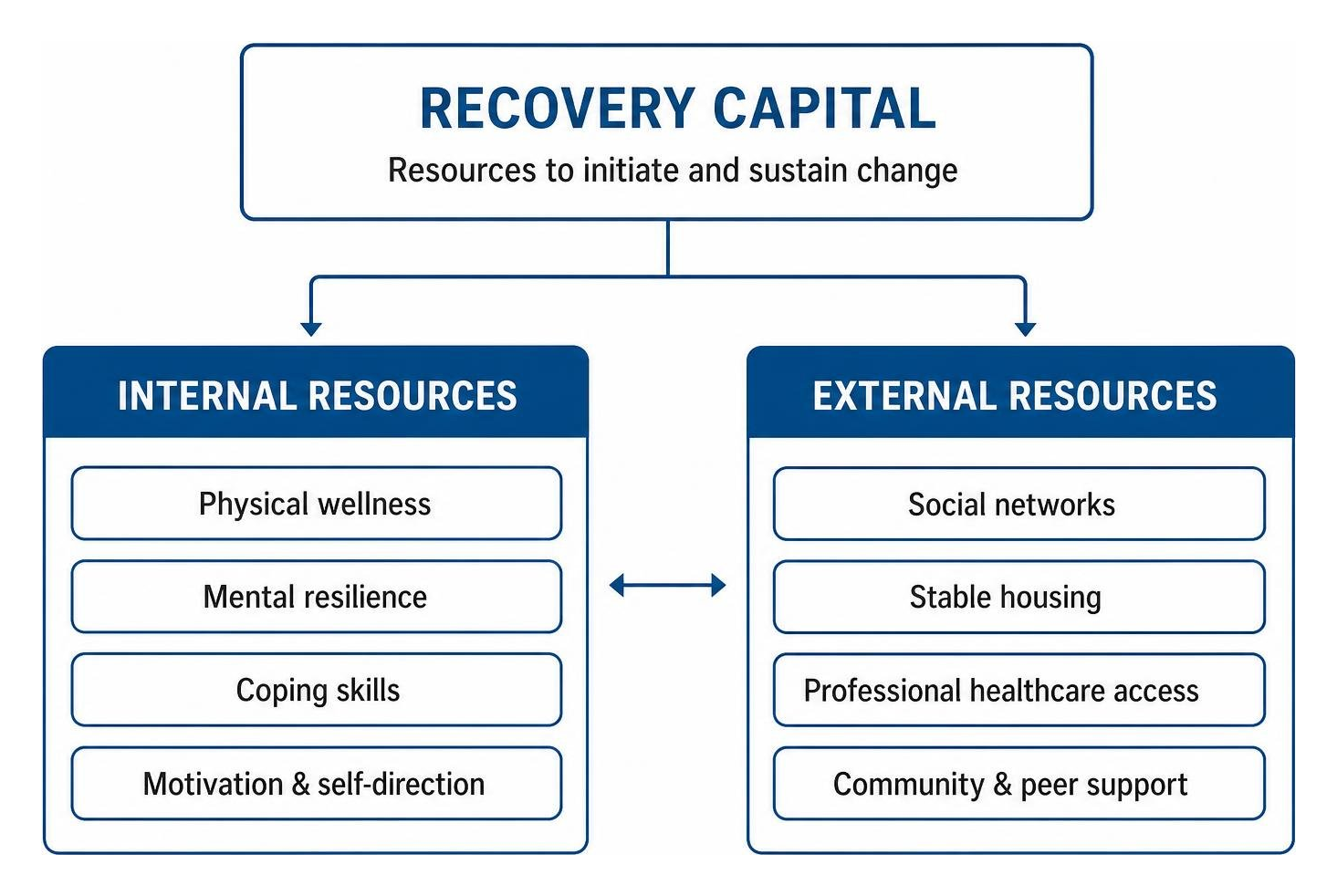
Practical, family, and ongoing recovery support is best for maintaining change, managing triggers, strengthening relationships, and building routines that support a life with less or no alcohol. This level of support is valuable during early change and through work pressure, relationship difficulties, celebrations, or other high-risk periods.
A structured relapse prevention plan can identify personal warning signs and practical responses. Useful strategies include:
- Craving Management: Use mindfulness or urge-surfing techniques to notice an urge, let it pass, and choose a safer response.
- Assertive Communication: Practise clear drink-refusal scripts for social and professional situations.
- Lifestyle Balance: Protect sleep, nutrition, movement, and stress-management routines.
- Family Support: Education, family counselling, and clear boundaries can strengthen communication while protecting everyone’s wellbeing. Family and peer recovery resources can help relatives find constructive support.
No single pathway suits everyone. Combining medical care, alcohol counselling, peer support for alcohol recovery, and practical planning often provides the strongest foundation.
Sustaining Long-Term Sobriety and Next Steps
Maintaining recovery over the long term is an evolving process that shifts a person’s life from chemical coping to health and meaningful connection. Sustaining these gains requires reflection, education, and a commitment to personal wellness.
Schedule routine check-ins with a general practitioner, professional counsellor, or peer group, especially during heightened stress such as career changes, bereavement, relationship shifts, or celebrations. Monitoring sleep, emotional states, stress, and connection can provide early signs that support needs strengthening.
Structured educational courses offer continued reinforcement. Many people benefit from a 12-week online recovery program or interactive recovery workshops to develop emotional-regulation tools, strengthen accountability, and consolidate healthy habits. Combining clinical care, psychological therapy, and peer connection provides a stable framework for lasting sobriety.
Frequently Asked Questions About Alcoholism Recovery Support
What is the most effective initial step when seeking alcoholism recovery support?
The first step is obtaining a medical and psychological assessment from a qualified healthcare practitioner or addiction specialist. This evaluation determines clinical severity, assesses physical dependence on alcohol, and identifies whether medically supervised withdrawal is required before counselling and peer support.
How does peer support differ from clinical recovery services?
Peer support groups, such as 12-step fellowships and non-12-step communities, focus on lived experience, mutual encouragement, and ongoing social connection. Clinical services provide medical management, medicines when appropriate, and evidence-based psychological therapies delivered by licensed healthcare professionals to address the drivers of alcohol use disorder.
Can family members participate in the recovery process?
Yes, family involvement often improves recovery outcomes. Family members can participate in educational programmes, family counselling sessions, and support groups designed to establish healthy relational boundaries, foster open communication, and provide constructive encouragement while safeguarding their own mental wellbeing.
What should I do if a lapse occurs during recovery?
A lapse is an opportunity to evaluate coping strategies rather than a definitive failure. If alcohol is consumed, contact your healthcare provider, counsellor, or peer support contact, identify preceding triggers, and recommit to your recovery plan promptly.
Discover the Support You Need for a Lasting, Successful Recovery
At The Freedom Room Wellness and Recovery, we recognise that lasting freedom from alcohol is achievable with appropriate guidance. Our experienced team combines clinical expertise with genuine empathy, offering compassionate, non-judgemental care tailored to your needs. Whether you are taking initial steps toward recovery or strengthening continuing care, assistance is available.
To take the next step towards lasting recovery, you can:
- Explore Our Services for individualised treatment options and therapeutic approaches.
- Find additional contact details on our Contact Us page.
- Visit our clinic at 9a/521 Beams Rd, Carseldine QLD 4034 for professional support that respects your pace and recovery goals.