

Why Understanding the Addiction Recovery Process Matters
The addiction recovery process is a journey of change that extends far beyond stopping substance use. It involves physical healing, emotional growth, and rebuilding a meaningful life in sobriety.
Recovery is a process of change, not a single event. Research shows that more than 75 percent of people with an addiction to alcohol or drugs do recover. This journey involves learning new coping strategies, rebuilding relationships, and finding a new sense of purpose.
Understanding the stages of recovery helps set realistic expectations. The process is rarely linear, and moving between stages is a normal part of achieving lasting recovery. This is not a sign of failure.
The brain’s capacity for healing, known as neuroplasticity, is the scientific foundation for recovery. Brain function can improve significantly with sustained abstinence. Recovery is also a personal and self-directed path, unique to each individual’s circumstances and goals.
Defining Addiction Recovery: More Than Just Abstinence
True addiction recovery is more than just stopping substance use. The addiction recovery process involves a complete change in lifestyle, thinking, and connection with the world.
It focuses on rebuilding physical wellbeing, nurturing psychological health, strengthening social connections, and finding spiritual growth. Recovery means creating a fulfilling life, not just being free from substances.
This journey is self-directed and individualised, as each person has unique strengths and goals. Recovery is a voluntarily maintained lifestyle of sobriety, personal health, and active citizenship. It involves using personal strengths and external support, known as ‘recovery capital’, to build the life you want. For more information, explore our page on Addiction Recovery.
The Core Principles of Effective Treatment
Addiction is a treatable condition that can be managed effectively throughout life, similar to other chronic illnesses like diabetes. Effective treatment is comprehensive, personalised, and supportive of long-term success.
Key principles of effective treatment include:
- Personalised Care: Treatment should be customised to your unique circumstances, addressing substance use, mental health, and social factors.
- Ready Access: Help should be readily available, as motivation for change can be time-sensitive.
- Holistic Approach: Treatment must address multiple needs, including medical, psychological, social, and legal issues.
- Adequate Duration: Lasting change requires a sufficient amount of time in treatment.
- Integrated Therapies: A combination of medication and behavioural therapies is often most effective, depending on the substance.
- Relapse as a Learning Opportunity: A return to substance use is seen as a sign to adjust the treatment plan, not as a failure.
These principles guide our approach to recovery. Learn more on our Alcohol Addiction Help page.
The Brain in Recovery
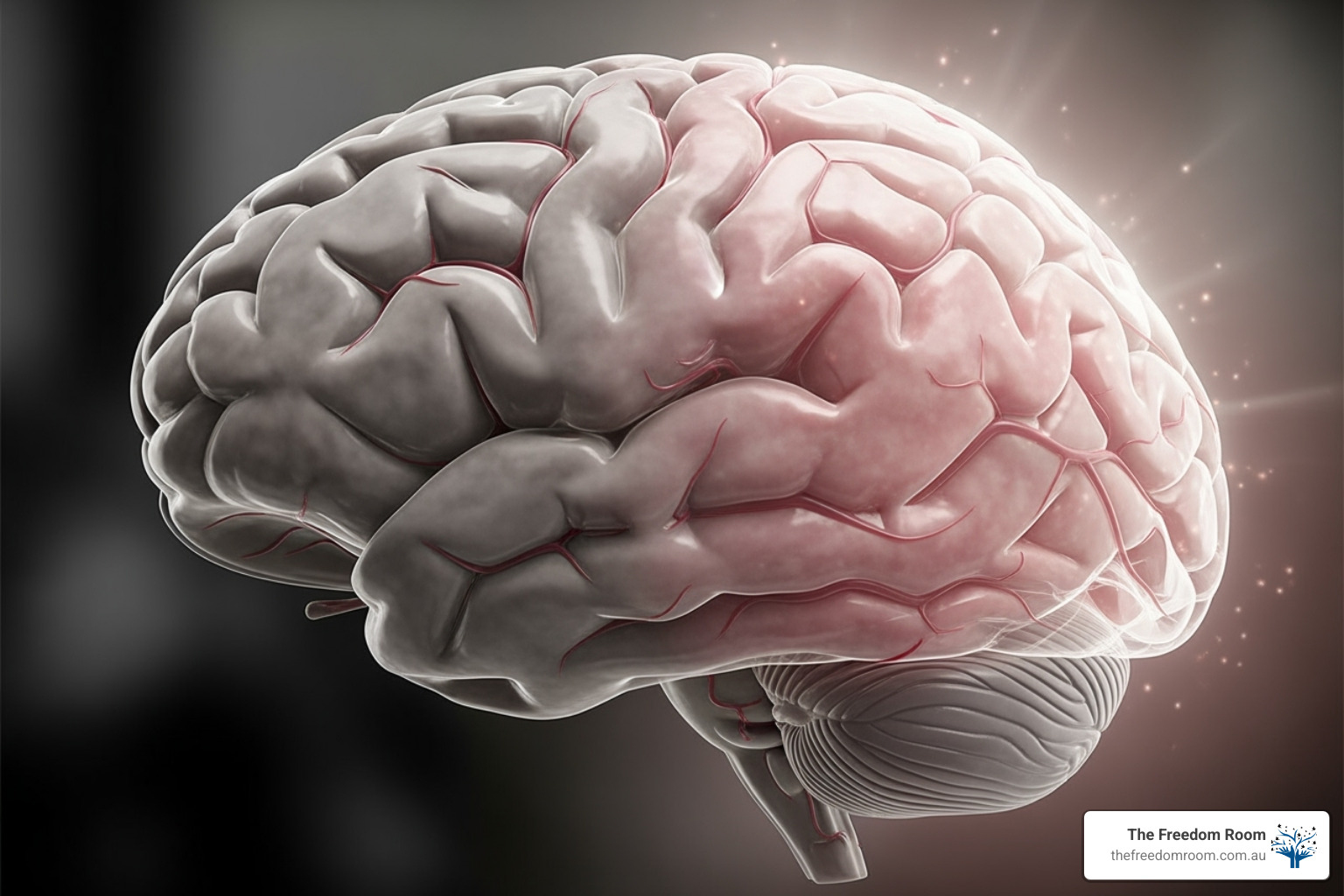
Your brain’s ability to heal, known as neuroplasticity, provides a scientific basis for hope in recovery. While substance use alters brain structure and function, particularly the reward system, the brain can repair and reorganise itself.
Brain healing requires time and abstinence. Research shows that dopamine function, which is often disrupted by addiction, can return to normal levels after about 14 months of sobriety. This helps restore executive functions like impulse control and decision-making.
You can support your brain’s healing through healthy lifestyle choices. These include regular exercise, mindfulness, a nutritious diet, and good sleep habits. These actions are vital parts of a comprehensive recovery strategy.
The Key Stages of the Addiction Recovery Process
The addiction recovery process unfolds through distinct stages of readiness for change. This framework, known as the Stages of Change Model, recognises that people move through predictable phases when modifying behaviour.
Recovery is a non-linear journey; moving back and forth between stages is normal and not a sign of failure. Understanding these stages helps set realistic expectations and find the right support. For alcohol-specific insights, see our guide on the 4 Stages of Alcohol Recovery.
Stage 1: Pre-contemplation (Not Ready for Change)
In this stage, a person does not recognise their substance use as a problem. They may be in denial, justifying their behaviour or blaming external factors for any negative consequences.
Resistance to feedback from concerned friends and family is common. Confrontation is rarely effective; gentle expressions of concern may be more helpful over time.
Stage 2: Contemplation (Thinking About Change)
During contemplation, a person starts to recognise that their substance use may be problematic, but they feel ambivalent. They are weighing the pros and cons of changing their behaviour.
This internal conflict can lead to feeling stuck. They might research treatment options or notice patterns in their use but are not yet ready to commit to action. This stage can last for months or even years.
Stage 3: Preparation (Getting Ready for Change)
Preparation marks a commitment to take action, usually within the next month. The person is actively making a plan and taking small steps toward change, such as seeking information about treatment.
This is an ideal time to connect with professional resources. Quitting independently can be dangerous due to withdrawal, so medical support is often necessary. Our guide on How to Quit Drinking offers practical steps.
Stage 4: Action (Making the Change)
In the action stage, a person is actively modifying behaviour and engaging with professional support. They are committed to overcoming their addiction and are developing new habits.
This stage requires dedication as they learn new coping strategies and begin to rebuild their life without substances. Professional guidance through counselling or treatment programs is crucial for navigating this phase safely and effectively.

Stage 5: Maintenance (Sustaining the Change)
Maintenance begins after about six months of sustained change. The focus shifts to preventing relapse and integrating a sober lifestyle into daily living. Cravings typically lessen, and confidence grows.
This stage is a long-term commitment, often lasting for several years, to solidify new habits. It involves ongoing support and vigilance against triggers. This phase brings significant rewards, including better relationships and a greater sense of freedom. For more strategies, see our resource on Staying Sober After Rehab.
Building Your Toolkit: Therapies and Support Systems
Successful navigation of the addiction recovery process requires a toolkit of evidence-based therapies, personal strategies, and strong support systems. An integrated approach that combines professional guidance with personal coping skills leads to better long-term outcomes.
Addiction affects a person’s biological, psychological, and social wellbeing, so effective treatment must be holistic. As a systematised review of addiction recovery confirms, recovery is a client-centred process of change involving new coping strategies. The key is finding the right combination of tools for your individual needs.
The Role of Behavioural Therapies in the Addiction Recovery Process
Behavioural therapies are powerful tools in the addiction recovery process. They help people change the thoughts and behaviours that fuel addiction by teaching practical skills to manage triggers, cravings, and high-risk situations.
For many addictions, behavioural therapies are the primary treatment. Even when medication is used, it is typically combined with therapy to address both the physical and psychological aspects of addiction. By changing unhelpful thinking and behaviour, individuals build a solid foundation for sobriety.
At The Freedom Room, we specialise in Cognitive Behavioural Therapy (CBT) and Emotional Freedom Techniques (EFT). Learn more on our Cognitive Therapy for Alcoholics and EFT and CBT Therapy pages.
Emotional Freedom Techniques (EFT)
Emotional Freedom Techniques (EFT), or “tapping,” is an evidence-based tool that provides relief from stress and other challenges underlying addiction. It involves gently tapping on specific acupressure points while focusing on a distressing thought or emotion.
This process sends a calming signal to the brain’s alarm system (the amygdala), helping to disrupt the stress response and return the nervous system to balance. An EFT Practitioner guides this process, safely helping to release emotional trauma held in the body and subconscious mind.
EFT is particularly effective for managing addictions, anxiety, trauma, and phobias, as it helps to clear negative emotions without re-traumatising the individual. Find more information on our EFT and CBT Therapy page.
Cognitive Behavioural Therapy (CBT)
Cognitive Behavioural Therapy (CBT) is a talking therapy that addresses the links between thoughts, feelings, and behaviours. It is based on the idea that psychological problems stem from unhelpful ways of thinking and learned patterns of behaviour.
CBT is a collaborative effort between you and your therapist to develop strategies for change. The therapy helps you to:
- Recognise and re-evaluate distorted thinking patterns.
- Develop problem-solving skills for difficult situations.
- Build confidence in your own abilities.
- Change behavioural patterns, such as facing fears instead of avoiding them.
These skills are invaluable for maintaining sobriety and improving quality of life. Our Cognitive Therapy for Alcoholics page provides more details.
The Power of Personal and Social Resources
The addiction recovery process is strengthened by “recovery capital,” which includes both personal and social resources that support sobriety.
Personal resources are your internal tools, such as self-esteem and healthy coping skills. Learning to manage triggers and stress without substances is essential. Our page on Coping Mechanisms for Addiction explores these skills.
Social resources are your external support networks, including family, sober friends, and peer groups. Social support is a major predictor of successful recovery. Peer support programmes are particularly powerful, offering shared understanding from others on a similar path. Building healthy relationships and finding a sense of purpose are also key components of a strong support system. Learn more about Peer Support Recovery and Healthy Relationships in Recovery.
Navigating the Journey: Relapse, Aftercare, and Long-Term Success
Recovery is a lifelong journey of progress, not perfection. Sustaining sobriety means building a fulfilling life one day at a time. The path is not always linear, and setbacks are a normal part of healing that do not define your journey.

Understanding and Managing Relapse
Relapse, or a return to substance use, is a common part of the addiction recovery process and is not a sign of failure. It affects 40-60% of people recovering from drug addiction. Like other chronic conditions, it indicates a need to adjust the treatment plan.
Most relapses happen in the first 90 days. Understanding your personal triggers is key to prevention. Common triggers include:
- Environmental cues (places or people)
- Stress from work or relationships
- Overwhelming emotions
- Peer pressure or complacency
- Physical pain or feeling disconnected
If a relapse occurs, reach out for help immediately. It is an opportunity to adjust your Relapse Prevention Strategy and strengthen your support systems.
The Importance of Aftercare in the Addiction Recovery Process
After formal treatment, aftercare is essential for long-term success. It provides a vital safety net as you transition back to daily life, helping you steer stresses that once triggered substance use.
Comprehensive aftercare includes ongoing therapy and support groups, often for at least 12 months. It combats isolation, creates accountability, and provides a space to process challenges. Our Post-Rehabilitation Support services are designed to guide you through this critical phase.
Outcomes of Successful Recovery
Sustained recovery brings rewards far beyond abstinence. It leads to a profound improvement in quality of life.
Benefits include improved physical health and mental clarity, healed relationships, and a renewed sense of purpose. The resilience and emotional intelligence gained in recovery can also lead to better employment opportunities. Recovery empowers you to build a future aligned with your values, offering hope for a fulfilling life. The process of Rebuilding Your Life After Addiction is an adventure in self-findy.
Take the First Step Toward a Fulfilling, Alcohol-Free Life
The addiction recovery process is a profound journey of personal change that goes beyond abstinence to include healing the mind, rebuilding relationships, and finding new purpose.
Your path through the stages of change is unique. With the brain’s capacity to heal and tools like CBT and EFT, lasting change is possible. Support from family, friends, and peers provides a crucial foundation.
This journey requires courage, but the rewards of improved health, restored relationships, and personal fulfilment are immense. At The Freedom Room, our team’s lived experience provides authentic, professional support for your recovery.
Recovery is the rule, not the exception. If you are ready to build a fulfilling life free from alcohol, we are here to help. Your recovery matters, and lasting change is possible.
Frequently Asked Questions about the Addiction Recovery Process
How long does the addiction recovery process take?
There is no universal timeline for the addiction recovery process. The duration is personal and depends on factors like the severity of the addiction, available support, and any co-occurring mental health conditions.
The initial ‘Action’ stage often lasts several months, while the ‘Maintenance’ stage is a long-term commitment that can last for years. While the first year is often the most intensive, many people feel secure in their sobriety after two to five years, viewing recovery as a lifelong practice.
Is addiction considered a curable disease?
Addiction is considered a treatable, chronic condition, similar to diabetes or asthma, rather than a curable disease. It cannot be cured in the traditional sense, but it can be managed effectively over a lifetime.
The addiction recovery process focuses on developing skills to manage the condition, allowing individuals to regain control and live full, productive lives. This model reduces stigma by recognising addiction as a health condition that responds well to treatment.
Why is it difficult to measure addiction recovery?
Measuring the addiction recovery process is difficult because it is a multidimensional and deeply personal journey. Success is not just about abstinence; it includes improvements in physical and mental health, relationships, and overall quality of life.
A narrow focus on abstinence misses the complexity of recovery. Progress occurs at different rates across various life domains, and what constitutes success is unique to each individual. Since recovery is an ongoing process, not a single event, it resists simple metrics, reflecting the full humanity of each person’s path.