

Why Home-Based Alcohol Detox Requires Careful Planning and Support
Alcohol detox remedies at home are an option for some, but they require careful planning and professional guidance. Understanding that alcohol withdrawal can be dangerous is the first step on the journey to recovery.
Quick Reference: Essential Home Detox Remedies
- Hydration: Water, electrolyte drinks, and herbal teas
- Nutrition: B-vitamin rich foods, lean proteins, complex carbohydrates
- Natural supplements: Kudzu root, ashwagandha, milk thistle (with GP approval)
- Lifestyle support: Gentle exercise, breathing techniques, adequate sleep
- Emergency plan: Know when to call Triple Zero (000)
Research shows alcohol withdrawal is the most dangerous form of substance withdrawal, potentially more so than from heroin. A severe complication, delirium tremens, has a 37% fatality rate if untreated, which drops to under 5% with medical care.
For those with mild dependence and strong support, home detox can succeed with proper management, preparation, and professional oversight.
About half of those with alcohol use disorder experience withdrawal. Symptoms can start six hours after the last drink, peak at 48-72 hours, and usually resolve within 7-10 days.
This guide covers safe home detox approaches, from preparation to natural remedies. Safety is paramount; always consult a healthcare professional before starting.
Understanding the Risks: When to Seek Medical Supervision
While alcohol detox remedies at home seem appealing, the withdrawal process can be dangerous and even life-threatening. Alcohol withdrawal is more severe than withdrawal from many other substances, including heroin, which highlights the need for a cautious approach to recovery.
Statistics on delirium tremens underscore the need for professional oversight. Untreated, it has a 37% fatality rate, which medical care reduces to under 5%. A professional assessment is a critical first step.
When alcohol is removed, the nervous system can become overexcited, leading to seizures, heart rhythm changes, and confusion. Understanding these risks helps you choose the safest recovery path.
Who Can Safely Consider Home Detox?
Home-based detox can work for the right person in the right circumstances. It is key to understand if you fit the profile for safely managing withdrawal outside a medical facility.
- Mild alcohol dependence: This generally applies to those who have not been drinking heavily or for a long time. Drinking patterns are a key predictor of withdrawal severity.
- Doctor’s approval: A healthcare professional must assess your personal risk, drinking history, and overall health before approving home detox.
- A strong support system: A reliable support person must be present to monitor you and know when to seek help. They must be committed to your wellbeing.
- No history of severe withdrawal: Previous severe withdrawal symptoms, like seizures, increase the risk of them recurring.
- Good physical and mental health: Underlying physical or mental health conditions can significantly complicate withdrawal.
For those who meet these criteria, our guide to Safe Alcohol Detox provides comprehensive information about managing withdrawal safely at home.
When is Medical Detox Essential?
Medical detox is non-negotiable when certain risk factors are present. These situations require constant monitoring and immediate intervention from healthcare professionals.
- Heavy or long-term drinking: Daily heavy drinking for months or years increases the risk of severe, dangerous withdrawal.
- History of seizures: A history of withdrawal seizures means a high risk of recurrence, which can be fatal and requires medical supervision.
- History of Delirium Tremens: A past experience with DTs makes recurrence more likely and necessitates medical care.
- Co-occurring health conditions: Conditions like heart or liver disease, or mental health disorders, can be dangerously complicated by withdrawal.
- Lack of a support person: Detoxing alone is unsafe, as there is no one to monitor you or call for help.
If any of these factors apply to you, please consider professional Alcohol Dependence Detox services.
Recognising Emergency Symptoms
Knowing when to seek immediate help can save a life. Severe withdrawal symptoms can develop quickly and require urgent medical attention.
- Seizures: Uncontrolled convulsions that can occur without warning and may be fatal if not treated immediately.
- Hallucinations: Seeing, hearing, or feeling things that are not there. These can cause panic and are a sign of severe withdrawal.
- Severe confusion: Disorientation and an inability to think clearly. This signals a dangerous progression of withdrawal.
- High fever: A high body temperature can cause organ damage and requires urgent medical care.
- Irregular heartbeats: A heart rate that is too fast, slow, or erratic. These changes can be life-threatening.
- Chest pain: This should never be ignored as it may signal serious heart complications.
These symptoms often appear 24 to 72 hours after the last drink. Call Triple Zero (000) immediately if they occur. For more details, consult this resource: Information on severe alcohol withdrawal.
Seeking help is a responsible decision that prioritises your safety and improves your chance of a successful recovery.
Preparing for a Safe Home-Based Alcohol Detox
Preparation is the key to a safe home detox. When considering alcohol detox remedies at home, thorough planning acts as your safety net. A safe environment, a strong support network, and knowing what to expect are foundational for a successful detox.
Create a Safe and Calm Environment
Your physical environment plays a powerful role in your withdrawal experience. A chaotic space can intensify symptoms, while a prepared sanctuary provides comfort.
- Remove all alcohol: Be thorough. Remove all alcoholic beverages, cooking wines, and even alcohol-containing products from your medicine cabinet.
- Stock up on healthy food and fluids: Have easy-to-digest foods, water, and electrolyte drinks on hand to support your body’s healing process.
- Prepare a comfortable resting area: Create a calm, comfortable resting space with soft lighting and minimal noise to reduce sensitivity and promote rest.
- Minimise stress and visitors: Avoid social obligations and stressful interactions. It is especially important to keep away from friends who may encourage drinking.
- Keep emergency contacts accessible: Have emergency numbers, including your doctor and Triple Zero (000), readily available to avoid stress during difficult moments.
Assemble Your Support System
Attempting alcohol detox alone is never recommended. Your support system is your advocate and anchor during this overwhelming process.
- Your support person: A trusted person should stay with you during detox. They must understand the symptoms and know when to call for medical help.
- Informing your General Physician (GP): Inform your GP so they can monitor you, offer guidance, and prescribe medication if needed. Honesty about your drinking is vital for them to assess risk and support you.
- Scheduling time off work: Plan for at least one to two weeks off work to focus your physical and mental energy on recovery.
- Online support groups: Online groups like Alcoholics Anonymous or SMART Recovery offer anonymous, flexible peer support from others who understand your challenges.
Ensure your support person also has support, as the process can be challenging for them too. Resources like The coping kit for families can guide them. Our Addiction Coping Skills Ultimate Guide provides tools for both of you.
Understanding the Withdrawal Timeline
Knowing what to expect can reduce fear. While each experience is unique, understanding the general pattern helps you and your support person recognise what is normal.

- The first 6-12 hours: Initial symptoms like headaches, anxiety, and nausea may appear, signalling your body’s adjustment.
- Hours 24-72: Symptoms often peak, with increased anxiety, tremors, and sweating. This is a critical time when severe symptoms like seizures can occur, so close monitoring is vital.
- Days 7-10: Most physical symptoms resolve, but fatigue, anxiety, and sleep issues may linger for up to two weeks.
The timeline varies based on your drinking history, health, age, and genetics. Knowing this progression helps you and your support person distinguish normal symptoms from concerning ones. For detailed research, refer to this Research on the withdrawal timeline.
A Guide to Alcohol Detox Remedies at Home
With a safe environment and support system, you can focus on practical alcohol detox remedies at home. These holistic approaches complement professional medical guidance to ease withdrawal symptoms and help you feel more comfortable.
Dietary and Hydration Strategies for Home Detox
Proper nutrition and hydration give your body the building blocks it needs to repair itself. Chronic alcohol use often leaves the body depleted of essential nutrients and dehydrated.
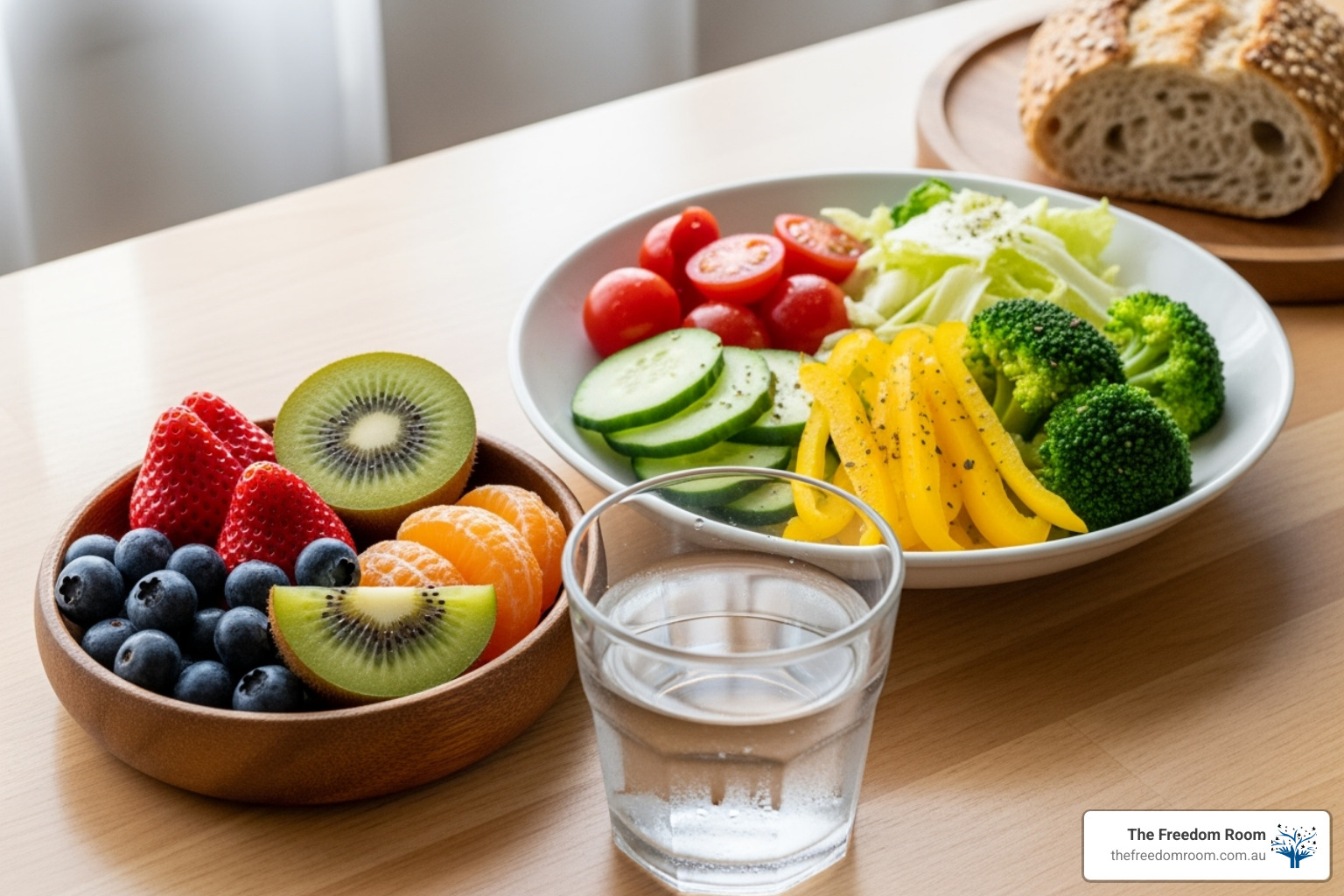
- Stay hydrated: Hydration is crucial as your body loses fluids. Drink plenty of water, electrolyte drinks like coconut water, and soothing herbal teas.
- Focus on B-vitamins: Alcohol depletes B-vitamins, especially thiamine (B1), vital for brain function. Eat B-vitamin-rich foods like salmon, leafy greens, and whole grains.
- Include lean proteins: Lean proteins like poultry, eggs, and legumes provide amino acids for tissue repair and help maintain energy.
- Eat complex carbohydrates: Oats, brown rice, and whole wheat bread offer sustained energy, helping to stabilise blood sugar and mood.
- Add fresh fruits and vegetables: These provide antioxidants and are easier to digest than processed foods.
- Avoid certain foods: Steer clear of processed foods, sugar, and caffeine, as they can worsen anxiety, disrupt sleep, and cause dehydration.
These strategies are part of a broader toolkit of Healthy Coping Mechanisms that will serve you well beyond detox.
Herbal and Supplemental Alcohol Detox Remedies at Home
Nature offers gentle support, but professional guidance is essential. Always consult your GP before adding any herbal remedies or supplements to your plan to prevent dangerous interactions.
- Kudzu root: Research suggests this traditional remedy may reduce alcohol cravings and ease some withdrawal symptoms. See the Research on Kudzu and alcohol consumption.
- Ashwagandha: This adaptogenic herb helps the body manage stress, which can reduce anxiety and improve sleep during withdrawal.
- Milk thistle: Known for supporting liver health, this herb may aid the body’s natural detoxification process.
- Valerian root: This natural sedative can help promote relaxation and ease anxiety and insomnia.
- Cayenne pepper: Adding this to food may help reduce cravings and soothe stomach upset.
These natural remedies complement, rather than replace, professional medical care.
Lifestyle Support as Part of Your Alcohol Detox Remedies at Home
Certain lifestyle practices can significantly improve your comfort during home detox. These gentle approaches support your physical and emotional wellbeing.
- Gentle movement: Simple activities like walking or stretching can boost mood and release tension. Listen to your body and avoid intense workouts.
- Stress reduction techniques: Techniques like deep breathing can calm an overactive nervous system. Our guide to Breathing Exercises for Addiction offers practical methods.
- Mindfulness and meditation: These practices help you observe cravings and discomfort without being overwhelmed. Explore techniques in our Mindfulness for Alcohol Recovery resource.
- Quality sleep: Prioritise sleep by creating a consistent, peaceful bedtime routine. Aim for seven to eight hours per night to support healing.
- Journalling: Writing in a journal helps process emotions, identify triggers, and track progress. Learn more about The Healing Power of Journalling.
These adjustments work with other alcohol detox remedies at home to create a comprehensive approach to healing.
Navigating Challenges and Sustaining Recovery
Detox is the first step in a longer recovery journey. The real work involves developing skills to manage cravings, handle emotions, and build a life without alcohol. Our goal is to help you build the resilience and tools for lasting sobriety.
Recovery continues long after physical withdrawal. Your brain and body need time to adjust, which requires patience, self-compassion, and effective coping strategies.
Managing Cravings and Emotional Discomfort
Cravings and emotional discomfort are natural as your brain rewires itself. These feelings are temporary and manageable with the right approaches.

- Cognitive Behavioural Therapy (CBT) principles: CBT helps you connect thoughts, feelings, and actions. It teaches you to identify and challenge unhelpful thoughts like ‘I can’t cope without a drink,’ reducing their power.
- Identifying personal triggers: Identifying personal triggers, such as certain emotions, situations, or times of day, is key. Once known, you can develop strategies to manage them.
- Emotional Freedom Techniques (EFT): EFT, or tapping, is an effective technique for managing cravings. It involves tapping on acupressure points while focusing on distressing feelings. This sends calming signals to the brain’s stress centre, helping to reduce the intensity of cravings and build emotional resilience. Learn more about Emotional Freedom Technique.
These approaches work best when used together to manage difficult moments.
Understanding a Lapse vs. a Relapse
Recovery is rarely a straight line. Understanding the difference between a lapse and a relapse helps you respond with wisdom if setbacks occur.
- A lapse is a brief return to drinking. It does not erase your progress but serves as a learning opportunity about your triggers and coping skills.
- A relapse is a return to previous drinking patterns. It is a setback, but not the end of your recovery journey. It can provide knowledge for future success.
- Self-compassion is crucial if a setback occurs. Shame can fuel more drinking, so treat yourself with kindness and view setbacks as learning opportunities.
- Use setbacks to learn by analysing what led to them. This strengthens your Relapse Prevention Strategy by helping you identify missing support or ineffective coping skills.
Responding quickly and seeking support is key rather than allowing shame to deepen the setback.
Building a Foundation for Long-Term Sobriety
Sustainable recovery requires a comprehensive support system and new ways of living that bring joy without alcohol.
- Ongoing professional support: Ongoing therapy, especially using CBT, helps build healthy coping skills. At The Freedom Room, our team’s lived experience provides authentic, professional support.
- Peer support groups: Peer groups like AA or SMART Recovery reduce isolation and offer practical wisdom from others on a similar journey.
- New interests and activities: Fill the space left by alcohol with new hobbies, creative pursuits, or physical activities. This provides purpose and natural mood boosts.
- Supportive relationships: Nurture relationships with people who support your sobriety and set boundaries with those who do not.
The journey of Alcohol Addiction Recovery is personal, but you do not have to walk it alone. Each day builds strength for the fulfilling, alcohol-free life you are working towards.
Start Your Journey to Lifelong Recovery Today
Alcohol detox remedies at home can be a safe option for some, but only with caution and professional oversight. This guide has covered the essentials: risk assessment, preparation, support systems, and natural remedies.
Safety is the top priority. While home detox works for some, many require medical supervision. The risks of untreated withdrawal are severe, with the fatality rate of delirium tremens dropping from 37% to under 5% with medical care.
The journey continues after detox. Lasting sobriety requires a commitment to nutrition, stress management, and ongoing support. The goal is to help you reclaim your life.
At The Freedom Room, we understand the courage it takes to seek help. Our team’s professional expertise and lived experience allow us to offer authentic, compassionate, and personalised alcohol addiction treatment.
Recovery is a journey of growth, and you deserve support. Take the first step today and explore our affordable addiction treatment services. Let us help you build a foundation for an alcohol-free future.
Frequently Asked Questions about Detoxing from Alcohol at Home
How long do alcohol withdrawal symptoms typically last?
Understanding the withdrawal timeline helps you prepare for what is ahead. Alcohol detox remedies at home are most effective when you know what to expect.
- Initial symptoms like headaches and anxiety can start 6-12 hours after the last drink.
- Symptoms usually peak between 48-72 hours. This is the most challenging period, with the highest risk of serious complications like seizures.
- Most physical symptoms resolve within 7-10 days, though some effects like fatigue may linger for up to two weeks.
- Post-Acute Withdrawal Syndrome (PAWS), involving psychological symptoms, can last for weeks or months. This is a normal part of the brain’s healing process.
What can I take for anxiety during alcohol withdrawal at home?
Anxiety is common during withdrawal, but there are safe alcohol detox remedies at home to help. Always consult your GP first.
- Herbal options: Under medical supervision, herbal options like ashwagandha for stress and valerian root for sleep can provide gentle relief.
- Non-pharmacological approaches: Deep breathing exercises can provide immediate relief by activating the body’s relaxation response.
- Mindfulness and EFT: Mindfulness, meditation, and Emotional Freedom Techniques (EFT) are powerful tools for managing anxious thoughts without being overwhelmed.
- Gentle movement: A short walk releases endorphins that can quickly improve your mental state.
Always discuss anxiety with your healthcare provider, who can determine if prescription medication is needed for your safety and comfort.
What is the single most important step for a safe home detox?
Without question, consulting a healthcare professional is the most crucial step. This is a potentially life-saving action.
A healthcare professional will assess your drinking history, health, and risk factors to determine if home detox is a safe option for you. They can create a personalised safety plan, which may include medications like thiamine, and will provide clear guidance on managing symptoms and when to seek emergency help.
Ongoing medical support provides safety and peace of mind, allowing for adjustments to your plan as needed. Detoxing without professional consultation is extremely risky. Alcohol withdrawal can be unpredictable and fatal, so medical guidance is your best protection.