

The Importance of Stress and Anxiety Management in Recovery
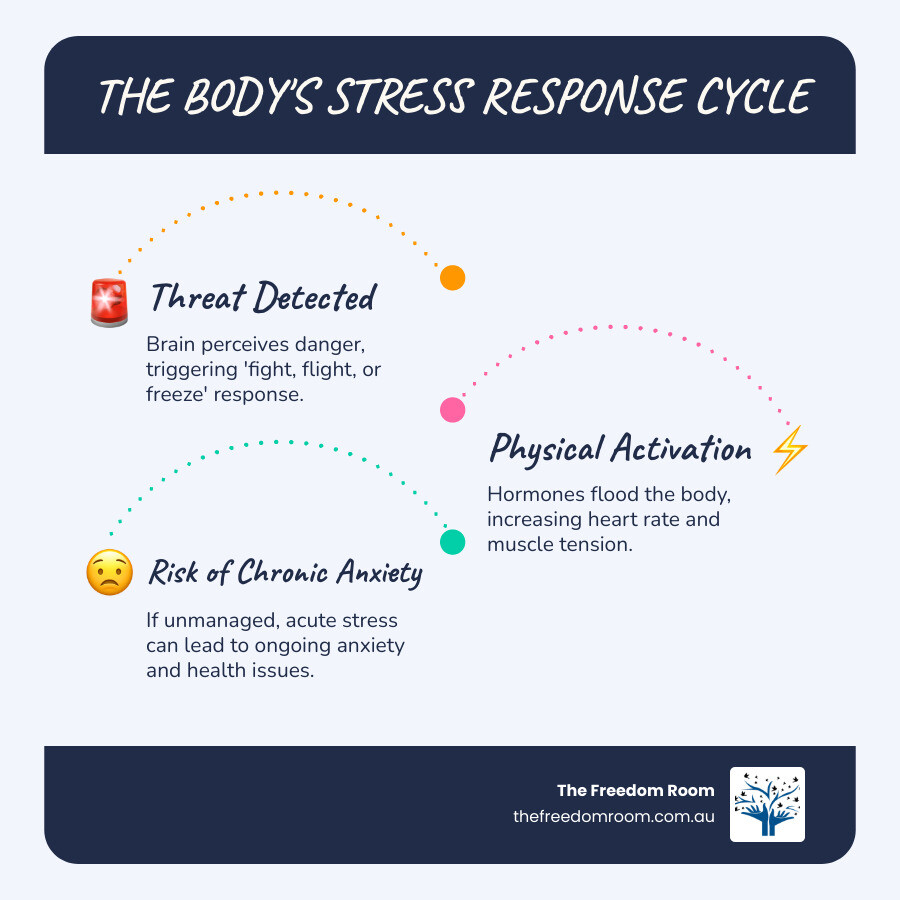
Effective stress and anxiety management techniques are integral to navigating the challenges of addiction recovery. When an individual experiences overwhelming stress, the physiological fight, flight, or freeze response can be triggered, complicating efforts to maintain sobriety and emotional equilibrium.
Quick Reference: Essential Stress and Anxiety Management Techniques
- Immediate Relief: Deep breathing exercises, 5-4-3-2-1 grounding technique, progressive muscle relaxation.
- Daily Habits: Regular exercise, balanced nutrition, 7-9 hours of quality sleep, social connection.
- Long-term Strategies: Mindfulness meditation, cognitive reframing, journaling, EFT tapping.
- Professional Support: Counselling, therapy, or medical consultation when symptoms persist.
Defining Key Terms: Stress, Worry, and Anxiety
Understanding the distinctions between stress, worry, and anxiety is essential for selecting the appropriate management approach. Stress is typically defined as a response to a specific external event and subsides once the situation is resolved. Worry is characterised by repetitive thoughts about potential problems, while anxiety can persist even without an immediate stressor and may become chronic if left unaddressed.
Research indicates that 18.1 percent of Australian adults experience anxiety in any given year, making it the country’s most common mental health challenge. For individuals in recovery, managing these feelings is crucial, as unaddressed stress and anxiety are common contributors to relapse.
The Concept of Eustress
It is important to note that not all stress is detrimental. Eustress, or positive stress, can serve as a motivator and improve performance, supporting the recovery journey when channelled correctly.
The Physiological Stress Response
The body’s stress response is an evolutionary mechanism designed for protection against physical threats. In modern life, this system can become overactive, responding to everyday challenges or past trauma. This chronic activation affects overall wellbeing and can significantly impact recovery progress.
Find more about stress and anxiety management techniques:
Recognising the Body’s Response to Stress and Anxiety
The human body’s stress response system is activated when facing challenges, from financial pressures to significant life events. Stress and anxiety management techniques are essential because these experiences profoundly affect an individual’s entire being. While stress is a temporary reaction to a specific situation, anxiety can develop when these feelings persist long after the trigger has gone, often involving chronic, excessive concerns.
Chronic stress increases the risk of serious health conditions, including heart disease and depression. For those in recovery, this connection is particularly important, as unmanaged stress often contributes to relapse. Further information is available in our guide on stress and addiction recovery.

Physical Manifestations
Stress and anxiety are communicated through distinct physical signals. These can include:
- Muscle tension, especially in the shoulders and neck.
- Persistent fatigue that does not improve with rest.
- Sleep problems, such as difficulty falling or staying asleep.
- Headaches, ranging from tension headaches to migraines.
- Stomach distress, including nausea or changes in appetite.
- Increased heart rate, palpitations, or chest pain.
- Shortness of breath, shaking, sweating, or dizziness.
These symptoms can create a cycle where physical sensations heighten anxiety, which in turn intensifies the physical responses.
Emotional and Cognitive Signs
Emotionally, stress and anxiety can manifest as excessive worry, persistent fear, and feelings of guilt or self-blame. Individuals may experience repetitive negative thoughts, harsh self-criticism, or a sense of impending doom.
Cognitively, these states can lead to poor concentration, mental fogginess, and difficulty making decisions. This can affect work performance and daily functioning, often accompanied by feelings of being overwhelmed and increased irritability.
Behavioural Changes
Stress and anxiety often trigger noticeable behavioural shifts. These may include acting impulsively, increased irritability towards others, and changes in eating habits, such as loss of appetite or comfort eating.
Procrastination can become a common coping mechanism, alongside social withdrawal as interactions feel exhausting. Some individuals may increase their use of alcohol or other substances to manage these difficult feelings, a pattern that requires careful attention, especially during recovery.
Recognising these shifts is crucial. Our guide on coping mechanisms for addiction explores constructive ways to address these patterns.
Immediate Stress Relief Strategies
When stress or anxiety becomes acute, techniques that provide immediate relief are necessary. These strategies function to interrupt the stress cycle and help restore balance to the nervous system.
The value of these techniques lies in their simplicity and accessibility, allowing them to be used in any setting to regain control when feelings become overwhelming.

Mindful Breathing to Regulate the Nervous System
Conscious control of breathing is a powerful tool for instant stress relief. By deliberately slowing respiration, an individual can activate the body’s natural relaxation response.
- Diaphragmatic Breathing: Place one hand on the chest and the other on the belly. Breathe in slowly through the nose, allowing the belly to rise while the chest remains still. This action stimulates the vagus nerve, shifting the nervous system into a calmer state.
- Box Breathing: Inhale for a count of four, hold for four, exhale for four, and hold for four. This rhythmic pattern helps regulate the autonomic nervous system and provides a concrete focus for the mind.
Within minutes, paced breathing can slow the heart rate and reduce stress hormones.
Breathing exercises to relieve stress
Breathing Exercises for Addiction
Grounding Techniques for Present-Moment Awareness
Grounding techniques anchor an individual in their body and the present moment, thereby interrupting anxious thought patterns.
- Progressive Muscle Relaxation (PMR): Systematically tense and then release different muscle groups, starting from the toes and working upwards. This process teaches the recognition and release of physical tension.
- The 5-4-3-2-1 Technique: Engage the senses by identifying five things that can be seen, four things that can be felt, three things that can be heard, two things that can be smelled, and one thing that can be tasted. This technique pulls focus from internal worries to the external environment.
These methods remind the nervous system that the individual is safe in the present moment.
Constructive Distraction for Cognitive Refocusing
Mindful distraction can provide essential relief from overwhelming stress. The key is to choose engaging activities rather than those that merely numb feelings.
Effective methods include listening to music to shift an emotional state, using laughter and humour to trigger positive physical changes, or engaging in creative hobbies like drawing or gardening. Journaling is another powerful tool that helps to externalise stress and identify patterns in thoughts and feelings.
When is Distraction a Healthy Stress Management Technique?
Long-Term Resilience: Foundational Lifestyle Strategies
While in-the-moment techniques are valuable, long-term stress and anxiety management techniques focus on establishing daily habits that strengthen resilience. These lifestyle strategies produce a cumulative effect, whereby small, consistent changes can significantly enhance an individual’s capacity to cope with stress.
The Role of Physical Activity
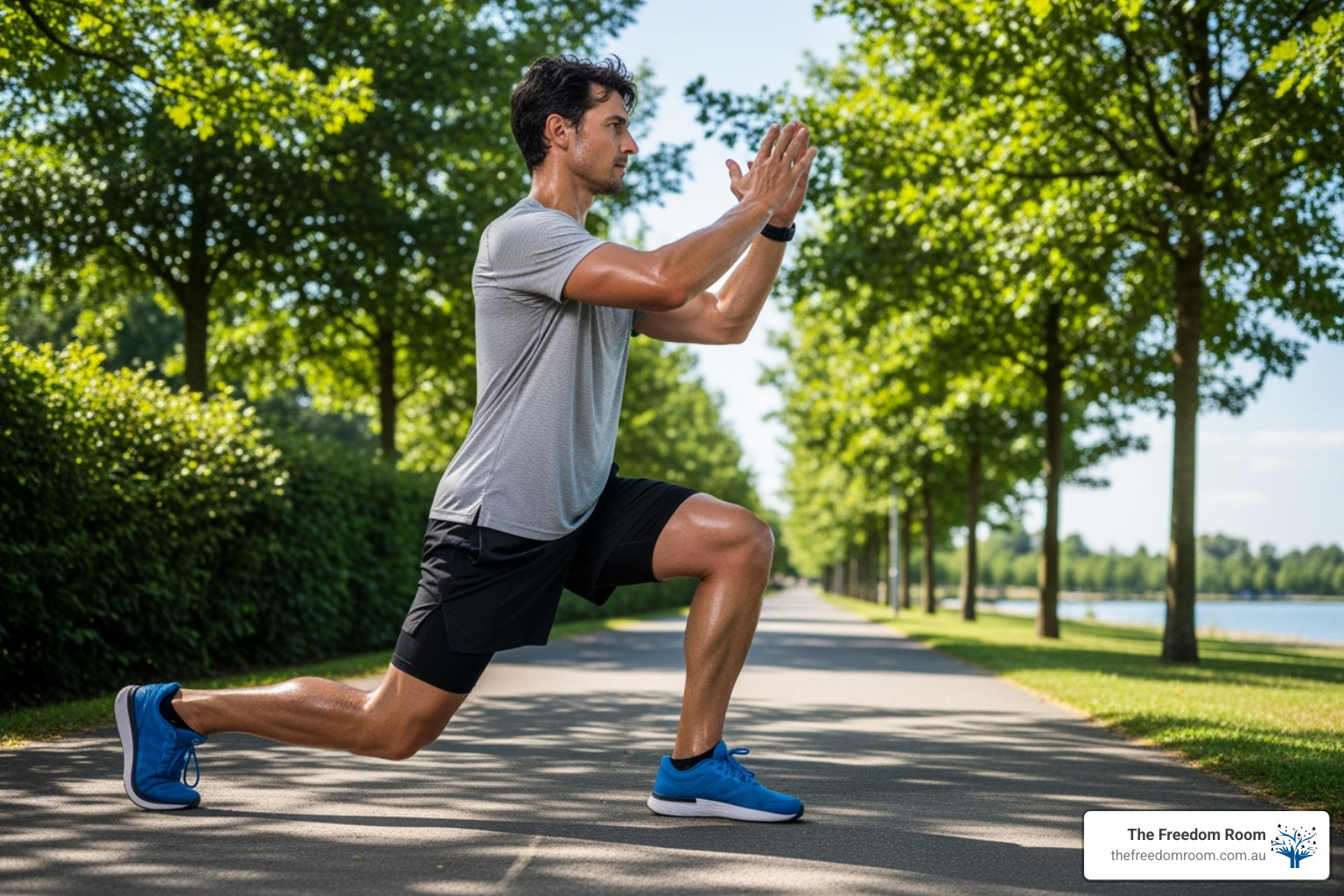
Regular physical activity is a natural and effective method for managing stress. Exercise releases endorphins, which can significantly improve mood. The Australian physical activity guidelines recommend 150 minutes of moderate-intensity activity per week, plus two muscle-strengthening sessions.
Success is often achieved by selecting enjoyable forms of movement, whether it is bushwalking, a group fitness class, or gardening. Consistency is more important than intensity; a daily 20-minute walk is more beneficial than one intense session per week. Patience is required, as it can take four to eight weeks for a new routine to feel natural.
Nourishing the Body and Mind
The link between diet and mood is profound. A balanced diet rich in vegetables, fruits, and whole grains is associated with lower anxiety levels, while highly processed foods can increase perceived stress.
Particular attention should be given to caffeine and alcohol. High caffeine intake can worsen anxiety and disrupt sleep. Alcohol, despite a temporary calming effect, often increases anxiety the following day. Key nutrients for stress management include magnesium, B vitamins, and omega-3 fatty acids.
Prioritising Restorative Sleep
Quality sleep is a critical component of stress management. Most adults require 7-9 hours of sleep per night. Poor sleep can increase cortisol levels, making an individual more susceptible to anxiety, which in turn can make sleep more difficult.
Establishing a relaxing bedtime routine, such as a warm bath, reading, or listening to calming music, is beneficial. It is also crucial to limit screen time before bed, as the blue light from devices interferes with melatonin production. A dark, quiet, and cool environment will further improve sleep quality.
The Power of Connection
Strong social relationships act as a powerful buffer against stress. Having people for support and discussion reduces the impact of life’s challenges. It is important to avoid social isolation, as reaching out for support is particularly crucial during periods of struggle.
Spending time in nature also offers significant stress-relieving benefits, with as little as 10 minutes in a natural setting improving wellbeing. Additionally, connecting with pets can reduce cortisol and increase oxytocin, promoting feelings of calm and happiness.
Advanced Cognitive and Somatic Management Techniques
Beyond lifestyle modifications, advanced techniques can assist in restructuring thought patterns and processing stored emotions. These evidence-based approaches address the mind-body connection to facilitate lasting change.

Cognitive Restructuring Approaches
An individual’s thoughts significantly influence the experience of stress. Learning to challenge automatic negative thoughts is a cornerstone of managing these feelings. Key strategies include:
- Self-compassion: Responding to personal struggles with kindness and understanding, rather than self-criticism.
- Perfectionism reduction: Substituting the unattainable goal of perfection with healthy striving, setting realistic goals, and acknowledging progress.
- Boundary setting: Learning to decline requests that add unnecessary stress, which empowers an individual to protect their wellbeing.
- Journaling: Documenting when and where anxiety is felt to identify triggers and develop targeted coping strategies.
Which is a Cognitive Technique for Stress Management?
Mindfulness and Meditation Practices
Mindfulness is the practice of being aware of thoughts and feelings in the present moment without judgment. It helps an individual observe their internal world without becoming caught in reactivity.
Meditation is a proven method to cultivate this awareness, and consistent practice can boost mood while decreasing symptoms of stress and anxiety. Yoga also incorporates mindfulness and has been shown to reduce stress by lowering cortisol levels, blood pressure, and heart rate.
Mindfulness for Addiction Recovery Tips
Emotional Freedom Techniques (EFT) for Emotional Regulation
Emotional Freedom Techniques (EFT), or tapping, is an evidence-based tool that helps process the energy of long-held fear, anger, and worry. The goal is to move from a state of being overwhelmed to one of greater calm and inner peace.
EFT works with the body’s natural stress response. The amygdala, the brain’s threat detection centre, can become overactive in modern life, triggering a fight, flight, or freeze response to everyday stressors. Gentle tapping on specific acupressure points while focusing on a distressing emotion sends a calming signal to the amygdala. This physical stimulation, paired with cognitive focus, helps disrupt the stress response pathway.
Over time, consistent application of EFT can help retrain this response, reducing the intensity of overwhelming reactions and fostering greater emotional resilience.
Emotional Freedom Technique
Tapping for Anxiety Relief
When to Seek Professional Support
While many stress and anxiety management techniques are effective, it is important to recognise when professional support is necessary. This awareness is a critical component of the recovery process.
Recognising When Self-Help Is Insufficient
Occasional stress is a normal part of life. However, if these feelings persist and interfere with daily activities, relationships, or work performance for an extended period, it is time to consider professional assistance.
If stress feels uncontrollable or worries intensify despite self-help efforts, a healthcare professional can provide essential guidance. This is especially true if anxiety becomes so overwhelming that it affects an individual’s ability to function.
Key Warning Signs
It is time to seek professional help if an individual experiences any of the following:
- Persistent and overwhelming feelings of anxiety that last for weeks or months.
- Significant interference with daily life, work, or relationships.
- Using alcohol or other substances as a primary way to cope with stress.
- Panic attacks or intense physical symptoms like chest pain, difficulty breathing, or dizziness.
- Persistent sleep disturbances, chronic headaches, or digestive issues alongside anxiety.
- Feelings of helplessness, hopelessness, or that worries are spiralling out of control.
Obtaining the Right Support
A General Practitioner (GP) is an appropriate first point of contact. A GP can assess the situation, rule out underlying physical health issues, and discuss appropriate treatment options, which may include therapy, medication, or a combination of approaches.
Seeking help early can make a significant difference. Organisations like Beyond Blue also offer excellent resources and support for Australians experiencing anxiety.
Information and support for anxiety
Seeking professional assistance is a proactive measure and a demonstration of commitment to one’s wellbeing.
Conclusion: A Commitment to Long-Term Wellbeing
Mastering stress and anxiety management techniques is an ongoing process of development rather than an objective of perfection. The consistent application of these strategies builds the resilience required to support long-term wellbeing and recovery.
A Holistic Framework for Recovery
A holistic approach empowers individuals with the practical tools and understanding needed to take control of their emotional wellbeing. This framework often incorporates support from professionals with relevant lived experience, offering authentic guidance rooted in genuine empathy.
Through personalised interventions, individuals can develop skills that will serve them throughout their recovery and beyond. Effective approaches are always customised to meet an individual’s specific needs.
Achieving Emotional Wellbeing
The techniques outlined in this guide are practical tools that can transform how daily life is experienced. Recovery involves building a life of such fulfilment that substance use is no longer a perceived necessity. By mastering these skills, individuals are not just preventing relapse—they are creating the conditions for genuine happiness and peace.
For further professional guidance, consider exploring addiction counselling services.