

Understanding the Complex Connection Between Anxiety and Addiction
Anxiety and addiction treatment requires a comprehensive understanding of how these two conditions intertwine. Individuals with anxiety disorders are two to three times more likely to develop a substance use disorder compared to the general population.
Key Facts About Anxiety and Addiction Treatment:
- High Rate of Co-occurrence – Approximately 50% of individuals with mental health conditions also experience substance use disorders.
- Anxiety Often Precedes Addiction – Research indicates that anxiety disorders typically precede the development of addiction in most cases.
- Self-Medication is a Common Factor – Many individuals use alcohol or drugs to temporarily alleviate anxiety symptoms.
- Integrated Treatment is Most Effective – Simultaneously addressing both conditions through integrated treatment yields superior outcomes.
- Recovery is Achievable – With appropriate support, recovery from both anxiety and addiction is possible.
The relationship between anxiety and addiction can create a reinforcing cycle. When facing significant worry, panic, or social fear, substances may seem like an immediate solution. However, this temporary relief has significant consequences. As the effects of the substance diminish, anxiety often returns with greater intensity. The brain’s capacity to manage stress becomes compromised, and what may have begun as occasional use can escalate to dependence.
This cycle affects millions of Australians, with anxiety being one of the most common factors underlying issues with alcohol, drugs, or gambling. Understanding this connection is the first step toward achieving recovery. Modern treatment recognises that anxiety and addiction are interconnected challenges that are most effectively resolved when addressed together.
Basic anxiety and addiction treatment vocab:
Understanding the Intricate Link Between Anxiety and Addiction
The relationship between anxiety and addiction is complex, with each condition often exacerbating the other. For anxiety and addiction treatment to be effective, this connection must be understood and addressed. Treating only one condition in isolation is often insufficient; for lasting recovery, both must be addressed concurrently.
The Self-Medication Cycle
Many individuals turn to substances during periods of vulnerability. When anxiety becomes overwhelming, alcohol or other drugs may be used for relief. The self-medication hypothesis posits that substances are used to gain temporary relief from distressing symptoms.
- Alcohol, a central nervous system depressant, can reduce racing thoughts and ease social inhibitions.
- Cannabis may provide temporary relief from persistent worry.
- Benzodiazepines can effectively stop a panic attack.
This relief is short-lived. The body develops tolerance, requiring increased amounts of the substance to achieve the same effect. As the substance’s effects wear off, anxiety often returns with greater intensity, establishing the self-medication cycle. Individuals can become dependent, requiring substances not merely to achieve a positive state but to avoid negative withdrawal symptoms. Scientific research indicates this is common, with anxiety and substance use disorders co-occurring in up to 45% of cases annually.
How Substance Use and Withdrawal Fuel Anxiety
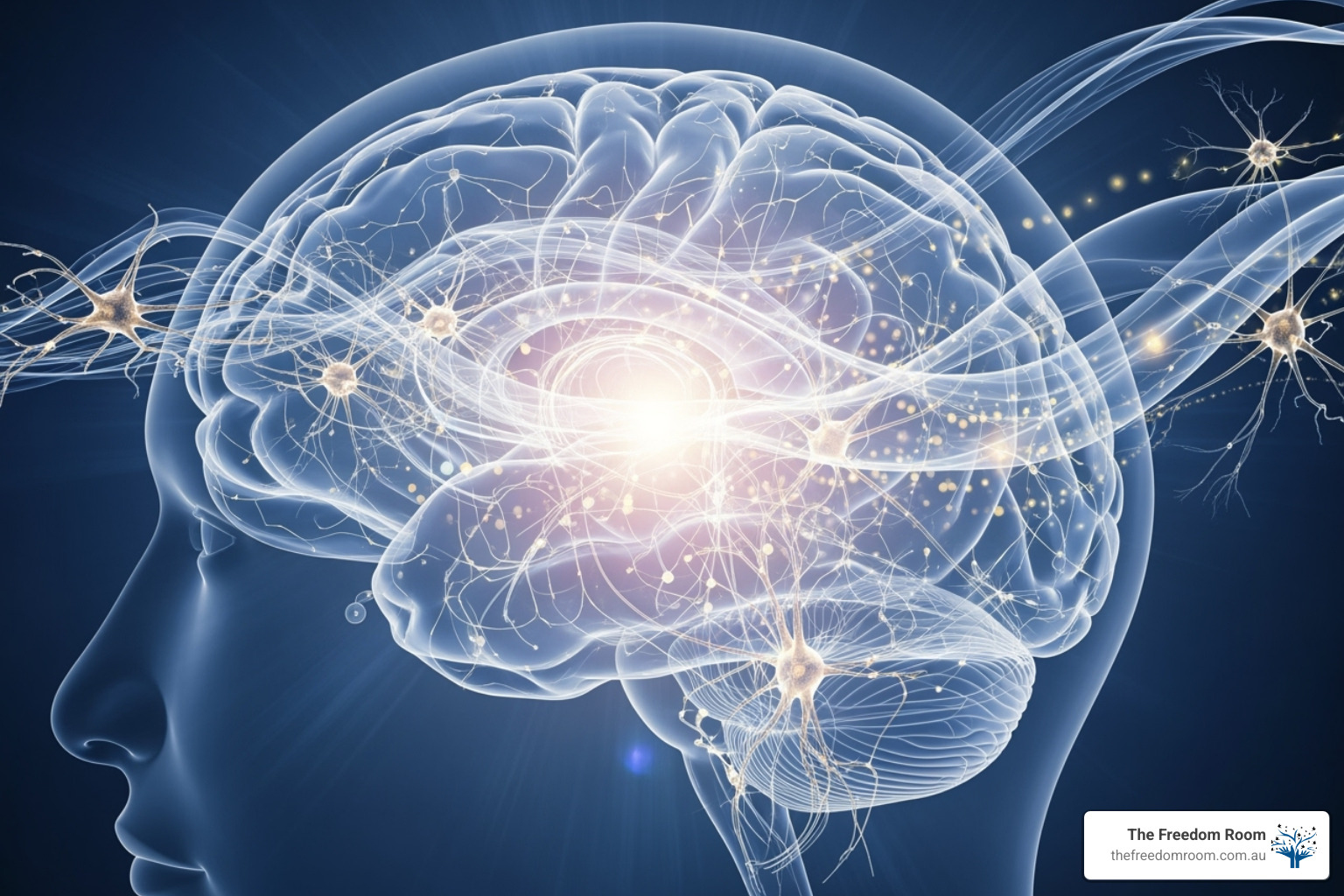
Substances disrupt the brain’s neurochemical balance. Alcohol, for example, increases the calming neurotransmitter GABA while suppressing the excitatory neurotransmitter glutamate, causing temporary relaxation. Upon cessation of alcohol consumption, the brain overcompensates. GABA activity drops whilst glutamate surges, creating heightened states of anxiety, irritability, and restlessness.
Withdrawal symptoms extend beyond physical discomfort. This rebound anxiety can be severe, often compelling individuals to resume substance use for relief. This creates a vicious cycle where the fear of withdrawal-related anxiety becomes as powerful a motivator as the original anxiety disorder.
Chronic substance use also alters the brain’s stress response, disrupts sleep patterns, and weakens natural coping mechanisms. Furthermore, addiction creates significant life stressors—such as financial difficulties, strained relationships, and employment issues—which further exacerbate anxiety while diminishing an individual’s capacity to cope.
Shared Underlying Risk Factors
Anxiety and addiction frequently share common underlying risk factors, which helps explain their high rate of co-occurrence.
- Genetics play a significant role. A family history of either condition increases the likelihood of developing both, suggesting an inherited vulnerability related to brain chemistry.
- Environmental factors, particularly childhood trauma, abuse, or neglect, can alter brain development, increasing the risk for both anxiety and substance use.
- Chronic stress in adulthood can over-activate the body’s stress response system, which can predispose an individual to both conditions.
- Brain chemistry imbalances are also key. A hyperactive amygdala (the brain’s fear centre) is common in anxiety disorders, while disrupted dopamine pathways (the reward system) are central to addiction. Research demonstrates how these factors interact to create risk.
This overlap explains why integrated anxiety and addiction treatment is the most successful approach. Addressing the shared origins of both conditions provides a greater opportunity for lasting recovery.
Common Co-Occurring Anxiety and Substance Use Disorders
Certain patterns highlight the interconnectedness of anxiety and addiction. Understanding which specific anxiety disorders commonly co-occur with substance use facilitates more targeted and effective anxiety and addiction treatment.
Generalised Anxiety Disorder (GAD)
Generalised Anxiety Disorder (GAD) involves excessive, persistent worry about various life situations that feels difficult to control. It extends beyond typical daily concerns and can manifest physically, causing restlessness, fatigue, and muscle tension.
To manage persistent worry, many individuals with GAD use substances like alcohol or prescription medication for temporary relief. This strategy is counterproductive, as substance use disorders are particularly common among those with GAD.
Social Anxiety Disorder (SAD)
Social Anxiety Disorder (SAD) is characterised by an intense fear of being judged or scrutinised in social situations. Everyday interactions, such as ordering coffee or attending meetings, can become extremely difficult.
Many individuals with SAD use alcohol to reduce social inhibitions. A drink before a social event may temporarily reduce physiological symptoms of anxiety, such as an accelerated heart rate, making social situations feel more manageable. However, research shows about 20% of people with social anxiety disorder also develop alcohol dependence, as this coping mechanism can lead to a long-term problem.
Panic Disorder
A panic attack is a sudden onset of intense fear accompanied by distressing physical symptoms like an accelerated heart rate, difficulty breathing, and dizziness. The unpredictable nature of these attacks can lead to debilitating anticipatory anxiety.
To prevent or manage these episodes, many individuals turn to substances. Alcohol may seem to calm the physical symptoms, but this approach is often counterproductive, as alcohol withdrawal itself can trigger panic attacks. This creates a dangerous cycle, and studies show about 25% of people seeking treatment for panic disorder have a history of alcohol dependence.
Post-Traumatic Stress Disorder (PTSD)
Post-Traumatic Stress Disorder (PTSD) can develop after experiencing or witnessing a traumatic event. The symptoms can be severe and include:
- Intrusive memories and flashbacks
- Persistent nightmares
- Hypervigilance (a state of constant high alert)
- Avoidance behaviours that limit daily life
Many individuals with PTSD use substances to manage emotional pain or avoid difficult memories. This explains why up to 59% of females and 34% of males in substance abuse treatment also meet the criteria for PTSD.
The connection is particularly strong among veterans, which highlights the necessity of trauma-informed approaches in anxiety and addiction treatment. Effective treatment requires addressing the underlying trauma that may be driving both conditions.
A Holistic Path to Recovery: Effective Anxiety and Addiction Treatment
When anxiety and addiction co-occur, they require comprehensive care. Effective anxiety and addiction treatment does not involve addressing these challenges sequentially; it involves addressing them concurrently as interconnected conditions.
Why Integrated Treatment is Crucial
Historically, anxiety and addiction were treated separately, which often led to suboptimal outcomes. Integrated treatment addresses both conditions simultaneously with a coordinated care team, making the recovery process more effective and sustainable.
Co-occurring disorders present diagnostic challenges. Anxiety symptoms might be amplified by withdrawal, or substance use could mask an underlying panic disorder. Integrated care allows clinicians to develop a comprehensive understanding of the individual’s condition from the outset, helping to distinguish between substance-induced symptoms and an independent anxiety disorder.
As substance use decreases, the underlying anxiety often becomes clearer. As anxiety is managed, the urge to self-medicate diminishes. This reciprocal healing process leads to significantly better long-term outcomes and sustained recovery.
Evidence-Based Therapies for Anxiety and Addiction Treatment
A range of evidence-based approaches is available to address the thoughts and emotions underlying these conditions.
- Cognitive Behavioural Therapy (CBT) is a foundational component of recovery. It helps individuals identify and modify thought patterns that fuel both anxiety and addiction. By recognising triggers, clients develop practical skills for managing cravings and anxiety using CBT techniques for addiction.
- Dialectical Behaviour Therapy (DBT) focuses on emotional regulation and distress tolerance. It teaches skills for managing overwhelming anxiety and substance use urges, helping individuals tolerate difficult emotions without resorting to maladaptive coping strategies.
- Mindfulness-Based Relapse Prevention (MBRP) utilises a non-confrontational approach. It teaches individuals to observe cravings and anxiety with curiosity, creating space between a trigger and a response to allow for more considered choices. Our mindfulness for addiction recovery tips offer practical guidance.
- Trauma-focused treatments like our ACT and Mindfulness for Trauma services are essential when anxiety stems from traumatic experiences, as they address the deeper issues that often underlie both conditions.
The Role of Emotional Freedom Techniques (EFT) in Anxiety and Addiction Treatment
Emotional Freedom Techniques (EFT), or “tapping,” is a notable component of an integrated treatment model. The process involves gently tapping on specific acupressure points while focusing on a distressing thought or emotion. This action is believed to send calming signals to the amygdala, the brain’s fear centre, helping to disrupt the stress response and return the nervous system to a more balanced state.
EFT is a valuable tool in anxiety and addiction treatment as it directly addresses the body’s physiological stress response. When experiencing anxiety or cravings, tapping can be used to regulate the nervous system and de-escalate these feelings.
Working with an EFT Practitioner provides a safe, supportive environment to process emotional trauma. The goal is to reduce the emotional intensity associated with past events and the severity of cravings. Regular EFT sessions help retrain the nervous system, fostering the emotional resilience and internal regulation essential for sustained recovery. Our EFT services can provide support for this aspect of recovery.
Frequently Asked Questions about Anxiety and Addiction Treatment
The following are answers to frequently asked questions regarding anxiety and addiction treatment.
Will my anxiety resolve if I stop using substances?
This depends on the origin of the anxiety. Substance-induced anxiety, including rebound anxiety from withdrawal, often improves significantly with sustained sobriety as the brain and nervous system recover.
However, if an independent anxiety disorder existed prior to substance use, abstinence alone is unlikely to resolve it. While ceasing substance use removes a major aggravating factor, the underlying condition still requires targeted treatment. For example, if alcohol was used to manage social anxiety, support will still be required to manage social fears and develop healthier coping skills after drinking has stopped.
A thorough assessment by a qualified professional is crucial to distinguish between substance-related symptoms and an ongoing anxiety condition, ensuring the appropriate treatment is provided.
What is the most effective therapy for co-occurring anxiety and addiction?
No single therapy is universally considered the most effective. Research indicates that personalised, integrated programmes that combine multiple evidence-based approaches deliver the strongest outcomes. Effective treatment plans frequently incorporate:
- Cognitive Behavioural Therapy (CBT) to change thought patterns that fuel both conditions.
- Dialectical Behaviour Therapy (DBT) to teach skills for managing intense emotions and distress.
- Mindfulness-Based Relapse Prevention to cultivate awareness of triggers and cravings.
- Trauma-informed therapies such as Emotional Freedom Techniques (EFT) to process emotional blockages and regulate the nervous system.
The most effective approach is one that is personalised to an individual’s history and needs. It is crucial to engage a treatment team that understands the link between anxiety and addiction and can adapt the programme as the individual progresses.
What is the first step to getting help in Australia?
Initiating the process of seeking help is a significant step. Several pathways are available in Australia.
- Consult your General Practitioner (GP). A GP is an accessible starting point. They can conduct an assessment, create a Mental Health Care Plan for subsidised sessions with mental health professionals, and provide referrals to specialised services.
- Contact specialised services directly. Many organisations offer confidential consultations. For immediate assistance, you can call the National Alcohol and Other Drug Hotline (1800 250 015) or Beyond Blue (1300 22 4636).
If you are in the Strathpine area or the wider Queensland region, our team at The Freedom Room has knowledge of local resources and combines evidence-based therapies with an authentic understanding gained from lived experience. Seeking assistance is a proactive step toward recovery, and support is readily available.
Start Your Journey to Lifelong Recovery Today
The complex relationship between anxiety and addiction can be effectively managed. A critical understanding from current research and clinical practice is that recovery is an achievable outcome. When both conditions are addressed concurrently through integrated anxiety and addiction treatment, individuals can overcome the reinforcing cycle of symptoms.
Effective treatment extends beyond the cessation of substance use. It involves addressing underlying contributing factors, developing new coping strategies, and fostering personal growth.
An integrated approach is based on a compassionate, non-judgmental framework. It aims to help individuals build resilience and utilise their personal strengths to support the recovery process. Our approach is informed by both professional expertise and an authentic understanding of the recovery journey, including the challenges and positive outcomes associated with overcoming co-occurring disorders.
The recovery process is unique to each individual but typically involves learning to manage emotional distress, building a strong support network, and experiencing the benefits of a life free from the constraints of anxiety and addiction. The evidence-based therapies utilised, such as CBT, DBT, and EFT, are designed to facilitate self-awareness and build lasting resilience.
Professional support is essential throughout this process. Recovery is understood not as a linear path to perfection, but as a process of continual progress and self-compassion.
A future defined by recovery, rather than by anxiety and addiction, is attainable. Professional support can provide the necessary care, expertise, and understanding to achieve lasting wellness. Contact us to find the support you need for lasting recovery.