
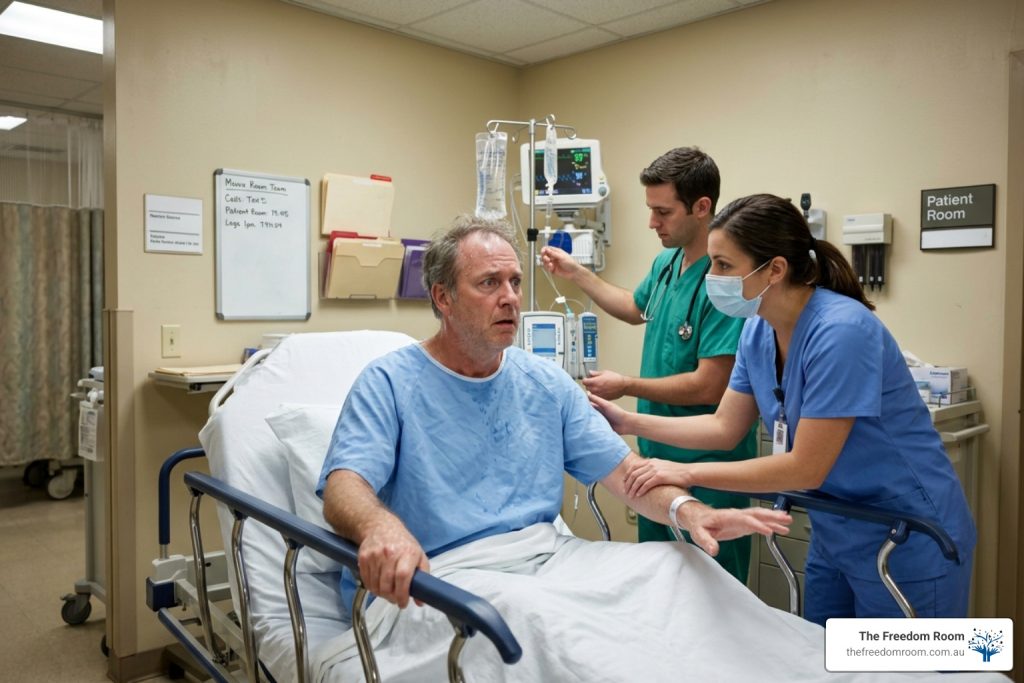
When Alcohol Withdrawal Becomes a Medical Emergency
Understanding what the symptoms of DTs are is a critical requirement for anyone supporting an individual with a physical alcohol dependence. Delirium tremens, frequently abbreviated as DTs, represents the most acute and life threatening manifestation of alcohol withdrawal. This condition is classified as a medical emergency that necessitates immediate clinical intervention within a hospital setting. It typically manifests in individuals who have maintained a pattern of heavy, long term consumption and subsequently undergo a rapid cessation or significant reduction in their intake. The underlying mechanism involves a profound neurochemical maladaptation that occurs over years of heavy use. Over time, the brain adjusts to the chronic presence of alcohol, which is a central nervous system depressant. Alcohol facilitates the inhibitory neurotransmitter gamma aminobutyric acid, known as GABA, while simultaneously suppressing the excitatory N-methyl D-aspartate, or NMDA, receptors. When alcohol is abruptly removed, the brain experiences a state of extreme hyperexcitability because the inhibitory brakes have been released while the excitatory systems remain upregulated.
This neurochemical rebound leads to the severe autonomic and cognitive symptoms associated with the condition. In the Australian context, alcohol consumption remains a primary contributor to preventable morbidity and mortality. Data from the Australian Institute of Health and Welfare indicates that alcohol related hospitalisations continue to place a substantial burden on the national healthcare system. While only a minority of individuals undergoing withdrawal will progress to delirium tremens, the potential for fatality is high without professional management. The progression of symptoms can be deceptively rapid, moving from mild tremors to full scale cardiovascular instability within hours. Consequently, any attempt to manage severe withdrawal through a home based detoxification process is considered unsafe and is strongly discouraged by medical professionals across Australia. Immediate admission to a clinical facility is the only appropriate course of action when these symptoms are suspected. The complexity of the condition requires a multidisciplinary approach to ensure the safety of the individual during the most volatile stages of the withdrawal process.
Identifying the Critical Warning Signs: What Are the Symptoms of DTs?
Recognising delirium tremens requires identifying a rapid shift from standard withdrawal into a state of severe physical and mental instability. While mild withdrawal may involve anxiety, nausea, or a fine hand tremor, DTs are distinct and require urgent medical attention. The primary feature is autonomic hyperactivity, where the body’s stress response becomes dangerously overactive. As outlined in Scientific research on Delirium Tremens, this state places intense strain on the heart, circulation, and brain. Critical warning signs include heavy sweating, fever, marked dehydration, rapid pulse, and raised blood pressure at rest. Furthermore, individuals may exhibit severe tremors, agitation, confusion, disorientation, hallucinations, or seizures. When these signs appear, any delay in seeking medical attention presents a significant risk to life. Professional intervention and continuous monitoring are essential for survival. The physiological pressure exerted on the body during this time can lead to sudden cardiac events or respiratory failure if not managed by clinical experts.
Understanding Cognitive Impairment: What Are the Symptoms of DTs Regarding Confusion?
A defining symptom of DTs is delirium, which is characterised by a profound loss of orientation regarding time, place, and person. The individual may not know where they are or who is with them. Their level of awareness can fluctuate rapidly, which makes the condition especially difficult for families to interpret. They may appear briefly settled before becoming frightened, suspicious, or highly agitated. According to the MedlinePlus Medical Encyclopedia, this level of confusion can lead to unsafe or combative behaviour. This is not a matter of choice but a result of the brain being unable to process reality normally. In a clinical setting, this requires a secure environment to prevent the individual from harming themselves or others during a state of profound disorientation. The cognitive disruption is often accompanied by a total inability to focus or maintain a coherent conversation, which further complicates the assessment process for medical staff.
Physical Red Flags: What Are the Symptoms of DTs for the Body?
DTs place the entire physiological system under extreme stress. Common signs include tachycardia, hypertension, heavy sweating, raised temperature, and tachypnoea. These features suggest the central nervous system is in a state of dangerous overdrive. Fluid loss and poor nutrition often worsen the situation, leading to electrolyte imbalances that can trigger cardiac arrhythmias. In Australian clinical settings, supportive treatment often includes intravenous fluids, high dose thiamine, and other essential nutrients to reduce the risk of permanent neurological damage. National alcohol harm data from the Australian Institute of Health and Welfare highlights why careful medical assessment is vital. Worsening shakes after the first forty eight hours can also be a warning sign. Understanding the duration of tremors can help families recognise when withdrawal is escalating into a more dangerous phase.
To help carers and family members identify the most dangerous physical indicators, consider the following list of immediate red flags:
- A resting heart rate that consistently exceeds 100 beats per minute.
- Profuse, drenching sweats that occur even in a cool environment.
- A significant increase in body temperature without an obvious infection.
- Severe, coarse tremors make it impossible to hold a glass or perform basic tasks.
- Sudden, unexplained seizures or loss of consciousness.

Sensory Disruptions and Hallucinations
Hallucinations during DTs are often vivid, tactile, and frightening. Visual experiences are most common and frequently involve insects, animals, or moving shadows. The person may also hear threatening sounds or feel sensations that are not real, such as the feeling of something crawling on their skin. This latter symptom is known as formication. Severe sleep disruption and disturbing dreams are also prevalent. The Cleveland Clinic notes that these symptoms usually require pharmacological intervention and constant monitoring to prevent injury and reduce the intense psychological distress experienced by the patient. Unlike other forms of psychosis, the hallucinations in DTs are often accompanied by a high degree of suggestibility, where the individual may react to things that others describe, even if they are not present.
The Progression from Withdrawal to Delirium Tremens
DTs do not usually begin immediately after the final drink. Symptoms more often emerge between forty eight and ninety six hours after alcohol use ceases, though they can appear even later. This delayed pattern is one reason why unsupervised detoxification is so hazardous. A person may believe the worst of the withdrawal has passed, only to deteriorate suddenly. Previous withdrawal experiences are also a significant factor. The kindling effect suggests that repeated withdrawal episodes can increase the severity of future symptoms, including the likelihood of seizures and DTs. Knowing the broader detox timeline can help carers stay alert during the highest risk period. Each subsequent withdrawal attempt can sensitise the brain, making the neurochemical rebound more violent and the risk of delirium tremens significantly higher.
Differentiating DTs from Standard Alcohol Withdrawal
Standard alcohol withdrawal is distressing, but DTs are life threatening. Typical early withdrawal may involve nausea, insomnia, anxiety, and a mild tremor. In contrast, DTs involve severe confusion, unstable vital signs, and hallucinations. Clinicians often use the CIWA Ar scale to judge the severity of symptoms and decide whether inpatient treatment is required. This scale assesses various categories, including nausea, tremors, paroxysmal sweats, anxiety, and tactile disturbances. For individuals with a long term physical dependence on alcohol, a safe alcohol detox or medically supported alcohol dependence detox is the only safe approach. For a broader overview of severe withdrawal, see Delirium Tremens Aka The DTs. Professional medical supervision ensures that vital signs are managed and that the risk of complications such as aspiration pneumonia or cardiovascular collapse is minimised. The presence of co-existing medical conditions, such as liver disease or pancreatitis, can further complicate the clinical picture and increase the necessity for hospital based care.
Discover the Support You Need for a Lasting, Successful Recovery

At The Freedom Room Wellness and Recovery, we understand that the fear of withdrawal can be a significant barrier to seeking help. Our team combines professional clinical care with lived experience of recovery, offering support that is compassionate, practical, and non-judgmental. Based in Strathpine, Queensland, we provide cost effective support through personalised sessions, workshops, and therapy. Our focus is not only on the cessation of alcohol use but on helping each individual build a stable and meaningful recovery. We recognise that the journey toward sobriety is unique for everyone, and we are dedicated to providing the tools necessary for long term success. If you are concerned about severe withdrawal or are unsure what level of care is appropriate for your situation, we can help you explore safe next steps. You can learn more through Our Services or Contact Us for a confidential conversation. You can also read more about Alcohol Addiction Treatment Centers to better understand the various levels of support available for those with a physical alcohol dependence. Our goal is to ensure that no one has to face the challenges of recovery alone, providing a bridge from the crisis of withdrawal to the stability of a healthy life.
Frequently Asked Questions About Delirium Tremens
How long do DT symptoms typically last? The most intense phase of delirium tremens usually lasts between three and seven days. However, the recovery process is not always linear. Some individuals may experience lingering symptoms, such as fatigue, mood swings, or sleep disturbances, for several weeks or even months after the acute phase has passed. This is often referred to as post acute withdrawal syndrome and requires ongoing professional support and patience to manage effectively. During this time, the brain is slowly recalibrating its neurochemistry, which can lead to periods of heightened emotional sensitivity or cognitive fog.
Can I detox from alcohol safely at home? For someone at risk of DTs, the answer is a firm no. The home alcohol detox dilemma is that one cannot predict when a seizure or a state of profound confusion will occur. While there are some remedies for mild symptoms, severe withdrawal requires medical monitoring and prescription medication that cannot be safely managed without professional oversight. The risk of a sudden medical crisis, such as a grand mal seizure or cardiac arrest, is too high to justify the attempt. Medical professionals can provide medications like benzodiazepines to safely taper the central nervous system and prevent the most dangerous complications.
What is the main cause of death from delirium tremens? Death from DTs is usually caused by cardiovascular collapse, hyperthermia, or self injury during a state of profound confusion. In some cases, respiratory failure or severe pneumonia can also occur if the individual’s gag reflex is suppressed. This is why hospitalisation in an Intensive Care Unit is often necessary for those with the most severe symptoms, as it allows for constant monitoring of vital signs and immediate clinical intervention. Electrolyte imbalances, particularly low potassium or magnesium, can also lead to fatal heart rhythms if not corrected through intravenous therapy.
Is delirium tremens the same as alcoholic hallucinosis? No, these are distinct conditions. While both involve hallucinations, alcoholic hallucinosis usually occurs while the person is still conscious and aware of their surroundings, and their vital signs remain relatively stable. DTs involve global confusion, a loss of orientation, and dangerous changes in the body’s physical functions. DTs is a much more severe medical emergency that carries a higher risk of mortality. In alcoholic hallucinosis, the individual often recognises that the hallucinations are not real, whereas in DTs, the hallucinations are indistinguishable from reality for the patient.
What are the biggest risk factors for developing DTs? The risk is highest for those who have been drinking heavily for more than ten years, those with a history of prior withdrawal seizures, and individuals with co-existing medical conditions like liver disease or infections. Older age and a high daily intake of alcohol also significantly increase the likelihood of developing severe withdrawal symptoms. If you have experienced difficult withdrawals in the past, your risk for DTs in the future is significantly higher due to the kindling effect. Additionally, the presence of an acute illness or injury can often trigger the onset of DTs in someone with a significant physical dependence on alcohol.