
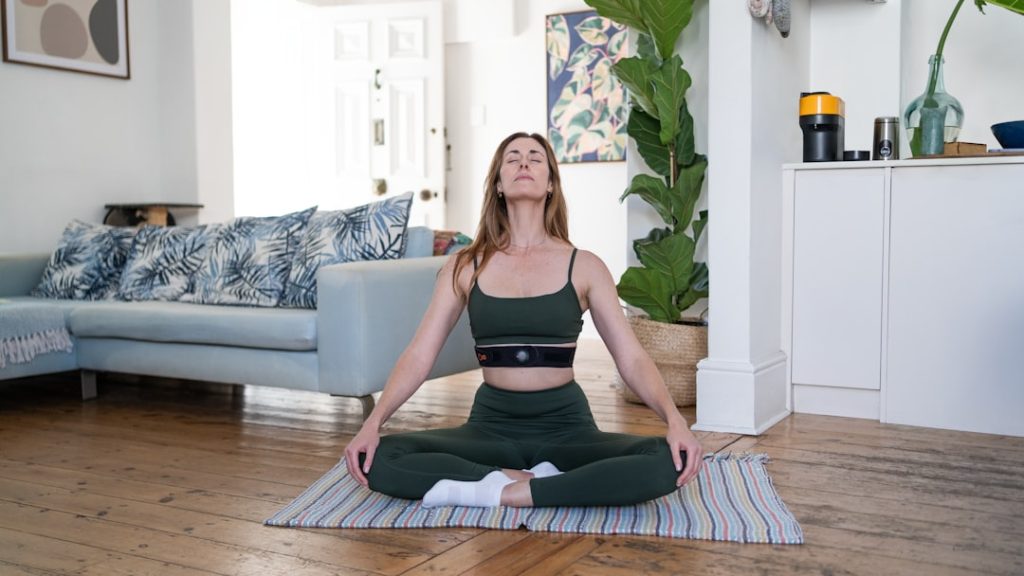
Understanding When Distraction Becomes a Healthy Coping Tool
When is distraction a healthy stress management technique? Distraction serves as a healthy stress management tool when it provides temporary relief from overwhelming emotions while maintaining the intention to address underlying issues later. Unlike avoidance, healthy distraction creates mental space for emotional regulation without permanently escaping from problems.
Healthy distraction is appropriate when:
- An individual is experiencing overwhelming emotions that impair clear thinking
- Intense cravings threaten recovery progress
- Acute stress triggers the fight-or-flight response
- There is a need to prevent destructive thought spirals
- The situation is temporarily uncontrollable
Distraction becomes unhealthy when:
- It permanently replaces problem-solving
- It is used to avoid all uncomfortable emotions
- It involves harmful behaviours like excessive drinking
- It prevents the processing of necessary grief or trauma
- It is relied upon as the sole coping mechanism
Research shows that individuals who combine distraction with active acceptance experience significantly better emotional wellbeing and higher life quality compared to those who use distraction to avoid thoughts entirely. The key difference lies in the intention and willingness to eventually return to address the underlying stressor.
For individuals in alcohol recovery, healthy distraction can be particularly valuable during intense cravings or emotional triggers. Rather than turning to substances, engaging in purposeful activities such as walking, contacting a friend, or practising breathing exercises provides the nervous system time to regulate while maintaining a commitment to sobriety.
The effective use of healthy distraction requires self-awareness and practice. It is about providing the mind a strategic break, not a permanent escape route.
The Risks of Chronic Avoidance
While the desire to escape distressing emotions is understandable, chronic avoidance poses significant risks to mental and emotional wellbeing.
Impact on Mental Health
Consistently suppressing uncomfortable feelings or situations prevents effective emotional processing. This can lead to an accumulation of unaddressed stress, which may manifest as increased anxiety or depression.
Research indicates that significant patterns of avoidance often coincide with mental health conditions such as mood disorders, anxiety disorders, post-traumatic stress disorder (PTSD), obsessive-compulsive disorder (OCD), eating disorders, and substance use disorders. For individuals in recovery, avoidance can be particularly perilous, as it often perpetuates the issues that initiated the recovery process. This can result in a cycle where avoidance itself becomes a source of further distress, hindering genuine healing.
Impact on Relationships and Personal Growth
Furthermore, chronic avoidance can negatively affect interpersonal relationships by preventing authentic engagement or constructive conflict resolution. It can also impede personal growth by inhibiting the development of valuable coping skills and resilience.
For more information on the interplay between stress and addiction, please visit our page on Stress and Alcohol Addiction.
The Goal of Healthy Distraction
The primary goal of healthy distraction is not to ignore problems permanently but to provide a temporary respite. It serves as a valuable tool for emotional regulation and distress tolerance, enabling an individual to manage overwhelming feelings in the moment. By intentionally shifting focus, mental space is created, which can prevent harmful rumination or thought spirals that often accompany intense stress.
This strategic break allows the nervous system to regulate, moving away from the acute fight-or-flight response. Once in a more regulated state, an individual is better equipped to return to the underlying issue with a clearer mind and a more rational perspective. Healthy distraction empowers an individual to regain control, making it possible to address challenges effectively rather than being consumed by them. It is a pause that enables progress.
To understand how emotional regulation contributes to long-term wellbeing, explore our resources on Emotional Sobriety.
Defining Healthy Distraction as a Stress Management Technique
The Role of Strategic Distraction
In moments of acute emotional distress, such as intense anxiety or overwhelming cravings, cognitive function can become impaired. Healthy distraction serves as a strategic intervention in these situations, providing a temporary pause to restore emotional equilibrium.
This technique is not a method of permanent problem avoidance. Instead, it involves creating the necessary mental space to de-escalate intense emotional states, allowing for more rational and effective problem-solving at a later time.
Appropriate Applications for Distraction
Distraction is a valuable stress management tool under specific circumstances, including:
- The experience of overwhelming emotions that impair judgment.
- The presence of intense cravings that threaten recovery progress.
- The activation of the physiological fight-or-flight response.
- The need to interrupt destructive negative thought spirals.
- The confrontation with situations that are beyond immediate control.
Managing Overwhelming Emotions with Distraction
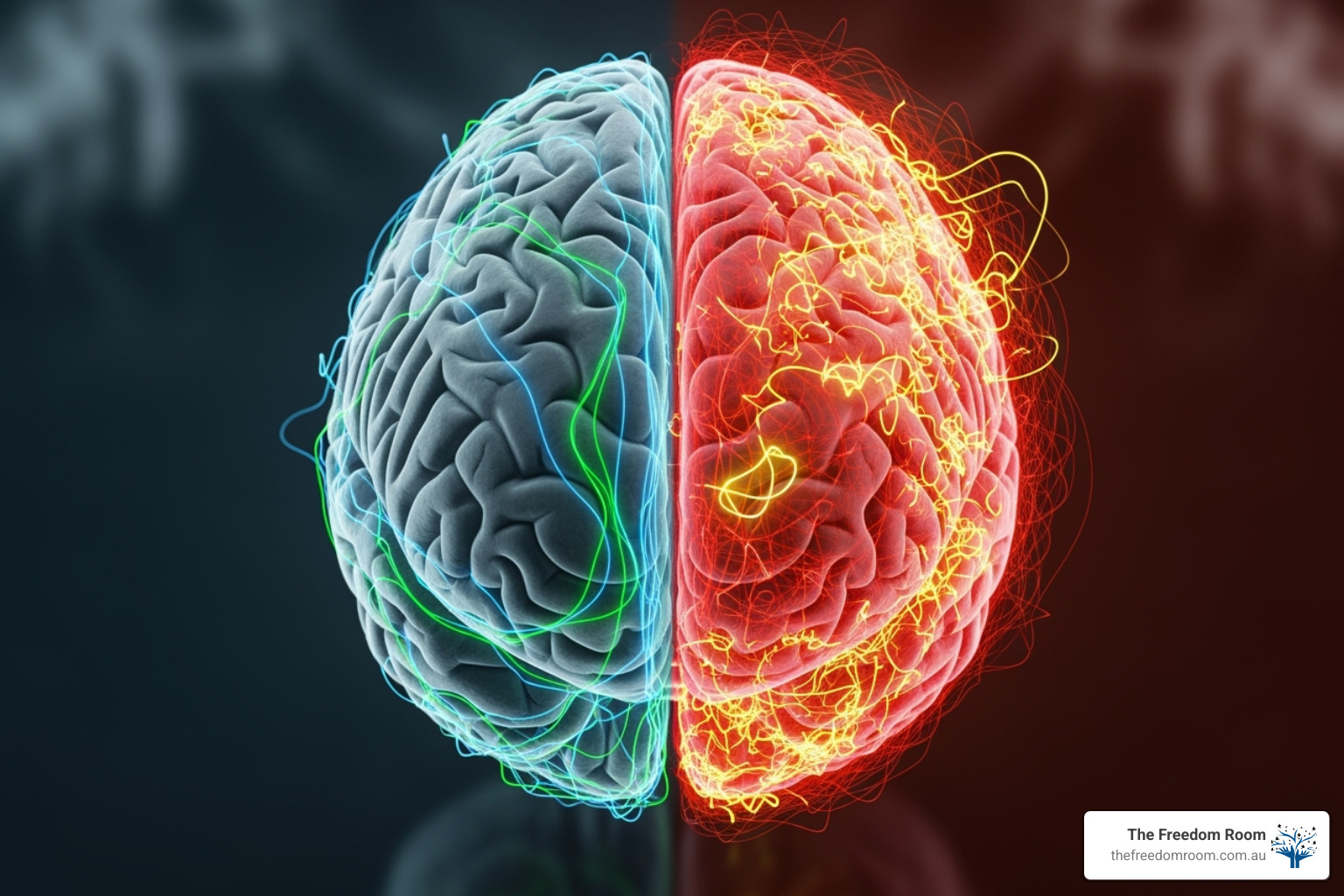
During periods of high stress, such as acute anxiety episodes or panic attacks, rational thought processes can be significantly compromised as the brain’s emotional centers become hyperactive. In such states, attempting to logically address the source of distress is often ineffective.
This is a primary scenario where distraction becomes a healthy stress management technique. By intentionally shifting one’s attention, an individual can create the necessary interval for the nervous system to regulate. This process is not about permanent emotional suppression but about establishing sufficient psychological distance to approach the triggering issue from a more balanced and composed state later. It functions as a form of emotional first aid, allowing for a necessary pause before engaging in more complex emotional processing.
For practical strategies to manage these intense moments, explore our comprehensive guide on Anxiety Relief.
The Efficacy of Combining Distraction with Acceptance
Research indicates that the most effective application of distraction involves pairing it with active acceptance, a practice that yields superior outcomes compared to using distraction for pure avoidance.
Defining Active Acceptance
Active acceptance involves acknowledging the presence of difficult emotions or thoughts without judgment or resistance. It is the cognitive shift from resisting a feeling (e.g., “I should not feel this way”) to observing it neutrally (e.g., “I am noticing a feeling of anxiety, and I will allow it to be present while I engage in a calming activity”).
Research Findings
Studies have demonstrated that individuals who combine distraction with active acceptance report significantly higher positive emotions, lower negative emotions, and better overall quality of life. This cohort is also less likely to develop clinical mental health conditions compared to those who use distraction solely to suppress thoughts.
This approach is effective because accepting uncomfortable feelings as a normal aspect of human experience reduces their psychological power. The subsequent use of distraction then becomes a compassionate, self-regulatory choice rather than a desperate act of escape. This methodology aligns with mindfulness principles, which are particularly valuable in recovery contexts.
You can explore how this applies specifically to alcohol recovery through our detailed guide on Mindfulness for Alcohol Recovery.
For those interested in the science behind these findings, the research on emotion regulation strategies provides compelling evidence for this balanced approach to managing difficult emotions.
A Practical Guide to Healthy Distraction Techniques
Developing a personalized set of healthy distraction techniques is a foundational component of emotional self-regulation. The most effective strategy involves selecting techniques that are appropriate for the intensity of the emotion and the nature of the stressor. A diverse range of strategies ensures that an appropriate tool is available for various situations.
The selected techniques should effectively engage cognitive and physical faculties to provide genuine mental relief without inducing secondary stress or guilt. These methods function as emotional ‘circuit breakers,’ allowing an overwhelmed nervous system an opportunity to reset.

Mindful and Sensory Distractions
These techniques anchor an individual in the present moment by engaging the senses, redirecting focus away from distressing thoughts. They are highly accessible as they require no special equipment.
Grounding (5-4-3-2-1 Method)
The 5-4-3-2-1 method invites an individual to identify five things that can be seen, four things that can be touched, three things that can be heard, two things that can be smelled, and one thing that can be tasted. This exercise directs attention to the immediate environment.
Mindful Breathing
This technique involves focusing on a controlled breathing pattern, such as inhaling for a count of four, holding for four, and exhaling for four. Concentrating on the physical sensation of breath helps to regulate the nervous system.
Listening to Calming Music
Listening to instrumental or ambient music can shift the mind to a more peaceful state. The focus should be entirely on the melodies, rhythms, and textures of the music.
Sensory Observation
Engaging all five senses through detailed observation helps to ground an individual in reality. For example, one might describe the surroundings in detail: “This bench is red, while the one over there is green. It feels warm from the sun. The surface is rough, but without splinters.”
Anchoring Phrases
Reciting factual details provides structure when thoughts feel scattered. An example is to mentally state one’s full name, age, location, and the current date and time. This practice strengthens the connection to the present moment.
Emotional Freedom Techniques (EFT)
EFT, or tapping, involves gently tapping on specific acupressure points while focusing on a distressing thought. This process sends a calming signal to the amygdala—the brain’s alarm system—which helps disrupt the stress response pathway and return the nervous system to a more balanced state.
Learn more about the benefits of this technique on our page about the Emotional Freedom Technique.
Active and Physical Distractions
Physical movement is a powerful stress reliever as it increases the production of endorphins and other neurochemicals that improve wellbeing. These techniques are particularly effective for managing restlessness or nervous energy.
Walking or Jogging
Even brief periods of walking or jogging can significantly reduce tension. Research indicates notable stress reduction after short walks, as the rhythmic movement and fresh air can lift mood.
Gardening
This activity connects an individual with nature while providing tangible results. The physical act of tending to plants can be meditative and offers a productive channel for anxious energy.
Cleaning or Organising
Creating order in one’s physical environment can instill a sense of control and accomplishment, which can help to settle internal chaos.
Stretching or Yoga
These practices release physical tension that often accompanies emotional stress. They redirect focus to the body’s movements and sensations, allowing mental irritations to fade.
Physical Release
Safely releasing physical tension through activities such as using a punching bag, squeezing ice cubes, or stomping one’s feet can help discharge pent-up energy that might otherwise fuel anxiety or anger.
Cognitive and Creative Distractions
These techniques engage the mind constructively, redirecting mental energy toward problem-solving or creative expression. They are effective for breaking cycles of worry or rumination.
Puzzles and Mental Challenges
Solving puzzles—such as jigsaws, crosswords, or Sudoku—or engaging in mental challenges like counting backwards from 100 by sevens requires focused attention, which can displace anxious thoughts.
Reading
Immersing oneself in a book allows for an escape into different narratives or the acquisition of new information, providing the mind with a structured break from stressors.
Learning a New Skill
Acquiring a new skill, such as playing a musical instrument or learning a language, demands concentration and offers the satisfaction of personal growth, leaving little cognitive space for stress.
Doodling or Colouring
These activities can be highly absorbing and meditative, allowing the mind to engage creatively without dwelling on problems.
Journaling
Writing in a journal provides an outlet for expressing thoughts and feelings without judgment, serving as both a tool for self-reflection and a method for offloading overwhelming mental burdens.
Memory and Categorisation Games
Challenging the mind with games, such as mentally listing items within a category (e.g., musical instruments) or attempting to recreate a detailed image from memory, can be an effective distraction.
Recitation
Reciting known poems, songs, or meaningful passages focuses attention on familiar words rather than on distressing thoughts.
Find the therapeutic power of putting pen to paper by exploring The Healing Power of Journalling.
Effective Application of Distraction and the Avoidance of Maladaptive Patterns
The effective use of distraction for stress management requires a strategic approach. The objective is to employ distraction as a beneficial, temporary pause, rather than allowing it to devolve into unhealthy avoidance or procrastination. The focus should be on fostering resilience through intentional, incremental steps.
For more insights into developing effective coping strategies, you might find our page on Coping Skills to Prevent Relapse very helpful.
Differentiating Healthy Distraction from Problematic Avoidance
The distinction between helpful distraction and problematic avoidance can be subtle. To determine whether distraction is being used as a healthy technique, it is useful to evaluate the practice against several key criteria:
- Time Limitation: Healthy distraction is temporary and time-bound, with a clear intention to return to the stressor. In contrast, avoidance often lacks a defined endpoint.
- Motivation: The motivation for healthy distraction is to regain composure and regulate the nervous system to address an issue more effectively. The motivation for avoidance is to permanently escape an uncomfortable feeling or responsibility.
- Outcome: A healthy distraction should result in a feeling of being refreshed and more capable of re-engaging with challenges. Conversely, avoidance typically leads to increased guilt, anxiety, and an accumulation of unresolved problems. A healthy distraction should facilitate engagement with important life values, not detract from them.
- Plan for Re-engagement: Following a period of healthy distraction, there should be a plan to address the original stressor. Avoidance lacks this component of resolution.
Developing a Personal Distraction Plan
A pre-prepared, personalized distraction plan is a valuable asset, particularly during moments of acute stress or intense cravings when clear thinking is difficult. This plan functions as a readily accessible cognitive toolkit.
Steps for Creating a Plan:
- Identify Triggers: The first step is to identify the specific situations, thoughts, or emotions that typically lead to overwhelming stress or the urge to avoid. This self-awareness is foundational to gaining control.
- Compile Effective Activities: From the techniques previously discussed, select 5-10 activities that are personally resonant and suitable for use during periods of distress. The list should be specific.
- Ensure Accessibility: The list should be recorded and kept in an easily accessible format, such as on a physical card or a digital note, for reference during moments of high stress.
- Practice Regularly: Like any skill, the effectiveness of healthy distraction is improved through regular practice. Engaging in these techniques during periods of calm builds proficiency and automaticity, ensuring they are available and effective when most needed.
For structured approaches to managing thoughts and behaviours, explore our insights on CBT Techniques for Addiction.
Frequently Asked Questions about Healthy Distraction
Can distraction make my anxiety worse?
Yes, distraction can exacerbate anxiety if it becomes a form of maladaptive avoidance. When distraction is used to perpetually suppress emotions or indefinitely postpone addressing underlying issues, it can, over time, lead to increased anxiety, guilt, and depression. The critical distinction lies in the intention and the commitment to eventually process the stressor. Healthy distraction provides a temporary break to regulate emotions, allowing an individual to return to the issue with greater clarity and calm.
How is healthy distraction different from procrastination?
Procrastination is the avoidance of a specific task or responsibility, which typically leads to increased stress and negative consequences as problems escalate. It is a form of avoidance where one postpones necessary actions. Healthy distraction, in contrast, is a conscious, temporary shift of attention away from an overwhelming emotional state. Its purpose is to facilitate emotional regulation, with the clear intention of returning to the stressor or task when one is better equipped to handle it.
What if these distraction techniques don’t work for me?
The efficacy of distraction techniques can vary between individuals and situations. If a particular technique does not provide relief, it is advisable to attempt an alternative method. The process may require some experimentation to identify the most effective strategies for an individual. If self-help distraction techniques are consistently insufficient, or in cases of severe anxiety, depression, or unmanageable cravings, seeking professional support is recommended. Recognizing the need for additional help is a crucial step in managing one’s wellbeing.
Professional Support for Lasting Recovery
Understanding when distraction functions as a healthy stress management technique is a critical skill for managing stress and supporting a recovery journey. When used mindfully and with clear intention, healthy distraction is a vital tool for emotional regulation, offering a necessary respite from overwhelming feelings. However, it is one component of a comprehensive approach to overall wellbeing.
At The Freedom Room Wellness and Recovery, professional support is available for individuals navigating the challenges of stress and addiction. The team consists of experienced professionals, including many with personal recovery experience, offering authentic and empathetic support. Care is personalized to meet the unique needs of each client.
A safe and empathetic environment is provided for clients to explore healthy coping mechanisms, including innovative tools such as Emotional Freedom Techniques (EFT). EFT is used to help process emotions and build lasting resilience. The services are designed to help clients build a strong foundation for a durable, alcohol-free future.
For individuals seeking to develop more effective coping strategies, manage stress, or advance their recovery with professional guidance, support is available. Taking the step to seek professional help is an indication of commitment to a healthier life.
Find more about how we can support you through our services: our addiction counselling services.