

Over time, heavy alcohol consumption inflames the small intestine’s mucosal lining, damages the microscopic villi that absorb nutrients, and weakens the protective barrier that keeps harmful substances out of systemic circulation. It also disrupts the delicate equilibrium of the intestinal microbiome. While these physiological impacts vary between individuals, they collectively lead to malabsorption, chronic gastrointestinal distress, and heightened systemic inflammation.
The small intestine absorbs about 80 percent of consumed ethanol, making it especially vulnerable to cellular stress and structural damage. Understanding how prolonged exposure alters intestinal histology helps individuals identify emerging digestive symptoms and seek appropriate clinical care. According to the Australian Institute of Health and Welfare, alcohol consumption is widespread across Australia, and chronic intake carries significant risks for both digestive and whole-body health. For individuals assessing their relationship with drinking, exploring alcohol use disorder treatment options provides a compassionate starting point for sustainable recovery.
Alcohol intake affects multiple interconnected organ systems beyond the gastrointestinal tract:
- Exploring the long term effects of alcohol on the immune system illustrates how mucosal breakdown impairs broader immune defences.
- Reviewing the long term effects of alcohol on the heart clarifies cardiovascular vulnerabilities tied to chronic drinking.
- Examining the long term effects of alcohol on the brain highlights the neurological consequences of prolonged ethanol exposure.
At The Freedom Room Wellness and Recovery, our team brings lived experience alongside evidence-based therapeutic expertise. We offer clear, professional guidance to help you navigate physical healing, restore gastrointestinal balance, and make informed choices for lasting wellbeing.
Key Takeaways
- Chronic alcohol exposure directly alters the microscopic architecture of the small intestine, causing villus blunting, epithelial cell loss, and reduced surface area for nutrient absorption.
- Local metabolism of ethanol generates oxidative stress and reactive oxygen species, degrading tight junction proteins and leading to intestinal hyperpermeability (leaky gut).
- Alcohol-related dysbiosis reduces beneficial, short-chain fatty acid-producing bacteria while promoting pro-inflammatory microbes, compromising antimicrobial peptide production.
- Increased mucosal permeability enables bacterial toxins like lipopolysaccharide to enter the portal bloodstream, driving sustained inflammation across the gut-liver axis.
- The intestinal epithelium retains a strong capacity for regeneration; cellular healing begins when alcohol exposure ceases, supported by balanced nutrition and professional medical guidance.
Long Term Effects of Alcohol on the Small Intestine and Mucosal Integrity
The small intestine assimilates essential nutrients while providing a physical barrier against pathogens and luminal toxins. The duodenum and jejunum absorb most ingested alcohol and experience direct mucosal exposure. Prolonged drinking compromises this tissue through structural erosion, oxidative stress, and chronic inflammation.
When exploring what alcohol really does to your body, intestinal health is often overlooked compared to liver health, yet gut barrier breakdown actively drives hepatic and systemic pathology. Published scientific research on small intestine histopathology shows that sustained alcohol intake triggers progressive structural degradation across intestinal tissue layers.
Histomorphometric Damage and Long Term Effects of Alcohol on the Small Intestine
Microscopically, chronic alcohol exposure alters the architecture of the small intestinal mucosa. Specialised villi and microvilli maximise the surface area available for enzymatic digestion and nutrient uptake. Alcohol-induced cellular stress disrupts this structure, causing measurable physiological changes throughout the digestive tract.
Clinical evaluations reveal consistent histomorphological changes:
- Villus degeneration and blunting: Villus height and density decrease, reducing absorptive surface area and contributing to persistent nutrient malabsorption.
- Lamina propria infiltration: Sustained exposure promotes inflammatory cell infiltration within the lamina propria, including mononuclear leukocytes and plasma cells.
- Epithelial erosion: Enterocyte shedding outpaces crypt cell renewal, leaving mucosal basement membranes denuded.
- Microvillus loss: The brush border becomes irregular, diminishing disaccharidase and peptidase enzyme activity required for carbohydrate and protein breakdown.
| Mucosal Feature | Healthy Small Intestine | Chronic Ethanol Exposure | Functional Impact |
|---|---|---|---|
| Villus Architecture | Tall, slender, dense | Shortened, blunted | Reduced nutrient absorption area |
| Lamina Propria Cells | Balanced resident immune cells | Mononuclear cell infiltration | Sustained local inflammation |
| Enterocyte Turnover | Balanced crypt renewal | Premature shedding | Compromised barrier continuity |
| Brush Border Enzymes | Optimal enzymatic activity | Diminished activity | Impaired carbohydrate and protein digestion |
These disruptions explain why individuals experiencing physical dependence on alcohol frequently experience chronic diarrhoea, weight loss, and deficiencies in thiamine, folate, fat-soluble vitamins, and zinc.
Tight Junction Disruption and Enterocyte Oxidative Stress
The mucosal barrier relies on tight junctions composed of zonula occludens-1 (ZO-1), occludin, and claudin proteins. These complexes seal adjacent enterocytes together, permitting fluid uptake while preventing luminal toxins from entering underlying tissue.
Chronic drinking impairs these junctions through defined biochemical mechanisms:
- Local ethanol metabolism: Enterocytes express alcohol dehydrogenase and CYP2E1, converting ethanol into toxic acetaldehyde and reactive oxygen species.
- Protein redistribution: Acetaldehyde displaces ZO-1 and occludin away from cell junctions and into the cytoplasm.
- Mitochondrial dysfunction: CYP2E1 induction increases oxidative stress, causing lipid peroxidation and ATP depletion, depriving cells of energy needed to sustain barrier stability.
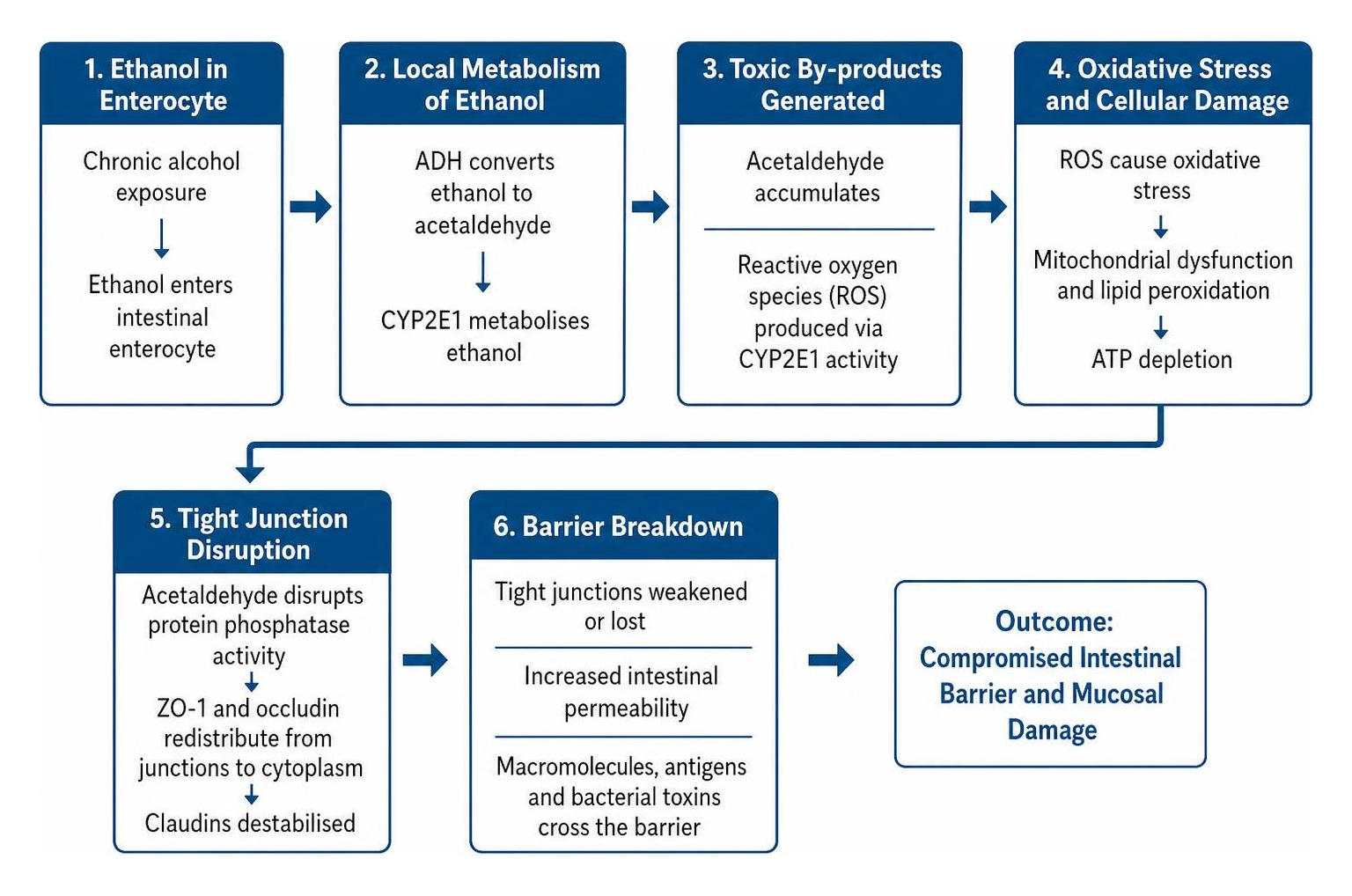
When oxidative stress overwhelms cellular defences, enterocyte seals fail, causing intestinal hyperpermeability that allows inflammatory molecules to enter deeper mucosal tissues.
Microbiome Dysbiosis, Gut-Liver Axis, and Immune Activation
Chronic alcohol intake severely disrupts the microbial composition of the small intestine:
- Taxonomic shifts: Beneficial commensals decline, while pro-inflammatory Proteobacteria proliferate.
- Short-chain fatty acid depletion: Loss of beneficial bacteria reduces butyrate and acetate production, depriving enterocytes of key metabolic fuel.
- Suppression of antimicrobial peptides: Ethanol downregulates Reg3gamma synthesis in Paneth cells, allowing bacteria direct contact with epithelial surfaces.
When barrier integrity fails, bacterial lipopolysaccharide (LPS) translocates into portal circulation, as outlined in our guide to the physical effects of alcohol. Upon reaching the liver, LPS activates Toll-like receptor 4 on Kupffer cells, accelerating hepatic inflammation. Additional insights into how alcohol impairs mucosal immunity detail these systemic immunological consequences across the gut-liver axis.
Restoring Small Intestinal Health and Cellular Recovery
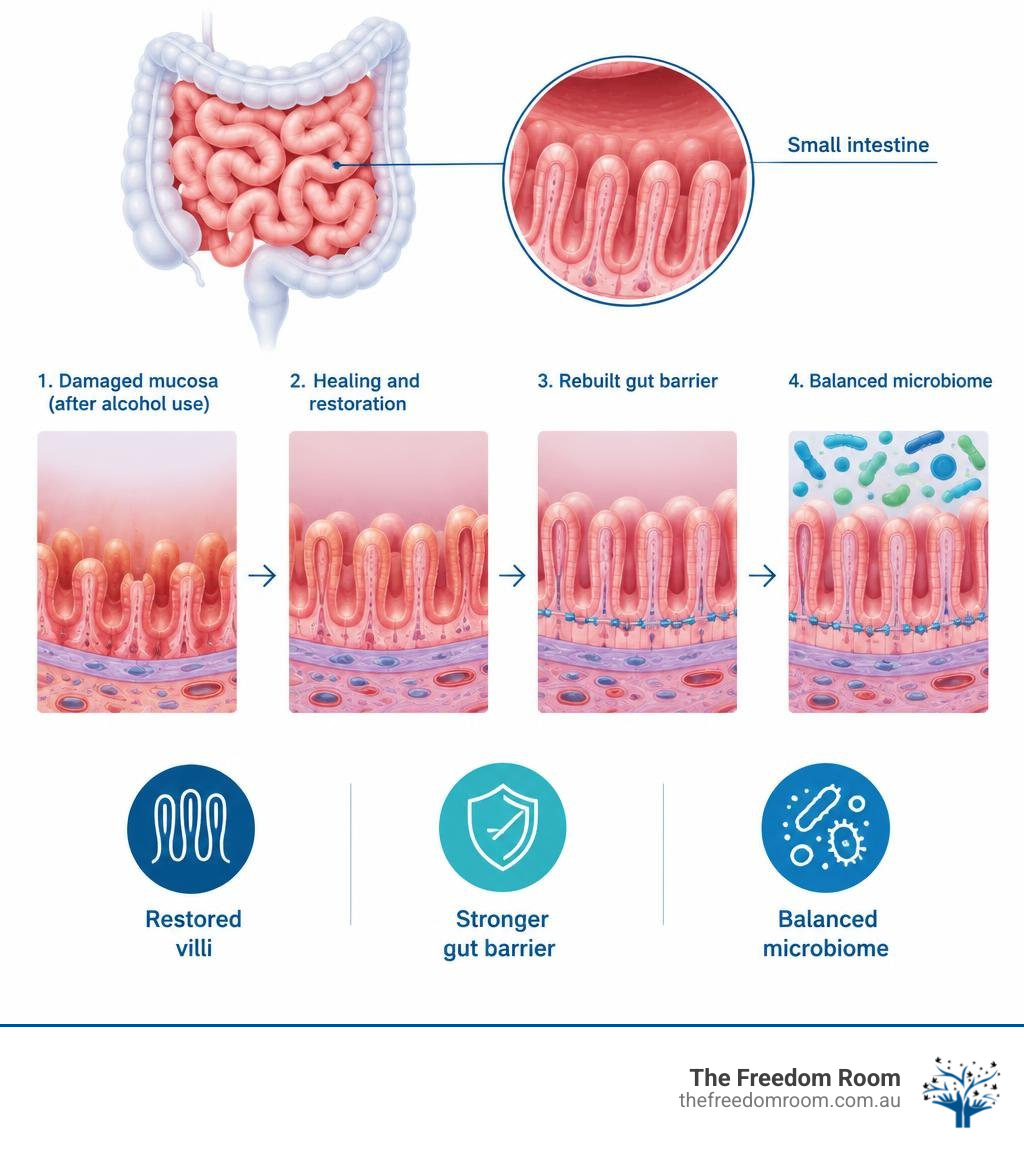
The small intestinal epithelium possesses strong regenerative capacity, renewing itself every few days through stem cell division within the crypts of Lieberkuhn. When alcohol exposure ceases, mucosal healing begins promptly through epithelial restitution, where surviving enterocytes migrate across damaged basement membranes as tight junction proteins reorganise.
When exploring whether the physical effects of chronic drinking can be reversed, intestinal permeability markers and mucosal inflammation typically stabilise within weeks of abstinence alongside balanced nutrition. Over time, cellular renewal restores the absorptive villus surface area necessary for optimal nutrient uptake.
Targeted Nutritional Strategies for Small Intestinal Recovery
Ceasing alcohol intake is essential for mucosal repair, and targeted nutritional strategies provide complementary physiological support. Any supplementation should be discussed with an accredited dietitian or medical professional:
- Zinc supplementation: Zinc supports enterocyte membrane stability and tight junction assembly, replenishing stores depleted by alcohol-induced urinary loss.
- Prebiotic soluble fibre: Soluble fibres from oats, legumes, and resistant starches foster beneficial commensal bacteria, stimulating short-chain fatty acid synthesis.
- Targeted probiotic strains: Strains such as Lactobacillus rhamnosus GG support mucosal barrier function and attenuate circulating endotoxemia.
- Cellular antioxidant support: Diets rich in polyphenols and niacin precursors aid in restoring cellular redox equilibrium and mitochondrial function.
- Circadian and sleep regularity: Consistent sleep schedules support the rhythmic expression of intestinal clock genes regulating permeability.
- Dietary fat moderation: Avoiding excessively high-fat meals prevents delayed gastric emptying and reduces mucosal exposure to biliary irritation.
These nutritional interventions serve as practical supportive strategies and should always accompany professional care.
Clinical Support and Safe Recovery Pathways
Restoring digestive health requires structured lifestyle modifications and careful planning. For individuals experiencing physical alcohol dependence, stopping drinking abruptly without clinical oversight carries substantial health risks. Withdrawal severity varies considerably based on individual physiology, drinking patterns, and overall health status, meaning that no single timeline fits every individual. A qualified medical practitioner should evaluate whether medically supervised withdrawal is necessary.
At The Freedom Room Wellness and Recovery, we provide compassionate, evidence-based care tailored to your unique circumstances. Our team pairs lived recovery experience with clinical methodologies to support your healing journey. Explore our structured individualised alcohol use disorder treatment options to begin restoring your digestive wellbeing and overall health.
Ready for Change? Let’s Build a Stronger, Alcohol-Free Future Together
Rebuilding your physical health and restoring digestive wellbeing begins with compassionate, evidence-based guidance. At The Freedom Room Wellness and Recovery, our lived-experience team understands the complexities of problematic drinking, and we are committed to supporting your recovery journey with dignity, respect, and personalised care.
You can explore our comprehensive programs, workshops, and supportive therapies by reviewing Our Services. For dedicated psychological care and evidence-based coping strategies, our specialised addiction counselling services offer practical tools designed for lasting lifestyle change and holistic wellness.
If you are ready to take the next step toward intestinal healing and holistic health, please Contact Us today. You are welcome to visit our team in person at 9a/521 Beams Rd, Carseldine QLD 4034, or connect with us online to discuss your path forward.
Frequently Asked Questions
How long does it take for the small intestine to heal after stopping alcohol?
The small intestinal epithelium renews rapidly, replacing cells every few days. Initial mucosal repair begins within days to weeks of stopping alcohol. Complete restoration of tight junction integrity, microvilli structure, and a balanced microbiome generally takes several weeks to months, supported by adequate nutrition.
What are the main symptoms of alcohol-related small intestinal damage?
Common symptoms include frequent loose stools, abdominal cramping, bloating, nausea, and unintended weight loss. Impaired nutrient absorption can also cause vitamin and mineral deficiencies, leading to ongoing fatigue, cognitive fog, and muscle weakness.
Can moderate drinking damage the small intestinal lining?
While severe villus blunting is linked with heavy alcohol use, even moderate drinking can cause temporary increases in intestinal permeability. Susceptibility depends on genetics, nutrition, and baseline microbiome health.
Why does alcohol cause intestinal hyperpermeability?
Alcohol and acetaldehyde induce oxidative stress and CYP2E1 activity within enterocytes. This oxidative injury damages cellular membranes and degrades tight junction proteins like ZO-1 and occludin, allowing bacterial endotoxins to enter the bloodstream.
Should I take probiotics during recovery from alcohol-related gut issues?
Certain strains, including Lactobacillus rhamnosus GG, have demonstrated benefits in supporting mucosal barrier function. However, always consult a healthcare professional before starting supplements to ensure they suit your health needs.