
Key Takeaways
A practical anxiety reduction technique interrupts spiralling thoughts early by shifting attention to physical senses and regulating the breath. When an acute stress response triggers intense worry, the amygdala signals high alert, creating a cascade of physiological arousal such as a racing heart, shallow breathing, muscle tightness, and rapid thoughts. Learning how to settle the nervous system using evidence-based tools makes it possible to interrupt that cycle safely and reliably. Understanding how your body reacts to perceived threats provides clarity and removes the fear of panic symptoms. Developing reliable somatic skills helps individuals regain agency during acute stress episodes without relying on avoidant coping mechanisms.
At The Freedom Room, our team brings lived experience in recovery alongside professional expertise. We understand how vulnerable these sensations feel, and we know that steady, practical support creates meaningful, lasting change across everyday life.
- Sensory grounding interrupts rapid, unhelpful thoughts by redirecting cognitive focus to immediate physical surroundings.
- Controlled breathing patterns stimulate the vagus nerve and encourage parasympathetic nervous system activation.
- Progressive muscle relaxation systematically releases neuromuscular tension, reducing overall physiological arousal.
- Combining heart rate variability training with compassionate self-talk improves long-term autonomic flexibility.
- Complementary grounding tools work best alongside structured support, healthy lifestyle habits, and professional guidance.
Evidence-Based Anxiety Reduction Technique Practices for Daily Stability
When stress escalates, the sympathetic nervous system shifts into overdrive, preparing the body for a fight or flight response. Adrenaline and cortisol surge through the bloodstream, elevating heart rate, blood pressure, and muscle tension. Psychological stressors often trigger this same physical cascade. Grounding strategies encourage parasympathetic activation, helping the body return to baseline equilibrium. Applying a structured anxiety reduction technique can disrupt physical agitation before it turns into panic.
| Technique | Average Onset Time | Primary Mechanism | Ideal Context |
|---|---|---|---|
| 5-4-3-2-1 Sensory Grounding | 1 to 3 minutes | Sensory reorientation | Sudden mental spirals or environmental overwhelm |
| Slow Paced Breathing | 2 to 5 minutes | Vagal nerve stimulation | Elevated heart rate, anticipatory worry, or general tension |
| Progressive Muscle Relaxation | 10 to 15 minutes | Neuromuscular release | Physical tension, restlessness, or before sleep |
| STOPP Framework | 3 to 5 minutes | Cognitive restructuring | Impulsive emotional reactions or stressful conversations |
Sensory 5-4-3-2-1 Anxiety Reduction Technique for Mental Grounding
When your mind races with distressing scenarios, sensory grounding brings focus back to tangible reality. Following the 5-4-3-2-1 grounding method engages all five senses to interrupt intrusive thoughts:
- Five things you can see: Name five objects around you, noticing colours, shapes, or shadows.
- Four things you can feel: Notice four sensations, such as clothing texture, the floor underfoot, or cool air.
- Three things you can hear: Listen for three distinct sounds, like distant traffic, birds, or appliance hums.
- Two things you can smell: Identify two scents in your environment, such as coffee or fresh air.
- One thing you can taste: Focus on a single taste, like lingering tea, mint, or water.
Anchoring awareness in observable stimuli helps your brain recognise safety, interrupting hypervigilance and allowing your heart rate to settle steadily.
Breathwork and Somatic Anxiety Reduction Technique Protocols
Shallow thoracic breathing often accompanies acute stress, signalling danger to the brain and sustaining hyperventilation patterns. Rapid upper chest respiration expels excessive carbon dioxide, which can produce lightheadedness, tingling, and heightened fear. Diaphragmatic breathing reverses this response by expanding the abdomen on inhalation and stimulating vagal tone.
A study in Scientific Reports highlighted the effect of slow breathing in regulating anxiety, demonstrating that paced breathing at roughly six breaths per minute lowers subjective arousal and increases heart rate variability. Practising structured breathing exercises for emotional regulation allows you to reset your physical baseline and restore autonomic equilibrium.
One effective protocol is the 4-7-8 method:
- Inhale quietly through your nose into the abdomen for a count of 4.
- Hold your breath gently without straining for a count of 7.
- Exhale through your mouth with a soft whooshing sound for a count of 8.
- Repeat 3 to 4 times to downregulate autonomic arousal.
Another practical somatic tool is the physiological sigh. Take two quick inhales through the nose without pausing, followed by a long, relaxed exhale through the mouth. Performing two or three consecutive physiological sighs reopens collapsed alveoli and rebalances oxygen and carbon dioxide ratios, triggering parasympathetic deceleration.
Cognitive Grounding and Progressive Muscle Relaxation
Mental spirals thrive on unchecked assumptions and cognitive distortions. Cognitive grounding helps you step back from unhelpful interpretations and regain clarity. The STOPP framework offers a clear structure:
- S (Stop): Pause immediately when you notice rising worry or racing thoughts.
- T (Take a breath): Take a slow, diaphragmatic breath to stabilise physical arousal.
- O (Observe): Notice what you are thinking and feeling without self-judgement, asking whether these thoughts are facts or temporary opinions.
- P (Proceed mindfully): Consider the most constructive, values-aligned response rather than reacting instinctively.
- P (Practice what works): Focus your energy on actionable steps within your control while releasing uncontrollable outcomes.
Developing psychological flexibility through cognitive restructuring allows you to navigate distress without feeling dominated by it. Somatic practices like EFT tapping for beginners also pair focused physical touch on meridian points with calming affirmations to release lingering stress and somatic tension.
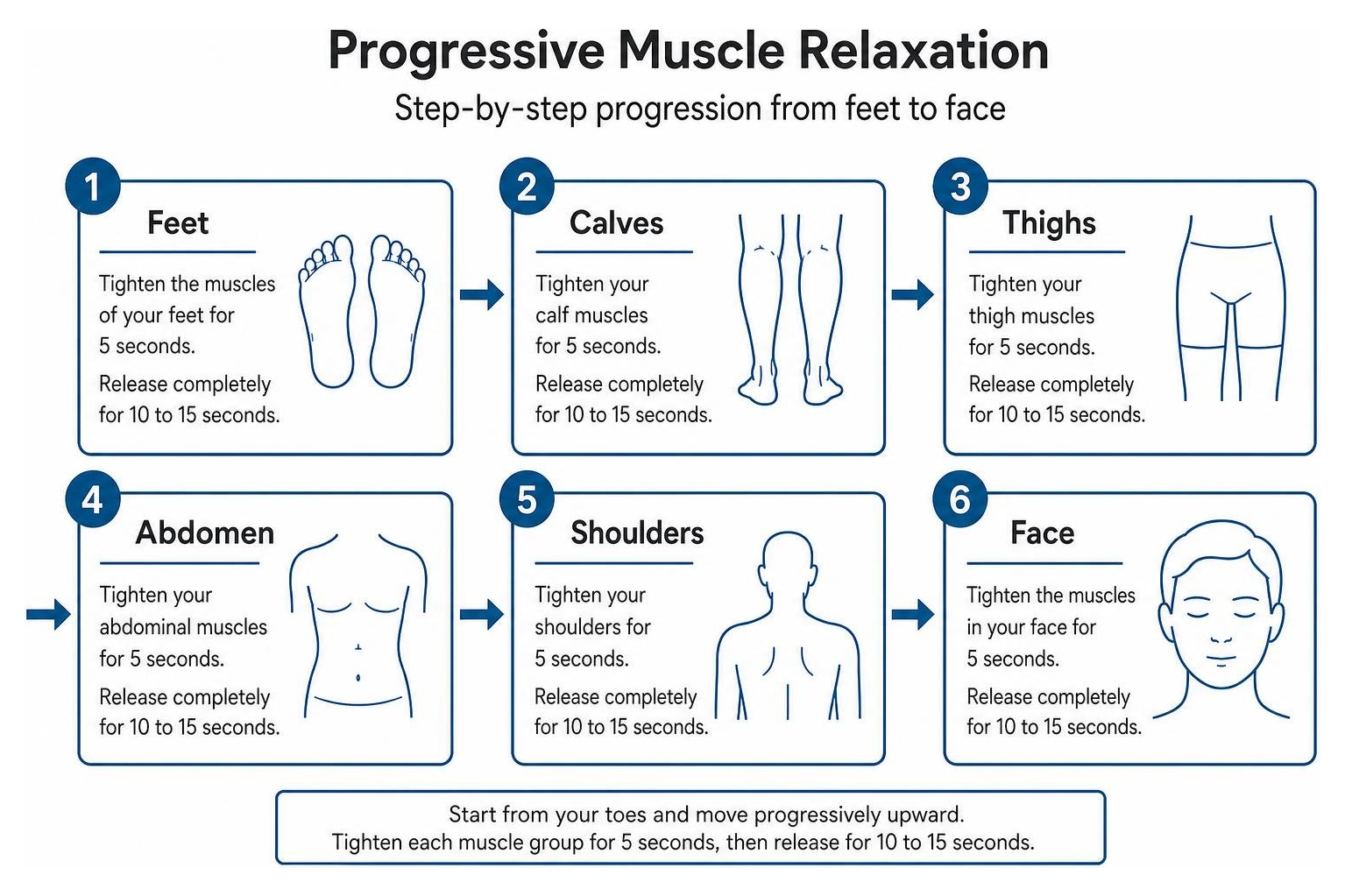
Progressive muscle relaxation addresses physical tension built up during high stress. Starting from your feet, tighten each muscle group for 5 seconds, then release completely for 10 to 15 seconds, moving upward through calves, thighs, abdomen, chest, shoulders, neck, and face.
Integrating Grounding Exercises into Sustainable Emotional Recovery
Grounding techniques offer valuable immediate relief, but long-term emotional stability grows from consistent daily habits. Regular physical activity, balanced nutrition, quality sleep, and supportive social connection all reduce baseline nervous system reactivity. Tracking emotional responses makes it easier to spot triggers early and apply practical coping tools before tension builds, supporting nervous system resilience against future distress.
Establishing regular check-in routines throughout the day reinforces calm neural pathways. Taking two minutes between daily tasks to practise slow diaphragmatic breathing or grounding your feet into the floor trains the nervous system to return to a restful state promptly. Over time, these small somatic practices compound, lowering resting cortisol levels and improving emotional regulation during challenging moments.
Heart Rate Variability Biofeedback and Autonomic Regulation
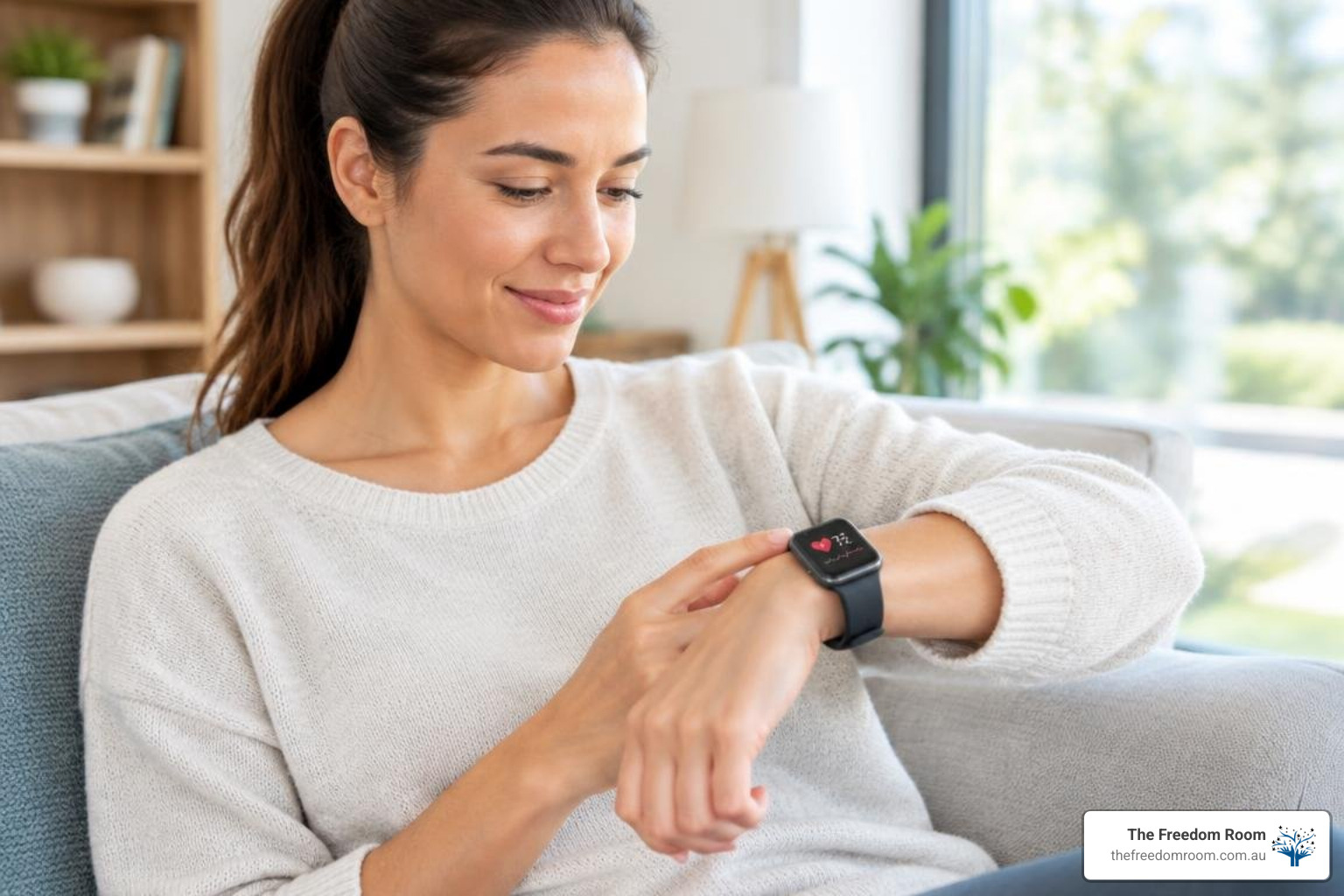
Heart rate variability (HRV) measures the variation in time between consecutive heartbeats. Higher HRV reflects healthy autonomic flexibility and strong parasympathetic regulation, meaning the body transitions smoothly between alertness and rest. Low HRV is frequently observed during chronic stress and emotional dysregulation.
Clinical research shows that integrating slow breathing with HRV biofeedback reduces state anxiety by 18.2% and trait anxiety by 11.5% in adults managing anxiety. Randomised controlled trials demonstrate that brief compassionate self-talk interventions significantly enhance high-frequency HRV during stress, supporting neurocardiac balance over time.
Personalised Relapse Prevention and Professional Support Pathways
While everyday worry is a common human experience, clinical anxiety disorders or panic attacks require structured care. A panic attack typically lasts between 5 and 20 minutes and, while distressing, is not physically harmful. If severe worry persists for months or complicates recovery, seeking professional guidance is an important next step.
According to data from the Australian Institute of Health and Welfare, alcohol consumption is frequently linked with mental health challenges across Australia. Alcohol is a central nervous system depressant that can temporarily numb anxiety while exacerbating rebound stress as it metabolises. This rebound effect can contribute to a cycle of heightened physical apprehension, sleep disruption, and autonomic instability.
If you or a loved one may be experiencing physical alcohol dependence, please seek appropriate medical guidance before changing drinking patterns suddenly, as withdrawal severity varies between individuals and professional support helps ensure safety throughout the process. Complementary strategies like Emotional Freedom Technique and cognitive therapies are valuable coping tools, but they should complement rather than replace qualified clinical treatment.
Ready for Change? Let’s Build a Stronger, Alcohol-Free Future Together
Learning to settle an anxious nervous system is an empowering part of building a balanced, fulfilling life. You do not have to navigate persistent worry or recovery alone. At The Freedom Room, our lived experience in recovery informs our compassionate, practical approach to holistic healing.
Explore our services to find a supportive option that matches your personal goals, including how EFT and cognitive behavioural therapy work together to address underlying emotional triggers and foster long-term resilience.
To discuss your situation or arrange an initial consultation at our clinic at 9a/521 Beams Rd, Carseldine QLD 4034 or online, please contact us today. We are here to walk alongside you every step of the way.
Frequently Asked Questions
What are the main differences between normal anxiety and a panic attack?
Everyday anxiety generally develops in response to a specific stressor and gradually subsides as the situation resolves. A panic attack involves a sudden surge of overwhelming fear that peaks quickly, usually lasting between 5 and 20 minutes, accompanied by intense physical symptoms like palpitations, trembling, dizziness, and shortness of breath.
How quickly can the 5-4-3-2-1 grounding technique reduce distress?
Most people notice a calming effect within 1 to 3 minutes. Identifying specific visual, tactile, auditory, olfactory, and taste cues rapidly redirects cognitive focus away from internal worry and back to the immediate environment, disrupting runaway stress signals.
Are natural grounding exercises safe for anyone experiencing anxiety?
Yes, non-invasive sensory, breathing, and grounding practices are safe for most individuals as complementary coping tools. However, they are not a substitute for professional care. If symptoms are severe, long-lasting, or linked with complex trauma or physical alcohol dependence, they should be used alongside qualified clinical support.
How does slow breathing improve heart rate variability?
Slow, rhythmic breathing at roughly 6 breaths per minute stimulates the vagus nerve and optimises baroreflex sensitivity. This signals the parasympathetic nervous system to slow heart rate and increase heart rate variability, helping the body shift smoothly from tension to calm.
When is it appropriate to seek professional treatment for anxiety?
Consult a doctor or mental health professional if anxiety symptoms persist for six months or more, interfere with daily functioning, lead to avoidance behaviours, or cause overwhelming physical distress.
If anxiety is tangled up with alcohol use, our team can help you explore how to manage anxiety during alcohol recovery safely and at your own pace.