

How Exercise Can Support Addiction Recovery
Exercising during recovery can support mood, stress management and daily routine, while providing a practical response to cravings. Regular, structured movement may help people rebuild confidence in their bodies and create steadier habits during recovery. Starting with manageable options such as walking or gentle bodyweight movement can make an active routine more sustainable, while hydration, nourishing food and rest support physical recovery.
Movement may also support the brain systems involved in reward, emotional regulation and stress adaptation, although individual responses vary across recovery. It works best as a complementary lifestyle approach alongside counselling, clinical care and peer support, rather than as a substitute for treatment. If a person has physical dependence on alcohol or acute withdrawal symptoms, medical guidance is important before starting or increasing exercise.
At The Freedom Room, many team members bring lived experience of recovery alongside compassionate, evidence-informed support. Rebuilding a fulfilling life can involve caring for both mental and physical health, with professional guidance tailored to each person’s circumstances.
Key Takeaways
- Physical activity can support emotional regulation, stress management and craving management.
- Regular movement may support brain health and help establish constructive daily routines.
- Walking, swimming and gentle strength exercises can offer accessible ways to get started.
- Enjoyable, moderate activity is usually more sustainable than exhausting workouts.
- Exercise complements medical care, psychological therapy and community support rather than replacing them.
The Neurobiology and Brain Health Benefits of Exercise in Recovery
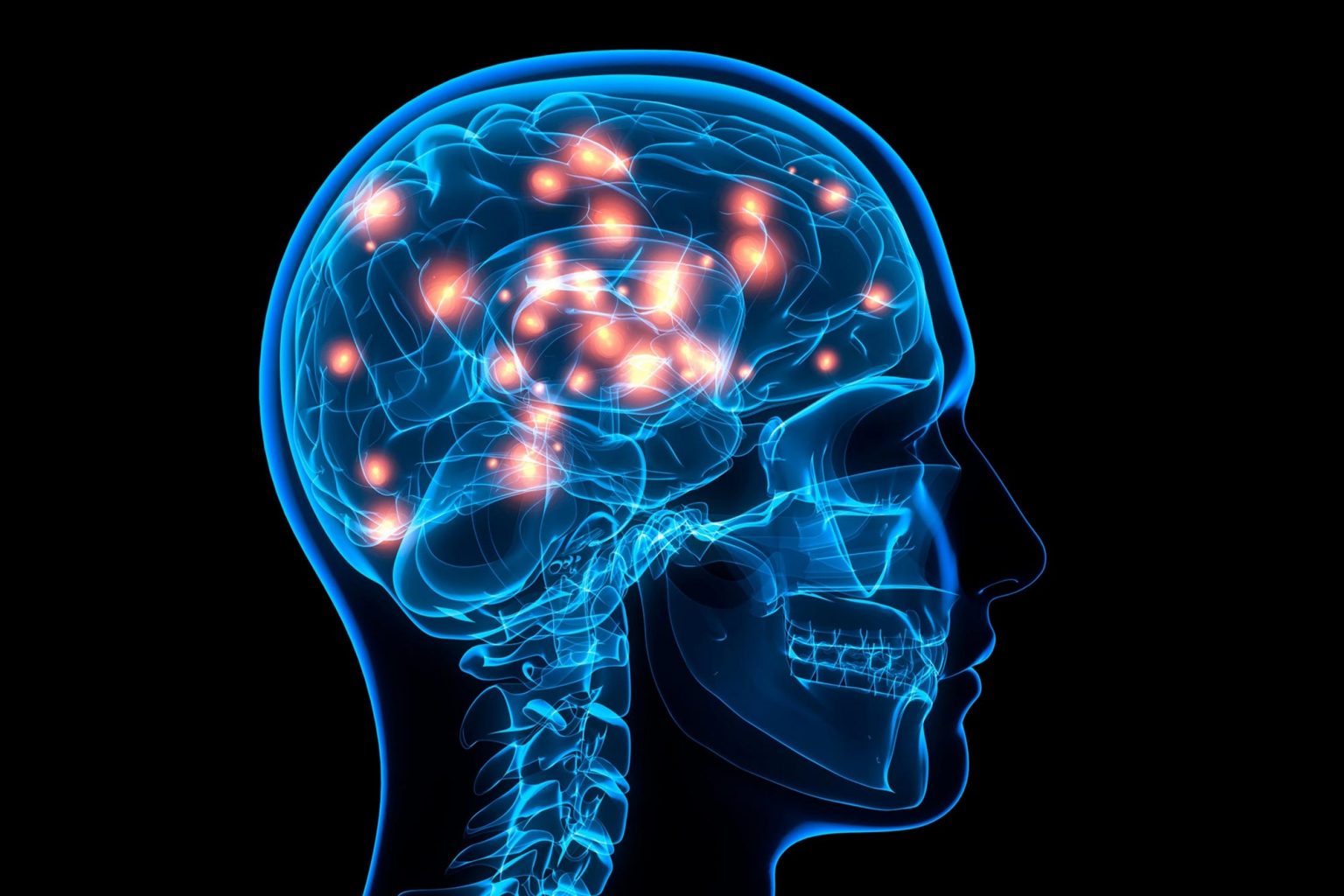
Understanding how physical movement affects the central nervous system clarifies why exercise represents such a valuable component of rehabilitation. When a person experiences problematic alcohol use or substance dependence, critical neural circuits governing reward processing, impulse control, and emotional regulation undergo profound neuroadaptations. Chronic exposure to intoxicating substances downregulates baseline neurotransmitter production and alters receptor sensitivity, which can leave individuals feeling emotionally depleted once substance use ceases. Scientific research on exercise as medicine shows that regular physical activity serves as a powerful, non-pharmacological intervention that aids in the reconditioning and stabilisation of these delicate biological systems.
Dopamine Receptor Restoration and Endorphin Release
Prolonged substance use frequently disrupts normal dopamine neurotransmission, often leaving individuals with reduced dopamine receptor availability during early sobriety. This physiological deficit can lead to anhedonia, persistent lethargy, and difficulties experiencing everyday pleasure. Structured physical activity stimulates the synthesis and release of endorphins alongside endocannabinoids, which collectively elevate baseline mood and foster natural sensations of well-being without triggering destructive, compulsive cycles.
Furthermore, exercise supports the gradual restoration of dopaminergic pathways. By providing natural, non-substance-related reinforcement, routine physical movement trains the brain to derive satisfaction from healthy lifestyle behaviours. This biological recalibration enhances internal motivation, helping individuals maintain emotional stability during stressful periods. Over time, regular physical exertion re-establishes healthy dopamine signalling, diminishing the intensity of sudden cravings and elevating overall psychological resilience.
Neuroplasticity, Cognitive Function, and Stress Regulation
Physical exertion stimulates the expression of brain-derived neurotrophic factor (BDNF), a vital protein responsible for neurogenesis, synaptic plasticity, and cellular repair. BDNF activity is particularly pronounced within the hippocampus and prefrontal cortex, anatomical areas responsible for memory formation, executive functioning, and emotional regulation. By encouraging neural growth and structural resilience, exercise assists individuals in relearning healthy behaviours, improving focus, and strengthening impulse control.
Physical activity may also help regulate the body’s stress response. Stress and addiction recovery explains how steadier autonomic reactions can reduce the intensity of cravings and emotional distress. Because chronic stress can contribute to recurrence, regular movement may support stability and clearer thinking.
Practical Implementation and Safe Movement Strategies

A realistic, sustainable routine is most helpful. Moderate-intensity movement can support long-term physical and psychological wellbeing without excessive fatigue.
Establishing Dose, Frequency, and Routine Exercise in Recovery
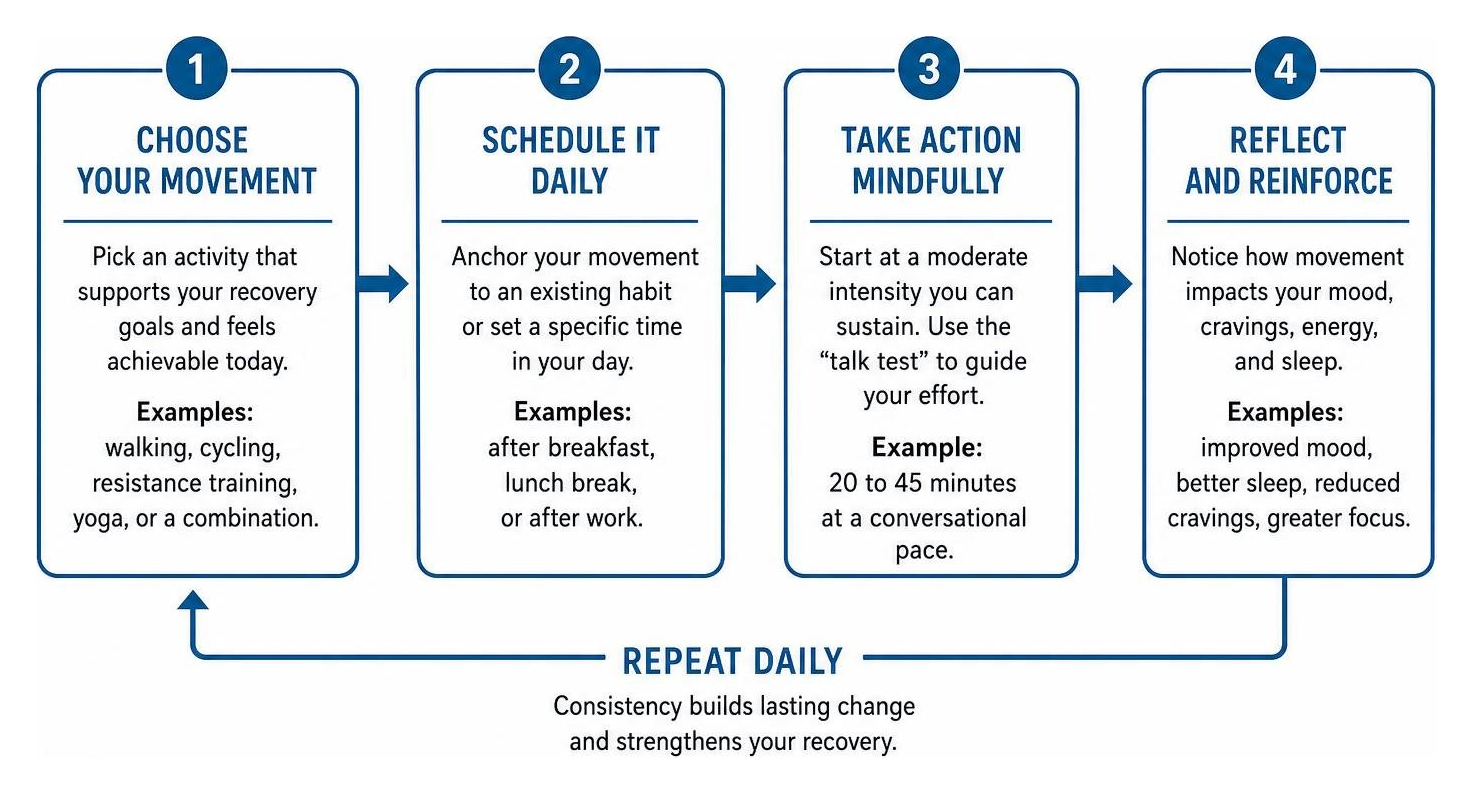
You do not need exhausting workouts to experience meaningful benefits. Aim for 3 to 5 moderate-intensity sessions each week, lasting between 20 and 45 minutes. A reliable guideline is the talk test: you should be able to maintain a conversation in short sentences without gasping for breath. Starting with accessible activities such as walking, swimming, or bodyweight exercises allows the cardiovascular system and musculoskeletal structure to adapt safely.
Anchor your movement sessions to established daily routines, such as taking a brisk morning walk after breakfast or completing a gentle stretch session before evening relaxation. Developing these practical healthy coping mechanisms provides reliable daily structure, empowering you to navigate cravings and emotional triggers whenever they arise. Consistency in scheduling reinforces a predictable lifestyle pattern that supports sustained sobriety.
Overcoming Barriers and Preventing Replacement Habits
Individuals in early recovery frequently experience fluctuating energy levels, fatigue, or physical stiffness. It is crucial to remain mindful of exercise compulsion, where physical activity is turned into an unhealthy, obsessive substitute for previous addictive patterns. Physical training should serve as a restorative practice rather than an extreme regimen that causes exhaustion or emotional distress.
Keep the following practical guidelines in mind:
- Begin with gentle, low-impact activities and increase your duration before attempting higher intensity.
- Schedule dedicated rest days to allow for necessary muscular and neurological restoration.
- Avoid training through severe exhaustion, illness, or acute physical pain.
- Prioritise emotional well-being and stress relief over rigid performance goals.
- Complement active days with nourishing self-care practices to support overall balance.
Integrating Community Support and Holistic Care
Movement also serves as a practical bridge across social isolation. Participating in community walking groups, local sports clubs, or inclusive fitness classes rebuilds healthy social connection in safe, sober environments. Shared physical goals foster accountability and mutual encouragement, reinforcing positive community ties.
Physical activity functions best when embedded within comprehensive rehabilitation. While exceptionally beneficial for caring for your mental health, exercise complements rather than replaces clinical care and psychological therapy. At The Freedom Room, pairing active lifestyle habits with compassionate addiction counselling ensures that underlying emotional and psychological challenges receive dedicated, professional attention.
Exercise Modalities and Holistic Lifestyle Integration
Selecting appropriate movement modalities ensures that physical activity aligns with individual physical capacity and rehabilitation goals. Different forms of exercise engage the body and nervous system in distinct ways, offering diverse benefits for long-term health, psychological balance, and sustained well-being.
Aerobic Conditioning and Cardiovascular Health
Aerobic activities such as walking, swimming, cycling, and gentle jogging support cardiovascular fitness and endurance. Their steady rhythm may lift mood and reduce restlessness. For people recovering from alcohol-related deconditioning, low-impact options can rebuild stamina while limiting joint strain and may support healthier sleep.
Resistance Training and Muscular Rebuilding
Substance dependence can often lead to nutritional deficits, muscle atrophy, and weakened posture. Progressive resistance training, whether utilising resistance bands, bodyweight movements, or free weights, stimulates protein synthesis and rebuilds physical strength. Engaging in progressive overload strengthens skeletal integrity, improves metabolic rate, and corrects musculoskeletal imbalances. Achieving tangible strength milestones fosters self-efficacy and body confidence, reinforcing positive physical identity throughout recovery.
Mind-Body Practices and Nervous System Regulation
Mind-body disciplines such as yoga, Pilates, and mindful stretching integrate physical movement with conscious breath control. These modalities activate the parasympathetic nervous system, downregulating elevated stress responses and calming physical hyperarousal. By lowering resting heart rates and reducing muscular tension, mindful movement creates an internal environment conducive to emotional healing. Learning to observe physical sensations without immediate emotional reactivity enhances somatic awareness, providing valuable emotional grounding when navigating triggers.
Discover the Support You Need for a Lasting, Successful Recovery
Rebuilding your physical health through movement is an empowering step, but sustainable, long-term recovery thrives on experienced guidance, practical tools, and compassionate professional care.
At The Freedom Room, our experienced team provides a warm, respectful environment informed by real-world lived experience. We invite you to explore our services to learn how our tailored, evidence-informed programs can support your personal healing journey. For specialised guidance, discover how our dedicated addiction counselling can assist you in building sustainable emotional resilience and physical well-being.
When you are ready to take positive steps forward, please contact us today. You are always welcome to connect with our clinical team at our local centre located at 9a/521 Beams Rd, Carseldine QLD 4034.
Frequently Asked Questions
When is it safe to begin exercising during recovery?
It is generally recommended to obtain clearance from a qualified general practitioner or healthcare provider before initiating an exercise program, especially if you have experienced physical dependence on alcohol or acute withdrawal symptoms. Once medically stable, starting with gentle activities like walking ensures a safe and comfortable transition.
How often should I exercise each week to support my recovery?
Engaging in moderate physical activity 3 to 5 times per week for 20 to 45 minutes provides substantial physiological and mental health benefits. Consistency and sustainability are far more valuable than high intensity, allowing your body and nervous system to adapt without exhaustion.
Can exercise replace professional addiction treatment or counselling?
No. While physical activity is a powerful complementary lifestyle strategy that supports mood regulation and stress management, it does not replace clinical addiction treatment, medical detox, or psychological therapy. Comprehensive rehabilitation addresses the underlying emotional and behavioural roots of substance dependence.
What should I do if I feel overwhelmed or fatigued after workouts?
Experiencing persistent fatigue or physical discomfort is a sign to reduce workout intensity, shorten session duration, or increase rest periods. Listening to somatic cues and prioritising restorative rest, hydration, and nutrition ensures exercise remains a supportive self-care practice.