

A Guide to Alcohol Addiction Self-Help
Alcohol addiction self help is a significant first step toward regaining control from dependency. Recognising the need for change is an important part of the recovery process, and this guide provides practical strategies to support this effort.
Quick self-help strategies for alcohol addiction:
- Recognise the problem – Look for signs like drinking more than intended, relationship problems, or using alcohol to cope with stress
- Set clear goals – Decide whether you want to quit completely or cut back, and choose a specific start date
- Remove temptations – Clear alcohol from your home and avoid triggering situations
- Build new habits – Replace drinking with healthy activities like exercise, meditation, or hobbies
- Manage cravings – Use techniques like urge surfing, distraction, or talking to someone you trust
- Create support systems – Connect with family, friends, or support groups who understand your journey
- Know when to seek help – Recognise severe withdrawal symptoms and get medical support when needed
Recovery is a gradual process that requires patience and self-compassion. It is not necessary to reach a crisis point to begin; taking control starts with understanding that addiction is a treatable condition, not a moral failing. The recovery process may seem overwhelming, but consistent progress is more important than perfection. Every step toward reducing or eliminating alcohol consumption is a significant achievement.
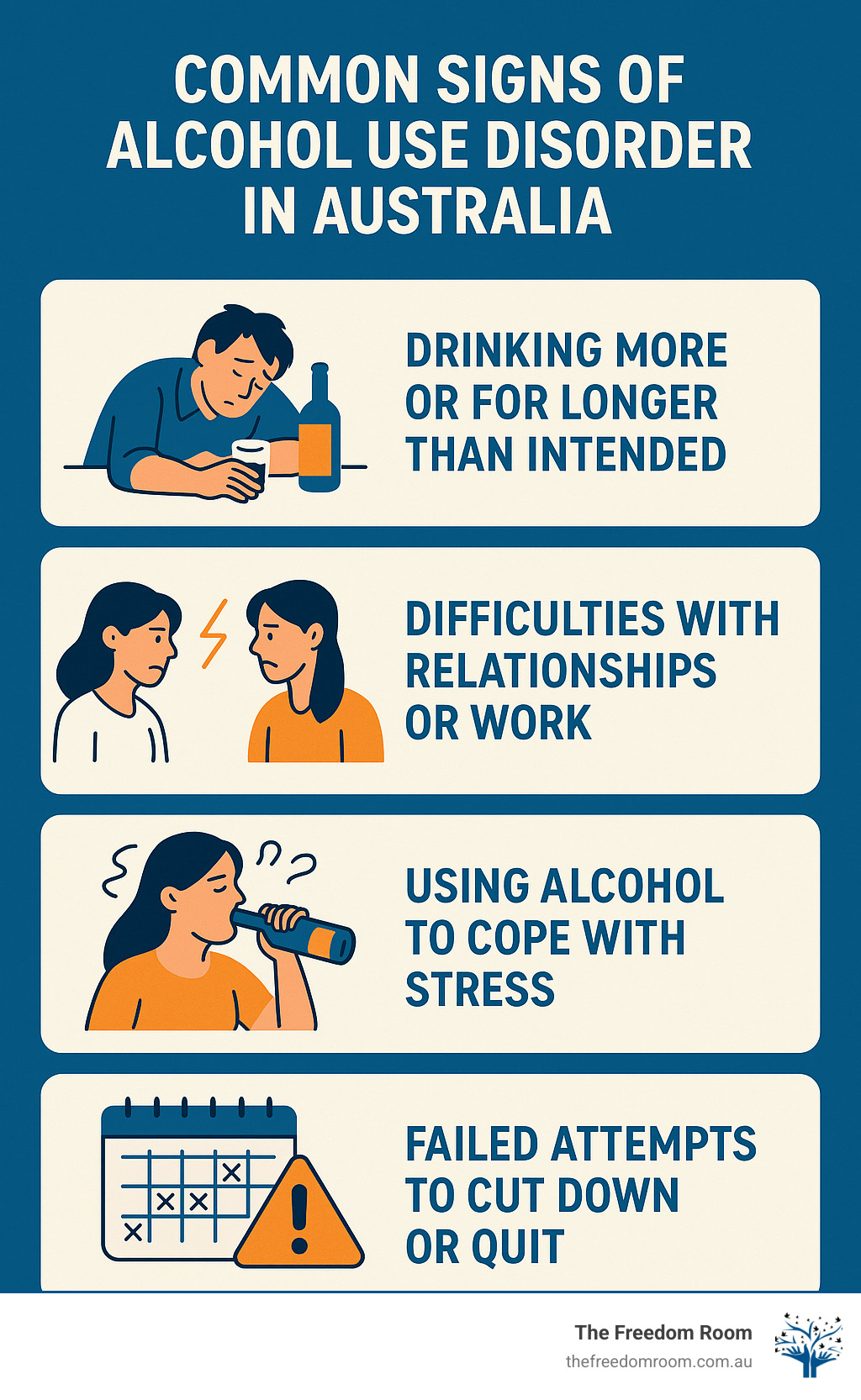
Step 1: Recognising the Problem and Preparing for Change

The first step in recovery is often the most challenging: recognising that alcohol has become a problem. This requires self-honesty, particularly as denial can be a means of avoiding difficult realities.
It is common to minimise the impact of drinking, but the signs often appear gradually. An individual’s health may suffer, their social life may be reduced, family relationships can become strained, and job performance might decline. Denial is a significant obstacle, but careful self-examination can facilitate a clearer understanding of the situation.
It is also important to understand the difference between alcohol dependence (physical withdrawal symptoms) and alcohol abuse (harmful drinking patterns). Both require attention and support.
An individual’s readiness to change will develop with increased awareness of alcohol’s impact. Understanding one’s stage of change—whether contemplation or preparation—is a key part of building a foundation for lasting recovery. For more detailed guidance, explore our resources at The Freedom Room’s alcohol assessment services.
Deciding Your Goal: Quitting vs. Cutting Back
A key decision is whether to pursue complete abstinence or to reduce consumption, based on the severity of the drinking problem.
If signs of physical dependence are present (shaking, sweating, anxiety without alcohol), complete abstinence is the safest approach. For harmful drinking patterns without physical dependence, moderation may be an option, but it requires strict boundaries.
The Australian alcohol consumption guidelines recommend no more than 10 standard drinks per week and no more than 4 on any single day. These can be used to assess consumption levels.
Setting realistic, specific goals is vital. For example, rather than a vague goal to “drink less,” one should define the exact limits and applicable days. Selecting a specific quit date creates a clear target, and communicating this goal to trusted individuals can provide accountability and support.
The Cost-Benefit Analysis: The Motivation for Change
A cost-benefit analysis is an effective tool for strengthening motivation. Documenting the reasons for change makes them more tangible and reinforces one’s commitment.
These questions for self-reflection can provide guidance:
- What are the positive aspects of my drinking?
- What problems has alcohol caused in my life (health, relationships, work)?
- How would my life improve if I stopped or reduced my drinking?
- What are my concerns about changing my drinking habits?
- What can I learn from past attempts to change?
It is important to be honest about the costs of drinking (e.g., health issues, financial strain) and its perceived benefits (e.g., stress relief). Acknowledging the perceived benefits assists in identifying healthier alternatives. Additionally, one should consider the potential costs of not drinking (e.g., social awkwardness) and the significant benefits (e.g., improved health, better relationships).
Learning from past attempts is crucial. Analyse which strategies were effective and which were not in order to develop a more robust strategy. This analysis provides a clear, personal rationale for change that can be revisited for motivation.
Step 2: Practical Self-Help Strategies for Daily Life
A sober lifestyle involves restructuring daily activities around healthier choices. This requires alcohol addiction self help strategies that address routines, stress management, and leisure time.
The foundation of recovery is self-care: regular exercise, adequate sleep, and good nutrition. These practices improve physical health and provide the emotional stability that alcohol may have been used to mask.
Key practical steps include:
- Removing temptation: Clear all alcohol from the home and avoid high-risk environments like bars or bottle shops.
- Developing alternative routines: Fill the time previously spent drinking with new, healthy habits such as evening walks, meditation, or joining a club.
These new patterns create structure and purpose in an alcohol-free life. For more guidance on building sober habits, explore our resources at More info about The Freedom Room’s services.
Building a Personal Self-Help Toolkit
A personal recovery toolkit should contain various strategies to manage cravings, stress, and emotional difficulties.
- Mindfulness techniques: Learning to stay present and observe thoughts without reacting creates a pause between a trigger and the subsequent response, which allows urges to be seen as temporary feelings rather than commands. Find out more at More info about The Freedom Room’s services.
- Journaling: Documenting thoughts and feelings can aid in processing emotions, tracking progress, and identifying patterns in triggers and cravings. Learn more at More info about The Freedom Room’s services.
- Daily affirmations: The use of positive statements can help to reshape negative thought patterns and counter self-criticism. This practice builds self-worth and reinforces the commitment to recovery. Find inspiration at More info about The Freedom Room’s services.
- Cognitive Behavioural Therapy (CBT) principles: It is important to challenge the thinking that leads to drinking. CBT assists in replacing thoughts like “I need a drink to cope” with balanced ones such as “I have healthier ways to manage stress.” Explore CBT methods at More info about The Freedom Room’s services.
Using Emotional Freedom Techniques (EFT) to Manage Triggers
Emotional Freedom Techniques (EFT), also known as “tapping,” is a valuable and evidence-based energy psychology tool that offers relief from stress and a wide range of other challenges. EFT is not about suppressing emotions but rather about gently processing the energy of long-held fear, anger, and worry by tapping on specific acupressure points. This process can facilitate a transition from a state of being overwhelmed to one of greater calm, supporting the alcohol addiction self help process with practical emotional regulation skills. Learn more about combining EFT with other therapeutic approaches at More info about The Freedom Room’s services.
The Role of an EFT Practitioner
The role of an EFT Practitioner is to guide the safe release of emotional trauma held within the body and subconscious memories. A trained therapist can assist in navigating and resolving both minor and major traumas by identifying specific issues to address effectively.
A key priority is to ensure the individual does not have to relive the trauma. Unlike some traditional talking therapies that can leave a person feeling emotionally vulnerable, EFT works on clearing negative emotions, often resulting in an improved emotional state after a session. The goal is to reduce the emotional charge of difficult memories until they no longer trigger an overwhelming response.
Health Areas Where EFT Can Help
EFT can be used effectively as part of any healing journey, as many physical and mental illnesses have emotional roots. By clearing emotional stress, the body can relax, allowing the natural healing process to begin.
Areas where EFT is known to be particularly beneficial include:
- Addictions
- Anxiety and depression
- PTSD and trauma (childhood, sexual, emotional, physical)
- Stress management
- Phobias
- Pain management
- Loss and grief
- Self-confidence and self-esteem
How EFT Works
Deep within the brain, the amygdala acts as an alarm system, triggering the “fight, flight, or freeze” response when it perceives danger. While essential for survival, this system can become overactive in modern life, reacting to everyday stressors or past experiences.
EFT tapping on specific acupressure points sends a calming signal to the amygdala. This physical stimulation, combined with focusing on the distressing issue, helps to disrupt the stress response pathway and return the nervous system to a more balanced state. Over time, regular EFT practice can retrain this response, fostering greater emotional resilience and inner calm.
Step 3: Managing Cravings, Triggers, and Setbacks
Recovery is not always a linear process. Understanding that relapse can be part of the process can reduce the associated shame, which often complicates recovery. Research shows that relapse is common, especially within the first year of sobriety.
These statistics normalise the reality that setbacks can occur and do not define the recovery process. The critical factor is the response to a relapse. A lapse should be viewed not as a failure, but as an opportunity to identify triggers and strengthen coping strategies.
A setback is not an indication of weakness. The objective is to resume recovery efforts promptly, treating the experience as clinical data rather than a personal defeat. For comprehensive strategies on preventing relapse, explore More info about The Freedom Room’s services.
Strategies for Managing Alcohol Cravings and Triggers
Cravings are intense urges to drink, while triggers are the cues that initiate them. Successful alcohol addiction self help requires strategies to manage both.
First, it is necessary to identify personal triggers, which can include people, places, emotions, or specific times of day. Once triggers are identified, plans can be made to avoid or prepare for them. This includes developing the ability to decline offers of alcohol politely but firmly.
To manage cravings when they arise, the following techniques may be useful:
- Urge surfing: This involves acknowledging the craving without judgment and observing it until it subsides, with the understanding that it is a temporary state.
- Distraction: Engaging in an alternative activity can redirect focus. Examples include exercise, a hobby, or communicating with a trusted individual.
- Verbal processing: Voicing the craving to a trusted person can significantly reduce its intensity.
- Revisiting motivations: Reconnecting with the primary reasons for quitting can strengthen resolve.
The Role of Support Systems in Self-Help for Alcohol Addiction
Social connection is fundamental to recovery. Attempting to overcome addiction in isolation is exceptionally difficult, making a strong support system a cornerstone of alcohol addiction self help.
A support system can include:
- Family and friends: Trusted loved ones who support recovery goals are invaluable.
- A sober social network: It is beneficial to actively cultivate new friendships and engage in activities that do not involve alcohol.
- Peer support groups: Groups like Alcoholics Anonymous Australia offer understanding from shared experience. Other options include SMART Recovery and Women for Sobriety. They provide a secure environment for sharing, gaining insights, and reducing feelings of isolation.
- Support for families: Groups like Al-Anon and Alateen provide crucial support for loved ones affected by an individual’s drinking.
Building this network requires time. It is advisable to begin with a few trusted individuals and expand the network as comfort levels increase. To find out more about our support services, visit More info about The Freedom Room’s services.
Step 4: Understanding Withdrawal and When to Seek Professional Help
While alcohol addiction self help strategies are effective, it is vital to recognise their limitations, especially concerning alcohol withdrawal. For individuals who are physically dependent on alcohol, abrupt cessation without medical supervision can be dangerous. Personal safety must be the priority, which makes professional medical advice essential.
Understanding when to seek medical help is a critical component of making safe decisions. Many people combine self-help with professional support for a comprehensive approach to recovery. For guidance on getting sober safely, visit More info about The Freedom Room’s services.
Potential Alcohol Withdrawal Symptoms
Withdrawal symptoms typically begin hours after the last drink, peak within 24-48 hours, and improve within five days. Severity varies greatly depending on factors such as the level of consumption and an individual’s overall health.
When an individual stops drinking, their nervous system readjusts, which can cause withdrawal symptoms. Mild to moderate symptoms can include:
- Anxiety and restlessness
- Shaking or tremors (especially in the hands)
- Headaches
- Nausea and vomiting
- Excessive sweating
- Poor appetite
- Difficulty sleeping
While uncomfortable, these symptoms can often be managed with self-care and support.
When Medical Attention is Required
For heavy or long-term drinkers, withdrawal can become severe and potentially life-threatening. Recognising these warning signs is critical.
Immediate medical attention should be sought by calling triple zero (000) if an individual experiences severe symptoms such as:
- Delirium tremens (DTs): This is the most serious form of withdrawal, causing intense confusion, agitation, hallucinations, and dangerous changes in blood pressure and heart rate.
- Seizures: These can occur without warning and require urgent medical intervention.
- High fever and convulsions.
Medically supervised detoxification is the safest method for managing withdrawal for those at risk of severe complications. A physician can assess an individual’s risk and prescribe medication to manage symptoms safely.
It is imperative to be honest with a GP about drinking habits. This is an essential step for personal safety and enables the GP to provide the most appropriate guidance for the situation. Seeking medical help is a responsible and important step in the recovery process. For more information about withdrawal and recovery support, visit More info about The Freedom Room’s services.
Commencing the Journey to Lifelong Recovery
Starting on a path of alcohol addiction self help is a significant decision. This guide has outlined the foundations of recovery, from recognising the problem and setting goals to using practical daily strategies and navigating setbacks. The importance of seeking medical help for withdrawal when necessary has also been stressed.
Recovery is a continuous process of growth and progress, not a final destination. The process will include periods of both progress and challenge; what is most important is a sustained commitment to moving forward with self-compassion. Individuals undertaking this process are not alone. The strategies discussed have been effective for many people in achieving fulfilling, alcohol-free lives.
At The Freedom Room, our team’s lived experience with recovery informs our empathetic and practical guidance. We offer professional, personalised support through workshops and therapy to assist individuals in building lasting sobriety.
Each recovery process is personal, and identifying effective individual strategies is key. Every step taken represents meaningful progress. Seeking help is an act of strength, and a more fulfilling life is an attainable goal. For comprehensive strategies on preventing relapse, explore More info about The Freedom Room’s services.
Professional support is available to assist at every stage of the recovery process.