

Why Getting Sober Was the Best Decision I Ever Made
For many, the question of how getting sober changed my life is answered with a profound sense of clarity and freedom. While life with alcohol can feel unimaginable without it, sobriety has the power to transform every aspect of a person’s existence. It offers a path to improved health, stronger relationships, and a renewed ability to be present.
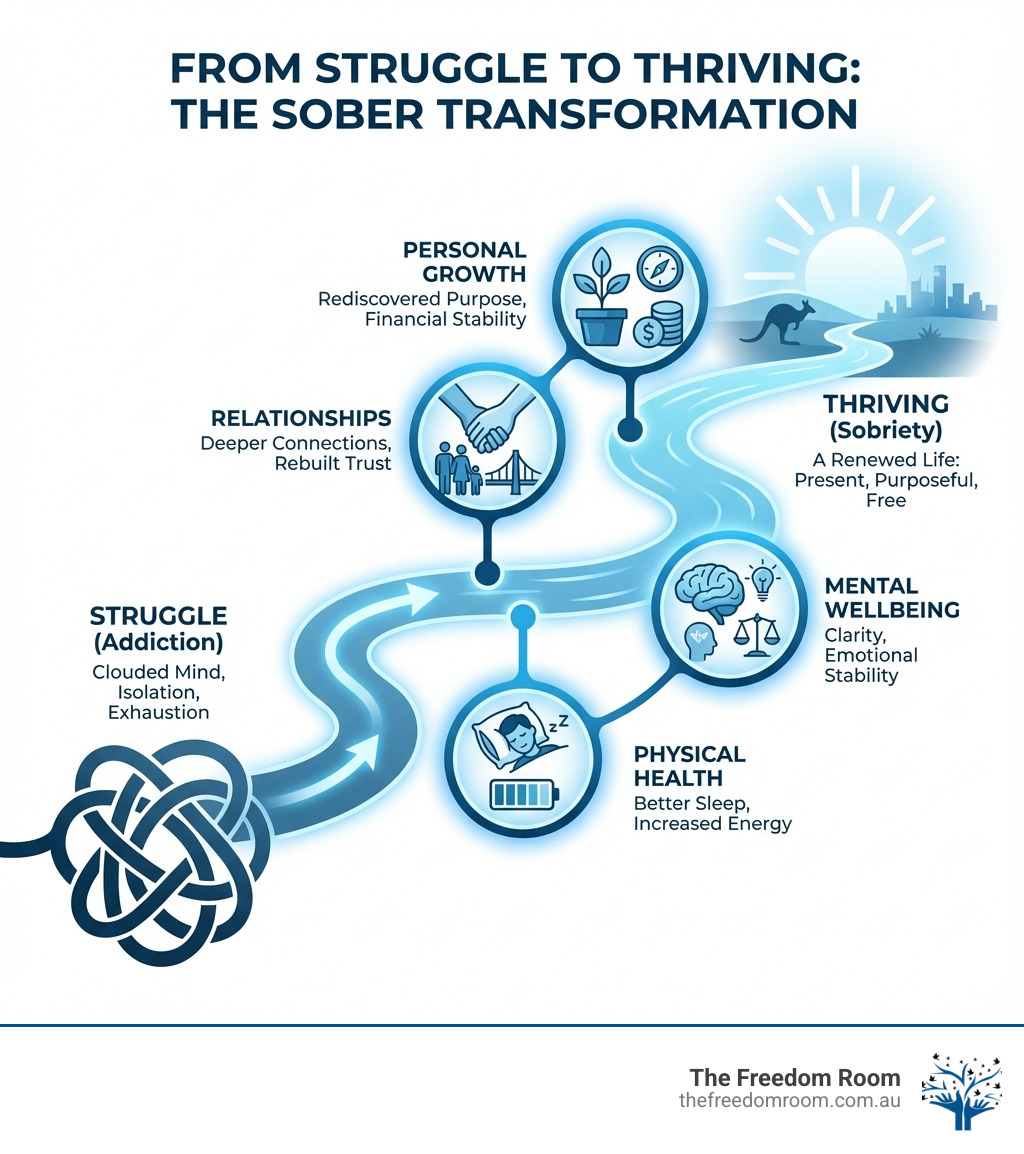
Key ways sobriety can change your life:
- Physical health: Improved sleep, increased energy, and a reduced risk of chronic illness.
- Mental wellbeing: Greater mental clarity, emotional stability, and reduced anxiety.
- Relationships: Deeper connections, rebuilt trust, and healthier boundaries.
- Personal growth: Refined hobbies, increased productivity, and financial savings.
- Purpose: A renewed sense of meaning and direction in life.
In Australia, many people know someone who struggles with substance use. If you are questioning your own relationship with alcohol or supporting a loved one, know that change is possible. This article explores the journey of how sobriety can open up the person you were always meant to be.
Before sobriety, life can appear manageable from the outside. A person might hold a job, pay bills, and maintain friendships, all while being internally exhausted. Alcohol often shifts from a source of enjoyment to a compulsion, leading to hiding consumption, planning days around drinking, and waking with overwhelming guilt and anxiety.
The turning point for many comes with the realisation that this way of life is unsustainable. The pain of continuing finally becomes greater than the fear of change.
The Life Before: Acknowledging the Need for Change
Life before sobriety is often a relentless cycle, where the routine of drinking becomes an inescapable part of daily existence. The evening ritual may begin with justifications that mask a deeper physical dependence on alcohol.
Many people become adept at hiding their consumption, ensuring their drinking habits remain obscured from loved ones and even themselves. The shame associated with these actions means the extent of alcohol use is rarely discussed openly.
This secrecy, combined with hangovers and broken promises, can lead to overwhelming feelings of guilt and shame. A person may feel ashamed of who they are becoming, constantly battling an inner voice that reinforces feelings of inadequacy.
Life can become unmanageable, despite desperate attempts to maintain an illusion of control. Work performance may suffer, important appointments are missed, and overall wellbeing deteriorates. Progress feels difficult, with every step forward often followed by two steps back.
Questioning the role of alcohol is a recurring thought that often surfaces during moments of clarity. The question, “Is alcohol doing me more harm than good?” becomes more frequent as the answer grows clearer. This is a common struggle, as dependence on alcohol can make it difficult to focus, reason, or learn new things.
Symptoms may align with severe Alcohol Use Disorder, including high tolerance, drinking most nights, and negative impacts on work and personal life. When a relationship with alcohol becomes unmanageable, it can lead to deep feelings of shame.
The pervasive feeling of shame, rather than just the quantity of alcohol consumed, often becomes a primary driver for seeking change. It is a private struggle, frequently invisible to others, but deeply destructive to a person’s inner world.
If you find yourself questioning your relationship with alcohol, it takes enormous strength to recognise that something is wrong and want to change it. We encourage you to explore our guide: Do I Have a Problem with Alcohol?
The Change: How Getting Sober Changed My Life
The decision to begin the journey of sobriety can be daunting, but it is often the most profound and positive change a person can make. The answer to how getting sober changed my life is a narrative of reclaiming every aspect of one’s existence, revealing strengths and joys that were previously unknown.

Reclaiming Physical and Mental Wellbeing
One of the most immediate and profound changes is the dramatic improvement in physical and mental wellbeing. The body, once a source of constant fatigue and discomfort, begins to heal.
Improved sleep quality is among the first benefits. Instead of restless nights, deep, restorative sleep becomes possible, leading to a significant increase in energy levels. Waking up feeling refreshed, rather than dreading the day, is a common revelation.
Your mind, previously clouded by alcohol-induced fog, can regain its clarity. Decision-making becomes sharper, and the ability to focus dramatically improves. Alcohol use can impact brain regions involved in memory, impulse control, and learning; removing it allows these functions to begin repairing.
The brain has an impressive capacity to adapt and repair itself through neuroplasticity, a process that supports recovery. Australian research and summaries, such as those from the Alcohol and Drug Foundation, explain in more detail how the brain heals after alcohol and other drug use.
Emotional stability often replaces volatile mood swings. Reduced anxiety becomes a cornerstone of a new, sober life as individuals learn to process uncomfortable feelings constructively instead of numbing them. This journey of healing is closely linked to mental health, and we offer resources to support you in this area, such as our insights on Mental Health in Recovery.
Sobriety allows for underlying issues like anxiety and low self-esteem, which alcohol may have masked, to be addressed. With a clearer mind, therapies like CBT and mindfulness can be engaged with to develop healthier coping mechanisms. This holistic approach empowers individuals to not just abstain, but to thrive.
Rebuilding Connections and Navigating Social Life
Sobriety inevitably brings about significant relationship changes. Some connections, rooted solely in drinking, may naturally fade. Others deepen as you learn to engage authentically and be truly present.
Many people find the importance of setting healthy boundaries, a skill they previously lacked. This allows them to protect their sobriety while fostering genuine connections. Learning to say “no” to situations that might compromise recovery becomes an empowering act.
Navigating social events without alcohol can be challenging at first. Worries about what others might think or how to cope without a social lubricant are common. However, true friends will support this choice, and many social situations are perfectly enjoyable without alcohol.
With sales of no and low-alcohol beers more than doubling since 2019, alcohol-free options are more readily available than ever. Public health organisations such as the Australian Institute of Health and Welfare also highlight changing national attitudes towards drinking, which can support those choosing an alcohol-free lifestyle.
Finding a sober community is a vital part of the journey. Connecting with others who understand these experiences, share similar goals, and offer unwavering support is invaluable. These new friendships provide a sense of belonging and mutual encouragement. Building healthy relationships is a core component of sustainable recovery, and we offer guidance on Healthy Relationships in Recovery.
Finding Unexpected Joys and a New Purpose
One of the most beautiful aspects of sobriety is finding unexpected joys and a profound new purpose. The time and energy once consumed by drinking and its aftermath can be channelled into rewarding pursuits.

Many people begin rekindling hobbies they had abandoned or exploring new ones. Whether it is reading, hiking, or learning a new skill, these activities bring genuine satisfaction and a renewed sense of self. This rekindling of passions contributes significantly to The Joys of Sobriety.
Increased productivity is a natural consequence. With a clear mind and consistent energy, it becomes easier to focus on tasks, set goals, and achieve them. This often translates into improved financial savings as well. The money once spent on alcohol can contribute to financial stability, reducing stress and opening up new opportunities.
Sobriety is a powerful catalyst for personal growth. It encourages you to confront underlying issues, develop resilience, and build a stronger, more authentic self. This journey of self-improvement is central to Personal Growth in Recovery.
Sober days become filled with purpose, intentionality, and genuine enjoyment. Life can feel fun again, not in the artificial, fleeting way alcohol once promised, but in a real, unfiltered, and unforgettable manner.
Advice on How Sobriety Can Change Your Life for the Better
If you are considering sobriety or struggling with your relationship with alcohol, know that change is possible and profoundly rewarding. Here is some advice to guide your journey:
- Acknowledge the Problem: The first, and often hardest, step is to honestly admit that alcohol is causing issues in your life. This is a foundational step for all subsequent progress.
- Seek Professional Support: You do not have to do this alone. Professional guidance from therapists, counsellors, or recovery coaches can provide helpful strategies and support. The Freedom Room offers compassionate, cost-effective alcohol dependence treatment through personalised sessions and workshops.
- Be Patient with the Process: Sobriety is a journey, not a destination. There will be good days and challenging days. Be kind to yourself, celebrate small victories, and understand that healing takes time.
- Adopt New Coping Strategies: Alcohol is often a coping mechanism. Sobriety requires developing healthier ways to manage stress, emotions, and social situations, such as mindfulness, exercise, and creative outlets.
Here is a list of strategies that can help you steer early sobriety:
- Build a Support Network: Connect with other sober individuals through support groups or communities. Their shared experience can provide comfort and practical guidance.
- Identify and Avoid Triggers: Understand what situations, emotions, or people might tempt you to drink, and develop strategies to avoid or manage them.
- Establish a Routine: A structured day can provide stability and reduce opportunities for impulsive decisions.
- Prioritise Self-Care: Engage in activities that nourish your mind, body, and spirit. This could include meditation, exercise, healthy eating, or creative pursuits.
- Learn to Say No: Be assertive in declining invitations or situations that feel unsafe for your sobriety.
- Practice Mindfulness: Being present and aware of your thoughts and feelings without judgment can help you steer clear of cravings and emotional discomfort.
We have a comprehensive guide on Coping Skills to Prevent Relapse that can provide further assistance. It is about progress, not perfection. Every step you take towards a healthier, sober life is a victory.
Accept Your Recovery Path with Us by Your Side
Sobriety is a continuous journey of self-finding, growth, and sustained wellbeing. It offers hope for a fulfilling future that may have once seemed impossible. The clarity, connection, and joy that define an alcohol-free life are a testament to its transformative power.
At The Freedom Room, we understand that taking the first step towards lasting change can feel overwhelming. Our team, many of whom are in recovery themselves, offers authentic support and empathy. We provide a safe, non-judgmental space for you to explore your relationship with alcohol and build a foundation for a truly liberated life.
We are here to support you every step of the way, offering evidence-informed guidance and practical strategies custom to your unique journey. Find the freedom that comes with living authentically.
Find out more about our alcohol and drug abuse treatment programs