
How Does the Body Process Alcohol and Why Do Common Myths Fail?
The Science of Alcohol Metabolism
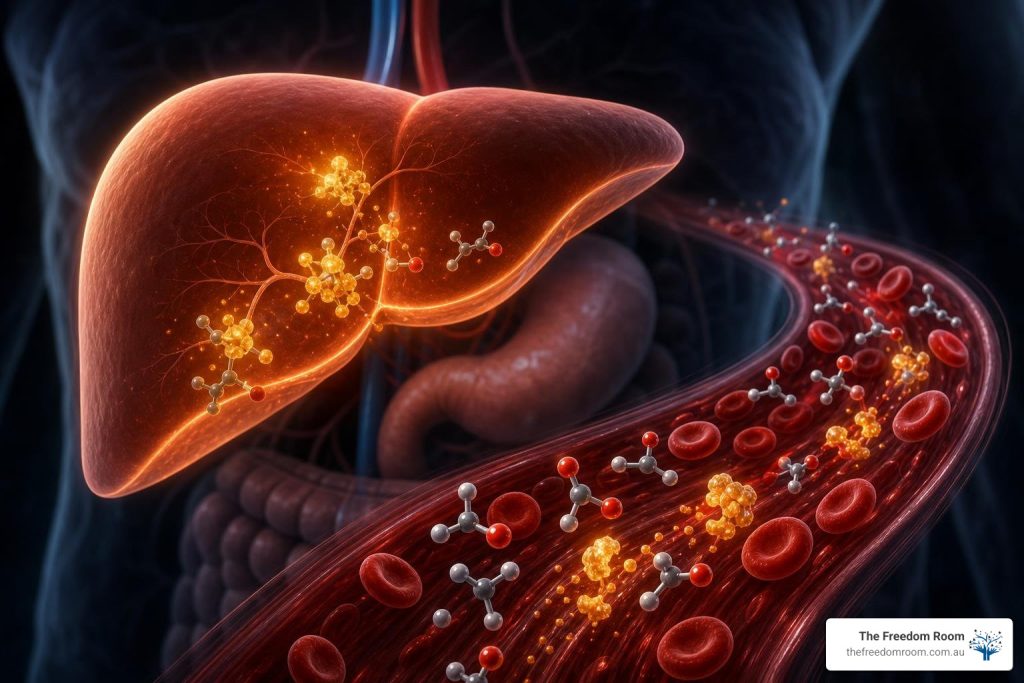
To understand why you cannot rush the process of getting sober, it helps to look at how the human body handles alcohol. Once alcohol is swallowed, it enters the stomach and small intestine, where it is rapidly absorbed directly into the bloodstream. From there, the circulatory system carries it throughout the body, affecting the brain and other vital organs within minutes.
The liver is responsible for processing over 90 percent of the alcohol you consume. It accomplishes this complex task using specialised enzymes, primarily alcohol dehydrogenase and aldehyde dehydrogenase. These enzymes break down the ethanol into acetaldehyde, a highly toxic compound, and then quickly convert it into harmless acetate, which eventually leaves the body as water and carbon dioxide.
Because the liver can only produce a limited amount of these enzymes at any given time, it metabolises alcohol at a fixed, constant rate. For most adults, this average elimination rate reduces blood alcohol concentration by approximately 0.015 percent per hour. According to the Australian Institute of Health and Welfare (AIHW) data, alcohol remains a major public health concern, and understanding this biological limit is vital for preventing harm.
The time required to clear alcohol from the system depends heavily on the total volume consumed. For example, clearing just two standard drinks typically takes the liver between three and four hours. If someone consumes five standard drinks, their system will require six to eight hours, or even longer, to return to a blood alcohol concentration of zero.
When a person drinks faster than the liver can process the toxin, alcohol accumulates in the bloodstream. This cumulative effect means that each additional drink stacks directly on top of the uncleared alcohol already in the system. To better understand these physiological processes, you can read more about what alcohol really does to your body.
Why Common Sobriety Myths Are Ineffective and Dangerous
Many people still rely on age-old myths to help their friends sober up quickly, but these methods are biologically useless. The most common misconception is that drinking black coffee or consuming high-caffeine energy drinks will reverse the effects of intoxication. While caffeine is a stimulant that can temporarily mask feelings of drowsiness, it has absolutely no effect on liver enzymes or blood alcohol levels.
This combination creates a highly dangerous state known as the wide-awake drunk. The intoxicated person may feel more alert and believe they are capable of driving or performing complex tasks, but their motor skills, reaction times, and cognitive judgment remain severely impaired. You can explore more about these common misconceptions in this guide on how to get sober fast and myth-busting.
Taking a cold shower is another popular myth that can actually cause physical harm. Alcohol acts as a vasodilator, widening blood vessels and causing the body to lose heat rapidly, which lowers core body temperature. Introducing a freezing cold shower to an intoxicated person can shock their system, potentially triggering hypothermia, cardiac issues, or sudden loss of consciousness.
Similarly, forcing someone to vomit will not lower their blood alcohol concentration. Alcohol is absorbed into the bloodstream very quickly through the stomach lining and small intestine, meaning that vomiting only removes the unabsorbed liquid left in the stomach. This practice does nothing to clear the alcohol already circulating in the blood, and it carries a high risk of causing the person to inhale fluid into their lungs.
Eating heavy, greasy food after drinking is also ineffective at speeding up sobriety. While eating a substantial meal before drinking can close the stomach valve and slow down the initial absorption of alcohol, eating afterwards does not affect the alcohol already present in the bloodstream. Instead, heavy foods can irritate an already sensitive stomach and worsen feelings of nausea. For a deeper look at the safety of managing these situations at home, read about the home alcohol detox dilemma.
Are There Medical Interventions That Speed Up Alcohol Clearance?
In professional medical settings, researchers have studied specific clinical compounds that can alter how the body processes ethanol. One of the most notable substances is metadoxine, a drug composed of pyridoxine and pyrrolidone carboxylate. Clinical trials have shown that this compound can help the body clear alcohol more efficiently under controlled conditions.
According to a double-blind, randomised study on metadoxine in acute alcohol intoxication, intravenous administration of metadoxine significantly reduced the half-life of ethanol in the blood. The treatment helped patients recover from acute intoxication much faster than those who received a placebo. However, this medication is strictly reserved for emergency department use and is not available to the general public for home care.
Outside of these specific clinical settings, commercial remedies fail to deliver on their promises. Many over-the-counter rapid recovery supplements claim to use ingredients like L-cysteine and vitamins to lower blood alcohol levels. However, independent research on rapid recovery supplements and why they fail confirms that these products do not decrease blood alcohol concentration or reduce the physiological severity of a hangover.
Herbal remedies, such as kudzu root extracts, are also heavily marketed as quick fixes for intoxication. In reality, these unregulated supplements do not lower blood alcohol levels and can even contain harmful impurities. If you want to learn about safe, medically supervised methods for clearing alcohol from the system, read more on how to detox from alcohol fast.
How Can You Safely Support Someone Who Is Intoxicated?
Practical Steps to Keep an Intoxicated Person Safe
If you are caring for someone who has consumed too much alcohol, your primary focus must be on keeping them safe while their liver naturally processes the toxin. Never leave a heavily intoxicated person alone, as their blood alcohol levels can continue to rise even after they stop drinking. Your physical presence is essential to monitor their breathing and prevent accidental injuries.
One of the most critical safety measures you can take is placing the person in the recovery position, also known as the Bacchus maneuver. To do this, roll them onto their side, bend their top knee at a right angle to stabilise them, and gently tuck their top hand under their cheek. This position keeps their airway open and prevents them from rolling onto their back, which reduces the risk of choking if they vomit.
You should encourage the person to sip room-temperature water or electrolyte drinks slowly. This helps combat the dehydrating effects of alcohol, which is a natural diuretic, and helps ease some of the physical discomfort. To read more about the practical realities of managing intoxication, look at this resource on what works and what does not when trying to sober up.
It is also vital to prevent the intoxicated person from engaging in any potentially hazardous activities. Keep them away from swimming pools, spas, or open water, and ensure they do not attempt to walk home alone in the dark. Most importantly, confiscate their car keys and make sure they have a safe, sober ride home. For more practical advice on managing these situations, read about alcohol detox remedies at home.
Recognising the Warning Signs of Alcohol Poisoning
When someone consumes a large volume of alcohol in a short period, they run the risk of experiencing a life-threatening alcohol overdose. This condition occurs when the concentration of alcohol in the blood is high enough to shut down basic life-support functions, such as breathing and heart rate. Recognising these signs early can save a life.
You must seek immediate emergency medical care if you observe any of the following critical warning signs:
- Slow breathing of fewer than eight breaths per minute or irregular breathing with gaps of more than ten seconds between breaths.
- Seizures, extreme confusion, or an inability to speak coherently.
- Pale, cold, clammy, or blue-tinged skin, especially around the lips and under the fingernails.
- An inability to be woken up, or remaining completely unresponsive after vomiting.
Letting someone sleep off heavy intoxication is incredibly dangerous. Because alcohol in the stomach continues to enter the bloodstream even after a person passes out, their blood alcohol concentration can rise to lethal levels while they are asleep. If you suspect someone is suffering from alcohol poisoning, call triple zero (000) immediately for emergency services in Australia. For guidance on supporting someone who regularly struggles with these issues, learn how to help an alcoholic.
Take the First Step Toward a Fulfilling, Alcohol-Free Life
While keeping someone safe during a single night of heavy drinking is important, addressing the underlying patterns of consumption is the key to long-term health. If you or a loved one are finding it difficult to manage your relationship with alcohol, professional support can make all the difference. Transitioning from acute crisis management to a structured recovery programme offers a sustainable path forward.
At The Freedom Room Wellness and Recovery, we provide compassionate, cost-effective support for individuals experiencing physical alcohol dependence. Our service operates in the wellness and recovery industry with a unique and powerful approach: our entire team has lived experience with recovery. This allows us to provide authentic empathy, practical insight, and a completely non-judgemental environment for every client we serve.
We offer personalised sessions, structured workshops, and evidence-based therapies tailored to your unique circumstances and lifestyle. Whether you need flexible support that fits around your full-time work commitments or a dedicated space to heal, we are here to help you build a healthier future.
We encourage you to explore Our Services to see how we can support your goals, or Contact Us directly to take that brave first step. You can also visit us in person at our welcoming clinic located at:
9a/521 Beams Rd, Carseldine QLD 4034
Frequently Asked Questions
Can you sober up in two hours?
You can only sober up in two hours if you have consumed a very small amount of alcohol, such as one or two standard drinks. Because the liver processes alcohol at a fixed rate of about one standard drink per hour, any larger volume of alcohol will simply require more time to clear, and no home remedies can speed up this timeline.
Does drinking water lower your blood alcohol concentration?
No, drinking water does not lower your blood alcohol concentration or help your liver process alcohol any faster. While drinking water is excellent for combating dehydration and reducing the severity of a hangover, it does not dilute the alcohol that has already been absorbed into your bloodstream.
Is it safe to let an intoxicated person sleep?
It is not safe to let a heavily intoxicated person sleep unsupervised. Because alcohol continues to be absorbed from the stomach into the blood even after a person stops drinking or passes out, their blood alcohol level can continue to rise, which can lead to life-threatening respiratory failure or choking.