
How to Support Your Mood and Manage Anxiety During Alcohol Recovery
Anxiety and mood changes can arise while changing drinking habits or progressing through alcohol recovery. Difficult emotions do not mean that anything is being done wrong. They can be part of the adjustment process as the body and mind respond to new routines, changing stress levels, and reduced alcohol use.
Natural strategies can offer practical support for everyday anxiety and emotional wellbeing. This guide explores manageable approaches involving sleep, movement, regular meals, relaxation, and connection, while recognising that these approaches complement rather than replace appropriate professional care.
Hi, I’m Rachel Acres, Founder and CEO of The Freedom Room. I have seen how small, consistent acts of care can help people feel more steady while making changes to their drinking. Reaching for support is a strength, and no one needs to navigate recovery alone.
Key Takeaways
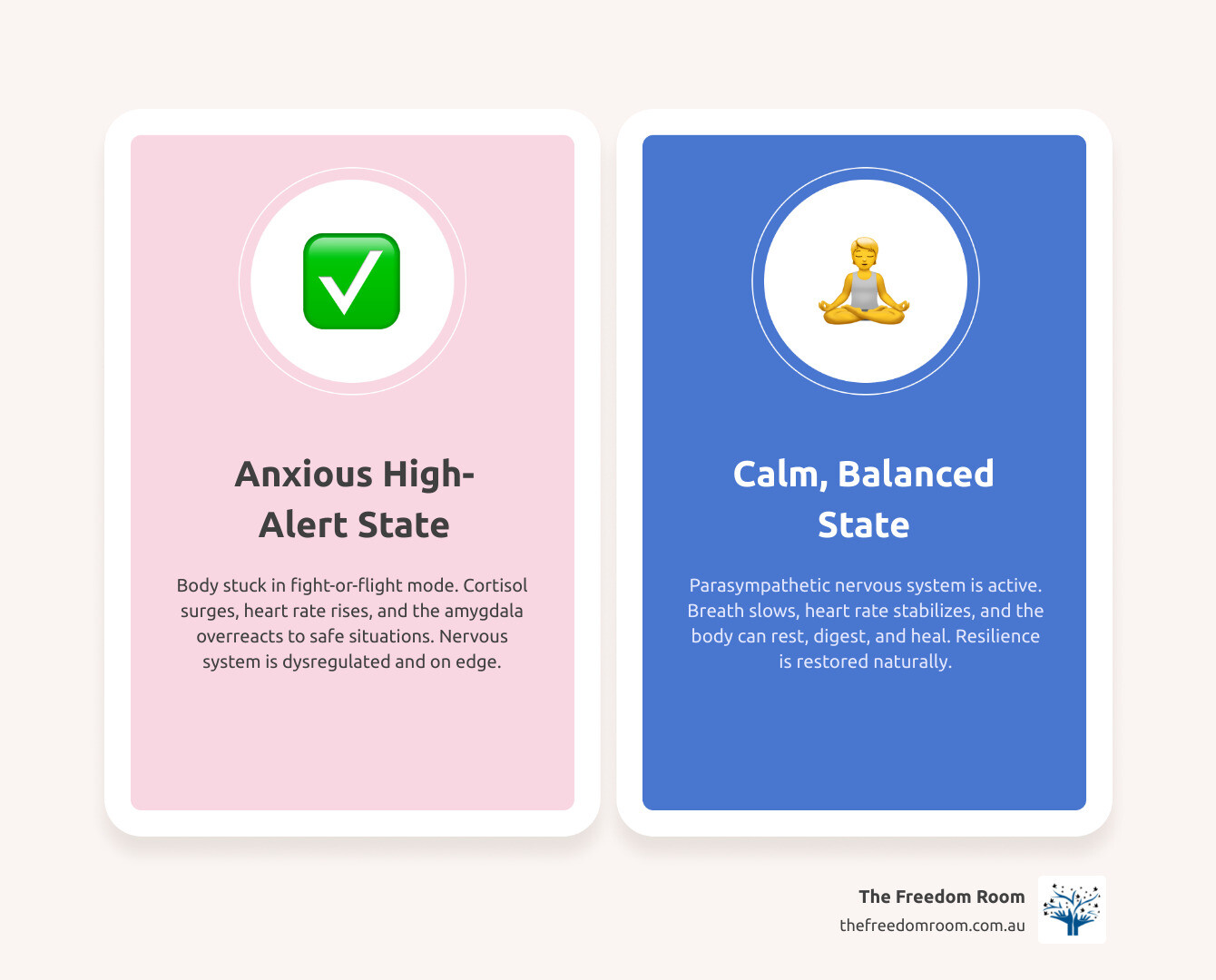
- Natural strategies can support emotional wellbeing and help manage everyday anxiety.
- Sleep, movement, regular meals, relaxation, and social connection can contribute to a more balanced mood.
- Reducing or stopping alcohol can involve physical and emotional changes, so additional support may be helpful.
- Severe, persistent, or difficult-to-manage anxiety deserves professional attention.
- Natural approaches can complement appropriate medical, psychological, and recovery support.
Natural Ways to Support Your Mood and Manage Anxiety
There is no single natural method that works for everyone. A combination of realistic daily habits can support wellbeing, reduce some sources of stress, and provide steadier routines during alcohol recovery.
It can be helpful to view these strategies as supportive building blocks rather than a checklist to complete perfectly. Choosing one small, achievable step and reviewing how it feels over time can make change less overwhelming.
Create a Calming Daily Routine
A predictable routine can provide a sense of stability when emotions feel unsettled. Regular sleep and wake times, meals, movement, and periods of downtime can make the day feel more manageable without suggesting that routine is a solution to every difficulty.
Start with one or two changes that fit current circumstances. For example, preparing breakfast the night before or setting aside ten quiet minutes after work may be more sustainable than making a demanding schedule. Writing a short plan for the next day can also reduce the pressure of deciding everything in the moment.

Prioritise Quality Sleep
Sleep and emotional wellbeing are closely connected. Poor sleep can make stress feel harder to manage, while anxiety can make it more difficult to settle at night. A short breathing exercise for alcohol recovery may be a practical option before bed or during a stressful moment.
A consistent bedtime, a quieter evening routine, and less stimulating activity before bed may support better rest. Keeping the bedroom dark and comfortable, avoiding late caffeine where possible, and allowing time to wind down can be useful adjustments. If sleep problems persist or become overwhelming, discussing them with a health professional can be useful. Additional ideas on how to relax and relaxation techniques for anxiety can help people explore what feels suitable.
Move Your Body Regularly
Walking, gentle stretching, swimming, gardening, or another enjoyable activity can support mood and general wellbeing. The aim is regular, realistic movement rather than pushing through exhaustion or treating exercise as a test of willpower.
Choose an activity that feels accessible and adjust the pace when energy is low. A short walk or a few minutes of stretching can still provide a helpful pause in a difficult day. Where possible, inviting a trusted person along may add connection as well as movement. Some people also find tapping for anxiety relief or tapping to calm anxiety useful alongside gentle movement.
Try Breathing and Relaxation Techniques
Slow breathing, mindfulness, meditation, progressive muscle relaxation, and grounding exercises can help during moments of tension. One simple option is to breathe in gently, then make the exhale slightly longer, repeating this for a few minutes.
These techniques are tools for easing immediate stress, not guaranteed solutions for anxiety. Some people prefer guided audio, while others find a quiet walk, a warm shower, or gentle stretching more comfortable. It may take time to discover which option feels most settling.
Eat Regularly and Stay Hydrated
Regular meals and adequate hydration can support general wellbeing, energy, and concentration. Balanced meals that include protein, fibre-rich carbohydrates, fruit or vegetables, and healthy fats can be a practical starting point.
Long gaps between meals may leave some people feeling tired, irritable, or less able to cope with stress. Keeping simple options available, such as yoghurt, fruit, wholegrain crackers, or prepared leftovers, can make regular eating easier on busy days. It is best to avoid treating particular foods, herbs, or supplements as treatments for anxiety. A pharmacist, GP, or dietitian can offer individual guidance where nutrition or supplements are a concern.
The checklist to relieve anxiety symptoms offers further practical ideas to discuss with an appropriate health professional.
Spend Time With Supportive People
Trusted friends, family members, peer support, and recovery communities can provide encouragement during alcohol recovery. Connection does not require sharing more than feels comfortable; a brief conversation, shared activity, or check-in can still reduce isolation.
Consider identifying one person or service to contact when a difficult day feels too hard to manage alone. For additional strategies, explore breathing exercises for alcohol recovery and tapping for anxiety relief.
If anxiety feels easier to manage with personalised guidance, one-to-one support can provide a private space to explore what you are experiencing and work towards practical changes at your own pace.
Understanding Anxiety During Alcohol Recovery
Anxiety and mood changes can occur when people reduce alcohol use, stop drinking, or work towards a healthier relationship with alcohol. Everyday worry may respond to supportive routines, rest, and connection, but intense or persistent symptoms may need professional assessment.
Suddenly stopping alcohol can be medically risky for some people, particularly after regular or heavy use. Symptoms such as shaking, sweating, confusion, hallucinations, seizures, or severe agitation require urgent medical attention. Natural strategies should not be relied upon to manage alcohol withdrawal.
Professional support can make it easier to understand what is contributing to anxiety and identify strategies that fit individual circumstances. The Freedom Room offers personalised support for people making changes to their drinking, with a focus on practical, compassionate, and non-judgemental care.
The Australian Institute of Health and Welfare provides Australian information about alcohol-related health concerns. Seeking support from a GP, counsellor, or recovery service is a positive step and can help people make changes in a safer, more supported way. People who are interested in a calming practice can also explore how to use the emotional freedom technique as one supportive option.
It may also help to prepare a simple support plan before changing drinking habits. This could include arranging a GP appointment, telling a trusted person, saving relevant support contacts, and identifying a calm place to rest if emotions become difficult. Planning ahead does not mean expecting the worst; it creates options for responding safely and compassionately if additional help is needed.
Small preparations can make support easier to access.
Discover the Support You Need for a Lasting, Successful Recovery
Ongoing anxiety, low mood, or difficulty coping are worth discussing with a qualified professional. Counselling and one-to-one support can offer a private, non-judgemental space to understand alcohol-related concerns and build practical strategies for a healthier relationship with alcohol.
The Freedom Room provides compassionate support for people making changes to their drinking. One-to-one support can offer personalised counselling or recovery coaching, while workshops and group support can build education, connection, and practical strategies. Therapeutic approaches can also be tailored to individual needs.
Frequently Asked Questions
How can I overcome anxiety naturally?
Natural approaches can help manage everyday anxiety through regular sleep, gentle movement, balanced meals, relaxation practices, and supportive relationships. They work best as part of a broader plan that includes professional guidance when symptoms are severe or persistent.
What is the best natural way to reduce anxiety?
The most helpful approach varies from person to person. Many people start with a simple routine, such as a daily walk, slower breathing during tense moments, and a regular bedtime, then adjust according to what feels sustainable.
Why do I feel anxious during alcohol recovery?
Changes in alcohol use can affect sleep, mood, stress responses, and physical comfort. Anxiety may also be linked to underlying concerns that alcohol previously masked. A GP or qualified professional can help assess symptoms and recommend appropriate support.
Can exercise help with anxiety?
Regular movement can support mood, sleep, and general wellbeing. Gentle options such as walking, stretching, or swimming can be a realistic place to begin, especially when energy is limited.
Can reducing alcohol improve your mood?
For some people, reducing alcohol can support sleep, energy, and emotional wellbeing over time. The experience varies, and changes in mood can also be difficult at first, so support can be valuable.
When should I seek professional support for anxiety?
Seek professional support when anxiety feels severe, lasts for a long time, affects daily life, or occurs alongside low mood, panic, or alcohol-related concerns. Urgent medical care is needed for possible alcohol withdrawal symptoms or immediate safety concerns.