

Why Learning How to Get Sober from Drinking is an Essential Step
Deciding how to get sober from drinking is a significant and life-changing choice, particularly when navigating the unique social pressures of Australian drinking culture. For those prepared to make a change, establishing a clear and immediate plan is the most effective way to ensure safety and long-term success.
The following steps outline the initial phase of this process:
- Assess physical alcohol dependence: Consult a general practitioner if alcohol is consumed daily, as sudden cessation can be highly hazardous.
- Establish a clear objective: Select a specific date to cease consumption entirely or initiate a medically supervised reduction plan.
- Prepare the immediate environment: Remove all alcohol from the residence, delete alcohol delivery applications, and inform a trusted individual of the decision.
- Build a professional support network: Connect with evidence-based counselling services, peer support groups, or healthcare professionals specialising in recovery.
Many individuals experience this progression. Alcohol is frequently utilised to manage stress, anxiety, or demanding work schedules. Over time, what began as a temporary coping mechanism can develop into a severe physical dependence on alcohol.
According to data from the Australian Institute of Health and Welfare, alcohol remains the most widely used drug in Australia. However, an increasing number of individuals are actively choosing to seek professional assistance and modify their relationship with the substance.
Achieving sobriety is not merely a matter of willpower. It requires a comprehensive understanding of how alcohol affects the human body and mind, followed by the implementation of a safe, structured pathway forward.
The decision to alter drinking habits is highly personal. It typically occurs when an individual recognises that alcohol is no longer serving as a coping mechanism, but is instead exacerbating stress and anxiety.
Taking this step can improve virtually every area of life. Sobriety helps restore physical health, repairs relationships with family and friends, and allows brain chemistry to balance naturally over time.
Understanding the physical process of recovery is essential before commencing. The body requires adequate time to safely process and eliminate alcohol, a journey that demands patience and appropriate medical guidance.
How to get sober from drinking vocabulary:
How to Get Sober from Drinking: Assessing Your Needs Safely
Before making any sudden changes to lifestyle habits, individuals must evaluate their current level of consumption. Every individual has a unique relationship with alcohol, meaning the recovery process must be tailored to specific circumstances.
An honest clinical assessment forms the foundation of a successful recovery plan. This process helps determine whether an individual can safely manage recovery at home or if professional medical intervention is required.

Safety must remain the primary focus during this initial phase. Identifying specific physical needs early prevents unnecessary medical risks and establishes a foundation for long-term success.
Understanding the Physical Risks of Quitting Cold Turkey
Stopping alcohol consumption suddenly can cause severe complications if the body has developed a physical alcohol dependence. When alcohol is consumed heavily over a prolonged period, the central nervous system adapts to the constant presence of a depressant.
Removing alcohol suddenly causes the nervous system to enter a hyperactive state, which triggers withdrawal symptoms. These symptoms can range from mild anxiety and tremors to life-threatening medical conditions.
The most severe form of withdrawal is delirium tremens, which is a medical emergency characterised by confusion, hallucinations, and seizures. If an individual experiences morning shakes, sweats, or has a history of severe withdrawal, they must seek immediate medical supervision.
According to reports from the Australian Institute of Health and Welfare, unsupervised detoxification carries high physical risks. Reading the guide on how to quit drinking safely can help individuals understand the safest pathways for their situation.
Practical Steps on How to Get Sober from Drinking at Home
If a medical professional confirms an individual has a low physical dependence on alcohol, they may choose to manage their recovery in a home environment. Preparing the body with appropriate nutrients and hydration supports the natural detoxification process.
Alcohol acts as a diuretic, which rapidly depletes the body of essential water, electrolytes, and vital vitamins. To combat this, individuals should drink two to three litres of water daily and include electrolyte-rich beverages.
Replenishing B-complex vitamins, particularly thiamine (vitamin B1) and magnesium, is critical to protecting neurological health. Nutrition plays a vital role, so focusing on foods that assist the liver in breaking down toxins is highly beneficial.
Bananas help restore lost potassium, while chicken eggs contain L-cysteine, an amino acid that helps the body eliminate toxic acetaldehyde. For a structured approach, individuals can refer to the Cleveland Clinic guide on stopping drinking or read the detailed article on how to detox from alcohol at home safely to prepare their environment.
Building a Support Network and Finding Community
Achieving lasting sobriety is rarely a solitary journey, and building a reliable support network is one of the most effective ways to maintain accountability. While traditional pathways are highly effective for some, many individuals prefer secular recovery options.
Programmes like SMART Recovery focus on self-empowerment, cognitive tools, and practical strategies to manage behaviours. Involving supportive family members and close friends helps create an environment of understanding rather than judgement.
A strong community provides a safe space to share challenges and learn how to handle social pressure in drinking environments. Having even one trusted person to contact during a difficult moment can make a significant difference.
For practical templates on managing early sobriety, individuals can explore the Sober Motivation 30-day plan. It is also possible to learn more about alternative community pathways through the guide on how to get sober without going to rehab.
Sobering Up Myths vs. Biological Realities
There are many common myths regarding how to sober up quickly after consuming too much alcohol. Many individuals believe that drinking black coffee, taking a cold shower, or exercising can speed up the recovery process.
The biological reality is that blood alcohol concentration is entirely dependent on liver metabolism. On average, the human liver takes approximately one and a half hours to break down one standard drink.
Caffeine may increase alertness, but it creates a dangerous state of sleep deprivation and does not lower blood alcohol levels. Cold showers are also risky because alcohol lowers core body temperature, and cold water can shock the system.
Only time and proper hydration allow the liver to safely process toxins. To understand the science behind metabolism, individuals can read the Healthline guide on how to sober up or check the Evergreen Life guide on sobering up for detailed physiological facts.
When to Seek Professional Treatment and Medication
If an individual has a high physical dependence on alcohol, professional treatment is the safest and most effective option. Medical professionals can design a managed withdrawal plan that minimises discomfort and eliminates life-threatening risks.
Pharmacotherapy is often used to support long-term recovery by reducing cravings and stabilising brain chemistry. Medications such as Acamprosate and Naltrexone are widely prescribed and are subsidised under the Australian Pharmaceutical Benefits Scheme (PBS).
Another option is Disulfiram, which produces an immediate, unpleasant physical reaction if any alcohol is consumed. Combining these medical treatments with evidence-based therapies like cognitive behavioural therapy ensures both physical and psychological triggers are addressed.
If an individual is dealing with a dual diagnosis, such as depression or anxiety alongside alcohol use, integrated professional care is essential. Discover more about professional pathways and support options by visiting the ready to get sober resources.
How to Get Sober from Drinking: Creating New Routines
Maintaining long-term sobriety requires a complete redesign of the daily environment and habits. Removing all alcohol from the home and avoiding high-risk social settings removes the immediate cues that trigger cravings.
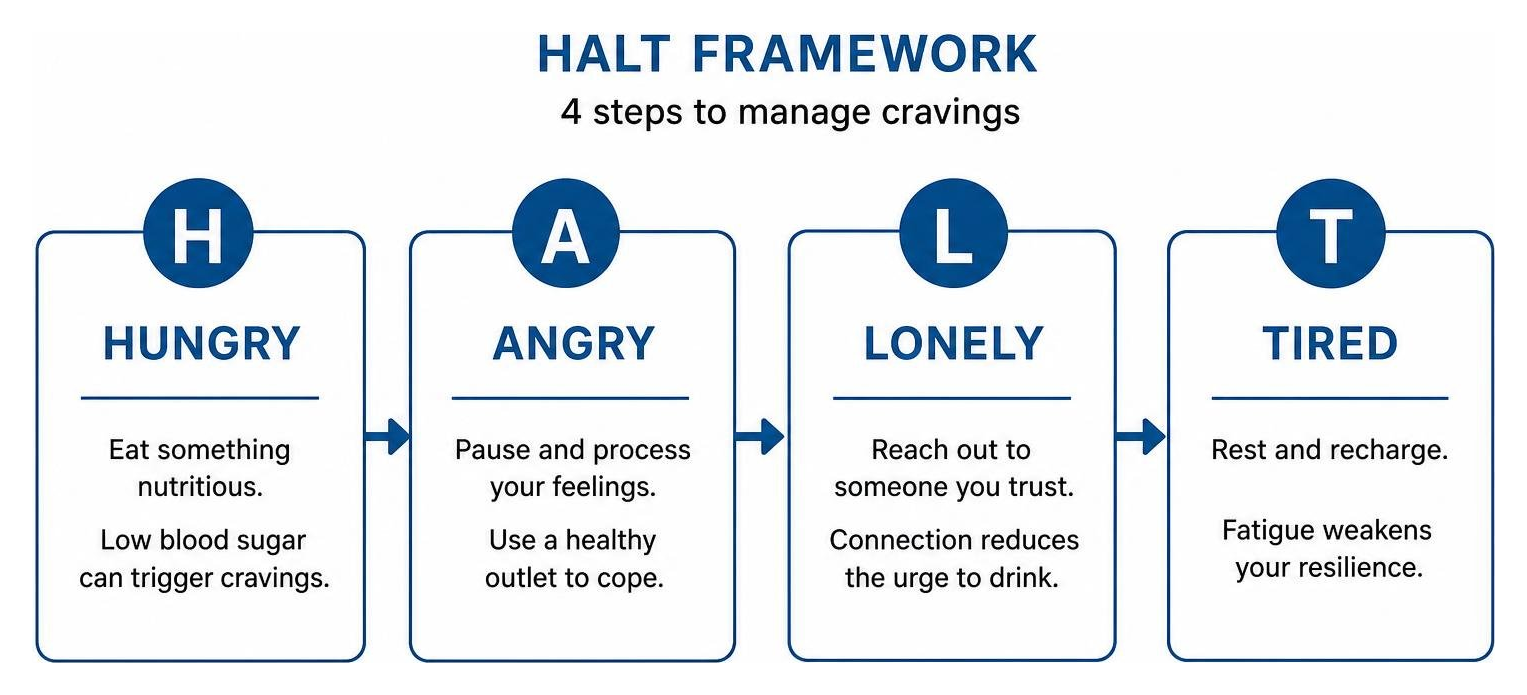
Identifying personal triggers is crucial, and using the HALT framework is an excellent way to monitor emotional states. HALT reminds individuals to check if they are feeling Hungry, Angry, Lonely, or Tired, which are common states that drive the urge to drink.
Replacing old drinking rituals with healthy physical activity, such as walking, swimming, or yoga, naturally boosts mood. Establishing a consistent sleep routine also helps repair the sleep disturbances common in early recovery.
For more tips on self-guided lifestyle design, read the Soberly self-guided approach to quitting. To build a daily recovery toolkit, individuals can also explore the sober survival toolkit.
Take the First Step Toward a Fulfilling, Alcohol-Free Life

The Freedom Room Wellness and Recovery provides compassionate, cost-effective alcohol treatment designed around individual needs. Operating within the wellness and recovery sector, the organisation features a team comprised entirely of individuals in recovery, offering authentic empathy and practical understanding.
The clinic offers personalised sessions, practical workshops, and evidence-based therapy to assist individuals in building a healthier, alcohol-free future. Located in Brisbane, the warm and welcoming clinic is prepared to support clients at every stage of the recovery journey.
Individuals do not have to navigate this transition in isolation. Lived experience allows the team to provide practical guidance, genuine care, and absolute confidentiality.
To learn more about the available treatment options, please visit Our Services. When prepared to begin, individuals can visit the clinic at 9a/521 Beams Rd, Carseldine QLD 4034, or reach out directly through the Contact Us page.
Frequently Asked Questions
How long does it take for alcohol to completely leave the system?
On average, the human body metabolises alcohol at a rate of approximately 0.015% blood alcohol concentration per hour. If the blood alcohol level reaches the legal driving limit of 0.05%, it will take approximately three to four hours to fully clear the alcohol from the bloodstream.
Can sleep medication be used to manage insomnia during early recovery?
Individuals should avoid self-prescribing sleeping pills or other depressants during early recovery, as these substances can interact dangerously with the central nervous system. It is recommended to consult a medical practitioner regarding safe, non-addictive sleep aids or focus on natural sleep hygiene practices, such as maintaining a dark room and avoiding caffeine.
What is the difference between public and private rehabilitation services in Australia?
Public rehabilitation services are government-funded, regularly assessed against national standards, and are highly accessible, though they may involve waiting lists. Private services are operated by private entities where registration is optional, making it essential to research their evidence-based credentials before enrolment.
How can an individual support a family member who is attempting to achieve sobriety?
The most effective way to support a family member is to establish an alcohol-free environment at home and avoid placing them in high-pressure social drinking situations. Encouraging them to seek professional support, listening without judgement, and focusing on building positive, healthy routines together are highly beneficial strategies.