

How Addiction Treatment Plans Create a Clear Path to Recovery
Effective addiction treatment plans turn a sincere desire for change into an actionable, personalised recovery roadmap. The therapeutic process begins with an in-depth clinical assessment, establishes manageable recovery objectives, pairs these targets with evidence-based therapies, and systematically reviews progress throughout rehabilitation. Establishing clear clinical milestones ensures that care remains focused on long-term health, psychological stability, and sustained community reintegration across every stage of healing.
A comprehensive treatment plan addresses several connected clinical and personal areas:
- Safety and physical health needs, including supervised medical withdrawal risks and physical alcohol dependence.
- Co-occurring psychological conditions, such as generalised anxiety, depression, trauma, and chronic sleep disturbance.
- Measurable recovery milestones, aligned with personal values, employment responsibilities, and family relationships.
- Practical psychosocial supports, including stable housing, healthy social networks, peer recovery groups, and relapse management.
- Structured clinical reviews, recognising that individual needs evolve across different stages of recovery.
Alcohol-related harm affects thousands of individuals and families across Australia each year. Clinical research demonstrates that recovery outcomes improve significantly when therapeutic care is tailored to the individual rather than delivered through a rigid, generic model. Verified Australian alcohol data from the AIHW highlights why compassionate, accessible, and structured care pathways remain vital for long-term health across local communities.
For an individual seeking professional care, a clinical plan represents a collaborative agreement between the client and their multidisciplinary care team. This agreement outlines baseline health, personal strengths, identified vulnerabilities, clinical safety needs, and sustainable next steps toward sobriety. Engaging in structured planning fosters accountability, builds mutual trust, and establishes realistic expectations for both the client and their support network throughout the therapeutic experience.
Developing an individualised plan also mitigates early recovery anxieties by deconstructing behavioural changes into manageable benchmarks. By understanding the immediate and long-term objectives of therapy, clients gain agency, resilience, and confidence throughout their rehabilitation journey. Structured goal setting provides clear indicators of personal progress, reinforcing self-efficacy and sustaining motivation when facing complex lifestyle transitions.
Quick addiction treatment plan resources:
Core Components of Effective Addiction Treatment Plans
Building an effective clinical recovery roadmap begins by understanding substance use disorders through a chronic health management model. A properly constructed treatment plan translates clinical data into an organised, person-centred pathway that evolves as recovery progresses. By viewing addiction through this framework, clinicians design progressive interventions supporting acute stabilisation, skill acquisition, emotional regulation, and ongoing maintenance.
Key elements of a comprehensive treatment blueprint include:
- Diagnostic Formulation: Standardised criteria determine the safest starting point and appropriate level of care.
- Collaborative Problem Statements: Identifying how substance use patterns impact daily living, relationships, and wellbeing.
- Prioritised Recovery Goals: Value-driven milestones describing specific behavioural changes.
- Targeted Clinical Interventions: Evidence-based therapies, pharmacological supports, and psychoeducation.
- Objective Outcome Measures: Standardised benchmarks monitoring emotional regulation and physical stabilisation.
Multidimensional Assessment for Addiction Treatment Plans
A resilient recovery plan relies on a thorough biopsychosocial assessment. Clinicians use multidimensional frameworks, including the ASAM Criteria assessment standards, to determine clinical intensity and understand underlying drivers of substance use. This comprehensive assessment ensures that all relevant physical, psychological, and social factors receive adequate clinical attention.
A comprehensive assessment evaluates six clinical dimensions:
- Acute Intoxication and Withdrawal Potential: Evaluating risks linked to physical dependence on alcohol to ensure safe medical stabilisation.
- Biomedical Conditions and Health History: Managing physical health concerns, nutritional deficits, and chronic illnesses.
- Emotional, Behavioural, and Cognitive Functioning: Screening for co-occurring mental health conditions and psychological trauma.
- Readiness for Change: Assessing personal motivation to select appropriate therapeutic communication techniques.
- Relapse Potential: Measuring craving severity, emotional triggers, and coping resources.
- Recovery Environment: Examining family dynamics, living arrangements, and community influences.
Setting Measurable SMART Recovery Goals
Structuring recovery objectives through the SMART framework allows clinicians and clients to track progress objectively across vital life domains:
- Craving Management: Identify three emotional triggers for drinking and practise two regulation techniques daily over 30 days.
- Emotional Health: Attend weekly counselling sessions to reduce baseline anxiety scores over eight weeks.
- Social Connection: Participate in mutual-aid support groups weekly and connect with a peer mentor within 60 days.
- Physical Wellbeing: Complete 30 minutes of moderate exercise three times weekly for six consecutive weeks.
Evidence-Based Therapies and Dual Diagnosis Care
High-quality treatment plans integrate multiple disciplines into a cohesive strategy. Clinical literature on the scientific principles of drug addiction treatment demonstrates that effective care must address the whole person. Applying multiple therapeutic modalities ensures that clients develop practical cognitive, emotional, and social resources.
Core therapeutic modalities include:
- Cognitive Behavioural Therapy: As detailed in our CBT for addiction recovery guide, CBT identifies unhelpful cognitive patterns and builds robust coping skills.
- Motivational Interviewing: Explores ambivalence about sobriety and strengthens internal motivation for change.
- Dialectical Behaviour Therapy: DBT teaches distress tolerance, mindfulness, emotion regulation, and assertiveness skills.
- Holistic Therapies: Mindfulness and breathwork through holistic addiction recovery restore nervous system balance and reduce stress.
Dual diagnosis care ensures co-occurring anxiety, depression, or trauma are treated concurrently with substance dependence. Simultaneous intervention prevents unresolved mental health symptoms from prompting cravings, reinforcing clinical stabilisation and empowering individuals with balanced coping strategies.
Executing and Updating Recovery Roadmaps for Long-Term Success
A clinical treatment plan is an evolving roadmap that adjusts to ongoing client progress. Dynamic care ensures that clinical observations, formal progress notes, and medical reviews remain aligned with the central recovery strategy. Regular case conferencing allows the multidisciplinary team to monitor changes in mood, motivation, craving intensity, and therapeutic engagement over time.
Interdisciplinary collaboration ensures that medical practitioners, individual counsellors, and group facilitators evaluate whether care intensity matches the client’s current stage of recovery. Regular clinical discussions prevent fragmented care and ensure emerging needs are addressed promptly. When life transitions or clinical breakthroughs occur, the multidisciplinary team refines objectives to maintain meaningful progress.
Progress Monitoring in Dynamic Addiction Treatment Plans
Continuous reassessment helps recovery plans adapt as clients gain emotional resilience and lifestyle stability. When goals are achieved, or unforeseen obstacles arise, the treatment plan is updated systematically to reflect new clinical priorities.
A structured review process monitors vital recovery metrics:
- Attendance and Engagement Tracking: Monitoring consistency in clinical sessions to detect early signs of avoidance or ambivalence.
- Standardised Psychometric Testing: Using periodic psychological assessments to track measurable improvements in mood, stress tolerance, and emotional stability.
- Resolving Clinical Plateaus: When progress stalls, clinical review identifies underlying barriers. Introducing specialised interventions, attending dedicated addiction recovery counselling sessions, or adjusting treatment frequency restores positive momentum.
Relapse Prevention and Sustainable Aftercare
Relapse prevention planning begins early in the treatment cycle. A structured relapse prevention plan guide equips clients with practical tools to navigate cravings, identify high-risk environments, and manage emotional triggers constructively.
Key pillars of long-term recovery include:
- Trigger Identification and Management: Mapping high-risk social settings and emotional states while establishing immediate exit strategies and refusal skills.
- Emergency Action Protocols: Developing a written plan with designated emergency contacts if unexpected substance exposure occurs.
- Continuity of Care: Using recommendations from our post-rehab support complete guide to maintain outpatient therapy, alumni check-ins, and peer group participation.
- Family System Support: Involving family members in guided education to rebuild trust, improve communication patterns, and maintain healthy boundaries.
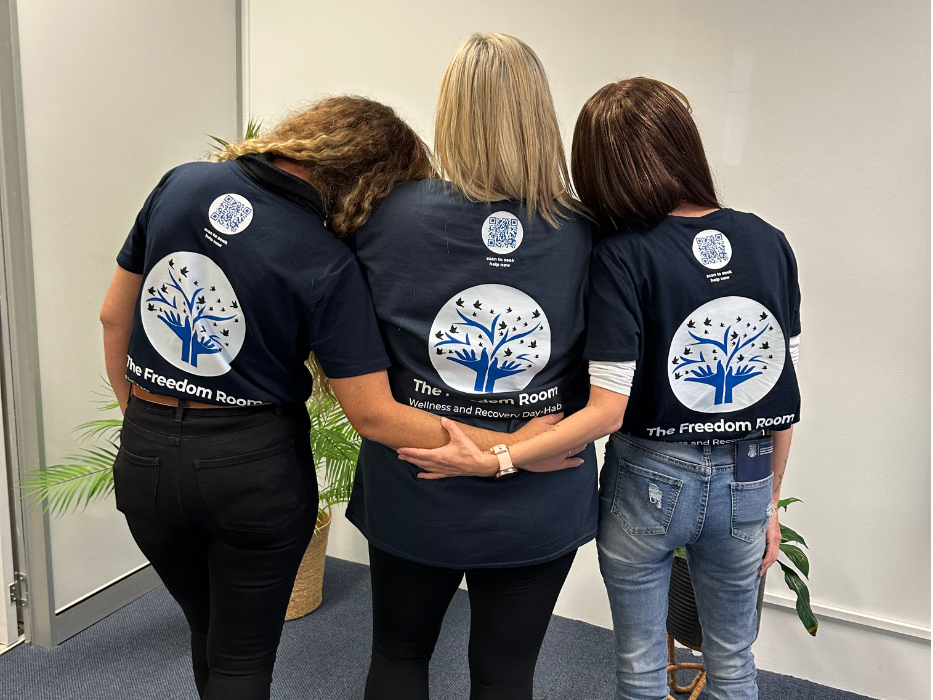
At The Freedom Room, our clinical team combines professional expertise with genuine lived recovery experience. For individuals seeking flexible outpatient programs, our alcohol rehab Brisbane services provide comprehensive guidance for sustainable independence and overall wellbeing.
Ready for Change? Let’s Build a Stronger, Alcohol-Free Future Together
Overcoming alcohol dependence is a transformative journey of restoring physical health, emotional clarity, and personal purpose. Structured, dynamic recovery planning turns complex challenges into manageable daily achievements. By treating co-occurring mental health concerns, establishing clear SMART goals, and maintaining supportive aftercare systems, sustainable sobriety is achievable for anyone ready to embrace change.
Our multidisciplinary team walks alongside you with professional clinical knowledge and authentic lived experience. If you are ready to design a personalised recovery plan, explore our Our Services page, or speak directly with our team through our Contact Us page.
The Freedom Room Wellness and Recovery 9a/521 Beams Rd, Carseldine QLD 4034 Serving Strathpine, Carseldine, and North Brisbane communities with compassionate, personalised recovery care.
Frequently Asked Questions
What is the primary purpose of an addiction treatment plan?
An addiction treatment plan serves as a comprehensive, personalised clinical roadmap. It defines measurable recovery milestones, identifies co-occurring mental health or physical concerns, outlines evidence-based therapeutic modalities, and establishes regular review schedules to guide both the individual and their care team toward lasting recovery.
How often should a recovery plan be reviewed and updated?
Treatment plans should remain dynamic. In outpatient settings, formal reviews typically take place every four to six weeks, or whenever a major clinical transition occurs, such as meeting key objectives, stepping down care intensity, or managing an unexpected life event.
Why must mental health conditions be included in the recovery plan?
Mental health challenges like anxiety, depression, and post-traumatic stress frequently co-occur with substance use. When psychological distress is left unaddressed, it often triggers renewed cravings. Treating both conditions concurrently ensures comprehensive healing and reduces relapse vulnerability.
What is the difference between a clinical goal and an objective?
A goal represents a broad, value-oriented outcome such as restoring family relationships or achieving sobriety, whereas an objective is a specific, measurable action item structured through the SMART framework.
How does outpatient addiction treatment support long-term recovery?
Outpatient addiction treatment allows individuals to engage in evidence-based clinical therapies, medical reviews, and peer support groups while managing work, study, and family commitments. By practising newly acquired coping mechanisms directly in daily life, individuals build resilient routines within their home environments.