

Finding Professional Help for Alcohol Addiction in Brisbane
Alcohol rehab brisbane services give people facing alcohol dependency a clear pathway to safety and recovery. In Brisbane you can access public, private, residential, day-program and aftercare options that match different budgets, lifestyles and clinical needs.
Quick overview of Brisbane alcohol rehab options:
- Public Services: Hospital Alcohol and Drug Service (HADS) for inpatient withdrawal; community AOD clinics for outpatient care.
- Private Facilities: Immediate-entry treatment centres, hospital programs and boutique retreats.
- Residential Programs: Six-week to six-month stays focusing on intensive therapy and community living.
- Day Programs: Structured treatment while you live at home and keep key responsibilities.
- Specialised Services: Dual diagnosis care, women-only programs and veteran-specific support.
Around half of all people who seek help for alcohol also live with anxiety, depression or another mental health concern. Choosing a program that treats both the substance use and the underlying emotional drivers dramatically boosts long-term success.
Whether you are a professional who cannot step away from work, a parent who needs local outpatient sessions, or someone who requires immediate medical detox, Brisbane’s diverse treatment landscape can meet you where you are.
1. Recognise When Professional Help Is Needed
Taking that first honest look at your relationship with alcohol can feel scary, but it’s the most important step towards getting better. Many people in Brisbane struggle with this recognition because alcohol is such a normal part of Australian social life – it’s at barbecues, work functions, and celebrations. This makes it really hard to work out when your drinking has crossed the line from social to problematic.
The thing is, your body often tells you before your mind does. Physical warning signs are usually the first clues that you might need alcohol rehab brisbane services. When you haven’t had a drink for a while, you might notice your hands shaking, sweating more than usual, or feeling nauseous.
Signs you may need alcohol rehab brisbane
Often, the people closest to you notice changes before you do. If your family, mates, or work colleagues have mentioned they’re worried about your drinking, it’s worth listening to them. They care about you and can see things from the outside that you might miss.
The warning signs that suggest it’s time to seek professional help include experiencing withdrawal symptoms like tremors, anxiety, or sweating when you’re not drinking. Binge drinking episodes that are happening more often or getting more intense are another clear signal.
Legal troubles related to alcohol use – whether it’s drink driving, public intoxication, or other alcohol-related incidents – are serious wake-up calls that professional intervention is needed.
Here are the red flags that require immediate professional attention: daily drinking or feeling like you can’t go a day without alcohol, needing a drink in the morning to stop withdrawal symptoms, hiding your drinking from family and friends, neglecting important responsibilities, continuing to drink despite health problems, experiencing blackouts or memory loss, feeling guilty or defensive about your drinking habits, drinking alone or in secret, making excuses for your drinking behaviour, and putting alcohol before important relationships or activities.
The good news is that early intervention makes a huge difference. Research shows that people who reach out for help during the earlier stages of alcohol dependency respond much better to treatment and have higher success rates for long-term recovery.

2. Understand the Types of Alcohol Rehab Brisbane Offers
When you’re ready to seek help, Brisbane’s alcohol rehab landscape offers something for everyone. The beauty of having multiple options is that you can find a program that genuinely fits your life, rather than trying to squeeze your circumstances into a one-size-fits-all approach.
Detoxification units are often the starting point for people with physical alcohol dependency. The Hospital Alcohol and Drug Service (HADS) provides medically supervised withdrawal management across Brisbane, using structured medication regimes to keep you safe and comfortable during the detox process.
Residential programs offer the most comprehensive support, where you live on-site and focus entirely on recovery. These programs typically provide six-week cycles that can extend up to three months, combining individual counselling with community living responsibilities.
For those who need intensive support but can’t step away from their daily responsibilities, day programs provide an excellent middle ground. These programs offer the flexibility to receive professional treatment while maintaining some of your normal routines.
Outpatient services provide regular counselling and support while you continue living at home. These programs suit people with strong support networks and less severe dependency issues.
Telehealth options have become increasingly popular, especially for follow-up care and ongoing support. This approach works well for people in remote areas or those who find it difficult to attend in-person sessions regularly.
If you’re looking for comprehensive support, we offer Alcohol Dependence Detox services alongside Group Therapy Addiction Recovery programs that combine individual attention with the power of peer support.
Matching program intensity to your lifestyle
The right program intensity depends on balancing your clinical needs with practical realities. If you have work commitments that can’t be interrupted, day programs or intensive outpatient treatment might be more suitable than residential care.
Caring duties for children, elderly parents, or other family members often influence treatment decisions. Some facilities offer family support programs that help manage these responsibilities during treatment.
The severity of your alcohol dependency also guides program selection. If you’re experiencing severe withdrawal symptoms, have made multiple failed attempts at sobriety, or are dealing with co-occurring mental health conditions, residential treatment’s 24-hour support structure typically provides the best foundation for recovery.
Flexible scheduling has become a priority for many alcohol rehab brisbane services. Evening programs, weekend intensives, and part-time options mean you don’t have to choose between getting help and maintaining your responsibilities.
3. Compare Public vs Private Pathways
Choosing between public and private alcohol rehab brisbane services is one of the most important decisions you’ll make in your recovery journey. Both pathways offer genuine support, but they differ significantly in accessibility, cost, and treatment experience.
Public services operate through Queensland’s government-funded system, primarily accessed via the centralised intake line. The Hospital Alcohol and Drug Service (HADS) provides medically supervised withdrawal management across the state, while community alcohol and drug services offer ongoing outpatient support. These services are completely free, covered by Medicare, but this accessibility comes with waiting periods that can feel frustrating when you’re ready to make a change.
Private facilities offer immediate admission and often more personalised care, but require either private health insurance or self-funding. The trade-off is clear: you’ll typically get faster access and more luxurious amenities, but at a significant financial cost.
Wait times represent the biggest practical difference between these pathways. Public services might have you waiting days or weeks for non-urgent admissions, while private facilities can often accommodate you within 24-48 hours. When someone reaches that crucial moment of being ready for help, this timing difference can be absolutely critical.
Choosing public or private alcohol rehab brisbane
The decision between public and private alcohol rehab brisbane services depends on your financial situation, urgency of need, and personal preferences. Public services excel in providing comprehensive clinical care with experienced staff who understand addiction treatment inside and out. These programs follow evidence-based protocols and integrate seamlessly with other health services you might need.
Private facilities shine in offering immediate access and premium amenities like private rooms, gourmet meals, and spa-like environments. The client-to-staff ratios are typically lower, meaning more individualised attention throughout your treatment journey.
State-funded services like HADS require clinical assessment before admission, usually arranged through your local community alcohol and drug service, GP, or emergency department. This process ensures you receive appropriate care but can create delays when you’re feeling motivated to start treatment immediately.
Private facilities often streamline this process, conducting assessments and admissions on the same day. This quick turnaround can be invaluable when you’re ready to commit to recovery but worried about losing momentum.
Veterans with DVA White and Gold cards have access to private treatment at no cost, providing an excellent middle ground that combines private facility benefits with public funding. This pathway offers some of the best of both worlds for those who’ve served our country.
4. Map Out the Admission Process and Wait Times
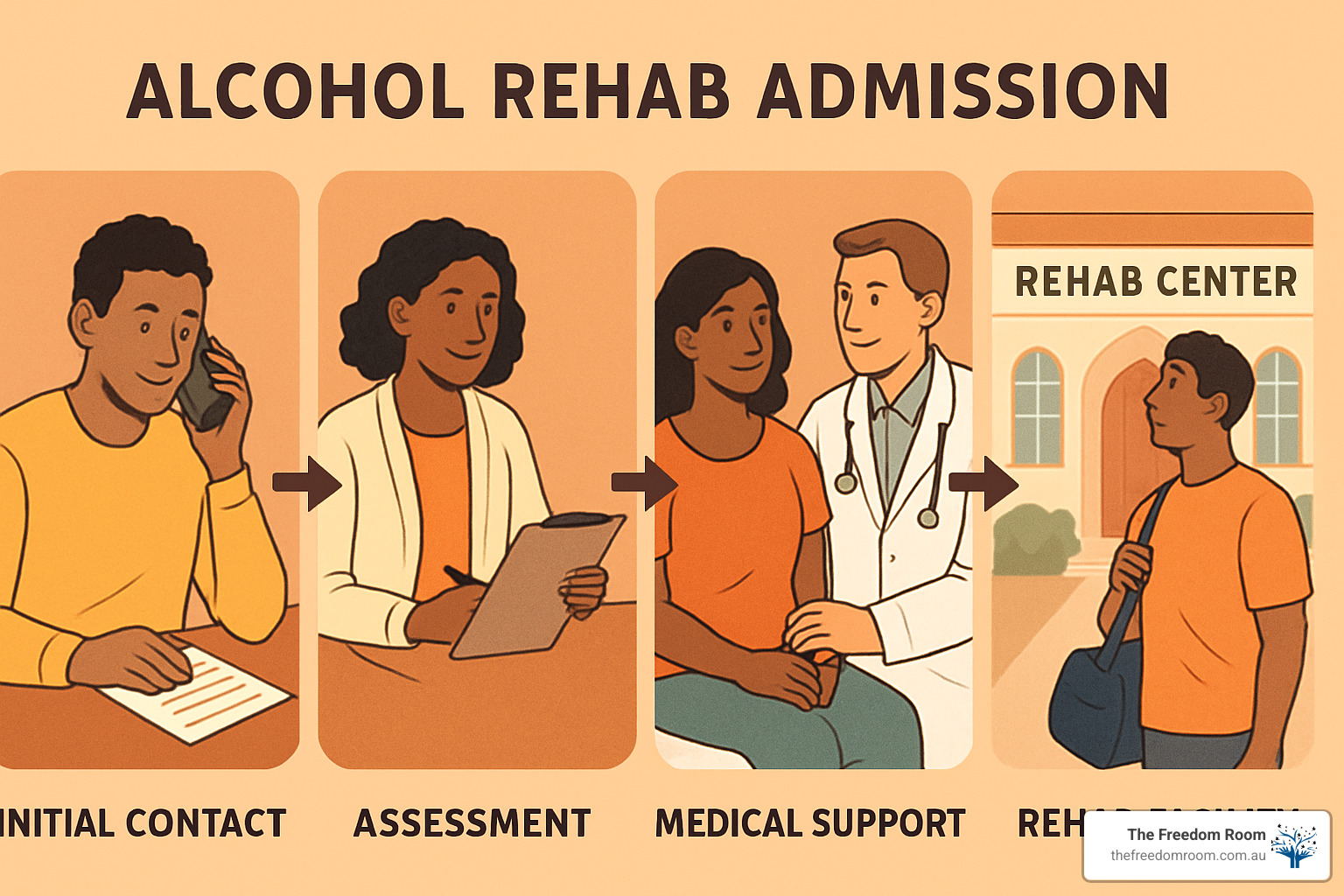
Getting started with alcohol rehab brisbane services doesn’t have to feel overwhelming when you understand the typical admission journey. Most facilities follow similar pathways, though each has its own specific requirements and timelines.
The beauty of many Brisbane programs is that self-referral is often possible. You don’t always need to wait for someone else to make the first move. Many facilities welcome people who reach out directly through their website or by calling their intake team.
GP referrals aren’t always mandatory, but they can be incredibly helpful, especially when accessing public services. Your GP already knows your medical history and can coordinate seamlessly with treatment providers.
The intake assessment process is designed to understand your unique situation rather than judge it. These conversations typically explore your medical history, drinking patterns, mental health concerns, and what support you have at home.
Pre-admission preparation varies depending on your needs. Some people require medical clearance, particularly if detoxification is needed. Certain residential programs prefer clients to complete detox before entering their main treatment program, whilst others provide integrated detox and rehabilitation services.
Fast-tracking your entry
When you’re ready for change, waiting can feel impossible. Fortunately, several pathways can speed up your access to treatment. The centralised intake line at 1800 177 833 operates around the clock, providing immediate advice and connecting you with the nearest available service.
Dual diagnosis situations – where alcohol dependency occurs alongside mental health conditions like anxiety or depression – often receive priority consideration. Scientific research on co-occurring disorders consistently shows that addressing both conditions simultaneously leads to more successful recovery.
If you’re experiencing severe withdrawal symptoms or medical complications, presenting to a hospital emergency department can provide immediate assessment and potential admission to detox services.
Private facilities typically offer the fastest access, with some providing same-day admission when clinically appropriate. This quick response recognises that motivation for change can be fleeting, and capturing that readiness is crucial for successful treatment outcomes.
5. Factor in Costs, Insurance and Funding Support
Money worries shouldn’t stop you from getting the help you need. The good news is that alcohol rehab brisbane services offer various funding options and payment approaches to make treatment accessible, regardless of your financial situation.
Private health insurance often covers a significant portion of treatment costs at accredited facilities. The amount of coverage depends on your specific policy and fund, so it’s worth calling your insurer to understand exactly what’s included. Many people are pleasantly surprised to find their coverage is more comprehensive than they initially thought.
DVA coverage provides exceptional support for our veterans. If you hold a White or Gold DVA card, you can access private treatment without any out-of-pocket costs. Other DVA cards may provide partial coverage, but it’s still worth exploring this option if you’ve served our country.
Centrelink contributions can help bridge the gap for residential programs. Some facilities accept a portion of your government payments towards treatment costs, making longer-term care more manageable financially.
The reality is that treatment costs vary widely depending on the type of program and level of care you choose. Public services through the Hospital Alcohol and Drug Service are free, while private facilities range from affordable day programs to luxury residential retreats.
For a comprehensive breakdown of what you might expect to invest in your recovery, our detailed guide How Much Does Rehab Cost in Australia? covers all the financial aspects you need to consider.
Budgeting for recovery without stress
Planning your treatment finances doesn’t have to be overwhelming. The key is getting itemised quotes that clearly outline what’s included in your treatment package. Some facilities bundle everything together – accommodation, meals, therapy sessions, medications, and aftercare support – while others charge separately for different services.
Gap payments might apply even with excellent private health insurance. Understanding these potential costs upfront helps you prepare financially and avoid any surprises during treatment. Most facilities are happy to work with you to estimate your total out-of-pocket expenses before you commit.
Don’t forget to factor in travel expenses if you’re considering residential programs outside your immediate area. Some facilities offer transport services or can recommend nearby accommodation for family visits.
Payment plans are becoming increasingly common at private facilities. Rather than requiring large upfront payments, many providers allow you to spread costs over time, making quality treatment more accessible when you need it most.
The most important thing to remember is that investing in your recovery pays dividends for the rest of your life. Most people find that the money they save by not drinking, combined with improved work performance and relationships, more than covers their treatment investment over time.
6. Assess Program Quality: Therapies, Aftercare and Success Indicators
Choosing the right alcohol rehab brisbane program means looking beyond fancy brochures and impressive facilities. The quality of treatment you receive will ultimately determine your success, so it’s worth taking time to evaluate what really matters.
Accreditation serves as your first quality checkpoint. Look for facilities that meet rigorous standards from recognised organisations. This accreditation means the program has been independently reviewed and meets specific criteria for safety, effectiveness, and ethical practice.
Evidence-based therapies should form the backbone of any quality program. The most effective treatments have been thoroughly researched and proven to work. These include cognitive-behavioural therapy, which helps you identify and change thinking patterns that lead to drinking, and motivational interviewing, which strengthens your own motivation to change.
Dual diagnosis treatment becomes crucial if you’re dealing with both alcohol dependency and mental health conditions like anxiety or depression. Research consistently shows that treating both conditions together leads to better outcomes than addressing them separately. About two-thirds of people seeking addiction treatment also have mental health needs that require integrated care.
Our Therapy for Alcohol Addiction services incorporate these evidence-based approaches, custom to your individual needs and circumstances.
Relapse prevention strategies deserve special attention because staying sober after treatment is where the real work begins. Quality programs teach you practical skills for managing triggers, handling stress, and building a supportive lifestyle that doesn’t revolve around alcohol.
Family support programs recognise that addiction affects everyone around you. The best programs include family members in the healing process, providing them with education and support while helping repair damaged relationships.
Questions to ask before enrolling
Staff credentials matter more than you might think. Ask about the qualifications of clinical staff, their experience in addiction treatment, and whether any team members are in recovery themselves. There’s something powerful about working with someone who truly understands your journey from personal experience.
Treatment individualisation separates good programs from great ones. Your addiction story is unique, and your treatment should reflect that. Ask how the program adapts to individual needs, what assessment processes they use, and how they measure progress throughout treatment.
Aftercare support often determines long-term success. Find out what happens after you complete the residential portion of treatment. How long does aftercare support continue? Are there ongoing support groups or alumni communities? What resources are available if you’re struggling months or years later?
Success indicators give you realistic expectations. While no program can guarantee success, quality facilities track their outcomes and can discuss their approach to measuring effectiveness. They should be transparent about what success looks like and honest about the challenges you might face.
The treatment environment affects your comfort and focus. Ask about living conditions, daily routines, recreational activities, and policies around privacy and family contact. You’ll be spending significant time in this environment, so it needs to feel safe and supportive.
7. Reach Out and Make an Enquiry Today
The hardest part of recovery is often making that first phone call. If you’re reading this, you’ve already taken a significant step by seeking information about alcohol rehab brisbane services. Now it’s time to transform that research into action.
Confidential helplines are available 24/7 because we understand that the moment you decide to seek help might not happen during regular business hours. The ADIS support line (1800 177 833) connects you with trained professionals who can guide you through Brisbane’s treatment options without judgement or pressure.
Many people find online enquiry forms less intimidating than phone calls, especially when you’re feeling vulnerable or uncertain. These forms allow you to share your story at your own pace and receive detailed information about programs that might suit your situation.
The beautiful thing about reaching out is that you’re not committing to anything except getting information. Treatment providers understand that people need time to process options and make decisions that feel right for them.
For ongoing support throughout your recovery journey, our Alcohol Addiction Support Services provide comprehensive assistance that extends well beyond initial treatment.
Preparing for the first conversation
Having some information ready makes that initial conversation smoother and helps intake staff understand your needs better. Don’t worry about having everything perfect – they’re used to helping people who are feeling overwhelmed.
Your medical history is important because it affects treatment planning. Gather information about current medications and dosages, any previous treatment attempts, and relevant medical or mental health conditions. If you have a family history of addiction, that’s also helpful context.
Think about your personal goals before calling. What do you hope to achieve through treatment? Are you looking for residential care or outpatient support? Do you have work commitments or family responsibilities that might affect your treatment schedule?
Practical details like your insurance coverage, availability for treatment, and transportation arrangements help staff provide accurate information about options and costs. Having an emergency contact in mind is also useful.
Intake staff have heard every story and situation imaginable. They’re trained to handle these conversations with compassion and won’t judge you for your circumstances. Their job is to help you find the right path forward, not to make you feel worse about where you are right now.
The conversation might feel emotional, and that’s completely normal. Taking this step shows incredible strength and self-awareness. You’re not just calling for help – you’re calling to reclaim your life.
Frequently Asked Questions about alcohol rehab brisbane
What is the average program length?
Alcohol rehab brisbane programs vary considerably in length, and there’s no one-size-fits-all answer. The duration depends on your individual needs, the severity of your alcohol dependency, and the type of treatment you choose.
Detoxification is typically the shortest component, lasting between 3-7 days. This medically supervised process helps your body safely adjust to functioning without alcohol.
Residential programs offer the most intensive support and usually run from six weeks to six months. Many Brisbane facilities structure their programs in cycles – for instance, some offer six-week cycles that can be extended up to three months if you need additional support.
Day programs and outpatient treatment can continue for several months, with sessions gradually reducing as you strengthen your recovery. These programs recognise that recovery is a process, not a destination.
Can I keep working while in treatment?
Absolutely, and many people successfully balance treatment with their professional responsibilities. Brisbane offers numerous treatment options specifically designed for working professionals who can’t step away from their careers entirely.
Day programs are particularly popular for this reason. You receive intensive treatment during the day and return home in the evenings to maintain your routine.
Intensive outpatient services offer even more flexibility, with sessions that can often be scheduled around work hours. Many providers offer evening and weekend appointments.
Outpatient counselling provides ongoing support whilst you continue working full-time. This might involve weekly or fortnightly sessions that gradually reduce in frequency as you progress.
How is relapse prevented after discharge?
Relapse prevention is absolutely crucial, and quality alcohol rehab brisbane programs recognise that recovery doesn’t end when you complete treatment.
Aftercare planning starts before you’re discharged and creates a roadmap for maintaining your sobriety. This isn’t just a list of suggestions – it’s a comprehensive plan custom to your specific triggers, strengths, and circumstances.
Ongoing support typically includes regular counselling sessions, participation in support groups, and scheduled check-ins with your treatment team.
Crisis management plans are essential components of relapse prevention. These plans help you recognise early warning signs and provide specific steps to take when you’re struggling.
Take the First Step Toward a Fulfilling, Alcohol-Free Life
Your journey through this guide represents something profound – the courage to seek help and the commitment to change. Finding the right alcohol rehab brisbane services isn’t just about choosing a program; it’s about taking that first brave step towards reclaiming your life from alcohol dependency.
At The Freedom Room, we see this courage every day. We understand that reaching out for help feels overwhelming because many of us have walked this path ourselves. Our team includes people in recovery who truly understand what you’re facing – the fear, the uncertainty, and the hope that things can get better.
Recovery is absolutely possible, and you don’t have to do it alone. Whether you’re dealing with daily drinking that’s spiralled out of control, struggling with withdrawal symptoms, or finding that alcohol is affecting your relationships and work, there’s a path forward that’s right for you.
Brisbane’s treatment landscape offers something for everyone. From medically supervised detox to residential programs that provide round-the-clock support, to flexible day programs that let you maintain your commitments whilst getting the help you need. The key is finding the approach that fits your life, your needs, and your goals.
We know that cost and accessibility matter. That’s why we focus on compassionate, cost-effective treatment that doesn’t compromise on quality. Our personalised sessions, workshops, and therapy programs are designed around your unique circumstances – because your recovery journey is entirely your own.
The research consistently shows that people who receive the right support at the right time achieve lasting recovery. Brisbane’s diverse treatment options mean you don’t have to settle for a one-size-fits-all approach. Whether you need intensive residential care, ongoing outpatient support, or help managing both alcohol dependency and mental health concerns, there’s a program that can meet you where you are.
Don’t let another day pass wondering if things will get better on their own. They can get better – with the right support, professional guidance, and your commitment to change. The hardest part is often making that first phone call, but it’s also the most important step you’ll take.
Your recovery matters – to you, to your family, and to everyone who cares about you. Taking action today isn’t just about stopping drinking; it’s about building a life where you feel genuinely free, healthy, and fulfilled.
Ready to begin your recovery journey? Contact us today to learn more about our Alcohol Addiction Recovery programs and find how we can support you every step of the way towards a healthier, alcohol-free life that you’ll actually want to live.