

Why Understanding Your Alcohol Rehab Options Is the First Step to Recovery
Alcohol rehab options in Australia are far more varied and flexible than most people realise. Here is a quick overview of the main pathways available:
- Medical detox: Supervised withdrawal to safely manage physical dependence on alcohol
- Residential rehabilitation: A structured live-in program, typically three to twelve months
- Intensive outpatient programs (IOP): Structured therapy sessions while living at home
- Standard outpatient counselling: Regular sessions with a therapist or counsellor
- Telehealth and eHealth tools: Phone, video, or app-based support for remote or private care
- Mutual support groups: Peer-led programs such as Alcoholics Anonymous or SMART Recovery
- Pharmacotherapy: Non-addicting medications prescribed by a GP
Many people assume there are only two choices when it comes to getting help for physical alcohol dependence: check into a residential facility or attend Alcoholics Anonymous. But today, the reality is very different.
Recovery support now spans a wide spectrum, from short-term medical detox through to long-term residential care, flexible outpatient programs, telehealth sessions, and digital tools you can access from home. The right path depends on the individual, not a one-size-fits-all formula.
In Australia, data from the Australian Institute of Health and Welfare consistently shows that alcohol remains one of the most commonly used and harmful substances in the country. Yet despite how widespread physical alcohol dependence is, the gap between those who need help and those who actually seek it remains significant.
The barriers are real. Stigma, cost, confusion about where to start, fear of disrupting work or family life: these are all reasons people delay getting support. But evidence clearly shows that treatment works. Research indicates that approximately one-third of people who complete alcohol treatment have no further symptoms and fewer alcohol-related problems one year later.
Understanding these pathways is the first step toward making an informed decision. Whether you are exploring options for yourself or someone you care about, this overview provides a clear breakdown of every major pathway available in Australia today.
Understanding Your Alcohol Rehab Options in Australia
Choosing the right path to recovery requires a clear understanding of the healthcare landscape. In Australia, we operate under a dual system of public and private services. Each system offers distinct advantages, but both are designed to help individuals transition from physical dependence to long-term wellness.
Before choosing a program, a comprehensive clinical assessment is essential. This evaluation is conducted by a general practitioner, addiction specialist, or intake counsellor. The assessment reviews your physical health, mental health history, the severity of your alcohol use, and your social support systems. This ensures you enter the level of care that matches your clinical needs, minimising the risk of relapse and ensuring your safety.
Professional Treatment Components and Alcohol Rehab Options
Professionally led treatment for physical dependence on alcohol rests on two main pillars: psychological support and medical management. When an individual has a severe physical dependence on alcohol, stopping suddenly can cause dangerous withdrawal symptoms. This is why medical detoxification is often the necessary first step to ensure safety before psychological therapeutic work begins.
Once physical stability is achieved, the psychological component of recovery starts. Licensed therapists use evidence-based talk therapies to help individuals identify their drinking triggers and build healthy coping mechanisms. Combining clinical therapy with medical supervision provides the highest success rate. To learn more about how these components fit together, explore our comprehensive guide on Addiction Treatment Options.
The detoxification process must be managed with extreme care. Medical professionals monitor vital signs and may administer medications to alleviate withdrawal symptoms, ensuring the patient remains safe and comfortable. Following detox, the transition to psychological therapy is critical, as detox alone does not address the underlying behavioural patterns associated with physical alcohol dependence.
Residential Rehabilitation and Live-In Support
Residential rehabilitation involves living at a dedicated treatment facility while undergoing structured therapy. These programs offer a highly supportive environment, removing individuals from everyday stressors and triggers. Residents participate in group therapy, individual counselling, educational workshops, and holistic wellness activities.
The duration of stay in a residential facility typically ranges from thirty days to several months, depending on the severity of the condition. In Australia, all residential admissions are voluntary, meaning participants can technically choose to leave, though completing the program is highly recommended for lasting recovery. For those requiring extended, structured environments, looking into Long-Term Alcohol Rehab is often beneficial. It is also important to understand the financial aspects by reviewing How Much Does Rehab Cost in Australia before making a decision.
These facilities provide a structured daily schedule that helps individuals rebuild routine and discipline. Therapeutic activities are designed to address the psychological aspects of dependence, helping residents develop emotional regulation and relapse prevention strategies. The immersive nature of residential care allows for deep self-reflection and healing away from the triggers of daily life.
Flexible Outpatient and Modern Alcohol Rehab Options
For individuals who cannot take extended leave from work, study, or family commitments, outpatient care offers a highly flexible alternative. Intensive Outpatient Programs (IOP) provide structured therapy sessions several times a week while allowing you to live at home. This option is ideal for maintaining daily routines while receiving professional help.
Modern advancements have also introduced highly effective virtual options. Telehealth sessions allow individuals to meet with therapists via secure video calls, while eHealth tools and mobile applications help track progress and manage cravings. These options provide maximum privacy and convenience. To compare these flexible pathways with traditional live-in programs, read about the various Alternatives to Rehab available today. You can also review the international framework for these services through the Types of Alcohol Treatment | Alcohol Treatment Navigator | NIAAA.
Outpatient programs are highly structured but allow participants to remain integrated in their communities. This model is particularly beneficial for individuals who have completed residential treatment and require a transitional phase of support as they reintegrate into their daily lives. It also serves as an accessible entry point for those with early-stage physical dependence on alcohol who do not require 24-hour supervision.
Evidence-Based Therapies and Pharmacotherapy
Evidence-based psychological therapies are the cornerstone of modern alcohol recovery. Cognitive Behavioural Therapy (CBT) is widely used to help individuals identify and change unhelpful thought patterns and behaviours. Another highly effective approach is motivational interviewing, which helps resolve ambivalence and strengthens an individual’s personal commitment to change. To understand how these psychological strategies are applied, read more about EFT and CBT Therapy.
In addition to therapy, pharmacotherapy can play a vital role in reducing cravings and preventing relapse. GPs and addiction specialists can prescribe non-addictive, approved medications:
- Acamprosate: Helps stabilise chemical signals in the brain that are disrupted by long-term alcohol use, reducing physical cravings.
- Naltrexone: Blocks the pleasurable effects of alcohol, making it easier to stop drinking and maintain abstinence.
- Disulfiram: Produces highly unpleasant physical reactions if alcohol is consumed, acting as a strong physical deterrent.
These clinical interventions are highly customisable, making them excellent choices for busy professionals. For more tailored strategies, see our guide on Top Rehab Options for High-Powered Professionals.
Accessing Affordable Support and Government Services
Cost should never be a barrier to receiving life-saving support. In Australia, public alcohol and drug services are funded by federal and state governments. These services are often free or highly subsidised, though they may have longer waiting lists. Public facilities must adhere strictly to the National Quality Framework for drug and alcohol treatment, ensuring high standards of care.
For those utilising the public system, co-payments are sometimes covered through Centrelink benefits. Additionally, Medicare subsidies can help cover the cost of outpatient GP visits and psychological therapy sessions. Veterans can also access specialised, fully funded addiction treatment through the Department of Veterans’ Affairs (DVA). To understand the financial landscape better, you can read our detailed breakdown of the Cost of Rehab or explore our Affordable Addiction Treatment Services.
State-based health departments operate dedicated intake lines that provide free, confidential assessments and referrals to local services. Navigating these systems can be complex, but general practitioners are well-equipped to guide patients through the process, including the preparation of Mental Health Treatment Plans where applicable.
The Role of Aftercare and Mutual Support Groups
Completing a formal rehabilitation program is a major milestone, but maintaining sobriety requires ongoing effort. This is where aftercare planning becomes essential. Aftercare focuses on relapse prevention, continuing therapy, and building a supportive community to help you navigate life’s daily challenges without alcohol.
Mutual support groups provide vital peer-led encouragement. Programs like Alcoholics Anonymous (AA) offer a traditional, spiritual, 12-step approach, while SMART Recovery focuses on cognitive behavioural tools and self-empowerment. Engaging with peer support networks helps reduce isolation and reinforces accountability. For those living in Queensland, finding local support is easy when you explore Alcohol Rehab Brisbane resources.
Aftercare plans are highly individualised and may include ongoing individual therapy, attendance at support groups, and regular check-ins with a recovery coach. The transition back into everyday life can be challenging, and having a structured plan in place significantly reduces the risk of relapse. Peer support networks play an invaluable role in this phase, offering a sense of belonging and shared experience.
Take the First Step Toward a Fulfilling, Alcohol-Free Life

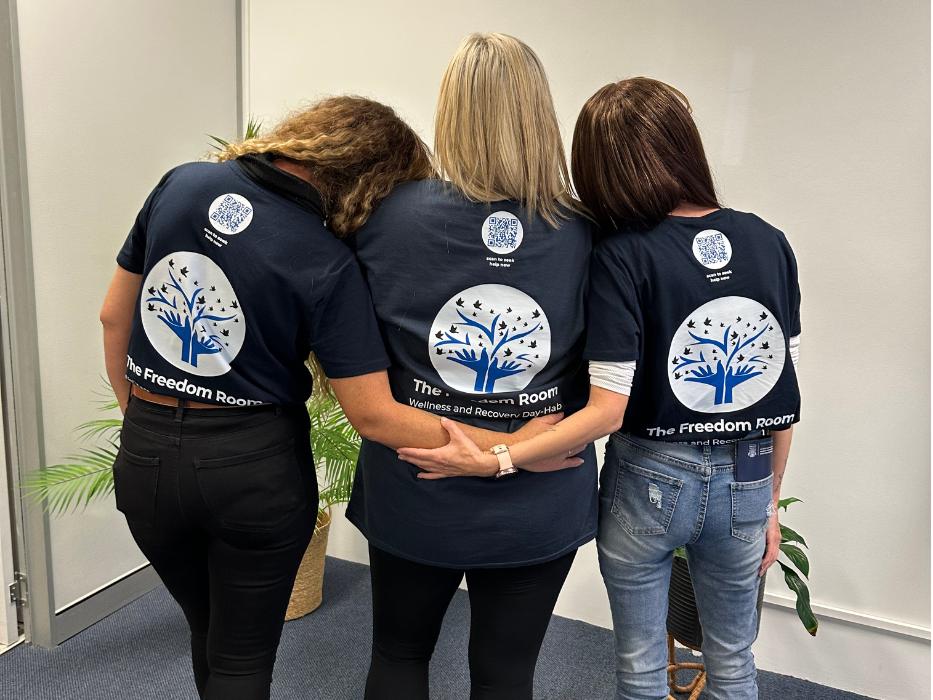
At The Freedom Room Wellness and Recovery, we understand that taking the first step is often the hardest part of the journey. We operate with a deep sense of compassion, guided by a team that has walked this path and is in recovery themselves. We provide authentic, lived-experience support that is completely free of judgement.
We are proud to offer our highly accessible 12 Week Online Recovery Program, designed to deliver professional, structured support directly to your home. Whether you are looking for outpatient counselling, recovery workshops, or a structured online program, we are here to walk beside you every step of the way.
Our physical location is located in Queensland at 9a/521 Beams Rd, Carseldine QLD 4034, serving the local Strathpine and Brisbane communities with dedicated in-person and virtual services.
To learn more about how we can support your unique path to wellness, explore Our Services page. When you are ready to make a change, please Contact Us to speak with a caring professional who understands exactly what you are going through.
Frequently Asked Questions
What is the difference between public and private alcohol rehab in Australia?
Public rehab services are government-funded, often free or low-cost, and must comply with the National Quality Framework. However, they typically have longer waiting lists. Private rehab services require out-of-pocket fees or private health insurance, but they generally offer immediate admission and more comfortable, private amenities.
Can I undergo alcohol detox safely at home?
For individuals with a severe physical dependence on alcohol, unsupervised withdrawal can be highly dangerous and potentially life-threatening. A professional medical assessment is always required to determine if a supervised clinical detox is necessary before starting any therapeutic rehabilitation program.
How do I know if outpatient or residential rehab is right for me?
The right level of care depends on your clinical assessment. Residential rehab is highly recommended for individuals with severe physical dependence, unstable housing, or co-occurring mental health conditions. Outpatient rehab is ideal for those with mild to moderate conditions, a supportive home environment, and ongoing work or family commitments.