

Understanding Your Options for Recovery and Support
Therapy for drinking problems provides evidence-based pathways to recovery. These treatments address both the physical and psychological aspects of alcohol dependence. For individuals with mild concerns about their drinking or those with a severe alcohol use disorder, professional support can facilitate regaining control and establishing a life free from alcohol.
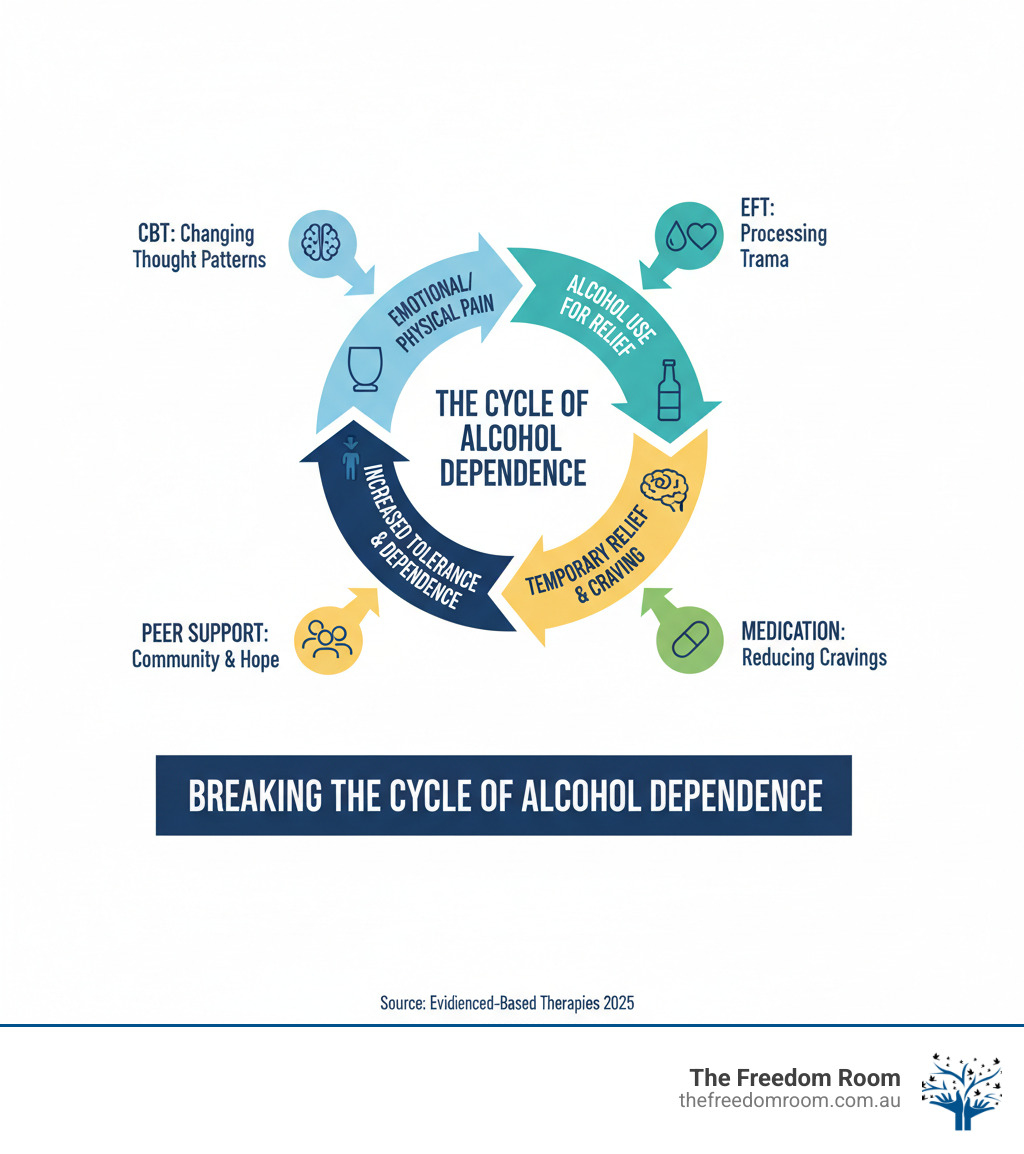
The main therapeutic approaches include:
- Cognitive Behavioural Therapy (CBT): This approach changes unhelpful thinking patterns and behaviours related to alcohol.
- Motivational Improvement Therapy (MET): This therapy builds an individual’s internal motivation to change their drinking habits.
- Emotional Freedom Techniques (EFT): This technique uses gentle tapping to process trauma and reduce stress triggers.
- Medication-Assisted Treatment: This treatment combines therapy with non-addictive medications to reduce cravings.
- Group Therapy: This format provides peer support and shared recovery experiences.
- Family Therapy: This therapy addresses the impact on relationships and helps build support systems.
Research indicates that most individuals can reduce their drinking or achieve abstinence with appropriate support. While studies suggest that only 24% of people with alcohol use disorder receive formal treatment, those who engage with therapy demonstrate significant improvements in their physical health, mental wellbeing, and quality of life.
The recovery process is highly individualised. Some individuals benefit from intensive residential programs, while others achieve success with outpatient counselling sessions. A combination of different therapeutic approaches often creates the most robust foundation for lasting change.
Professional therapy addresses not just the drinking behaviour itself, but also the underlying factors that contribute to alcohol dependence. This might include managing anxiety or depression, processing past trauma, developing healthier coping strategies, or rebuilding damaged relationships.
Understanding Alcohol Use Disorder and When to Seek Help
Identifying when alcohol consumption has become problematic is a critical step toward improving wellbeing. Therapy for drinking problems begins with the understanding that Alcohol Use Disorder (AUD) is a recognised medical condition and not an indication of a character flaw or personal weakness.
Many Australians find themselves questioning their relationship with alcohol at some point. These moments of reflection are valuable opportunities to honestly assess personal drinking patterns.
Recognising the Warning Signs
Because warning signs often build slowly, recognising a drinking problem isn’t obvious; here’s how to spot it and act early.
Key Indicators of Problematic Use
Key indicators include experiencing cravings for alcohol during stressful moments or feeling a strong urge to drink at specific times of the day. Many people find they consume more alcohol, or for longer periods, than they originally intended.
Continuing to drink despite negative consequences is another significant indicator. This may manifest as persisting with alcohol use even when it causes relationship problems, affects work performance, or worsens existing health conditions. An individual may also find themselves spending considerable time obtaining alcohol, drinking, or recovering from its effects.
Other concerning patterns include repeatedly attempting to reduce consumption without success, giving up important activities because of drinking, or using alcohol in physically dangerous situations such as driving. Some individuals develop a high tolerance, requiring more alcohol to achieve the same effect, while others experience withdrawal symptoms when they cease drinking.
Diagnostic Classification
The diagnostic criteria for AUD classify the condition as mild (2-3 symptoms), moderate (4-5 symptoms), or severe (6 or more symptoms). In Australia, while overall drinking rates have declined in recent years, alcohol remains the most widely used drug, and many Australians experience alcohol-related problems. The Australian guidelines to reduce health risks from drinking alcohol provide current recommendations for safe drinking limits.
If these patterns are recognisable, seeking professional support can make a significant difference. Our Addiction Counselling services provide comprehensive support customised to individual needs.
The Wide-Reaching Impact of Problematic Drinking
Problematic drinking affects more than just the individual consuming alcohol. The consequences extend to physical health, mental wellbeing, and relationships.
Physical Health Effects
Long-term excessive alcohol use can cause severe and sometimes irreversible physical health effects. Liver damage, including alcoholic hepatitis and cirrhosis, is one of the most serious risks. Alcohol is also classified as a carcinogen, which particularly increases the risk of oesophageal cancer and other malignancies.
Mental Health Impact
The mental health impact is equally significant. Many people with AUD also experience co-occurring conditions such as anxiety, depression, PTSD, or ADHD. These conditions often create a cycle where alcohol is used to self-medicate mental health symptoms, which are then exacerbated by alcohol’s depressive effects. Our specialised Anxiety and Addiction Treatment addresses these interconnected challenges.
Relationship and Professional Strain
Relationship strain frequently develops as drinking continues despite its negative impact on family and friendships. Partners may experience frustration, hurt, or helplessness, while children can experience confusion and emotional distress. Work or school performance often suffers, leading to absenteeism, decreased productivity, or job loss.
These consequences are not inevitable. With appropriate support and treatment, individuals can rebuild their health, relationships, and professional lives while developing a healthier relationship with alcohol.
Initiating Professional Assessment and Support
Acknowledging the need for assistance with drinking is a critical first step. This initial move toward assessment and support is often the most challenging part of the process, but it is also the beginning of recovery.
A general practitioner (GP) is an effective first point of contact. They can conduct an initial assessment, discuss drinking patterns in a non-judgemental environment, and provide referrals to mental health professionals when needed. Open communication with a healthcare provider is essential to ensure the most appropriate care is received.
Brief interventions are another valuable entry point to treatment. These focused counselling sessions, typically lasting 5 to 10 minutes, explore the risks associated with current drinking patterns while providing practical advice on reducing alcohol intake. Healthcare professionals can deliver these interventions, and they are remarkably effective at initiating meaningful conversations about change.
The purpose of a professional assessment is not to assign judgement or criticism. Instead, its function is to understand an individual’s circumstances and develop a personalised approach to recovery that aligns with their goals, lifestyle, and health needs. This process helps determine whether moderation or abstinence represents the most suitable path forward. For individuals with liver damage, certain medical conditions, or those taking medications that interact with alcohol, abstinence is typically recommended.
Effective treatment acknowledges this individuality from the very beginning by developing a personalised approach that is tailored to each person’s unique journey.
Key Behavioural Therapy for Drinking Problems

Behavioural approaches are a foundational component of effective therapy for drinking problems. These therapies assist individuals in understanding and changing the patterns of thinking, feeling, and acting that contribute to alcohol misuse.
The practical focus of behavioural therapy provides individuals with specific tools and strategies for daily life. We offer both individual and group therapy sessions, which allows for the creation of treatment plans customised to each client’s unique situation and needs.
Each individual’s experience with alcohol is unique, which underscores the importance of evidence-based approaches. These are treatments that have been rigorously researched and proven effective. Our team utilises decades of research to provide the most effective therapeutic support available. For more detailed information about our comprehensive approach, visit our Therapy for Alcoholism page.
Cognitive Behavioural Therapy (CBT)
Cognitive Behavioural Therapy is one of the most extensively researched and effective forms of therapy for drinking problems. CBT is based on the principle that thoughts, feelings, and behaviours are interconnected.
By modifying one element, the others are also influenced. For example, shifting the thought “I cannot relax without alcohol” to “Many people enjoy themselves without drinking, and I can learn to do the same” can change the feelings associated with social situations, which in turn influences behaviour.
Identifying Triggers and Developing Strategies
CBT helps individuals become aware of the specific triggers that lead to drinking urges. These may include stressful work situations, social anxiety, or certain times of day associated with habitual drinking. Once these patterns are recognised, alternative coping strategies that do not involve alcohol can be developed.
The practical application of CBT involves learning new skills through homework assignments and real-world practice. This may include role-playing challenging social interactions, practising relaxation techniques, or developing problem-solving skills to manage difficult emotions more effectively.
Most CBT programs consist of 10 to 20 sessions, making it a relatively short-term and highly focused approach. The process is collaborative, with the client and therapist working as a team and the client taking an active role in their recovery. To learn more about how we integrate CBT into our programs, visit our Cognitive Behavioural Therapy (CBT) for Addiction page.
Motivational Improvement Therapy (MET)
Motivational Improvement Therapy employs a different approach to facilitating change. Instead of providing directive advice, MET helps individuals discover their own motivations for reducing or ceasing alcohol consumption.
Many individuals experience ambivalence about their drinking. A part of them may wish to change, while another part values the temporary relief that alcohol provides. This internal conflict is a normal part of the process, and MET is designed to work with this ambivalence rather than against it.
Core Principles of MET
The approach is structured around four key principles. Expressing empathy involves the therapist listening without judgement to understand the client’s perspective. Developing discrepancy explores the gap between the client’s current drinking habits and their personal values or life goals. Acknowledging and exploring resistance means that if an individual expresses reluctance to change, the therapist does not argue but instead explores the client’s hesitation. Finally, supporting self-efficacy builds the client’s confidence in their own ability to make positive changes.
MET is effective due to its collaborative, conversational style. The client is invited to explore their own thoughts and feelings about drinking, rather than feeling lectured or pressured. This process helps to identify personal motivations for change, which are typically more powerful and sustainable than externally imposed ones.
For more information about how we incorporate motivational approaches into our alcohol addiction therapy, please see our Therapy for Alcohol Addiction page.
Other Effective Therapeutic Approaches
Beyond CBT and MET, several other therapeutic approaches can play vital roles in the recovery journey. Acceptance and Commitment Therapy (ACT) helps individuals develop psychological flexibility, learning to accept difficult thoughts and feelings rather than fighting them while staying committed to actions that align with personal values.
Family and couples therapy addresses the reality that alcohol problems rarely affect just one person. These approaches work to repair damaged relationships, improve communication patterns, and build stronger support networks that can sustain recovery over time.
You can find more detailed information about ACT on our Acceptance and Commitment Therapy (ACT) for Addiction page.
Emotional Freedom Techniques (EFT)
Emotional Freedom Techniques, also known as “tapping,” is a unique approach for processing the emotional underpinnings of alcohol dependence. EFT is not about suppressing emotions; it is about processing long-held fear, anger, and worry by stimulating specific acupressure points.
The Role of EFT in Recovery
EFT practitioners guide clients in the safe and controlled release of emotional trauma held within the body and subconscious memory. They are trained to help individuals navigate both everyday stressors and significant traumas without forcing them to relive painful experiences. Unlike some traditional talk therapies that can leave a person feeling emotionally exposed, EFT works to clear negative emotions, leading to a consistent feeling of improvement after sessions.
EFT can effectively support recovery from numerous challenges that often underlie alcohol dependence. These include addiction itself, anxiety, depression, childhood trauma, PTSD, stress management, and issues related to self-confidence and self-esteem.
The Tapping Process Explained
The tapping process involves applying gentle pressure to specific acupressure points on the face and upper body while focusing on a distressing thought or emotion. Deep within the brain, the amygdala functions as an alarm system, triggering the “fight, flight, or freeze” response when it perceives danger. In modern life, this survival mechanism can become overactive, reacting to everyday stressors or past experiences.
The tapping process sends calming signals directly to the amygdala, which helps to de-escalate this alarm system and signal that the perceived threat is not overwhelming. This combination of physical stimulation and mental focus disrupts typical stress response pathways, allowing the nervous system to return to a state of balance.
Over time, regular EFT practice can retrain the body’s stress responses, reducing the intensity and frequency of overwhelming reactions. This fosters greater inner calm and emotional resilience, helping individuals to manage daily challenges more effectively and build a stronger foundation for lasting recovery.
The Role of Medication and Support in Recovery
A comprehensive approach to recovery from alcohol use disorder often integrates behavioural therapies with medication and robust support systems. Therapy for drinking problems becomes significantly more effective when supported by these additional tools, creating multiple pathways to sustained change.

Medically-assisted treatment involves non-addictive medications that can significantly reduce cravings and prevent relapse. This makes the therapeutic process more manageable by addressing the physical aspects of alcohol dependence while you work on the psychological components through counselling.
The power of peer support through mutual-aid groups provides invaluable shared experience and encouragement. Many people find that connecting with others who understand their struggles creates a sense of community and hope that accelerates recovery. For comprehensive guidance on accessing professional help, the Treatment for Alcohol Problems: Finding and Getting Help resource offers detailed information.
Medications to Support Recovery
Medications represent a valuable component of therapy for drinking problems, particularly when used alongside counselling and other behavioural therapies. These medications are non-addictive and work through different mechanisms to support your recovery journey.
Naltrexone works by blocking the opioid receptors in the brain that are responsible for the pleasurable effects of alcohol. By reducing the rewarding sensation associated with drinking, naltrexone helps decrease cravings and the urge to drink. It is available in oral form taken daily or as an injectable monthly version. Research demonstrates that oral naltrexone can decrease heavy drinking episodes and increase abstinence rates.
Acamprosate helps restore the balance of certain brain chemicals that are affected by long-term alcohol use. It reduces cravings and helps individuals maintain abstinence after they have stopped drinking. Studies show acamprosate can effectively reduce drinking compared to placebo treatments.
Disulfiram functions as a deterrent by creating an extremely unpleasant physical reaction if you consume alcohol while taking it. This reaction includes flushing, nausea, vomiting, and rapid heartbeat. The strong negative association helps discourage drinking, though disulfiram requires strict adherence and works best when taken under supervision.
In Australia, these medications are often available through the Pharmaceutical Benefits Scheme (PBS), making them more accessible and affordable for those who need them. We can discuss these options as part of your personalised treatment plan. For more detailed information about medication options, please visit our Alcohol Use Disorder Treatment page.
The Importance of Peer and Group Support
The recovery process can be isolating; however, it does not need to be undertaken alone. Peer and group support is a cornerstone of effective therapy for drinking problems. Sharing experiences with others who have similar struggles provides significant comfort, validation, and motivation.
Group settings offer shared experience where hearing from others who have faced similar challenges reduces feelings of shame and isolation. Many people find they are not alone in their struggles, which can be profoundly healing.
Mutual support emerges naturally as members offer encouragement, empathy, and practical advice to one another. This reciprocal relationship benefits both the giver and receiver of support.
Accountability develops organically within group settings, providing a sense of responsibility and commitment to recovery goals. Knowing that others are invested in your progress can strengthen your determination during difficult moments.
Skill-building occurs as group sessions often incorporate therapeutic elements, helping members develop coping mechanisms and relapse prevention strategies together. Learning alongside others can make new skills feel more achievable and less overwhelming.
Support groups take various forms to meet different needs and preferences. Some focus on structured programs while others emphasise mutual support and shared experiences. We offer group therapy options at The Freedom Room, fostering a supportive community environment where authentic connections can flourish. You can explore these options further on our Group Therapy for Alcoholism page.
Finding the Right Therapy for Drinking Problems
Choosing the appropriate therapy for drinking problems requires careful consideration of individual needs, circumstances, and goals. This personal decision benefits from professional guidance to ensure the selected provider and program align with the individual’s recovery objectives.
Credentials and Experience
When selecting a provider, credentials and experience are of significant importance. It is essential to ensure the therapist or counsellor holds appropriate qualifications and has demonstrated experience in treating alcohol use disorder. Their expertise forms the foundation of effective treatment.
Treatment Philosophy
The provider’s treatment philosophy should resonate with the individual’s values and preferences. It is important to consider whether their approach incorporates evidence-based therapies and offers the flexibility to adapt treatment as needs evolve.
Personalised Care
Personalised care distinguishes effective treatment from generic programs. The recovery plan should be specifically customised to the individual’s circumstances, challenges, and strengths, rather than following a rigid, uniform model.
Treatment Setting
The treatment setting significantly impacts the recovery experience. Some individuals benefit from intensive inpatient programs that provide 24-hour support, while others thrive in outpatient settings that allow them to maintain daily responsibilities while receiving treatment.
We offer compassionate, evidence-based alcohol addiction treatment through personalised sessions and workshops. Our team includes professionals who understand recovery from personal experience, providing authentic support and empathy throughout the journey. We can assist in building a comprehensive care team that may include your GP, addiction specialists, and various therapists working collaboratively towards your recovery goals.
If you are considering more intensive treatment options, our Alcohol Rehab Brisbane page provides valuable insights into residential treatment approaches and how they might fit into your recovery plan.
Conclusion: Commencing the Path to Recovery
Initiating the process of seeking help is a significant decision. Recovery is a progressive journey, where sustained change is achieved through consistent effort over time.
Each individual’s path to recovery is unique. The process may involve periods of both progress and challenge; however, the capacity for healing is constant.
At The Freedom Room, we provide professional, evidence-based support delivered by practitioners with direct experience in recovery. This approach ensures authenticity, empathy, and guidance grounded in established care protocols.
Recovery extends beyond abstinence from alcohol. It involves rebuilding a sense of purpose, restoring relationships, improving wellbeing, and developing lifelong skills.
We collaborate with clients to develop a customised treatment plan. Options may include individual counselling, group support, CBT, MET, ACT, and EFT, with flexible pathways designed to meet individual goals and circumstances.
Professional guidance is available. For individuals exploring non-residential treatment options, further information can be found regarding how to get sober without going to rehab.

Frequently Asked Questions about Therapy for Drinking Problems
How effective is therapy for alcohol use disorder?
Therapy for alcohol use disorder is demonstrated to be effective for many individuals, particularly when treatment integrates behavioural approaches, medication where indicated, and social support. Participants in such therapy typically report improvements in physical health, mental wellbeing, and interpersonal relationships. The success of treatment depends on a plan that is tailored to the individual’s needs and is adaptable over time.
How long does alcohol addiction treatment usually take?
The duration of alcohol addiction treatment varies depending on individual circumstances. Brief interventions with a general practitioner may last from 5 to 10 minutes and are suitable for individuals with milder concerns. Structured therapies such as CBT often run for 10 to 20 sessions. If medically supervised detoxification is required, it generally lasts from 2 to 7 days. Continued therapy and peer support are beneficial for maintaining long-term change.
Can I be required to attend therapy for my drinking?
While voluntary engagement typically leads to the best outcomes, therapy can be required as a result of legal conditions, licensing matters following alcohol-related driving offences, or workplace policies in safety-sensitive roles. Many individuals find that what begins as an external requirement evolves into a meaningful commitment as the benefits of treatment become apparent.