

How to Have Fun Sober with Rewarding Lifestyle Activities
To have fun sober, individuals must replace conditioned drinking rituals with purposeful, engaging pursuits that stimulate natural dopamine pathways. Transitioning away from alcohol involves immersing oneself in hands-on creative arts, discovering gourmet culinary practices, blending refined non-alcoholic beverages, and participating in outdoor adventures such as bushwalking, coastal paddling, or community sports. Shifting social events toward daytime gatherings and activity-centred outings ensures that leisure time remains invigorating, sustainable, and free from habitual drinking triggers.
When stepping away from alcohol consumption, many individuals realise that alcohol functioned as a chemical shortcut for immediate reward. It artificially stimulated dopamine and gamma-aminobutyric acid (GABA) pathways, delivering synthetic relaxation and perceived euphoria. Relearning how to experience authentic satisfaction requires providing the central nervous system with healthy, sustainable stimulation. Engaging in structured sober hobbies serves as a foundational relapse prevention strategy by systematically resensitising natural neurochemical receptors and restoring intrinsic reward circuitry in the brain.
The progression from passive leisure to intentional engagement provides genuine emotional stability. Rather than waiting for spontaneous motivation to appear, establishing scheduled, structured pursuits offers immediate cognitive focus and behavioural momentum. Whether an individual is participating in solitary artistic endeavours or collaborative group events, maintaining an organised lifestyle schedule bridges the gap between early sobriety and enduring physical vitality.
Neurobiological recovery involves the gradual recalibration of receptors that regulate mood, pleasure, and cognitive focus. Prolonged alcohol intake downregulates dopamine receptors, causing everyday activities to feel unrewarding in the initial weeks of cessation. By participating consistently in constructive, challenging, and creative pastimes, individuals facilitate neurological healing and rebuild genuine psychological resilience.
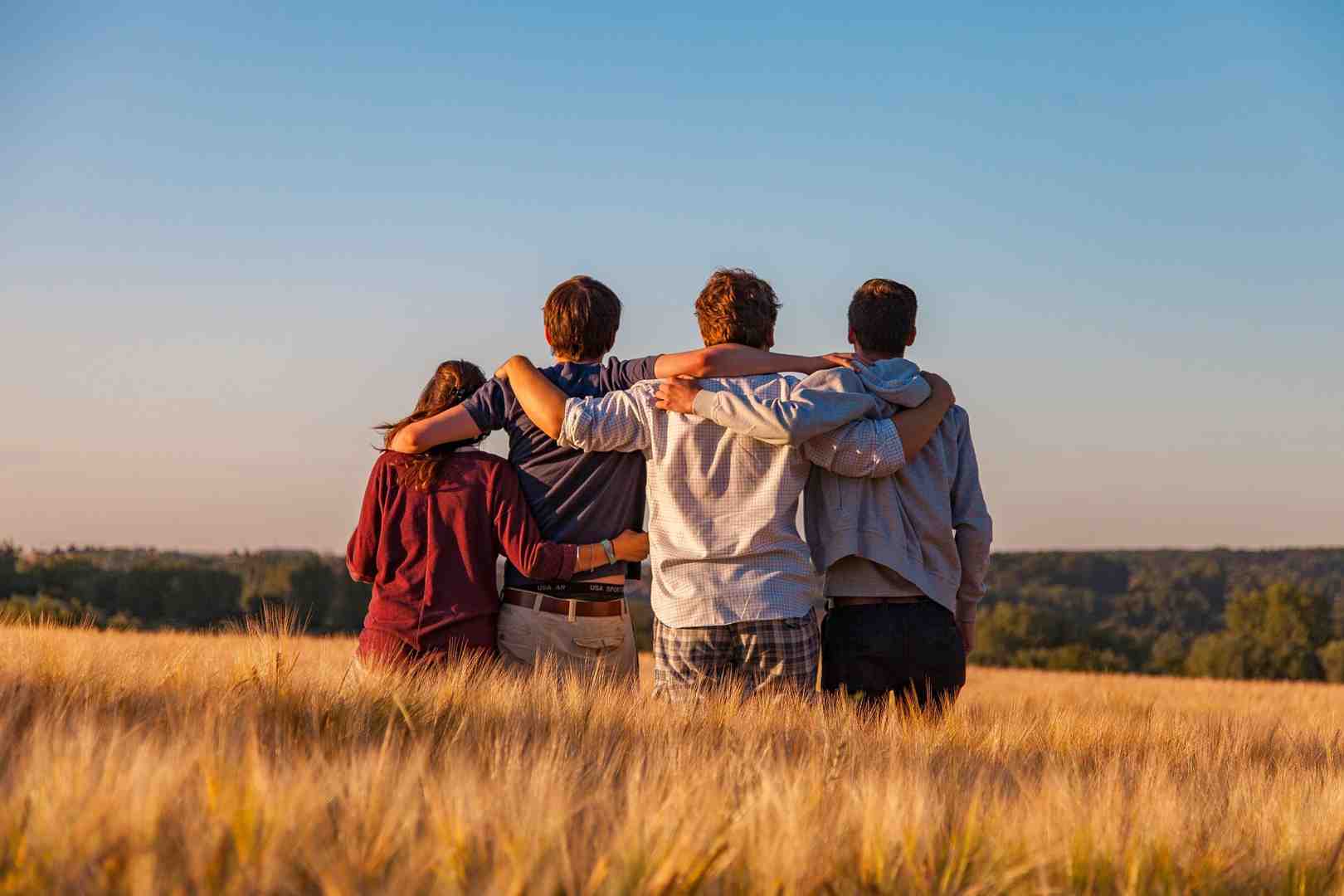
A balanced lifestyle framework incorporates diversified activities across physical, intellectual, contemplative, and social spheres. Research highlighted by the Zero Proof Social Club confirms that individuals who deliberately establish a broad repertoire of leisure activities adjust far more effectively to life without alcohol. By proactively substituting the psychological and sensory roles that alcohol previously occupied, individuals create an enriching daily routine where sobriety represents personal expansion rather than deprivation.
Building a Solo and Creative Routine: How to Have Fun Sober at Home
Cultivating rewarding home-based interests ensures that solitary evenings become genuinely restorative rather than isolating. Domestic spaces often carry ingrained behavioural associations with evening decompression through alcohol. Establishing innovative sensory and intellectual routines breaks these automatic loops. Creative disciplines and focused tactile projects foster psychological flow states, which are periods of deep absorption where cravings diminish and mental clarity improves.
Consider incorporating these structured solo and creative pastimes into your personal routine:
- Artisan Beverage Crafting: Enhance your evening routine by working with complex botanicals, cold-pressed juices, infused syrups, and premium sparkling waters. Blending sophisticated mocktails and alcohol-free beverages replicates the tactile ritual of an evening drink without disrupting neurochemistry.
- Gourmet Culinary Mastery: Turn routine meal preparation into a mindful culinary discipline. Focus on intricate cooking methods, preparing pasta from fundamental ingredients, or exploring regional international cuisines.
- Musical Instrument Training: Practising an acoustic or electronic instrument promotes neuroplasticity, reactivating cognitive pathways that were dampened by chronic drinking.
- Horticultural Care: Propagating Australian native plants, designing a home herb garden, or nurturing indoor greenery instils patience, attentiveness, and tangible satisfaction.
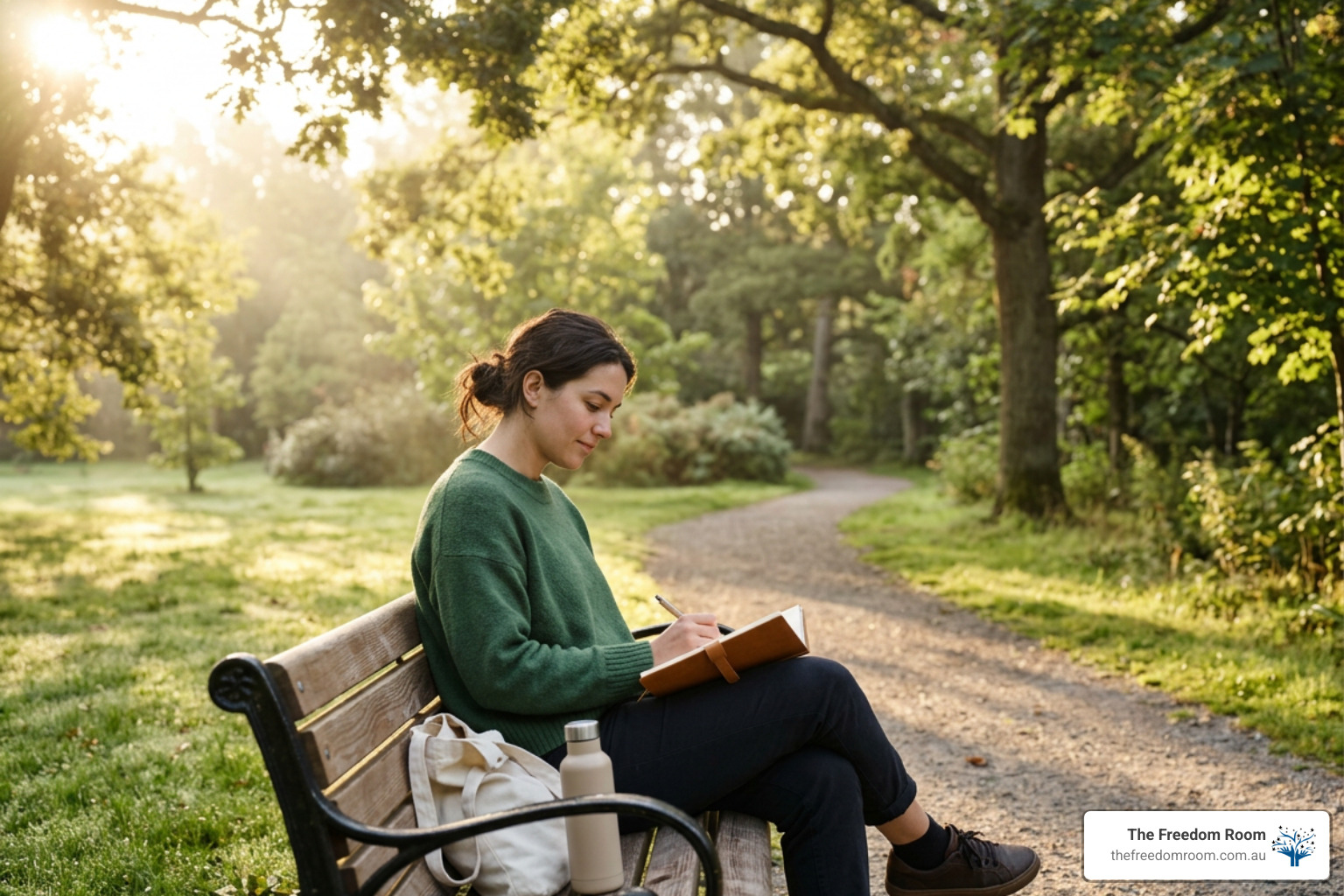
- Reflective Writing and Journaling: Recording thoughts and daily milestones clarifies cognitive patterns, manages emotional stressors, and reinforces long-term personal goals.
- Mindfulness and Nervous System Regulation: Structured meditation, progressive muscle relaxation, and diaphragmatic breathwork lower baseline cortisol and stabilise the nervous system.
- Applied Fine Arts and Practical DIY Projects: Woodcraft, ceramic sculpting, oil painting, or home restoration channels physical restlessness into enduring, high-value outcomes.
Insights from curated wellness platforms such as The Good Trade and Calm underline that solitary time can be successfully transformed from periods of vulnerability into valuable opportunities for personal restoration and self-directed growth.
Outdoor Adventures and High-Energy Socialising: How to Have Fun Sober with Friends
Regular physical exertion and shared outdoor experiences prompt the natural secretion of endorphins, serotonin, and dopamine. Engaging with social circles in active environments shifts group dynamics away from licensed venues toward meaningful, shared achievements.
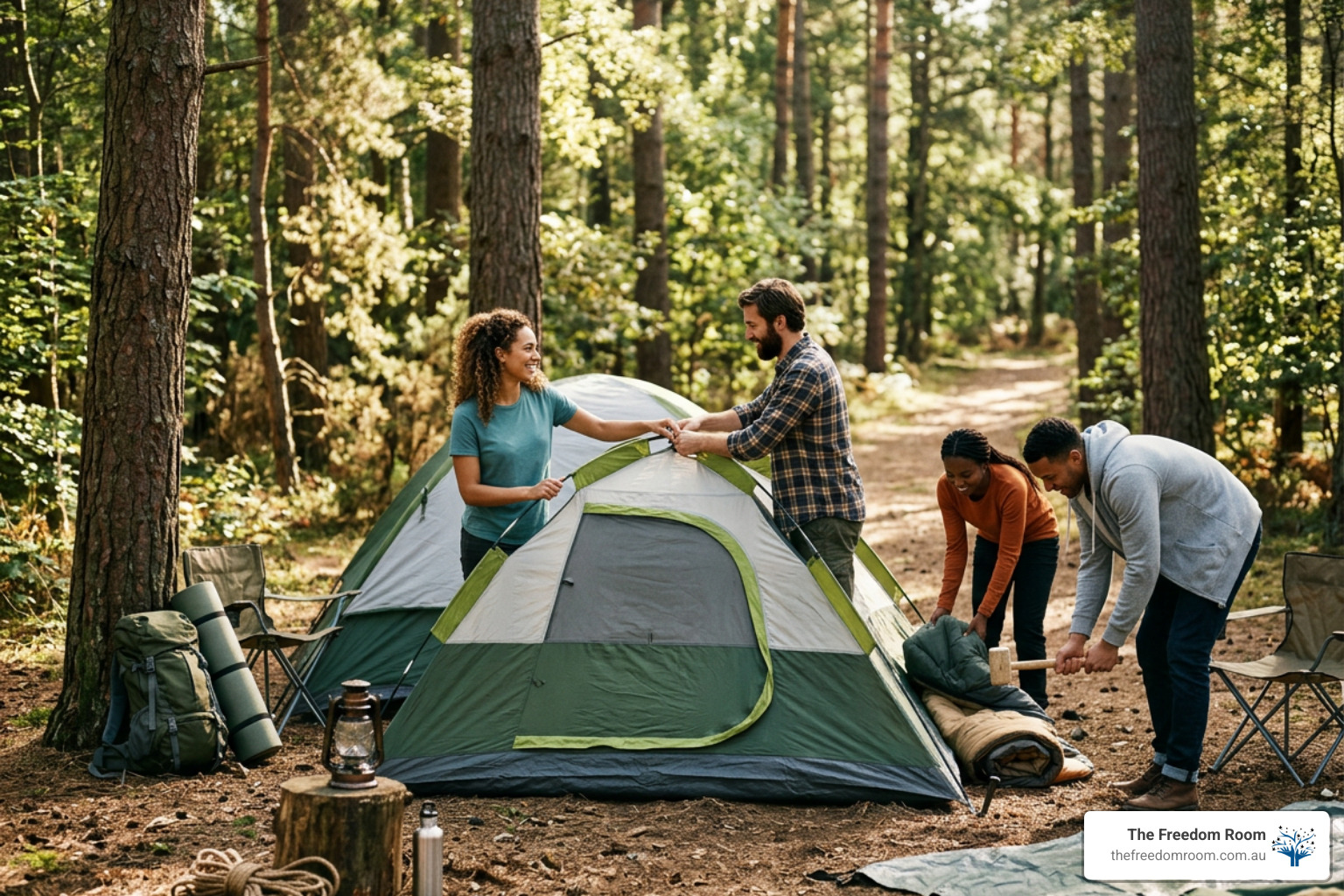
To construct an active and fulfilling social calendar, integrate these dynamic group pursuits:
- Bushwalking and Wilderness Treks: Exploring regional national parks, mountainous tracks, and coastal trails provides invigorating cardiovascular exercise alongside restorative natural surroundings.
- Organised Nature Expeditions and Camping: Arranging a structured itinerary for sober camping allows individuals to disconnect from digital noise, socialise around a campfire with absolute clarity, and rise early without physical discomfort.
- Community Sports and Social Leagues: Participating in local competitions for touch football, tennis, bouldering, swimming, or cycling fosters healthy team collaboration and athletic progression.
- Structured Family Excursions: Organising engaging sober holidays with children builds lasting family memories across nature reserves, marine parks, coastal camping grounds, and cultural heritage locations.
- Community Volunteering and Civic Projects: Donating time to wildlife preservation groups, bush regeneration trusts, or food distribution charities offers purposeful connection with like-minded community members.
- Cultural and Educational Outings: Attending curated gallery exhibitions, symphony performances, and historical tours stimulates intellectual conversation without requiring alcohol consumption.
Mastering practical methods regarding how to socialise sober ensures that group interactions remain deeply engaging, comfortable, and personally rewarding across diverse social settings.
Navigating High-Risk Evenings and Weekend Danger Zones
The transition into the weekend often represents a significant hurdle for people navigating recovery from physical dependence on alcohol. Friday evenings, celebratory functions, and public holidays present distinct environmental triggers that require deliberate planning, strong boundaries, and practical exit plans.
- Implement Structured Friday Schedules: Eliminate the vulnerable gap between finishing work and entering the evening by scheduling immediate activities, such as an athletic training session, a structured culinary class, or a booked cinema screening.
- Maintain Personal Transport and Clear Exit Plans: When attending events where alcohol is present, travel independently, hold an alcohol-free drink continuously, and depart at a predetermined time before fatigue diminishes resolve.
- Prioritise Task-Centred Social Gatherings: Propose social activities focused entirely on specific tasks, including complex escape rooms, mini-golf tournaments, bowling, or live theatre, where alcohol is not the central feature.
- Structure Mindful Dating Experiences: Arrange initial dates around daytime coffee meetings, art gallery walks, botanical garden tours, or breakfast outings to facilitate genuine communication.
- Participate in Sober Community Networks: Connect with substance-free interest groups, zero-proof dining events, and mutual support groups highlighted by The Sober Curator and Alcohol Change UK.
Applying systematic strategies for socialising without alcohol empowers individuals to sustain an active social calendar while protecting their health, mental clarity, and personal recovery goals.
Reclaiming Your Health and Financial Savings
The tangible advantages of an alcohol-free lifestyle extend far beyond the absence of next-day physical exhaustion. Stopping alcohol consumption produces immediate improvements in sleep architecture, cardiovascular performance, cognitive processing, and financial security.
According to comprehensive population health research published by the Australian Institute of Health and Welfare, alcohol misuse is a leading contributor to preventable disease, mental health disorders, and intentional and unintentional injuries throughout Australia. Eliminating alcohol intake substantially decreases long-term risks associated with hepatic disease, high blood pressure, stroke, and mood disruption.
From an economic perspective, redirecting capital previously lost to alcohol purchases, late-night transit, and unconsidered spending creates financial independence. Embracing the joys of sobriety allows individuals to reinvest those funds into purposeful pursuits, overseas travel, advanced education, and wellness investments that elevate overall life satisfaction.
Ready for Change? Let’s Build a Stronger, Alcohol-Free Future Together
Developing an engaging, vibrant lifestyle without alcohol is an empowering process of personal realignments and intentional habit design. Long-term recovery is never about enduring persistent deprivation; it is centred on building an active, meaningful existence where alcohol is completely unnecessary. By adopting a well-rounded schedule grounded in challenging hobbies, physical outdoor pursuits, and genuine peer connections, you establish the structure necessary for lasting wellbeing.
Fostering reliable recovery and sober connections provides the ongoing encouragement, understanding, and personal accountability needed to sustain your journey with absolute certainty. The clinical team at The Freedom Room combines deep professional knowledge with lived recovery insights, delivering personalised, evidence-based care adapted to your unique goals.
Take the first proactive step toward reclaiming your health, clarity, and life purpose today:
- Explore Our Services to discover our comprehensive clinical approaches, or arrange a private consultation with our experienced practitioners.
- Reach out to our team directly via our Contact Us page to speak confidentially with an intake specialist.
- Visit our welcoming treatment centre in person at 9a/521 Beams Rd, Carseldine QLD 4034 to begin your recovery pathway.
We are committed to supporting you every step of the way as you establish a healthy, purposeful, and fully fulfilling alcohol-free lifestyle.
Frequently Asked Questions
How long does it take for activities to feel fun without alcohol?
The neurochemical pathways responsible for dopamine transmission typically require several weeks to recalibrate after addressing physical alcohol dependence. Most individuals report that everyday pursuits become intrinsically engaging, stimulating, and pleasurable within three to six months of continuous sobriety as natural dopamine receptor density recovers.
What should I do if my friends only want to hang out at pubs?
You can preserve valued friendships by taking initiative and proposing activity-focused alternatives, such as weekend morning hikes, beach outings, specialty coffee tastings, or social sports. If attending an event at a licensed venue is necessary, arrive with clear personal boundaries, maintain an alcohol-free beverage, and establish a firm departure time before social energy declines.
How do I manage stress after work without drinking?
Replace the conditioned drinking habit with deliberate autonomic regulation techniques. Take a warm shower, practise ten minutes of slow diaphragmatic breathing, prepare an artisan herbal tea or sparkling tonic, complete a brisk outdoor walk, or engage in a tactile hobby that requires complete manual focus.