

Is Overcoming Alcohol Abuse Actually Possible? (Yes, Here is How)
Overcoming alcohol abuse is possible for most people, and it does not always require a complete life overhaul overnight. Whether your goal is full sobriety or simply reducing how much you drink, effective, evidence-based options exist, and many Australians are doing it right now.
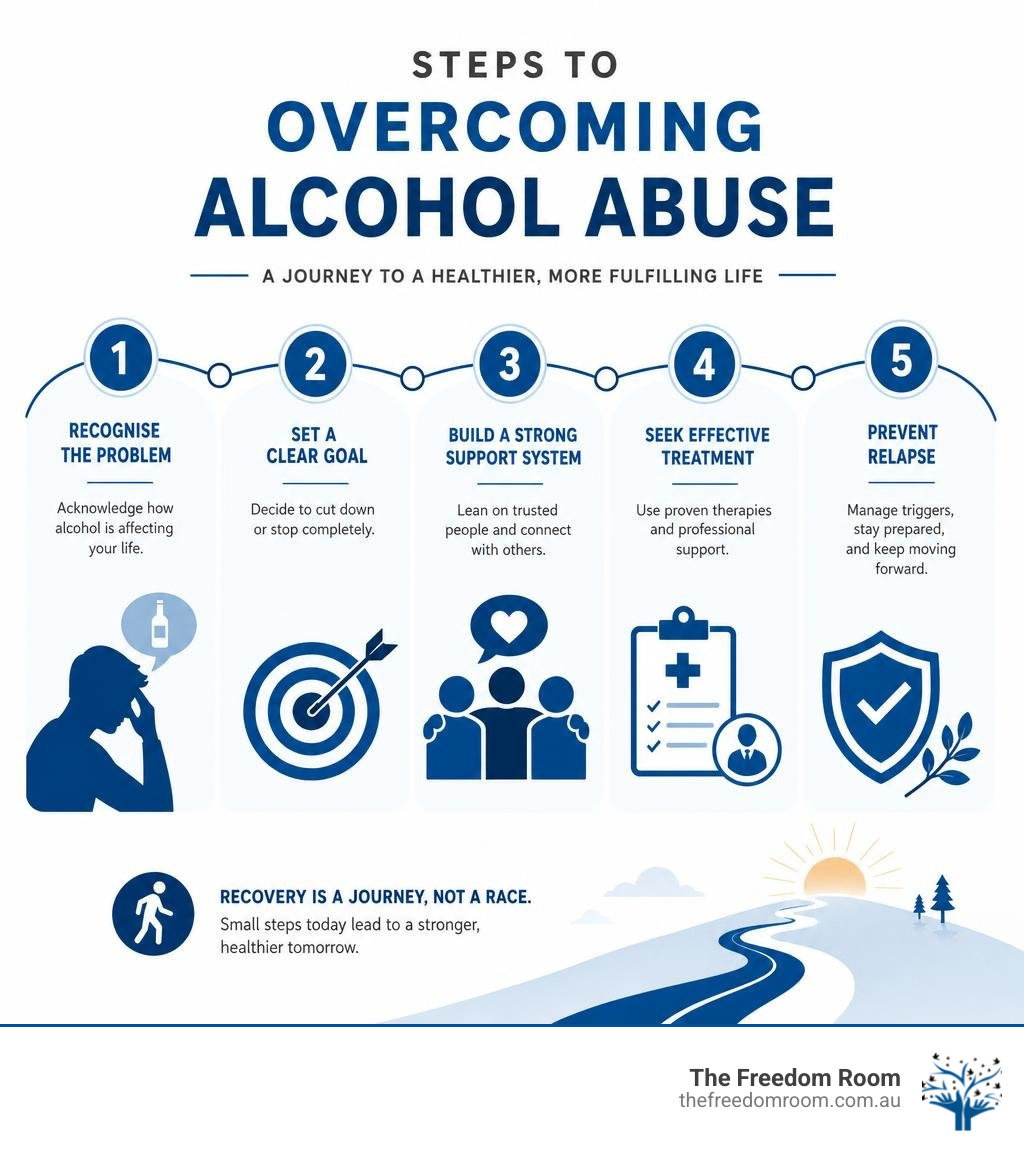
The core steps to overcoming alcohol abuse:
- Recognise the problem: Honestly assess how alcohol is affecting your health, relationships, and daily life.
- Set a clear goal: Decide whether you want to cut down or stop completely.
- Remove alcohol from your environment: Reduce access and avoid high-risk situations.
- Build a support network: Connect with trusted people, peer groups, or professional support.
- Consider evidence-based treatment: Explore therapy, medication, or a combination of both.
- Manage cravings and triggers: Use practical strategies to handle urges when they arise.
- Be patient with setbacks: Lapses are a normal part of behaviour change, not a sign of failure.
Alcohol use disorder (AUD) is a recognised medical condition, not a character flaw. According to the Australian Institute of Health and Welfare, alcohol remains one of the most significant contributors to preventable illness and injury in Australia. Yet despite how common the problem is, only a small fraction of people who need help ever receive it, often because of stigma, confusion about where to start, or the belief that nothing will work.
The reality is more hopeful. Most people with AUD can significantly reduce their drinking or stop entirely when they have the right support and strategies in place.
Understanding how alcohol changes the brain, recognising the signs of a problem, and knowing what treatment options are available in Australia are crucial steps toward building a life that supports lasting recovery.
Overcoming alcohol abuse terms you need:
Overcoming Alcohol Abuse: Understanding the Brain and the Addiction Cycle
To successfully navigate the path of recovery, it is vital to understand how chronic drinking alters the physical structure and chemistry of the brain. The development of a physical alcohol dependence is not a matter of weak willpower; it is a neurological adaptation. When we consume alcohol regularly, the brain attempts to balance its chemistry by altering the sensitivity of its neurotransmitter systems. Over time, these changes make it increasingly difficult to function normally without alcohol, locking the individual into a recurring cycle of compulsive use.
The addiction cycle is generally divided into three distinct stages: binge and intoxication, withdrawal and negative affect, and preoccupation and anticipation. During the binge stage, alcohol stimulates the release of dopamine, reinforcing the urge to drink. As the alcohol wears off, the brain experiences a deficit in reward chemistry, leading to withdrawal symptoms and a state of emotional distress. This distress drives the preoccupation stage, where the brain becomes hyper-focused on obtaining the next drink to find relief.
Fortunately, the brain possesses an extraordinary capacity for healing known as neuroplasticity. Just as the brain adapted to the presence of alcohol, it can retrain and rebuild itself once drinking stops. With sustained abstinence or a significant reduction in intake, neural pathways begin to repair, stress systems stabilise, and cognitive function improves.
Recognising the Signs of Alcohol Use Disorder (AUD)
Identifying a problem is the first crucial step toward making a lasting change. Medical professionals use specific criteria from the Diagnostic and Statistical Manual of Mental Disorders (DSM-5) to diagnose alcohol use disorder. This condition is classified as mild, moderate, or severe based on how many criteria an individual meets within a twelve-month period. Understanding these indicators can help you or a loved one determine if professional support is required.
To help identify whether drinking has crossed the line into a clinical concern, look for these key physical and behavioural indicators:
- Drinking larger amounts or for longer periods than originally intended.
- Making multiple unsuccessful attempts to cut down or control alcohol use.
- Spending a significant amount of time obtaining alcohol, drinking, or recovering from its effects.
- Experiencing strong cravings or a powerful urge to consume alcohol.
- Failing to fulfil major obligations at work, school, or home due to recurrent drinking.
If you recognise several of these signs in yourself or a family member, it may be time to explore signs of alcohol use disorder further. Understanding the formal alcohol use disorder definition can help reduce the shame often associated with the condition. Seeking an accurate diagnosis from a qualified general practitioner is highly recommended, as they can assess your symptoms, discuss withdrawal risks, and recommend the safest path forward.
The Neurobiology of Overcoming Alcohol Abuse
At a cellular level, chronic alcohol consumption disrupts the delicate balance between excitatory and inhibitory neurotransmitters. Alcohol enhances the activity of gamma-aminobutyric acid (GABA), which slows down brain activity, while suppressing glutamate, which speeds it up. When alcohol is suddenly removed, the brain is left in an over-excited state, which causes the physical tremors, anxiety, and insomnia associated with withdrawal.
This imbalance heavily impacts key regions of the brain, including:
- The Basal Ganglia: This area controls the reward system. Alcohol triggers a surge of dopamine here, creating a pleasurable sensation that the brain seeks to replicate.
- The Extended Amygdala: This region regulates our response to stress. During withdrawal, this system becomes overactive, leading to a highly sensitive negative emotional state known as hyperkatifeia. This state of intense emotional discomfort is a primary driver of relapse.
- The Prefrontal Cortex: Responsible for executive function, decision-making, and impulse control, this area becomes compromised by long-term drinking, making it much harder to resist cravings.
By understanding these neurological shifts, we can appreciate why quitting requires more than just willpower. The process of retraining the brain involves allowing these circuits to settle and return to their natural baselines. This neuroplastic healing is a cornerstone of successful alcohol dependence recovery, allowing individuals to regain emotional stability and cognitive control over time.
Evidence-Based Treatment Options and Support Networks
There is no single path to recovery, and a combination of medical and psychological treatments often yields the best results. Modern medicine offers several non-addictive pharmacotherapy options that can support individuals who have committed to stopping or reducing their drinking. These medications work by targeting different aspects of the brain’s chemistry to make maintaining sobriety more manageable.
Commonly prescribed medications for managing alcohol dependence include:
- Acamprosate: This medication helps stabilise brain chemistry after withdrawal, reducing protracted cravings and helping to prevent relapse.
- Naltrexone: By blocking the opioid receptors in the brain, naltrexone stops the pleasurable, reinforcing effects of alcohol, making it easier to reduce consumption.
- Disulfiram: This medication produces highly unpleasant physical reactions, such as flushing, nausea, and rapid heart rate, if any alcohol is consumed, serving as a strong physical deterrent.
In addition to medication, psychological therapies are vital for addressing the root causes of substance use and teaching healthy coping mechanisms. Cognitive Behavioural Therapy (CBT) helps individuals identify and challenge negative thought patterns, while also developing practical skills to manage triggers. For comprehensive details on these approaches, clinicians often refer to guides on pharmacological management and psychosocial management to tailor treatment to the individual. Learning how to stop drinking effectively involves combining these clinical tools with peer-led support groups like SMART Recovery or Alcoholics Anonymous, which provide invaluable community connection and accountability.
Natural Recovery and Strategies for Overcoming Alcohol Abuse
Many individuals achieve positive changes in their drinking habits without formal rehabilitation programmes, a process often referred to as natural recovery. This pathway is most common among those with mild to moderate forms of alcohol use disorder who have stable housing, strong social support, and fewer functional problems. Whether you choose formal treatment or self-directed change, implementing practical daily strategies is essential for maintaining long-term success.

To support your journey of self-directed change, consider incorporating these practical strategies:
- Define Clear Goals: Decide whether complete abstinence or a structured reduction in drinking is the safest and most realistic goal for your circumstances.
- Identify Triggers: Keep a detailed journal to track when, where, and why you feel the urge to drink, allowing you to avoid high-risk situations.
- Practice Habit Replacement: Replace drinking sessions with engaging, non-alcohol-centred activities such as physical exercise, creative hobbies, or volunteering.
- Employ Cravings Management: Use the “delay and distract” technique; when a craving hits, remind yourself that urges usually peak and fade within twenty minutes, and find an immediate task to occupy your mind.
For those interested in exploring this path, resources on getting sober without rehab offer practical steps to structure your daily life. Learning effective techniques for coping with cravings can dramatically lower the risk of a lapse during stressful moments. Utilising structured alcohol addiction self-help tools, alongside a verified patient decision aid, empowers you to make informed, values-based choices about your relationship with alcohol.
Supporting a Loved One and Knowing When to Seek Professional Help
Watching a family member struggle with alcohol use can be incredibly challenging. It is important to approach the situation with empathy rather than judgement, as confrontational interventions often lead to defensiveness. Encourage open, honest conversations and express your concerns using “I” statements to focus on your feelings and observations.
It is also critical to understand that certain groups are particularly vulnerable to the effects of alcohol. The adolescent brain is undergoing rapid development, particularly in the prefrontal cortex, which governs decision-making and impulse control. Heavy drinking during youth can permanently alter these pathways, significantly increasing the risk of developing a substance use disorder later in life.
Knowing when to seek professional intervention is vital. If your loved one is experiencing severe physical withdrawal symptoms, has tried to quit multiple times without success, or is experiencing worsening mental health issues, professional care is necessary. Resources such as the finding treatment and help portal can guide you toward qualified specialists. Helping a loved one take the first step toward overcoming a drinking problem is a profound act of care, and consulting a long-term recovery guide can help you support them safely through every stage of the process.
Start Your Journey to Lifelong Recovery Today
At The Freedom Room Wellness and Recovery, we understand that overcoming a physical alcohol dependence requires a deeply personalised and compassionate approach. Our dedicated team has walked this path themselves, allowing us to provide authentic support, profound empathy, and practical guidance free from judgement. We offer cost-effective, high-quality alcohol treatment through individualised therapy sessions, educational workshops, and evidence-based mental health support.
Whether you are looking to stop drinking entirely or require professional guidance to safely manage your relationship with alcohol, we are here to walk beside you. Our professional services are designed to help you rebuild your life, heal your brain, and establish healthy coping mechanisms for the future.
We invite you to take the first step toward a healthier, more fulfilling life. To learn more about how we can support you, please explore Our Services or Contact Us directly to schedule a confidential consultation.
You can visit our welcoming clinic located at: 9a/521 Beams Rd, Carseldine QLD 4034
Frequently Asked Questions (FAQ)
What is the typical physical withdrawal timeline when stopping alcohol?
For individuals with a physical dependence, withdrawal symptoms can begin within six to twenty-four hours after the last drink. These symptoms typically peak between forty-eight and seventy-two hours and can include anxiety, tremors, sweating, and insomnia. In severe cases, life-threatening complications such as seizures or delirium tremens can occur, which is why a medically supervised detox is highly recommended.
Is moderation a realistic goal, or is complete abstinence always required?
Moderation can be a viable and realistic goal for individuals experiencing mild alcohol use disorder who do not have underlying health complications. However, for those with a severe, long-term physical dependence or existing medical conditions like liver disease, complete abstinence is generally the safest and most effective path to prevent relapse and support physical recovery.
Why is the adolescent brain more vulnerable to alcohol abuse?
The adolescent brain is still developing, particularly the prefrontal cortex, which manages decision-making, risk assessment, and impulse control. Introducing alcohol during this critical growth phase can disrupt normal brain wiring, impair cognitive development, and significantly increase the likelihood of developing severe substance use issues in adulthood.
What role does family support play in long-term recovery?
Active and non-judgmental family support is one of the strongest predictors of successful, long-term recovery. Family members who participate in therapy, learn about the nature of addiction, and help establish an alcohol-free home environment provide the stable foundation needed for an individual to maintain their sobriety.