
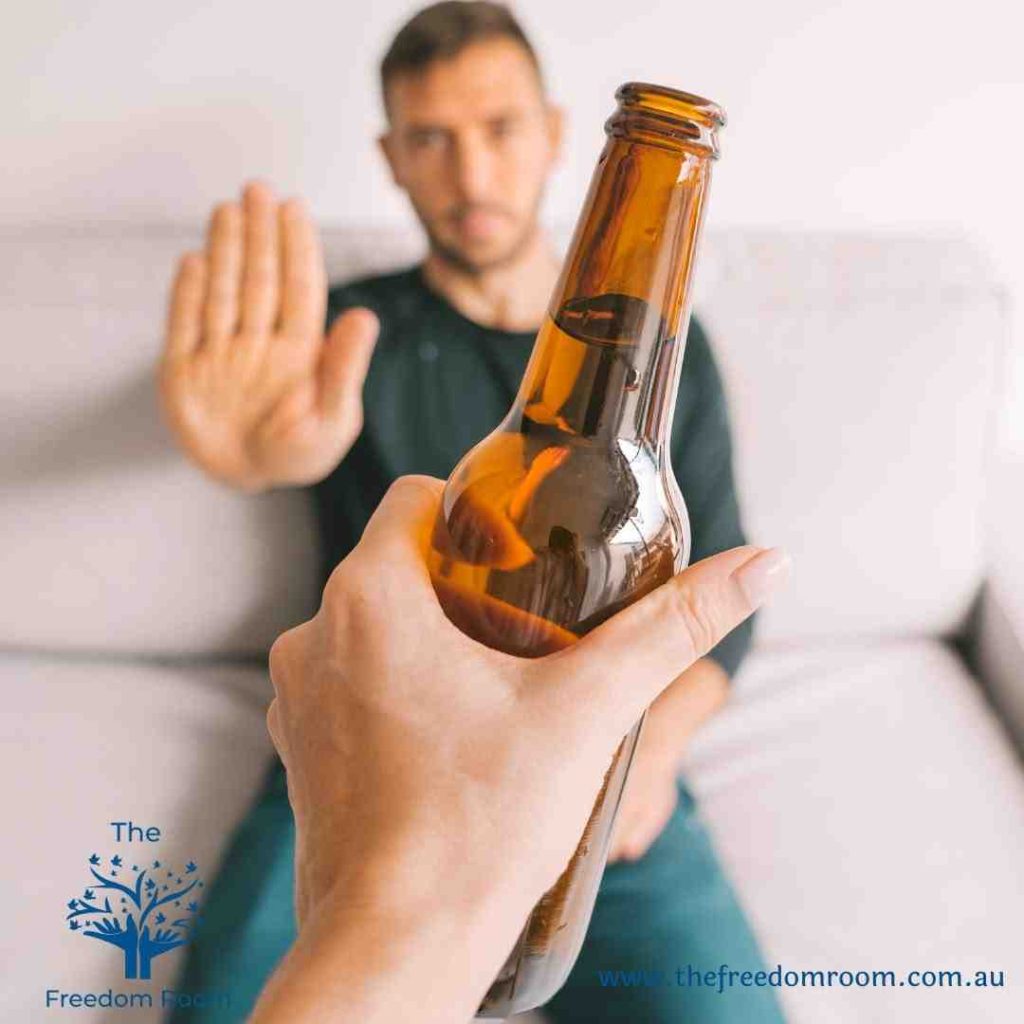
Why Recognising Alcohol Relapse Triggers Is the First Step to Lasting Recovery
Alcohol relapse triggers are specific people, places, emotions, or situations that create a strong urge to drink after a period of abstinence. They represent one of the primary challenges in recovery and require careful, systematic understanding.
Here are the most common alcohol relapse triggers at a glance:
- People — old drinking companions, social circles linked to past use
- Places — pubs, bars, neighbourhoods associated with drinking
- Emotions — stress, anxiety, depression, loneliness, boredom, or even celebration
- Physical states — hunger, exhaustion, pain, or illness
- Sensory cues — the sight or smell of alcohol, certain music, or routines linked to drinking
- Situations — social events, relationship conflict, major life changes, or overconfidence in recovery
Recovery from physical alcohol dependence is rarely a linear process. According to research, between 40% and 60% of individuals experience a relapse during the course of recovery from alcohol or substance use disorder, with some studies placing the one-year relapse rate as high as 70%. In Australia, alcohol remains one of the most widely used and socially normalised substances, which makes avoiding triggers especially difficult.
It is beneficial to understand the distinction between a lapse and a relapse. A lapse is a brief, temporary return to drinking, which is a single event that a person quickly moves on from. A relapse is a return to previous levels of use over a sustained period. Both can occur, and neither indicates that recovery has failed.
What matters most is understanding the underlying reasons why the urge appeared and establishing a structured plan for future occurrences.
Identifying and Managing Alcohol Relapse Triggers
When we understand how triggers form, we can begin to mitigate their influence. Chronic alcohol use changes how the brain processes rewards, specifically by altering dopamine pathways. Over time, the brain becomes conditioned to associate certain environments, feelings, or people with the chemical reward of alcohol.

According to the Australian Institute of Health and Welfare research, alcohol is a major health concern in our communities, meaning that visual and social cues are everywhere. This constant exposure keeps these conditioned brain pathways highly active. However, scientific research on long-term relapse factors shows that as we progress further into sustained recovery, our self-regulation and coping skills become much more influential than simple brain conditioning.
By using evidence-based tools such as cognitive behavioural therapy and mindfulness, we can learn to pause between the trigger and our response. Recognising these patterns is the core of understanding triggers for alcohol use. When we build strong self-regulation strategies, we can experience an urge without acting on it.
Internal Alcohol Relapse Triggers
Internal triggers are the thoughts, physical feelings, and emotional states that occur within us. One of the most effective ways to categorise these is the HALT framework, which stands for Hunger, Anger, Loneliness, and Tiredness. When our basic physical and emotional needs are neglected, our vulnerability to cravings increases significantly.
Emotional distress is another powerful internal driver. Many of us have used alcohol to self-medicate for underlying anxiety, depression, or severe stress. A comprehensive clinical study on relapse factors highlights that untreated psychiatric comorbidities, particularly mood disorders, are major predictors of returning to use.
Surprisingly, positive emotions can also be internal triggers. Overconfidence during the early months of recovery often leads people to believe they can handle just one drink. Developing healthy coping skills to prevent relapse involves learning how to sit with both negative and positive emotions without turning to alcohol.
External Alcohol Relapse Triggers
External triggers are the environmental cues, people, and situations outside of ourselves that prompt the urge to drink. These are often highly visible and can be difficult to avoid in a culture that heavily promotes drinking.
Social pressure is a major external trigger, especially when spending time with old drinking companions. Being in high-risk environments, such as local pubs, sports clubs, or specific neighbourhoods associated with past drinking, can instantly trigger intense cravings. According to research on common triggers, even simple sensory cues like the sound of a bottle opening or the smell of beer can cause a psychological reaction.
To manage these risks, we must implement proactive addiction relapse prevention strategies. This includes planning alternative travel routes to avoid passing favourite pubs, changing daily routines, and setting clear boundaries with people who do not support our sobriety.
Warning Signs of an Impending Lapse
A lapse rarely happens without warning. It is usually the final step in a three-stage process: emotional, mental, and physical relapse.
- Emotional Relapse: During this first stage, we are not consciously thinking about drinking, but our behaviours and emotions are setting us up for a slip. Common signs include isolating from loved ones, skipping support meetings, poor sleep hygiene, and neglecting basic self-care.
- Mental Relapse: This is a state of internal conflict where part of us wants to stay sober, but another part is actively planning to drink. Signs include romanticising past drinking sessions, lying to supporters, bargaining, and hanging around high-risk social circles.
- Physical Relapse: This is the moment a person takes a drink. It starts as a lapse but can quickly progress to a full relapse if immediate support is not accessed.
Recognising these early warning signs allows us to intervene before the physical relapse occurs.
How to Build a Personalised Relapse Prevention Plan
A personalised plan acts as an emergency toolkit for your recovery. Writing down your strategies makes them much easier to access when you are experiencing high levels of stress or intense cravings.

A highly effective tool to include in your plan is the ABC model from cognitive behavioural therapy. This helps you identify the activating event (A), challenge your unhelpful beliefs about it (B), and change the emotional consequence (C). You can also use a trigger diary to track daily cravings, noting the time, place, and emotional state when the urge occurred. This systematic tracking allows individuals to identify patterns that might otherwise go unnoticed, such as a heightened vulnerability to cravings on Friday afternoons or during periods of high professional stress.
Your plan should also feature a list of emergency contacts, healthy distraction activities, and strategies for urge surfing, which involves picturing the craving as a wave that will peak and eventually subside. Maintaining a balanced lifestyle, prioritising sleep hygiene, and scheduling regular downtime are crucial components of an in-depth guide to relapse prevention plans. Furthermore, establishing a structured daily routine can significantly reduce the cognitive load associated with decision-making, thereby preserving mental energy for moments when self-regulation is most required. By integrating these diverse strategies into a cohesive, written document, individuals can establish a robust framework that supports long-term recovery and minimises the risk of returning to physical dependence on alcohol.
To further strengthen this framework, individuals should engage in regular physical activity, maintain a nutritious diet, and foster a supportive social network. These lifestyle factors contribute to overall resilience, making it easier to manage the psychological and physiological challenges of recovery. Additionally, seeking professional guidance from therapists or support groups can provide valuable insights and accountability, ensuring that the relapse prevention plan remains relevant and effective over time. By taking a proactive and comprehensive approach to recovery, individuals can build a fulfilling, alcohol-free life and achieve lasting well-being.
Take the First Step Toward a Fulfilling, Alcohol-Free Life
At The Freedom Room Wellness and Recovery, we understand that recovery is a deeply personal journey. Our team members have lived experience with recovery, allowing us to provide authentic support, compassion, and true empathy without judgement. We offer cost-effective, personalised sessions, therapeutic workshops, and evidence-based counselling tailored to your unique needs.
If you are ready to build a stronger, alcohol-free future, we are here to walk alongside you. Please explore Our Services to find the right support options for you, or Contact Us today to take your first step.
You can find us at our supportive recovery space: 9a/521 Beams Rd, Carseldine QLD 4034.
Frequently Asked Questions About Relapse
Why are relapse rates so high for physical dependence on alcohol?
Alcohol use disorder is a chronic, relapsing brain disease, meaning that the pathways associated with habit and reward have been deeply altered. Recovery takes time, and the brain requires consistent support and healthy routines to heal and rebuild new neural pathways.
What is the abstinence violation effect?
This is the intense guilt, shame, and all-or-nothing thinking that people often experience after a brief lapse. If a person believes that a single slip means they have completely failed, they are much more likely to abandon their recovery goals and experience a full relapse.
How should I handle a lapse if it occurs?
The most important step is to practice self-compassion and treat the lapse as a learning opportunity rather than a failure. Connect with your support network immediately, review your relapse prevention plan, and identify what triggered the event so you can plan for it in the future.
How Can I Support a Loved One Experiencing a Lapse?
How can I offer non-judgemental support?
Focus on open, honest communication and avoid using accusatory language or blame. Let your loved one know that you support their recovery journey and that a lapse is simply a hurdle, not the end of their progress.
What is safety planning in recovery?
Safety planning involves working with your loved one to create a clear plan of action in case they drink. This includes identifying who they will call, ensuring they have a safe environment, and agreeing on when to seek professional intervention.
Why are personal boundaries important?
Supporting a loved one does not mean enabling harmful behaviours. Setting clear, healthy boundaries protects your own mental well-being and encourages your loved one to take personal responsibility for their recovery and seek professional care when needed.