

The Importance of Long-Term Alcohol Recovery in Carseldine
Long-term alcohol recovery in Carseldine involves a sustained process of healing that enables the establishment of a fulfilling life free from alcohol dependence. For individuals in Carseldine and the surrounding Brisbane areas, a clear understanding of what sustained recovery entails is fundamental to achieving lasting change.
Key Elements of Long-Term Recovery
Long-term recovery is composed of several critical elements:
- Sustained abstinence over an extended period, including months and years
- Comprehensive treatment of the underlying causes of alcohol use
- Development of resilience through healthy coping strategies
- Engagement with community and peer support networks
- A commitment to ongoing personal development
- Provision of adequate time for the brain to heal and restore function
While short-term detoxification or a 28-day programme can provide an initial foundation, research indicates that treatment lasting at least 90 days yields significantly improved outcomes. Long-term recovery represents a commitment to lifelong change, supported by professional therapies, community engagement, and family involvement.
Sustained recovery is an achievable goal. With appropriate support and a dedicated mindset, residents of Carseldine can re-establish stability and wellbeing, experiencing the profound benefits of long-term sobriety.
A Comparison: Short-Term Treatment and Long-Term Recovery
A clear understanding of the distinction between short-term treatment and long-term alcohol recovery in Carseldine is essential for making informed decisions about care in that area.
The Scope of Short-Term Programmes
Short-term programmes primarily focus on the immediate cessation of alcohol use. This process often begins with medically supervised detoxification to manage withdrawal symptoms safely, followed by a period of stabilisation to restore physical equilibrium. While this acute care is vital, it addresses only physical dependence and represents the initial phase of a comprehensive recovery process.
The Holistic Nature of Long-Term Recovery
In contrast, long-term alcohol recovery in Carseldine provides a holistic approach. It involves managing the underlying emotional, psychological, and social factors that contributed to alcohol dependence. This method emphasises continuous personal growth, assisting individuals in developing new skills for stress management, healthy relationships, and finding purpose. It supports a lifestyle founded on sobriety, personal wellbeing, and community participation.
The process is focused on progressive improvement and the reconstruction of a meaningful life. Further information is available regarding The 4 stages of alcohol recovery.
The Importance of Treatment Duration
The duration of treatment significantly influences recovery outcomes. Research indicates that individuals who remain in treatment for at least 90 days achieve substantially better results. The brain requires time to heal, new habits need time to become established, and new coping skills must be practised in a supportive environment.
Alcohol dependence is recognised as a chronic condition. The brain adapts to the presence of alcohol over time and requires an adequate period to readjust during abstinence. Longer programmes, which may last from six months to a year, increase the likelihood of sustained sobriety. They also provide the necessary time to address co-occurring mental health conditions, such as anxiety or depression, and to build a strong foundation of coping mechanisms.
For residents of Carseldine, selecting a programme of sufficient duration is a critical factor for long-term success. This approach is supported by extensive scientific research, including findings published by leading health organisations on effective treatment principles.

The Commitment to Long-Term Recovery
A commitment to long-term alcohol recovery in Carseldine represents a significant dedication to an ongoing process of growth and intentional living. It involves taking personal responsibility for one’s wellbeing and becoming an active participant in the healing process.
The engagement of support systems, including therapists, support groups, and family, is vital. These connections provide essential encouragement and accountability.
The benefits of recovery extend beyond abstinence. Individuals often experience improved physical and mental health, restored relationships, and greater financial stability. Long-term alcohol recovery in Carseldine fosters a lifestyle where sobriety serves as the foundation for community participation, meaningful work, and a sense of belonging. This process of personal growth in recovery facilitates the development of a fulfilling, alcohol-free life.
The Core Components of a Successful Recovery Plan
Long-term alcohol recovery in Carseldine requires a well-structured, comprehensive plan. A successful plan is founded on integrated care, personalised approaches, evidence-based therapies, and robust community support.
Recovery is a multifaceted process that addresses the psychological, emotional, and social dimensions of addiction. The combination of professional guidance and community connections is instrumental in building a sustainable foundation for lasting sobriety.

Professional Therapies and Support
Professional therapies are the cornerstone of effective long-term alcohol recovery in Carseldine. These therapies address underlying issues and equip individuals with healthy, lasting coping mechanisms. Evidence-based approaches such as Cognitive Behavioural Therapy (CBT) and Emotional Freedom Techniques (EFT) facilitate changes in unhelpful thinking patterns and assist in processing emotional trauma.
Integrated treatment for co-occurring mental health conditions, including anxiety or depression, is also essential for sustained recovery. This integrated support ensures that every aspect of an individual’s wellbeing is addressed. Further details on these therapies are available regarding our EFT and CBT therapy.
Emotional Freedom Techniques (EFT)
Emotional Freedom Techniques (EFT) is an evidence-based therapeutic tool used for managing stress and emotional difficulties. The technique involves tapping on specific acupressure points while focusing on distressing feelings. This process facilitates the processing of long-held emotions such as fear, anger, and worry, rather than their suppression.
EFT interacts with the body’s stress response system. The tapping process sends calming signals to the amygdala, the brain’s fear-processing center, which disrupts the “fight, flight, or freeze” response. This action allows the nervous system to return to a balanced state. Trained practitioners guide clients to resolve trauma safely, without re-experiencing the event, by neutralising its emotional charge.
Over time, EFT can help retrain the stress response, thereby fostering greater emotional resilience. This makes it a valuable component of long-term alcohol recovery in Carseldine, as it addresses the root causes of addictive behaviours. It is beneficial for managing addiction, anxiety, depression, trauma, and stress.
Cognitive Behavioural Therapy (CBT)
Cognitive Behavioural Therapy (CBT) is a form of psychotherapy based on the principle that an individual’s thoughts, feelings, and actions are interconnected. It is designed to address the unhelpful thinking patterns and behaviours that can contribute to alcohol dependence.
CBT assists individuals in identifying, challenging, and re-evaluating these thoughts. This process helps develop problem-solving skills and the confidence to handle challenges without resorting to alcohol. It also incorporates behavioural strategies, such as confronting fears, learning relaxation techniques, and developing practical coping skills.
A personalised CBT strategy supports lasting change in both thinking and behaviour. This structured approach is crucial for achieving the emotional wellbeing necessary for long-term alcohol recovery in Carseldine.
The Role of Peer and Community Systems
Support systems are indispensable for sustained recovery. The involvement of family is crucial for repairing relationships and creating a supportive home environment.
Peer support groups in and around Carseldine also offer significant encouragement, accountability, and a safe space to maintain sobriety. Connecting with others who have similar experiences can create a powerful sense of belonging.
Developing healthy relationships in recovery and engaging with alcohol addiction support groups are fundamental practices for maintaining sobriety and reinforcing the support network.
Aftercare and Sustaining Sobriety
Completing a treatment programme marks the beginning of long-term alcohol recovery in Carseldine. Aftercare consists of a continuous support system that assists individuals in maintaining sobriety and preventing relapse. It focuses on the creation of a new lifestyle incorporating healthy habits.
A typical aftercare plan includes ongoing therapy, participation in support groups, and a personalised relapse prevention strategy. This involves identifying triggers, developing effective coping mechanisms, and building a strong sober support network. This comprehensive approach equips individuals to navigate life’s challenges and supports their long-term wellbeing.
For a complete guide, refer to After addiction treatment: The Ultimate Guide and explore relapse prevention strategies.
The Science of Healing: Brain Recovery from Alcohol
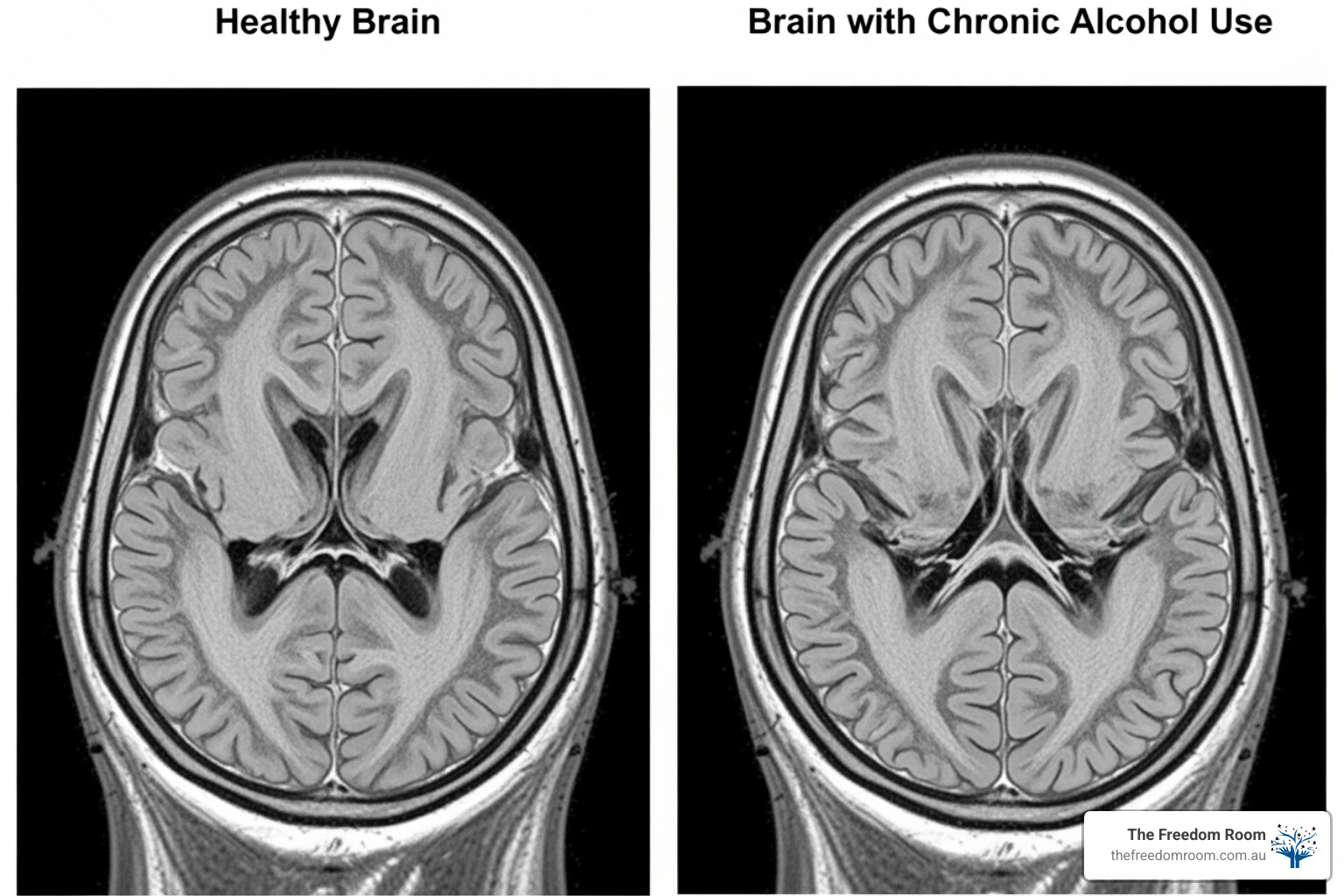
Chronic alcohol use fundamentally alters the brain’s structure and chemistry, impairing functions such as memory, executive function, and decision-making. It disrupts the brain’s reward system, creating a dependency that can trigger intense cravings when alcohol consumption ceases.
The brain, however, possesses a significant capacity for healing, a process known as neuroplasticity. During abstinence, the brain can adapt and form new neural pathways. While some damage may be permanent, many alcohol-induced changes can improve or even reverse with sustained sobriety. This healing process is the foundation of long-term alcohol recovery in Carseldine, allowing for the possibility of restored cognitive function.
Neuroplasticity in Long-Term Alcohol Recovery
Neuroplasticity is the brain’s ability to reorganise its structure and function by forming new neural connections. For individuals in long-term alcohol recovery in Carseldine, this means that brain damage resulting from alcohol use is not necessarily permanent.
During sustained abstinence, the brain actively repairs and rewires altered neural pathways. After several months of sobriety, many neurological changes can improve significantly, and some may even reverse. Individuals often report clearer thinking, better memory, and improved decision-making abilities as neurological recovery progresses.
Sufficient time and continued abstinence are critical factors. The healing process is gradual, with improvements emerging over months and years, which reinforces the importance of long-term treatment. Further information on this topic is available in academic publications, such as Neurobiology of addiction research.
How Therapy Supports Brain Healing
Therapy provides essential support for the brain’s natural healing process during long-term alcohol recovery in Carseldine.
- Cognitive Behavioural Therapy (CBT) assists in restructuring thinking patterns. This process helps to normalise activity in the brain’s reward and stress circuits and strengthens cognitive control.
- Emotional Freedom Techniques (EFT) send calming signals to the amygdala, the brain’s fear-processing center, interrupting the stress response that can trigger cravings.
- Mindfulness practices improve self-awareness and self-regulation, enabling individuals to observe urges without reacting to them.
These therapies complement the brain’s natural healing processes by providing tools to manage daily challenges and support the neurological changes required for lasting recovery.
Navigating Challenges and Establishing a New Lifestyle in Recovery
The process of long-term alcohol recovery in Carseldine involves significant transformation but also presents challenges. A clear understanding of these potential obstacles is essential for effective preparation.
Common Recovery Challenges
Common challenges in recovery include:
- Post-Acute Withdrawal Syndrome (PAWS): This condition involves persistent emotional and psychological symptoms, such as anxiety and mood swings, that can last for months after acute withdrawal.
- Managing Triggers: This requires addressing external cues, like specific places or social situations, and internal states, such as loneliness or stress, that can prompt cravings.
- Social Pressures: These may include navigating events where alcohol is present or interacting with former drinking companions.
- Co-occurring Mental Health Conditions: The presence of underlying conditions like depression, anxiety, or trauma requires integrated treatment for a successful recovery.
Addressing these issues proactively is essential for lasting recovery. Guidance on this topic can be found in resources about Staying sober after rehab.
Strategies for Overcoming Challenges
Successfully navigating long-term alcohol recovery in Carseldine requires a proactive approach. Key strategies include:
- Developing healthy coping mechanisms: This involves replacing old patterns with constructive responses such as journaling, creative pursuits, or spending time in nature.
- Engaging in regular physical activity: Activities like walking, swimming, or team sports can improve physical and mental health, enhance mood, and reduce anxiety.
- Practising mindfulness and meditation: These practices help individuals to remain present and observe urges without acting on them, which builds emotional resilience.
- Finding new hobbies and passions: Filling time with meaningful activities provides purpose and enjoyment, assisting in the reshaping of personal identity.
- Establishing a consistent daily routine: Creating structure and predictability with regular sleep, meals, and scheduled activities helps to support sobriety.
- Building a strong, sober social network: Gaining vital support, accountability, and a sense of belonging is possible through support groups and healthy relationships.
The Lifelong Benefits of Sobriety
Embracing long-term alcohol recovery in Carseldine yields profound and lasting benefits:
- Improved physical health: Liver function can improve, cardiovascular health often stabilises, and energy levels typically increase.
- Greater mental clarity: Cognitive abilities sharpen as the effects of alcohol subside, leading to improved problem-solving skills and greater emotional stability.
- Restored relationships: Trust can be rebuilt over time, allowing connections with family and friends to deepen and become more meaningful.
- Expanded opportunities: Career prospects and financial stability frequently improve as a result of increased reliability and focus.
Recovery can lead to a more meaningful and purposeful life. Additional resources on these topics include information on Rebuilding your life after addiction and The joys of sobriety.
Accessing and Sustaining Recovery in Carseldine and Brisbane
Individuals seeking long-term alcohol recovery in Carseldine should be aware that a supportive network of resources is available throughout the wider Brisbane community, ranging from peer-led groups to professional services.
Identifying the Need for Intensive Treatment
A thorough self-assessment can assist in recognising when more intensive treatment may be necessary. Indications that a more comprehensive approach could be beneficial include:
- A history of chronic relapse following shorter treatment programmes.
- The presence of a severe alcohol use disorder.
- The absence of a stable or safe home environment.
Recognising these signs is an important step. This recognition indicates an understanding that a specific level of care is required to support recovery effectively. For further guidance, please refer to information on Choosing the right route and support for alcohol recovery.
Financial Planning for Treatment in Australia
The financial aspect of long-term alcohol recovery in Carseldine can be a significant consideration. However, several options in Australia can make treatment more accessible.
- Private health insurance: Depending on the specific policy, private health insurance may cover a portion of rehabilitation costs. It is advisable to contact the health fund directly to clarify entitlements.
- Medicare rebates: Rebates for psychological services with a registered psychologist are available through Medicare, which can reduce out-of-pocket expenses.
- National Disability Insurance Scheme (NDIS): The NDIS may provide funding for recovery-related services if an individual has a co-occurring disability.
Flexible payment plans may also be available to make long-term care more accessible. The focus of such options is to provide compassionate and cost-effective treatment that prioritises an individual’s recovery. For more information, please visit Long-term alcohol rehab.
Conclusion: Embarking on a Path to Lasting Recovery
Long-term alcohol recovery in Carseldine is an achievable goal. It is a process of continuous growth and healing that leads to a life of purpose and connection. While initiating this process may seem daunting, recovery is highly attainable with appropriate professional support.
Individuals do not need to navigate this process in isolation. Professional support services offer guidance from practitioners who provide an empathetic and non-judgemental environment for healing. Some services may include practitioners with lived experience of recovery, which can foster a deeper level of understanding.
Effective recovery approaches combine evidence-based therapies, such as Cognitive Behavioural Therapy and Emotional Freedom Techniques, with personalised care and community integration. The objective is to empower individuals to develop their inner resilience and build a sustainable, alcohol-free future.
Support is available for those ready to explore a life free from alcohol dependence. To begin the process, individuals are encouraged to Find support for alcohol rehab in Brisbane.